Car Overheating Below Freezing Outside What It Means
When your car overheats below freezing outside, it signals a serious problem with your cooling system. Cold weather can cause coolant to thicken, thermostats to stick, and radiators to malfunction. Understanding the root cause helps you fix it fast and avoid costly engine damage this winter.
Key Takeaways
- Cold weather thickens coolant: A poor antifreeze mixture can cause overheating even in freezing temperatures.
- Thermostat failure is common: A stuck thermostat blocks coolant flow and triggers overheating in winter.
- Heater core issues mask the problem: A broken heater core can cause overheating and no heat inside your car.
- Quick action saves your engine: Ignoring overheating in cold weather leads to cracked blocks and expensive repairs.
- Prevention is simple: Regular winter car care and coolant checks keep your engine safe in freezing temps.
- Know when to call a pro: Some overheating causes need a mechanic, not a DIY fix.
📑 Table of Contents
- Car Overheating Below Freezing Outside What It Means
- Why Does Your Car Overheat in Freezing Weather?
- Warning Signs Your Engine Is Overheating in Winter
- Common Causes of Overheating in Cold Weather
- How to Prevent Overheating in Freezing Weather
- What to Do When Your Car Overheats in the Cold
- How Cold Weather Affects Your Entire Cooling System
- When to See a Mechanic
- Key Takeaways
- Final Thoughts
Car Overheating Below Freezing Outside What It Means
Your car overheating when it is below freezing outside feels backwards. After all, cold weather should keep things cool, right? Not always. Your engine generates massive heat, and your cooling system has to work hard to manage it. When something goes wrong, that heat has nowhere to go. The result? An overheating engine on a freezing day.
This situation is more common than most drivers think. People assume overheating only happens in summer. But winter brings its own set of cooling system challenges. Car overheating below freezing outside often points to specific issues that cold weather exposes or worsens. In this guide, we break down exactly what it means, why it happens, and what you should do right away.
Whether you are dealing with a rising temperature gauge, steam from the hood, or a heater that blows cold air, this article covers it all. Let us get into it.
Why Does Your Car Overheat in Freezing Weather?
Your car’s cooling system works the same way in summer and winter. Coolant circulates through the engine, absorbs heat, and releases it through the radiator. But freezing temperatures can disrupt every part of this process. Here is why your engine might overheat when it is well below zero outside.
Coolant Freezing and Thickening
The most common culprit is your coolant itself. Coolant, also called antifreeze, is a mix of water and ethylene glycol. When the mixture is correct, it stays liquid down to very low temperatures. But if the ratio is off, the coolant can partially freeze or thicken. Thick coolant does not flow well. It moves slowly through the engine, and heat builds up fast.
Imagine trying to pump honey through a narrow pipe. That is what your water pump deals with when coolant gets too thick in the cold. The engine cannot cool properly, and the temperature gauge climbs.
Thermostat Stuck Closed
The thermostat controls coolant flow. It opens when the engine gets warm and closes when it needs to warm up. In freezing weather, a thermostat can stick in the closed position. This blocks coolant from reaching the radiator entirely. The engine heats up with no way to release that heat.
A stuck thermostat is one of the most frequent reasons for car overheating below freezing outside. It is also one of the easiest and cheapest fixes, if you catch it early.
Radiator Problems in Cold Air
Your radiator releases heat into the cold air. That sounds like it should work perfectly in winter. But radiators can develop issues that cold weather makes worse. A clogged radiator, a broken fan, or a damaged cap can all prevent proper heat exchange. Even in freezing temperatures, your engine can overheat if the radiator cannot do its job.
Winter road salt and grime also play a role. They can corrode radiator fins and block airflow. Over time, this reduces cooling efficiency and leads to overheating.
Water Pump Failure
The water pump pushes coolant through the engine and radiator. Cold weather stresses the pump’s seals and bearings. A failing water pump cannot move coolant fast enough. Heat builds up, and your engine temperature spikes.
Water pump failure often shows warning signs before a complete breakdown. Listen for whining noises near the front of the engine. Check for coolant leaks under your car. These are early signals you should not ignore.
Warning Signs Your Engine Is Overheating in Winter
Overheating does not always come with obvious steam and flames. In freezing weather, the signs can be subtle. Knowing what to look for helps you catch the problem before serious damage occurs.
Temperature Gauge Reading High
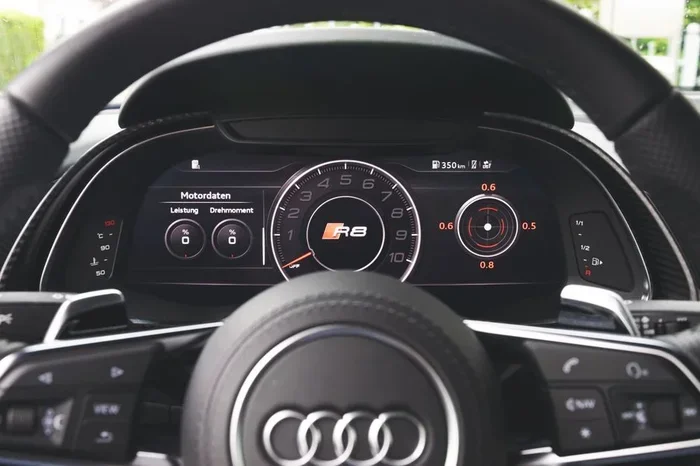
This is the most obvious sign. Your dashboard temperature gauge moves into the red zone. In winter, you might not notice this right away because the cold air feels like it should keep things cool. But trust the gauge. If it is in the hot range, your engine is running hot regardless of the outside temperature.
Steam or Smoke From the Hood
If you see steam coming from under the hood, pull over safely. Steam means coolant is boiling, which happens when the system cannot regulate temperature. In freezing weather, this steam can look like regular exhaust or fog. But if it smells sweet, it is coolant leaking and boiling off.
No Heat Inside the Cabin
This one surprises people. Your heater uses hot coolant to warm the cabin. If the heater blows cold air, coolant might not be flowing properly. A lack of heat combined with a rising temperature gauge is a strong sign of cooling system trouble.
Coolant Warning Light
Many modern cars have a dedicated coolant warning light. If this comes on, check your coolant level immediately. Low coolant in freezing weather can mean a leak or a system that is not circulating properly.
Common Causes of Overheating in Cold Weather
Several issues can cause your engine to overheat when temperatures drop. Understanding these helps you diagnose the problem faster and decide whether you can fix it yourself or need a mechanic.
| Cause | How Cold Weather Worsens It | Repair Cost Range |
|---|---|---|
| Low or frozen coolant | Coolant thickens or freezes, blocking flow | $50 to $150 |
| Stuck thermostat | Thermostat fails to open in cold | $100 to $300 |
| Radiator fan failure | Fan motor struggles in extreme cold | $150 to $400 |
| Water pump failure | Cold stresses seals and bearings | $300 to $750 |
| Heater core clog | Sludge builds up in cold months | $100 to $500 |
| Coolant leak | Freeze-thaw cycles worsen cracks | $50 to $1,000+ |
| Radiator cap failure | Rubber seals stiffen in cold | $10 to $50 |
As you can see, the causes range from very cheap to very expensive. That is why early detection matters so much. Catching a problem when it is small saves you from a blown engine, which can cost thousands to replace.
How to Prevent Overheating in Freezing Weather
The best way to deal with car overheating below freezing outside is to prevent it from happening in the first place. Winter car maintenance keeps your cooling system strong and your engine running smoothly all season long.
Check Your Coolant Mix Regularly
Use a coolant tester to check your antifreeze concentration. The ideal mix is usually 50/50 coolant and water. This protects your engine down to about negative 34 degrees Fahrenheit. If you live in extremely cold areas, you might need a 60/40 or 70/30 mix. Never use straight water in winter. It freezes and expands, which can crack your engine block.
Inspect Hoses and Connections
Cold weather makes rubber brittle. Old hoses can crack and leak. Check all coolant hoses for cracks, swelling, or soft spots. Tighten any loose connections. A small leak today becomes a big problem tomorrow when the temperature drops further.
Keep Your Radiator Clean
Winter grime, salt, and debris build up on your radiator. Hose it down regularly to keep airflow clear. A clean radiator cools much more efficiently, even in freezing air.
Do Not Ignore Small Leaks
A tiny coolant leak might not seem urgent. But low coolant levels mean your engine cannot cool properly. Over time, even a small leak can lead to overheating and serious engine damage. If you notice any puddles under your car, get it checked.
Warm Up Your Car Properly
Letting your car idle for a few minutes in cold weather helps the coolant circulate evenly. Do not rev the engine right away. Give it time to reach operating temperature. This reduces stress on the cooling system and helps the thermostat open and close normally.
What to Do When Your Car Overheats in the Cold
If you are already dealing with an overheating engine in freezing weather, stay calm. Follow these steps to protect yourself and your vehicle.
- Turn off the AC immediately. The air conditioning puts extra load on the engine. Switching it off reduces heat generation.
- Turn on the heater to full blast. This sounds counterintuitive, but it helps pull heat away from the engine. It also keeps you warm if you need to wait for help.
- Pull over safely and turn off the engine. Do not keep driving an overheating engine. Continuing to drive can cause catastrophic damage.
- Wait at least 15 minutes before opening the hood. Pressurized coolant can cause severe burns. Let the engine cool down before you check anything.
- Check the coolant level carefully. If it is low, you can add a small amount of coolant or water temporarily. But do not open the radiator cap while the system is hot.
- Call for help if needed. If the temperature gauge stays in the red after cooling down, have your car towed to a mechanic.
Following these steps can prevent a minor overheating incident from turning into a major engine repair. And if you find yourself stuck without a way to get to a mechanic, knowing basic how to start a car without key safe methods and expert tips can help if your car refuses to cooperate after cooling down.
How Cold Weather Affects Your Entire Cooling System
Your cooling system is made up of many parts working together. Cold weather stresses each one differently. Understanding the full picture helps you see why overheating in freezing temperatures is more than just a coincidence.
The radiator cap plays a big role. It maintains pressure in the cooling system, which raises the boiling point of coolant. In cold weather, a weak cap loses its seal. Pressure drops, and coolant boils at a lower temperature. This leads to overheating even when it is freezing outside.
The heater core is another often-overlooked part. It is a small radiator inside your dashboard. When it clogs or fails, coolant flow is disrupted. This can cause overheating and leave you with no heat in your cabin. Replacing a heater core is not cheap, so regular maintenance pays off.
If you are also dealing with other car issues like lost keys or oil changes, keeping up with basic car care helps prevent cooling system problems. Regular oil changes keep your engine running smoothly, and knowing how to handle a lost car key situation means you are never stranded without help. Taking care of the small things keeps your whole car healthy through winter.
When to See a Mechanic
Some overheating issues you can handle yourself. Checking coolant levels, topping off antifreeze, and replacing a radiator cap are straightforward tasks. But other problems need professional attention.
See a mechanic right away if you notice any of these:
- Your temperature gauge stays in the red after the engine cools down
- You see white exhaust smoke, which can mean a cracked head gasket
- Coolant leaks keep coming back after you refill
- Your engine makes knocking or pinging sounds
- The check engine light is on along with the temperature warning
These signs suggest internal engine damage that needs professional diagnosis. Ignoring them can lead to a cracked engine block, warped head, or complete engine failure. The cost of a repair shop visit is nothing compared to replacing a ruined engine.
Key Takeaways
- Car overheating below freezing outside usually points to a cooling system issue, not the weather itself.
- Frozen or thick coolant is the most common cause and easily prevented with proper antifreeze mixture.
- A stuck thermostat blocks coolant flow and causes rapid overheating in winter.
- Watch for warning signs like steam, a high temperature gauge, no cabin heat, or coolant warnings.
- Prevention is key. Regular checks of coolant, hoses, and radiator condition keep your engine safe all winter.
- Know when to pull over. Driving an overheating engine causes irreversible damage fast.
- Trust a professional for serious issues like head gasket failure or internal engine damage.
Final Thoughts
Your car overheating when it is below freezing outside is a clear signal that something in your cooling system needs attention. It is not normal, and it is not something to brush off. Whether the cause is a simple low coolant level or a more serious thermostat or water pump failure, acting quickly makes all the difference.
Cold weather puts extra stress on every part of your vehicle. Your cooling system is no exception. Regular maintenance, proper antifreeze mixture, and timely repairs keep your engine running strong all winter long. Do not wait until steam is pouring from under your hood to take action.
Stay proactive. Check your coolant before winter hits. Listen to your engine. And if something feels off, get it looked at. A few dollars spent on prevention today can save you from a devastating engine repair tomorrow. Your car works hard for you in every season. Give it the care it deserves, especially when the temperatures drop.
And remember, if your car gives you trouble in the cold, you are not alone. Many drivers face car overheating below freezing outside every winter. The key is knowing what to look for and what to do. With the right knowledge and a little preparation, you can keep your engine cool, your heater working, and your winter drives safe and stress-free.
Frequently Asked Questions
Can cold weather actually cause a car to overheat?
Yes, absolutely. Cold weather causes coolant to thicken or partially freeze, which blocks proper circulation. A stuck thermostat, radiator fan failure, or cracked radiator cap can all lead to overheating even when temperatures are well below freezing. Your engine generates heat regardless of the outside temperature, and it still needs a working cooling system to manage that heat.
How do I know if my coolant is frozen?
If your engine is overheating and the coolant level appears normal, frozen coolant could be the cause. Other signs include a heater that blows cold air and a radiator hose that feels hard or brittle. Using a coolant tester or visiting a mechanic can confirm the freeze point of your coolant mixture. Always use the proper antifreeze-to-water ratio for your climate.
Is it safe to drive my car if it is overheating in cold weather?
No, it is not safe. Driving an overheating engine can cause serious internal damage, including a cracked engine block or warped cylinder head. Pull over as soon as it is safe to do so, turn off the engine, and let it cool down. If the problem persists after cooling, have your car towed to a repair shop.
Why does my heater blow cold air when the engine is overheating?
This usually means coolant is not flowing properly through the heater core. A clogged heater core, low coolant level, or a thermostat stuck in the closed position can all cause this. Since the heater relies on hot coolant to produce warmth, a lack of heat inside the cabin often signals a cooling system problem.
How often should I check my coolant in winter?
You should check your coolant level and mixture at least once before winter begins and again midway through the season. If you notice any warning signs like a rising temperature gauge or coolant leaks, check it immediately. Regular checks take just a few minutes and can prevent costly engine repairs.
What is the best antifreeze mix for extremely cold climates?
A 60/40 or 70/30 coolant-to-water ratio provides protection down to negative 60 or negative 80 degrees Fahrenheit, depending on the type. However, going above a 70/30 mix can actually reduce cooling efficiency. Check your owner’s manual for the recommended ratio for your vehicle and climate zone.