How to Pick the Perfect Tow Rope Car for Your Vehicle
Choosing the right tow rope car can make all the difference when you are stuck on the road. This guide walks you through everything you need to know, from towing capacity to safety features. You will learn how to match the right vehicle and equipment for a safe, smooth tow every time.
Getting stranded on a lonely road is no fun. Whether you drive a tow rope car for off-road adventures or just want a backup plan for emergencies, picking the right setup matters a lot. A good tow rope car combination gives you confidence and keeps you safe when things go wrong.
In this guide, we will walk you through everything you need to know. From understanding towing capacity to choosing the right rope and vehicle, we have you covered. You will walk away with clear, practical steps to make the best choice for your needs.
Let us dive in and make sure you are always prepared.
Key Takeaways
- Know your towing capacity: Always check your vehicle’s rated towing weight before buying a tow rope car setup.
- Match the rope to the job: Different tow ropes serve different purposes, from light-duty to heavy-duty recovery.
- Safety comes first: Use safety chains, breakaway switches, and proper hitches every single time.
- Consider your driving needs: Off-road, emergency, or everyday towing each require different vehicle features.
- Maintain your equipment: Regular checks keep your tow rope car system safe and reliable.
- Avoid common mistakes: Overloading, poor rope selection, and ignoring weight limits cause most towing failures.
📑 Table of Contents
What Is a Tow Rope Car and Why Do You Need One?
A tow rope car is simply a vehicle that is used to pull or recover another vehicle using a tow rope or recovery strap. This setup is common among off-road enthusiasts, four-wheel drive owners, and anyone who wants a reliable emergency backup plan.
Here is why having a proper tow rope car setup matters:
- Emergency recovery: If your vehicle gets stuck in mud, sand, or snow, a tow rope can pull you free.
- Roadside assistance: A friend with a tow rope car can help you get to a mechanic without a flatbed truck.
- Off-road adventures: Many 4×4 drivers rely on tow ropes for group recovery during trail trips.
- Peace of mind: Knowing you have a plan makes every drive feel a little safer.
The key is choosing a vehicle that can handle the weight and demands of towing. Not every car is built for this job, which is why we break it all down below.
Key Features to Look for in a Tow Rope Car
Not all vehicles are equal when it comes to towing. Before you buy or use a tow rope car, you need to know what features matter most. Here are the top things to look at:
Towing Capacity
This is the most important number to know. Towing capacity is the maximum weight your vehicle can safely pull. You can find this number in your owner’s manual or on the manufacturer’s website. Never exceed this limit. Overloading causes damage to your engine, transmission, and brakes.
Gross Vehicle Weight Rating (GVWR)
The GVWR tells you the total weight your vehicle can carry, including passengers, cargo, and the trailer. This number includes everything. Make sure you understand it before you attach any towing equipment.
Ground Clearance
If you plan to use your tow rope car for off-road recovery, ground clearance is critical. Vehicles with higher ground clearance handle rough terrain better and are less likely to get stuck themselves.
Drivetrain Type
Four-wheel drive vehicles are generally the best choice for towing and recovery. They offer better traction and control, especially on slippery or uneven surfaces. Two-wheel drive cars can work for light towing but have more limitations.
Hitch and Receiver Compatibility
Make sure your vehicle has a tow hitch or receiver that matches your towing setup. Different ropes and straps require different hitch classes. Check compatibility before you buy anything.
Best Tow Rope Cars for Different Needs
The right vehicle depends on what you plan to do. Here is a quick look at the best options for different situations:
| Use Case | Best Vehicle Type | Why It Works |
|---|---|---|
| Light-duty towing | Compact SUV or sedan | Easy to handle, good fuel economy |
| Off-road recovery | 4×4 Truck or SUV | High ground clearance, strong frame |
| Emergency roadside use | Mid-size SUV | Balanced power and weight |
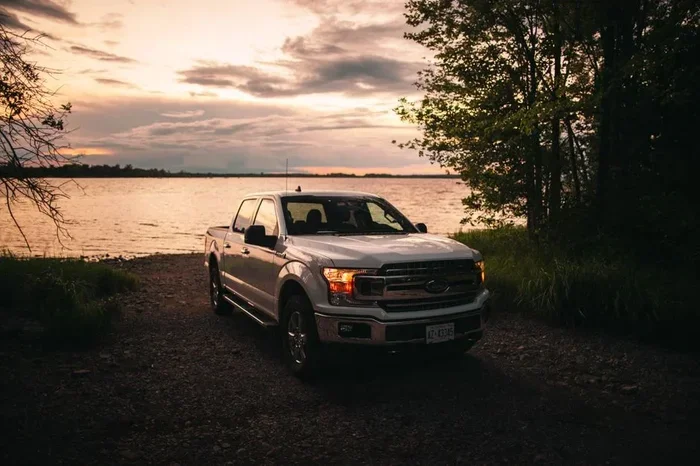
| Heavy-duty towing | Full-size pickup truck | Highest towing capacity and stability |
For most everyday situations, a mid-size SUV strikes the best balance between capability and practicality. If you are serious about off-roading, a full-size 4×4 truck gives you the power and durability you need.
How to Choose the Right Tow Rope for Your Vehicle
Your vehicle matters, but so does the rope itself. Picking the wrong recovery strap or tow rope can be dangerous. Here is how to make the right choice:
Know Your Rope Type
There are two main types of ropes used in a tow rope car setup:
- Nylon tow ropes: Strong and stretchy, nylon ropes absorb shock during pulls. They are great for recovery situations.
- Polyester recovery straps: These stretch less than nylon but are still effective for light to medium towing.
- Chain tow cables: Heavy-duty and durable, but they can snap dangerously if overused. Use with caution.
Check the Weight Rating
Every rope has a weight rating. This is the maximum load it can handle. Always choose a rope rated for more than the weight of the vehicle you are towing. A good rule of thumb is to pick a rope rated at least 1.5 times the weight of the stuck vehicle.
Length Matters
Shorter ropes (20-30 feet) work best for tight spaces and quick pulls. Longer ropes (50 feet or more) give you more distance and momentum for recovery. Choose based on your typical situation.
Quick Tips for Rope Selection
- Always inspect your rope before every use.
- Replace any rope that shows signs of wear or fraying.
- Store your rope in a cool, dry place to extend its life.
- Use a safety chain as a backup connection every time.
Safety Tips for Towing with a Tow Rope Car
Towing is not just about pulling power. It is about doing it safely. Here are essential safety tips every tow rope car user should follow:
Always Use Safety Chains
Safety chains act as a backup if the rope or hitch fails. Cross them under the trailer tongue and leave enough slack for turning. This simple step can prevent a dangerous situation on the road.
Install a Breakaway Switch
A breakaway switch automatically activates the brakes on the towed vehicle if the rope disconnects. This is especially important for heavier loads. Many states require them by law, so check your local regulations.
Drive at a Controlled Speed
Speed is the enemy of safe towing. Keep your speed low and steady. Sudden braking or sharp turns can cause the rope to snap or the vehicles to lose control.
Communicate with the Other Driver
Use hand signals or a simple radio system to communicate between the towing and towed vehicles. Clear communication prevents accidents and makes the process smoother for everyone.
Check Your Mirrors and Visibility
Make sure you can see the towed vehicle from your mirrors. If you cannot, add extended side mirrors. Good visibility is essential for safe towing on any road.
Expert Insight: The Importance of Regular Maintenance
Keeping your vehicle in top shape is just as important as having the right rope. Regular maintenance like oil changes, brake checks, and engine inspections ensures your tow rope car is always ready to go. If you ever need to change your oil before a long towing trip, it is a smart move that keeps your engine running smoothly. And if you find yourself in a situation where you need to start your car without a key, knowing safe methods can save you time and stress during an emergency.
Common Mistakes to Avoid When Towing
Even experienced drivers make mistakes when towing. Here are the most common ones and how to avoid them:
Overloading the Rope
This is the number one cause of rope failure. Never exceed the weight rating of your rope or your vehicle’s towing capacity. Overloading puts everyone at risk.
Using the Wrong Rope Type
Not every rope works for every situation. Using a light-duty rope for a heavy vehicle can lead to breakage. Always match your rope to the job.
Ignoring the Weight of the Tow Rope Car Itself
Sometimes people forget that the towing vehicle itself has weight limits. Adding a tow hitch, recovery strap, and other equipment increases your vehicle’s total weight. Factor all of this in before you tow.
Skipping Pre-Tow Inspections
Never skip a quick inspection before towing. Check your rope, hitch, chains, and lights. A few minutes of preparation can save you from a costly or dangerous situation on the road.
Neglecting Proper Maintenance
Your tow rope car needs regular care just like any other vehicle. Keep your tires inflated, your brakes in good shape, and your engine well-maintained. If you are preparing for a long trip and need to replace a lost car key, do it well in advance so you are not caught off guard.
Conclusion
Picking the perfect tow rope car comes down to knowing your needs, your vehicle’s limits, and the right equipment for the job. Whether you are a weekend off-roader or someone who wants a reliable emergency backup, the tips in this guide will help you make a smart choice.
Always check your towing capacity, use the right rope, and follow every safety precaution. A well-prepared tow rope car setup gives you confidence and keeps you safe on every drive. Take the time to get it right, and you will be glad you did when you need it most.
Stay prepared, drive safely, and happy towing!
Frequently Asked Questions
What is the best vehicle for a tow rope car setup?
A mid-size SUV or a full-size 4×4 truck works best for most towing situations. These vehicles offer a good balance of towing capacity, ground clearance, and drivetrain reliability. Choose based on your specific needs and the weight you plan to tow.
How do I know my vehicle’s towing capacity?
Check your vehicle’s owner’s manual or look for the towing specification on the manufacturer’s website. You can also find a sticker inside the driver’s door frame that lists your vehicle’s GVWR and towing limits. Always stay within these numbers.
Can any car be used as a tow rope car?
Not every car is suitable. Vehicles with low towing capacity, poor ground clearance, or front-wheel drive only have limitations. Choose a vehicle with a strong frame, adequate weight rating, and a compatible hitch for the best results.
Is a tow rope safer than a tow bar?
Both have their uses. A tow rope is flexible and absorbs shock, making it great for recovery situations. A tow bar provides a more rigid connection, which is better for long-distance towing. Your choice depends on the situation and the weight involved.
How often should I replace my tow rope?
Inspect your tow rope before every use. Replace it if you notice any fraying, thinning, or damage. Even with regular care, a tow rope should be replaced every two to three years or sooner if it has been through heavy use.
Do I need special insurance for tow rope car towing?
Check with your insurance provider. Some policies cover towing equipment and recovery situations, while others do not. It is always a good idea to confirm your coverage before you rely on a tow rope setup in an emergency.