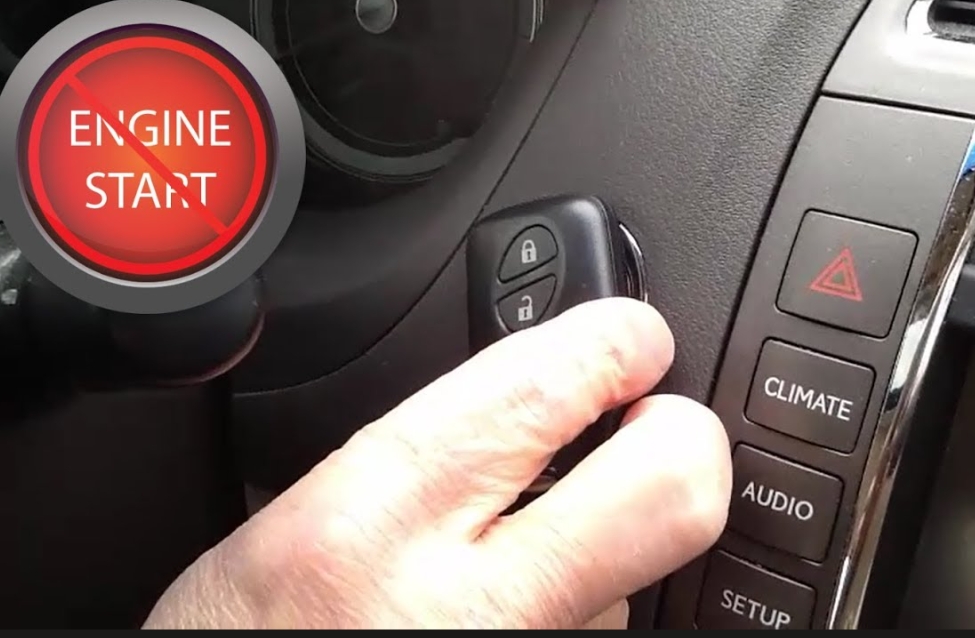
How to Start a Car Without Key: Safe Methods and Expert Tips
In automotive repair, a car that will not start without its key often has a simple cause. The key may be lost, the remote battery may be dead, or the vehicle may not recognize its electronic key. The safest way to start a car without its usual key is to use an authorized spare key, the manufacturer’s approved backup procedure, or professional automotive locksmith services. Modern cars use electronic security systems, so bypassing the ignition can cause costly damage or trigger an anti-theft lockout.
The right solution depends on the vehicle’s age and ignition design. Older cars often use a mechanical key, while newer models may use a transponder chip, push-button start, or a proximity sensor. Knowing how these systems work helps you choose the right fix without damaging the steering column, wiring, or engine control system.
This guide explains the tools, parts, safety measures, troubleshooting steps, and professional options that can help you get back on the road.
Essential Tools Required for This Job
The tools you need depend on why the car will not start. A dead remote battery calls for a different fix than a lost mechanical key or a faulty ignition switch.
Start with basic checks. Avoid tools that can force the ignition or defeat the vehicle’s anti-theft system.
Basic tools for safe key troubleshooting
A small flashlight helps you inspect the key slot, dashboard, and remote. A fresh battery of the correct type may restore a weak key fob, which is the small remote used to lock, unlock, or start a car.
A digital multimeter is a device that measures electrical voltage, current, and resistance. It can help a trained person check the vehicle’s 12-volt battery. Do not probe unknown ignition wires or security circuits.
Before buying anything, match the tools to your symptoms. The following checklist covers common situations and safe equipment choices.
| Situation | Useful tool or item | Main purpose |
|---|---|---|
| Weak key fob | Correct replacement battery | Restore remote functions |
| Lost key | Vehicle ownership documents | Verify ownership for key replacement |
| Weak car battery | Battery tester | Check battery condition |
| Push-button warning | Owner’s manual | Find the approved backup procedure |
| Damaged key | Spare key, if available | Check whether the key itself has failed |
| Steering wheel lock | Original key or authorized spare | Release the lock as designed |
Keep your owner’s manual close at hand, as it may describe an emergency key slot or a backup starting method. If the vehicle still refuses to start, stop before attempting electrical repairs.
When a diagnostic scanner can help
An OBD-II scanner is a tool that reads diagnostic information from a car’s onboard computer. OBD-II is a standard system used by many vehicles to report faults, but it does not provide a universal method for starting a car without a key.
A scanner may reveal a battery voltage issue or a stored fault related to an immobilizer, the electronic system that prevents unauthorized engine starting. However, many basic scanners cannot read manufacturer-specific security data.
The right scanner depends on the make, model, and year. Use a compatible device only for authorized diagnosis, and leave key programming to a qualified professional when specialist equipment is needed.
OEM and Replacement Parts Needed
OEM means original equipment manufacturer. An OEM key or part is made by the vehicle’s original manufacturer or supplied to its specifications. Aftermarket parts are produced by other companies and may offer a lower-cost alternative.
Choosing the correct replacement matters because a key may contain both a mechanical blade and an electronic chip. A blade that fits the lock does not necessarily contain the programmed code needed to authorize engine starting.
Choosing a replacement key or remote
Some vehicles use a simple mechanical key. Others use a transponder key, which contains a chip that communicates with the car’s security system. Smart keys add proximity detection and may support push-button starting.
A replacement must match the vehicle’s security system. A remote that looks identical to the original may still be incompatible or require professional programming.
Before ordering a replacement, confirm the vehicle identification number (VIN), which is the unique code assigned to the vehicle. Use the VIN only through an authorized dealer or locksmith, and do not share it publicly.
The correct replacement depends on the type of key and the work needed to make it function.
| Key type | Typical requirement | Important consideration |
|---|---|---|
| Mechanical key | Correctly cut blade | Must match the lock |
| Transponder key | Compatible chip and programming | Chip must be accepted by the security system |
| Remote key | Correct remote and pairing | Locking functions may need setup |
| Smart key | Compatible electronic key | May require specialist programming |
| Emergency blade | Correct physical cut | May unlock a door but not start the engine |
A replacement key may cost more if the original is lost and no spare exists. Some vehicles require security credentials or special programming tools, while others allow a simpler replacement process.
When replacement parts are not the answer
Do not replace the ignition switch simply because the key is missing. The switch may be working correctly, while the actual problem is a lost key, weak fob battery, or immobilizer fault.
Likewise, replacing the vehicle battery will not create a valid key. Diagnose the actual problem first to avoid paying for parts that do not solve it.
Crucial Safety Precautions to Take
A car’s starting system carries electrical power, and some components can be damaged by incorrect wiring. Security systems may also lock out further attempts after repeated failed key recognition.
Never attempt to start an unknown vehicle by cutting wires, forcing the ignition cylinder, or connecting random electrical terminals. These actions can cause a short circuit, fire, damaged control modules, or unintended vehicle movement.
Secure the vehicle before troubleshooting
Park on level ground, apply the parking brake, and select Park on an automatic transmission. For a manual transmission, select neutral and apply the parking brake firmly.
Keep people clear of the vehicle’s front and rear. If the car is in traffic or another unsafe place, prioritize getting to a safe location and calling roadside assistance.
Switch off accessories before checking the battery or key fob. Do not work near moving belts, fans, hot engine parts, or exposed wiring.
Understand the risks of bypassing security
The immobilizer checks whether the electronic key is authorized. Depending on the design, it may communicate with the engine computer or another control unit before allowing the engine to run.
Trying to defeat this system can damage expensive electronics. It may also leave the vehicle unable to start even after the original key is found.
The safest rule is simple: use a method approved for that vehicle, or ask a qualified automotive locksmith or repair technician to handle the security system.
The risks differ depending on the method being considered, as the comparison below illustrates.
| Attempted action | Main risk | Safer alternative |
|---|---|---|
| Forcing the ignition | Broken cylinder or steering lock | Professional key service |
| Cutting ignition wires | Short circuit or fire | Qualified electrical diagnosis |
| Using an unknown key | Lock damage or failed start | Correctly cut replacement |
| Repeated start attempts | Battery drain or security lockout | Pause and check the manual |
| Randomly replacing modules | High cost and new faults | Scan and diagnose first |
If you smell burning plastic, see smoke, or notice unusual heat around the steering column, stop immediately. Move away from the vehicle if there is a fire risk and contact emergency services when needed.
Step-by-Step Guide for Starting Without a Key
The first step is to identify the starting system and the reason the key is unavailable. A lost key, a dead remote battery, and a faulty push-button system need different solutions.
Follow these steps in order. They focus on authorized starting methods and simple checks rather than bypassing the vehicle’s security.
Step 1: Identify the ignition system
Look at the driver’s controls and consult the owner’s manual. Determine whether the car uses a traditional key, a transponder key, or a push-button start system.
This matters because a mechanical key may operate the door lock without authorizing the engine. A smart key may also have a hidden mechanical blade for entry, but that blade alone may not start the vehicle.
Step 2: Check for a spare key
A spare key is usually the fastest and least expensive solution. If it starts the vehicle, the original key may be damaged, lost, or no longer recognized.
If the spare also fails, the fault may lie with the car battery, ignition system, key reader, or immobilizer. Avoid assuming that both keys are faulty before checking the vehicle.
Step 3: Replace a weak key fob battery
If the remote no longer unlocks the doors or the dashboard reports that the key is not detected, its battery may be weak. Follow the manual to open the fob and fit the correct replacement battery.
Check the battery type, polarity, and fit. Do not force the case open, as small clips and electronic parts can break easily.
Step 4: Use the approved smart-key backup method
Many push-button vehicles provide a backup way to recognize a smart key when its battery is low. The location and procedure vary by model.
The manual may specify holding the fob near a marked area or using a designated backup reader. Follow the exact instructions for your vehicle rather than trying random positions.
Step 5: Check the vehicle’s 12-volt battery
A weak vehicle battery can prevent the dashboard, key reader, or starter from working correctly. Dim lights, clicking sounds, or a blank instrument panel can point to low voltage.
If you suspect a flat battery, use the manual’s approved battery-testing or jump-start procedure. A jump-start will not solve a lost-key problem or make an unprogrammed key valid.
Step 6: Contact an authorized key specialist
If the key is missing, damaged, or no longer recognized, contact a qualified automotive locksmith or the vehicle’s authorized service provider. They can verify ownership, cut a compatible key, and program it where required.
Give them the vehicle’s make, model, year, and a clear description of the symptoms. Ask whether their service includes key cutting, programming, and testing the immobilizer.
The following guide helps match common symptoms with a sensible next action.
| What you notice | Possible explanation | Recommended next step |
|---|---|---|
| Remote does not respond | Weak fob battery | Replace the battery correctly |
| Doors unlock, engine will not start | Key recognition or vehicle fault | Check the dashboard message |
| Dashboard remains dark | Weak vehicle battery or electrical fault | Arrange a battery test |
| Engine cranks but does not start | Fuel, ignition, or security fault | Request proper diagnosis |
| Key turns poorly in the lock | Worn key or damaged cylinder | Avoid force; seek repair |
| No key is available | Lost or stolen key | Arrange verified replacement |
A key that turns the engine over is not the same as a key that authorizes the engine to run. If the starter operates but the engine fails to fire, the cause may be unrelated to the missing key.
Common DIY Mistakes to Avoid
Many starting problems become more expensive because someone tries to force a quick fix. Modern vehicles rely on linked electrical and security components, so a small mistake can create several new faults.
Mistaking entry for engine authorization
Opening a door does not prove that a key can start the engine. A mechanical blade may unlock the door while the electronic chip remains absent or unrecognized.
Do not assume that a key is fully functional just because it fits the lock. Confirm whether it is the correct key type for the vehicle.
Ignoring warning messages
Messages such as “Key Not Detected” or “Immobilizer Active” provide useful clues. Their exact meaning depends on the vehicle, but they can point toward a recognition or security issue.
Record the message before switching the vehicle off. If a warning returns, share it with the technician instead of repeatedly trying to start the engine.
Replacing parts without testing
A new starter motor will not fix a missing transponder chip. A new car battery will not fix an incorrectly programmed smart key.
Testing first saves time and money. A technician can check the battery, key recognition, relevant fault codes, and starter operation before recommending parts.
Overlooking basic battery problems
Cold weather, long periods without driving, and aging batteries can reduce available power. A weak battery may make the car appear to have a key fault even when the key is working.
Check both the key fob battery and the vehicle’s 12-volt battery when symptoms support those checks. They are separate power sources and need separate tests.
Pro Mechanic Tips for Better Results
Good diagnosis starts with a clear description of what happens when you try to start the vehicle. The dashboard lights, sounds, and warning messages can narrow the list of possible faults.
Read the symptoms before choosing a fix
If the dashboard is completely dark, check the vehicle battery and its main power connections through a safe, approved procedure. If the dashboard works but reports a missing key, focus on key recognition and the manufacturer’s backup procedure.
If the engine cranks normally but does not run, the problem may involve fuel delivery, ignition, engine sensors, or the immobilizer. A cranking engine needs a different diagnosis from a starter that does not operate at all.
Know when a scan tool is useful
A scan tool can read stored diagnostic trouble codes, often called DTCs. These codes are clues that help a technician identify a fault; they do not always name the failed part.
Some basic scanners read engine codes only. Security-system diagnosis may require a more advanced tool that supports the specific vehicle.
The following examples show why fault codes must be interpreted alongside the symptoms.
| Diagnostic finding | What it may suggest | Best next action |
|---|---|---|
| Low-voltage fault | Weak battery or poor power supply | Test the battery and connections |
| Key recognition fault | Key, reader, or communication issue | Check compatible keys and security data |
| Starter circuit fault | Control or electrical issue | Test the starting circuit |
| No stored code | Fault may not be recorded | Continue symptom-based diagnosis |
| Multiple communication faults | Power or network problem | Check power supply before replacing modules |
Do not clear codes before recording them. Clearing stored information too early can remove clues that help explain an intermittent starting problem.
Protect the replacement key investment
Ask the locksmith or service provider to test the new key before completing the job. Confirm that it operates the intended locks and authorizes engine starting.
If the original key was stolen, ask whether the vehicle supports removing the missing key from its authorized-key list. This feature is not available in every model, but it can reduce the risk of unauthorized use.
Keep a working spare in a secure place. Replacing a lost key before an emergency is usually easier than arranging service when the car is stranded.
Frequently Asked Questions
Can you start a car with no key at all?
Yes, in some circumstances, but you need an authorized method. A spare key, a programmed replacement, or a manufacturer’s approved backup procedure may get the car running.
If every key is missing, a qualified automotive locksmith or service provider can assess the vehicle and arrange a replacement. Do not try to bypass the ignition or anti-theft system.
Can a dead key fob battery stop the car?
Yes, it can prevent a smart key from being detected in some vehicles. Many models provide a backup recognition procedure described in the owner’s manual.
Replacing the fob battery may restore normal operation. However, a dead fob battery and a dead vehicle battery are different problems.
Can you start a push-button car without its smart key?
Most push-button vehicles require a recognized smart key or another authorized starting method. Some offer an emergency recognition procedure for a weak fob battery.
If the smart key is lost completely, a compatible replacement may need to be programmed. Check the vehicle’s manual or contact a qualified specialist.
Will a metal key start every older car?
No. A mechanical key may turn the ignition on some older vehicles, but many vehicles also use an electronic transponder or immobilizer.
The key must match the lock and satisfy any security requirements. Never assume that a physically compatible key will authorize the engine.
Does jump-starting a car remove the need for a key?
No. Jump-starting supplies electrical power to a weak vehicle battery. It does not replace a missing key or authorize an unrecognized key.
If the battery is flat and the key is missing, both issues may need separate solutions.
What should you do if the car key is lost?
First, make sure the vehicle is secure. Check for a spare key, then contact a qualified automotive locksmith or authorized service provider.
Be prepared to verify ownership. If you suspect theft, secure the vehicle and ask about removing the missing key’s authorization if the vehicle supports it.
Is it safe to try hot-wiring a modern car?
No. Hot-wiring means attempting to start an engine by manipulating its electrical wiring instead of using the intended key system. It can cause short circuits, fires, and costly electronic damage.
Modern security systems are designed to prevent unauthorized starting. Use a verified replacement key or professional service instead.
Final Thoughts on Starting Your Car Safely
Learning how to start a car without key begins with understanding the vehicle’s ignition and security system. A weak fob battery may need a simple replacement, while a lost smart key may require cutting and electronic programming.
Start with the owner’s manual, check for a spare, and look for clear signs of a battery or key-recognition problem. Avoid forcing locks, cutting wires, or attempting to defeat the immobilizer.
If the key is missing or the car still refuses to start, a qualified automotive locksmith or authorized repair service is the safest choice. Keep a spare key ready for future emergencies, and store it somewhere secure.
The best solution is not to bypass the car’s security. It is to restore authorized access and identify the real cause of the starting problem.
One Comment