Full Coverage TPE Floor Mats Toyota Highlander: Complete Buying Guide
In automotive maintenance, keeping a vehicle’s interior clean is one of the simplest ways to protect its value. Full coverage TPE floor mats for the Toyota Highlander offer a practical way to guard the carpet against mud, water, dust, food spills, and daily wear. These mats use TPE, or thermoplastic elastomer, a flexible material that combines rubber-like grip with the shape retention of plastic. The best set fits the floor closely, covers key footwells, and holds dirt and liquid away from the original carpet.
Choosing the right mats takes more than picking a color or a low price. Model year, seat layout, floor shape, edge height, and driver safety all matter. A well-designed set can make cleaning faster and help the cabin stay neat through changing weather and busy family trips.
Side-by-Side Comparison of Floor Mat Options
Toyota Highlander owners can choose from carpet mats, basic rubber mats, and custom-fit TPE liners. Each type serves a different need. The right choice depends on how much dirt enters the cabin, how often passengers ride in the vehicle, and how much time you want to spend cleaning.
Carpet Mats Versus TPE Floor Liners
Carpet mats offer a soft feel and a factory-style look. They work well in a clean cabin, but they can soak up water and hold fine dust. Once wet, thick carpet mats may take a long time to dry.
TPE liners are easier to wipe clean. Their molded shape can also help contain mud and spills. For drivers who deal with wet shoes, pets, children, or outdoor gear, this added protection can be useful.
Basic Rubber Mats Versus Full Coverage Designs
Basic rubber mats often have a flat shape and limited coverage. They can catch loose dirt, but gaps may leave parts of the original carpet exposed.
Full coverage liners follow more of the floor’s shape. Raised edges and molded channels help keep water and debris inside the mat. The term “full coverage” can vary by seller, so check the actual coverage area before buying.
A useful starting point is to compare how each type handles daily mess, comfort, and cleaning effort.
| Feature | Carpet Mats | Basic Rubber Mats | Full Coverage TPE Liners |
| Water resistance | Low to moderate | High | High |
| Dirt containment | Moderate | Moderate | High |
| Cleaning effort | Moderate to high | Low | Low |
| Floor coverage | Varies | Often limited | Usually extensive |
| Surface feel | Soft | Firm | Flexible and firm |
| Custom fit | Model dependent | Sometimes | Often model specific |
Carpet mats may suit drivers who value a soft cabin feel above all else. Basic rubber mats offer simple, low-cost protection. Full coverage TPE liners are often the stronger choice when protecting the original carpet is the main goal.
Feature Differences That Matter When Buying
Not every TPE mat offers the same level of protection. Material quality, edge height, surface texture, and fit can vary from one product to another. Looking closely at these features helps you avoid buying a set that looks good in photos but performs poorly in daily use.
Material Quality and Flexibility
TPE should bend without feeling brittle or excessively thin. A quality liner should hold its molded shape while remaining flexible enough for removal and cleaning.
Some products may have a strong smell when first opened. This can vary with material formulation, packaging, and storage. Let new mats air out in a well-ventilated area before installation if needed.
Raised Edges and Spill Control
Raised edges form a shallow barrier around the mat. They help contain rainwater, melted snow, mud, and small spills.
The height alone does not tell the full story. The edge must also follow the floor’s shape without leaving large gaps. A tall edge that bends away from the carpet may offer less protection than a lower edge with a close fit.
Anti-Slip Backing and Retention Points
The underside may use textured surfaces, molded grips, or dedicated retention points. These features help keep the mat in place as passengers enter and leave.
Vehicle retention clips are attachment points designed to secure compatible mats to the floor. If your Highlander has factory mat anchors, the replacement should use matching attachment points where required.
Never rely on friction alone for the driver’s mat if the design calls for secure anchors.
| Feature to Check | Why It Matters | What to Look For |
| TPE thickness | Affects shape and feel | Firm but flexible construction |
| Raised edges | Helps contain spills | Edges that follow the floor |
| Molded channels | Directs loose dirt and water | Deep, well-defined grooves |
| Retention points | Reduces unwanted movement | Correct anchor compatibility |
| Surface texture | Supports grip and cleaning | Texture that does not trap dirt excessively |
| Rear coverage | Protects passenger footwells | Coverage suited to the seat layout |
A mat with several useful features is not automatically the best choice. The fit and driver-side safety matter more than a long list of marketing claims.
Real-World Driving Performance and Protection
Floor mats face different challenges depending on how a vehicle is used. A family SUV may carry wet shoes, snacks, sports equipment, and pet hair. A commuter vehicle may collect fine dust, road grit, and moisture from repeated entry and exit.
Daily Commuting and Stop-and-Go Traffic
Frequent stops mean passengers enter and leave the vehicle many times. Dirt can fall from shoes and collect around seat rails and footwells.
A molded TPE liner helps catch loose debris before it reaches the carpet. Textured channels can keep small amounts of dirt from spreading across the surface.
The driver-side mat needs special attention. It must stay flat and clear of the accelerator and brake pedals. Even a durable mat is unsuitable if it shifts during repeated pedal use.
Rain, Mud, and Wet Weather
Wet shoes can transfer water into the cabin within seconds. Carpet absorbs much of this moisture, which can lead to lingering dampness and unpleasant odors.
A well-fitted TPE liner acts as a barrier between the water and the carpet. After a wet trip, remove the liner when safe, empty any pooled water, and dry both the mat and the floor beneath it.
Family Trips and Outdoor Activities
Long trips often bring extra dirt from luggage, snacks, boots, and outdoor equipment. Full coverage liners can reduce the number of areas that need scrubbing after a busy weekend.
For pet owners, a liner may also help catch loose hair and dirt near the rear seating area. However, a floor mat is not a substitute for a suitable pet restraint or cargo barrier.
The main benefit is reduced cleanup time, not complete protection from every spill or impact.
Long-Term Reliability and TPE Mat Durability
TPE liners can last for years, but their service life depends on material quality, exposure, cleaning habits, and foot traffic. There is no single lifespan that applies to every product or vehicle.
Resistance to Water and Common Spills
TPE generally resists water well. This makes it useful for protecting carpet from rain, mud, and small liquid spills.
However, resistance to water does not mean a liner is completely leakproof under every condition. A poor fit, a damaged edge, or liquid flowing over the side can still expose the carpet.
Clean spills promptly, especially sugary drinks and other sticky liquids. They can leave residue that attracts dirt even when the mat itself is easy to wash.
Wear From Shoes and Heavy Use
The driver’s heel area usually experiences the most wear. Repeated friction can smooth the surface, weaken thin sections, or damage raised channels.
Inspect this area regularly. Replace a liner if it develops cracks, tears, permanent deformation, or a slippery worn patch that affects safe foot placement.
Heat, Cold, and Shape Retention
Temperature can affect how flexible a polymer material feels. Cold conditions may make some mats stiffer, while heat can soften certain formulations.
A quality liner should recover its intended shape after normal use. If a mat arrives curled from packaging, follow the seller’s approved method for flattening it. Do not use excessive heat, open flames, or harsh solvents.
Long-term durability depends on both the material and how well the liner fits the vehicle.
Maintenance and Cleaning Requirements for TPE Mats
One major advantage of TPE liners is simple maintenance. Most routine cleaning requires only basic supplies and a few minutes of work.
Weekly Cleaning for Everyday Dirt
Remove loose debris with a hand brush or vacuum. Lift the liner carefully so trapped dirt does not spill onto the carpet.
For light grime, use water and a mild soap that is safe for the material. Wipe the surface with a soft brush or cloth, then rinse away any remaining soap.
Dry the mat before reinstalling it. A wet underside can trap moisture against the carpet.
Deep Cleaning After Mud or Spills
For heavier dirt, remove the liner from the cabin and wash it in a suitable area. Use a soft brush to clean grooves and corners where grit may collect.
Avoid strong solvents, abrasive pads, and unapproved chemical cleaners. These may damage the surface or leave a slick residue.
Do not apply oily tire dressing or glossy interior products to the mat. A shiny finish can reduce traction where the driver places their feet.
| Maintenance Task | Suggested Frequency | Purpose |
| Remove loose dirt | Weekly or as needed | Prevents grit buildup |
| Wash with mild soap | When visibly dirty | Removes grime and residue |
| Inspect retention points | Monthly | Checks secure attachment |
| Check the driver footwell | Every few weeks | Detects movement or interference |
| Inspect for cracks and wear | Monthly | Identifies replacement needs |
| Dry the floor underneath | After wet use | Helps prevent trapped moisture |
These intervals are practical starting points, not fixed factory service requirements. Clean the mats more often if the vehicle regularly carries muddy footwear, pets, or wet equipment.
Comprehensive Pros and Cons of TPE Liners
TPE liners offer clear benefits, but they are not perfect for every driver. Consider the advantages and trade-offs before choosing a set.
Key Advantages for Everyday Owners
The biggest benefit is easier cleanup. Mud, water, sand, and loose debris remain on a removable surface instead of settling into the carpet.
Custom-shaped liners may also provide better coverage than universal mats. Their molded edges can help contain small spills, while flexible construction makes removal easier than handling some stiff plastic liners.
TPE mats are also useful for drivers who want a practical cabin without spending much time on interior detailing.
Potential Drawbacks to Consider
Some TPE mats cost more than basic rubber mats. The price may be justified by better fit and coverage, but the material name alone does not guarantee quality.
Poorly made liners may curl, shift, or leave gaps around the footwell. Some designs can also look more utilitarian than carpet mats.
Most importantly, a full coverage label does not guarantee complete coverage of every seating row or cargo area. Confirm what the set includes before ordering.
Balancing Price and Practical Value
A low purchase price may seem attractive, but a badly fitted mat can offer limited protection. A better set may reduce carpet cleaning and help preserve the interior’s appearance over time.
Compare the complete kit, including the driver mat, front passenger mat, rear liners, and any third-row pieces. Check the return policy if the fit does not match your vehicle.
| Buying Factor | Lower-Priority Option | Better Choice |
| Fit | Universal dimensions | Exact vehicle fitment |
| Driver retention | No matching anchors | Compatible secure attachments |
| Coverage | Small flat mats | Shaped liners for included rows |
| Material | Unclear specifications | Clearly described TPE construction |
| Cleaning | Deep grooves that trap grime | Channels that rinse clean |
| Product support | Unclear return terms | Clear fitment and return policy |
Value comes from the protection you actually receive. A modestly priced liner with accurate fit can be more useful than an expensive set with poor coverage.
Ultimate Buying Guide for Toyota Highlander Mats
The best buying decision starts with vehicle fitment. The Toyota Highlander has been sold in different model years and seating configurations, so mats designed for one version may not fit another version correctly.
Confirm the Exact Model Year
Check the vehicle’s model year before choosing a set. A model year is the manufacturer’s designated year for a vehicle version, and it may differ from the year the vehicle was purchased.
Compare the product listing against your exact Highlander year and trim. Do not assume that mats for every Highlander generation share the same floor shape.
Check Seating Layout and Floor Coverage
Some Highlander versions have different second-row arrangements or optional third-row seating. These differences can change the shape and number of mats needed.
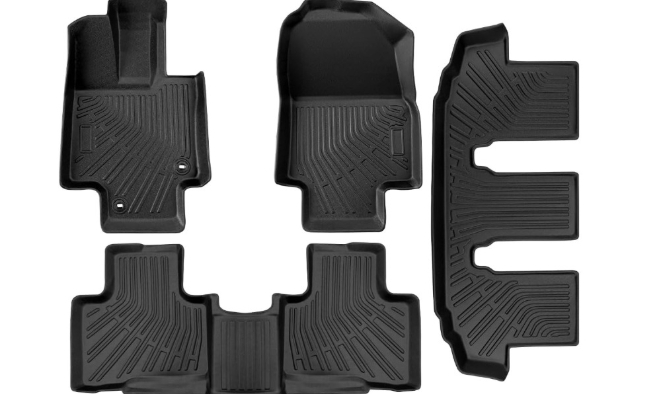
Review clear photos of the full kit. Confirm whether the package covers the first row, second row, third row, and any connecting floor areas.
If the product only covers the front and rear passenger areas, do not assume that a third-row liner is included.
Review Fitment, Returns, and Product Details
Look for detailed images of the driver footwell, seat rails, center floor area, and rear seating zone. The edges should follow the vehicle’s floor without blocking seat movement or covering important controls.
Read the fitment notes and return terms before purchase. If the listing does not clearly identify the model year or seating configuration, ask the seller to confirm compatibility.
A short fitment check can prevent the hassle of returning a complete set.
Frequently Asked Questions About TPE Floor Mats
The following answers cover common questions about full coverage TPE floor mats for the Toyota Highlander, including safety, cleaning, fit, and material choice.
Are TPE Mats Better Than Rubber Mats?
TPE mats often provide a useful balance of flexibility, molded shape, and easy cleaning. Basic rubber mats can also resist water and dirt well.
The better choice depends on the specific product. Fit, secure retention, edge design, and surface grip matter more than the material label alone.
Do Full Coverage Mats Protect the Original Carpet?
They can protect a large part of the carpet from dirt, water, and everyday wear. Raised edges and close-fitting shapes help contain messes.
However, protection depends on the design and installation. Gaps, overflowing liquid, and trapped moisture can still affect the original carpet.
Can I Use TPE Mats in Every Highlander Model Year?
No. Fitment can change between model years and seating layouts. Always select mats listed for your exact vehicle configuration.
If compatibility is unclear, confirm it before buying. A mat that does not fit properly may leave exposed carpet or interfere with safe pedal operation.
Are TPE Floor Mats Easy to Clean?
Yes. Most routine cleaning requires water, mild soap, and a soft brush or cloth.
Remove loose dirt first, rinse away soap, and let the mat dry fully. Avoid oily dressings and harsh chemicals that could affect grip or damage the surface.
Do TPE Mats Have a Strong Chemical Smell?
Some new mats may have an odor after being sealed in packaging. The intensity varies by product and material formulation.
Allow the mats to air out in a well-ventilated area. If a strong odor persists or causes irritation, stop using the product and contact the seller.
Can Full Coverage Mats Affect Driving Safety?
Yes, if they are poorly fitted or not secured correctly. A shifting mat can interfere with pedal movement and create a serious hazard.
Use the correct driver-side mat and compatible retention points. Never stack mats, and make sure the accelerator and brake pedals move freely before driving.
Should I Buy a Separate Third-Row Mat?
That depends on the kit and your vehicle’s seating layout. Some sets include third-row coverage, while others only protect the first two rows.
Check the package contents carefully. If third-row protection matters to you, choose a set that clearly includes a compatible liner for that area.
How Long Do Full Coverage TPE Mats Last?
There is no universal replacement interval. Service life depends on material quality, use, cleaning, and exposure to heat and cold.
Inspect the driver’s heel area and retention points regularly. Replace any mat that cracks, curls, shifts, or becomes unsafe to use.
Final Recommendation for Your Vehicle
Full coverage TPE floor mats for the Toyota Highlander are a practical option for drivers who want to protect their original carpet and simplify interior cleaning. Their water-resistant surface, molded channels, and raised edges can help manage daily dirt and moisture.
The most important step is to choose a set designed for the exact model year and seating layout. Check driver-side retention, pedal clearance, edge fit, and the coverage included in the package.
A good set should sit securely, clean easily, and protect the areas that receive the most foot traffic. With regular cleaning and basic inspections, the right liners can help keep your Highlander’s interior cleaner and more comfortable for years.