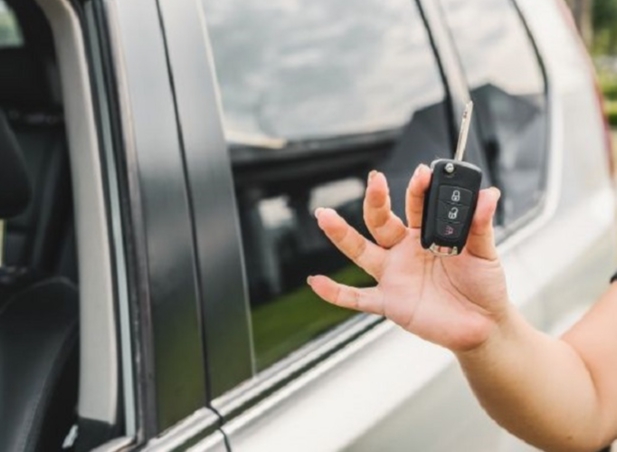
Lost My Only Car Key: Complete Replacement Guide
In my twenty years turning wrenches and programming security modules, few customer calls carry as much panic as someone stranded in a parking lot with no spare. When you say I lost my only car key, the fastest and cheapest solution is calling a mobile automotive locksmith to originate and program a new key on-site using your vehicle identification number. You do not need an original key to make a new one, and you almost never need to tow your car to a dealership.
Modern vehicles rely on complex digital handshakes before the fuel pump primes or the starter motor spins. Losing that single piece of metal and plastic locks down the engine computer completely. Understanding how technicians bypass this digital wall saves you hundreds of dollars and hours of waiting on a flatbed tow truck.
Essential Tools Required for This Job
Originating a key from scratch is called an All Keys Lost procedure in the automotive trade. It requires specialized mechanical and electronic gear to read lock depths and write new digital identification codes into the car computer.
| Tool Category | Specific Equipment | Primary Purpose |
| Diagnostic Gear | Bi-Directional OBD-II Scanner | Programs immobilizer memory |
| Lock Picking | Lishi 2-in-1 Pick and Decoder | Reads physical wafer depths |
| Electrical Support | 13.5-Volt Battery Maintainer | Prevents voltage drop during coding |
Professional locksmiths and diagnostic technicians carry tens of thousands of dollars in hardware inside their service vans. If you are tackling this on an older vehicle yourself, or watching a mobile technician work, you will see these exact tools come out of the toolbox.
Mechanical Decoding and Cutting Gear
A Lishi tool is a specialized flat metal instrument that slides directly into the door lock cylinder. It allows a technician to pick the lock open and read the exact height of each internal brass tumbler on a tiny engraved grid.
Once those heights are recorded, a computerized CNC key machine cuts a fresh metal blank to match your factory lock cylinder. CNC stands for Computer Numerical Control, meaning tiny motors guide the cutting wheel to within a fraction of a millimeter.
Electronic Programming Interfaces
Every car built since 1996 features an OBD-II port under the steering wheel. OBD-II stands for On-Board Diagnostics version two, which is the standardized 16-pin plug mechanics use to talk to your vehicle’s onboard computers.
To program a key without an existing working key, a standard code reader will not work. You need a bi-directional immobilizer tablet capable of sending security bypass commands into the Body Control Module, or BCM, which governs power locks, alarms, and interior electronics.
Voltage Stabilizers and Power Supplies
Programming a security computer takes anywhere from ten minutes to over an hour on certain European makes. During this window, the ignition circuit stays awake, drawing heavy electrical current from the battery without the alternator spinning to recharge it.
If battery voltage drops below 12.0 volts while the scanner is writing data, the memory chip inside the computer can corrupt permanently. Technicians clamp a stabilized power supply to the battery terminals to hold the system steady at 13.5 volts.
“Never attempt an all-keys-lost programming session without clamping a dedicated voltage maintainer to the battery first. A dead battery mid-flash turns a simple key job into a thousand-dollar fried computer.”
OEM and Replacement Parts Needed
Sourcing the exact right hardware is critical when replacing a missing key from scratch. Buying a cheap lookalike shell online often leads to programming failures because the internal radio transmitter does not match the vehicle receiver.
| Key Type | Average Part Cost | Security Technology Inside |
| Standard Metal Key | $5 to $20 | Mechanical brass cuts only |
| Transponder Chip Key | $40 to $95 | Passive RFID glass or carbon capsule |
| Proximity Smart Fob | $120 to $350 | Active radio board and emergency blade |
Modern keys fall into two main supply categories: OEM and aftermarket. OEM stands for Original Equipment Manufacturer, meaning the part was built by the exact factory that assembled your car. Aftermarket means a third-party company built a compatible replacement part to save you money.
High-Security Laser Cut Blades vs Standard Edge
Older vehicles use standard edge-cut keys with jagged teeth along one or both outer edges. These keys slide into traditional wafer locks and can be cut on almost any basic hardware store grinding wheel once you know the cut code.
Newer vehicles use sidewinder or laser-cut blades, which look like flat rectangular bars with a wavy groove milled down the center face. These thick blades resist forced rotation and require a high-speed vertical milling machine to carve the groove accurately.
Transponder Chips and Radio Frequencies
Inside the plastic head of almost every key made after 1998 sits a tiny transponder chip. A transponder is a wireless microchip that requires no battery of its own; it gets energized by a magnetic ring wrapped around your ignition lock cylinder.
When you turn the key, that ring—called an exciter coil—sends out a burst of electromagnetic energy. The chip absorbs that energy and beams back a secret alphanumeric password to the Engine Control Unit, or ECU, which is the main computer running the motor.
Smart Proximity Fobs and Emergency Inserts
Push-button start vehicles use proximity fobs that stay in your pocket while you drive. These fobs broadcast continuous low-frequency radio signals—typically at 315 MHz or 433 MHz—to multiple antennas hidden inside your doors, center console, and rear bumper.
Hidden inside every plastic smart fob is a removable mechanical emergency key blade. If your car battery dies in the freezing cold, you press a tiny release button on the fob to pull out this metal blade and unlock the driver door manually.
Crucial Safety Precautions to Take
Working around vehicle anti-theft systems requires strict security protocols and physical safety measures. Rushing into a locked car with makeshift tools causes expensive collateral damage to door frames, weatherstripping, and delicate wiring harnesses.
Protecting Side Impact Airbags in Doors
Many stranded drivers try to wedge open their door frame and slide a metal coat hanger down inside the window slot. Modern doors are packed with side-impact crash sensors, fragile fiber-optic cables, and pressurized airbag wiring wrapped in bright yellow insulation.
Snagging a yellow airbag wire with a metal hook can damage the connector or trigger a fault in the Supplemental Restraint System. Always unlock the car through the exterior keyhole using proper cylinder picks rather than fishing blindly inside the door cavity.
Securing Proof of Ownership and the VIN
Before any ethical locksmith or dealership cuts a key from scratch, they must verify that you legally own the vehicle. You will need a government photo ID along with your vehicle registration card or insurance policy showing your name and the VIN.
The VIN is the Vehicle Identification Number, a unique 17-character serial code stamped onto a metal plate visible through the bottom driver-side corner of the front windshield. If your registration is locked inside the glovebox, the technician will verify your ID first, pick the door open cleanly, and let you retrieve the paperwork before making the key.
Erasing Stolen or Missing Keys from Memory
If your key was dropped near your home or potentially stolen from a gym locker, simply adding a new key leaves your car vulnerable. Anyone who finds the old key could still walk up, press the unlock button, and drive away.
During the programming session, instruct the technician to perform a complete immobilizer memory wipe before coding the new replacements. This command changes the digital rolling code inside the car computer so the lost fob is permanently locked out from starting the engine.
Step-by-Step Lost My Only Car Key Guide
When I think I lost my only car key, I follow a strict mechanical sequence to get the vehicle unlocked, cut a fresh blade, and pair the electronics. Whether you are coordinating with a mobile technician or replacing an older mechanical ignition yourself, this is the exact workflow used in the field.
| Vehicle Generation | Primary Recovery Method | Average Time Required |
| Pre-1998 Mechanical | Decode door lock or swap cylinder | 20 to 35 minutes |
| 1998–2014 Transponder | Cut by VIN and OBD-II PIN flash | 30 to 60 minutes |
| 2015+ Push-Button Smart | Security gateway bypass and coding | 45 to 90 minutes |
Every vehicle generation handles key origination differently based on the complexity of its onboard network. Following these steps in order prevents triggering anti-theft lockouts that freeze the computer for hours.
Locating the VIN and Key Code Number
Walk to the driver-side lower corner of the windshield and write down all 17 characters of the VIN stamped on the dashboard plate. If the windshield glare makes it hard to read, open the driver door—once unlocked—and check the white certification sticker inside the door jamb.
With the VIN and proof of ownership in hand, a licensed technician or dealership parts counter queries the manufacturer database to pull your factory Key Code. This code is a short series of letters and numbers that tells a computerized key cutter the exact depth of every notch on your original key blade.
Decoding the Door Cylinder Mechanically
If the factory database does not have the key code for an older car, or if the locks were changed by a previous owner, the technician decodes the lock physically. First, spray a tiny mist of PTFE dry lubricant into the driver door keyhole to free up sticky brass wafers.
The technician inserts a Lishi decoder tool into the keyway and applies light rotational tension with a thumb lever. By gently lifting each internal spring-loaded wafer until it hits the shear line, the tool unlocks the door and displays the exact cut depths from position one through position eight.
Cutting the Test Blade and Checking Rotation
Before slicing into an expensive fifty-dollar transponder blank, smart technicians clamp a two-dollar brass test key into the cutting machine. The machine mills the notches based on the decoded numbers in less than two minutes.
Slide the newly cut test blade into the driver door lock and turn it left and right. If it turns smoothly without clicking or catching, walk to the steering column and test it in the ignition cylinder.
Sometimes the door lock only uses six of the eight cuts found in the ignition switch. This missing data is resolved using a progression software program call “fill,” which narrows down the remaining two cuts to just two or three mathematical possibilities.
Accessing the Immobilizer via OBD-II
Once the mechanical blade turns the ignition switch to the ON position, look at the instrument cluster. You will see a flashing red padlock, a blinking car icon with a key inside, or a message saying Immobilizer Active.
Connect the battery maintainer under the hood, then plug the bi-directional programmer cable into the 16-pin OBD-II port under the dash. The scanner powers up and communicates with the central computer over the CAN bus, which stands for Controller Area Network—the high-speed wiring backbone that lets all computers in the car talk to each other.
Entering the Security PIN and Pairing
To stop thieves from plugging in a scanner and driving off, carmakers lock the immobilizer behind a secret four-to-twelve-digit Security PIN. Modern locksmith tablets read this PIN directly out of the computer memory chip through the diagnostic cable.
Once the scanner unlocks security access, follow the on-screen prompts to select “All Keys Lost” rather than “Add a Key.” The computer wipes the old registered key IDs, energizes the copper induction ring around the ignition, and writes the new transponder chip’s unique serial number into non-volatile memory.
Replacing the Ignition Lock Cylinder on Older Cars
If you drive an older pre-transponder truck or sedan from the 1980s or early 1990s, you can fix a lost key yourself for thirty dollars by swapping the ignition lock cylinder. Buy a replacement cylinder kit with two pre-cut keys from your local auto parts store.
Disconnect the negative battery cable using a 10mm wrench so the horn does not blow and the battery does not drain. Remove the plastic steering column shroud by unscrewing the Phillips head bolts hidden underneath the tilt lever.
Most mechanical lock cylinders are held inside the aluminum column housing by a small spring-loaded retaining pin. Because you cannot turn the cylinder to the ACC position without the old key, you must carefully drill out the center of the brass keyway or drill directly through the small retaining pin using a 1/8-inch cobalt drill bit.
Once the retaining pin shears, slide the old cylinder straight out of the housing and vacuum away all brass metal shavings so they do not jam the steering lock pawl. Coat the nose of the new cylinder with white lithium dielectric grease, align the internal gear tooth, and click the new cylinder firmly into place.
Common DIY Mistakes to Avoid
Panic makes vehicle owners try shortcuts that turn a two-hundred-dollar key replacement into a fifteen-hundred-dollar electrical nightmare. Avoid these frequent shop tow-in disasters when trying to recover from a missing key.
| Common Mistake | Component Damaged | Average Cost to Fix |
| Drilling ignition blindly | Steering column housing & clockspring | $600 to $1,200 |
| Buying unverified web fobs | Wasted programming labor fee | $100 to $250 |
| Forcing screwdriver in lock | Sheared ignition wafer & actuator rod | $350 to $750 |
Every week in the bay, we see cars towed in because someone watched a three-minute online video and grabbed a hammer or power drill. Modern steering columns are packed with delicate sensors that cannot tolerate brute force.
Buying Cheap Locked Fobs Online
Many drivers try to save money by ordering a used OEM smart fob off an online auction site for twenty dollars. What the seller rarely mentions is that once a proximity fob is programmed to a specific VIN, its internal microchip locks permanently to that car.
When you hand a locked secondhand fob to a locksmith or dealer, their scanner will reject it immediately during the pairing cycle. You still have to pay the technician for their time and service call, and you end up buying a brand-new virgin fob anyway.
Drilling Modern Transponder Ignitions
Taking a drill to the ignition switch of a modern car does zero good and causes massive damage. Even if you destroy the mechanical tumblers and force the electrical switch to turn with pliers, the engine still will not start because the transponder antenna ring detects no microchip.
Worse yet, drilling through a modern ignition almost always destroys the fragile plastic exciter coil wrapped around the barrel and damages the clockspring inside the steering wheel. The clockspring is a wound ribbon cable that connects your horn and driver airbag to the steering column; tearing it disables your airbag and triggers a permanent dashboard fault.
Triggering Anti-Theft Lockout Timers
If you try to program a key yourself using a cheap dongle and enter the wrong security PIN code three times in a row, the car computer goes into lockdown mode. The ECU assumes someone is attempting to steal the vehicle and shuts down diagnostic communication completely.
To clear an active anti-theft penalty timer, you have to leave the driver door closed and the ignition switched to the ON position for thirty to sixty continuous minutes before the computer allows another login attempt.
“Treat the immobilizer computer like a bank vault. Try to brute-force the password or cycle the ignition switch rapidly with an unprogrammed metal key, and the module will lock you out completely.”
Pro Mechanic Tips for Better Results
After cutting thousands of emergency keys in freezing rain, snowstorms, and blazing asphalt parking lots, you learn how to prevent future lockouts and deal with quirky electrical systems. Use these field-tested habits to save money and protect your vehicle’s electronics.
| Vehicle System | Pro Prevention Habit | Long-Term Benefit |
| Immobilizer Memory | Always program two keys at once | Enables cheap DIY add-a-key later |
| Exterior Door Locks | Lubricate with PTFE spray yearly | Prevents seized wafers when fob dies |
| Smart Key Battery | Replace CR2032 cell every 18 months | Stops weak signal lockout errors |
Taking five extra minutes during your key replacement appointment sets your vehicle up for trouble-free starting in any weather. Ask your technician to perform these simple steps while their equipment is already connected.
Always Clone or Program a Second Key Immediately
When a locksmith or dealership hooks up their programming computer and unlocks your car’s security gateway, 90 percent of the labor cost is already spent just gaining access. Adding a second basic transponder key or spare fob during that exact same session usually costs just the price of the blank key.
Furthermore, many domestic vehicles allow you to program a third key yourself in thirty seconds for free—if and only if you already possess two working programmed keys. Walking away from a repair with only one working key puts you right back in the high-cost danger zone.
Handling Extreme Cold and Dead Fob Batteries
Lithium coin-cell batteries inside smart fobs lose significant voltage when temperatures drop below freezing due to slowed chemical reactions. If you walk out in winter and think your fob stopped working or lost its programming, do not panic.
Every push-button start vehicle has a hidden backup induction coil designed to read a completely dead fob. On some cars, you hold the plastic nose of the fob directly against the Start/Stop button while pushing it; on others, you drop the fob into a marked slot inside the center console cupholder so the emergency coil can energize the chip passively.
Dealing with EEPROM Chip Jobs on European Cars
Certain European luxury vehicles do not allow new keys to be programmed through the under-dash OBD-II port when all keys are lost. Instead, the security data is encrypted deep inside an EEPROM chip soldered onto the circuit board of the immobilizer module.
EEPROM stands for Electrically Erasable Programmable Read-Only Memory. Instead of towing the car to a dealership and waiting two weeks for a pre-coded key from overseas, look for an automotive locksmith who specializes in “bench EEPROM work.” They can unbolt the module from under your dashboard, read the microchip directly on a workbench inside their van, and build a working key in two hours.
Maintaining Your Mechanical Door Cylinder
Drivers with push-button start or remote keyless entry almost never insert a physical metal key into their exterior driver door lock. Over five or six winters, road salt, dust, and moisture creep past the little metal flap and corrode the brass tumblers solid.
Twice a year, pull the mechanical emergency blade out of your fob, spray a quick burst of synthetic PTFE dry lock lubricant into the door keyhole, and work the key in and out ten times. Never use graphite powder or heavy sticky grease in modern wafer locks, as they clump together with dust and gum up the tiny springs.
Frequently Asked Questions
Can a locksmith make a key without the original?
Yes, an automotive locksmith makes a brand-new key without needing an original to copy. They either pull your factory cut code using your VIN or insert a specialized decoding tool into your door lock to measure the internal tumbler heights and cut a fresh blade from scratch.
Is it cheaper to use a locksmith or a dealership?
Hiring a mobile automotive locksmith is almost always cheaper and faster than using a dealership. A locksmith drives directly to your parked car, saving you a $100 to $250 tow truck bill, and typically charges 20 to 40 percent less for parts and programming labor than a dealer service department.
How much does it cost to replace a lost car key?
Replacing a lost only car key costs between $120 and $250 for a standard transponder key, and between $250 and $600 for a high-security laser-cut smart proximity fob. Older pre-1998 mechanical metal keys without microchips cost $75 to $150 for a mobile locksmith to originate on-site.
Will my old car key still work if I find it later?
If the technician erased the immobilizer memory during the All Keys Lost procedure, your old key’s electronic chip and remote buttons will no longer start the engine. However, the physical metal blade on the old key will still manually turn the exterior door lock unless you rekey the mechanical cylinders.
Does auto insurance or roadside assistance cover lost keys?
Many comprehensive auto insurance policies and premium roadside assistance plans include key replacement coverage or lockout reimbursement between $50 and $400. Check your policy before calling a tow truck, as filing a small roadside claim rarely raises your monthly premium and can cover the mobile locksmith fee.
Final Thoughts on Completing This Job
Realizing that I lost my only car key feels overwhelming in the moment, especially when you are parked miles from home. Take a breath, write down your 17-character VIN from the lower windshield, and make sure you have your driver’s license and registration ready.
Skip the tow truck and call a reputable mobile automotive locksmith equipped with bi-directional programming tools and mechanical decoders. While they have your car computer unlocked, spend the extra forty dollars to have them cut and code a basic backup key so you never get stranded by a missing fob again.