Selling a Car With Check Engine Light On Is It Possible
Yes, you can sell a car with a check engine light on. Many buyers worry about a glowing engine warning light, but it does not always mean a major repair. Understanding what triggered the light and addressing minor issues can help you get a fair price. This guide walks you through every step of selling a car with check engine light on with confidence.
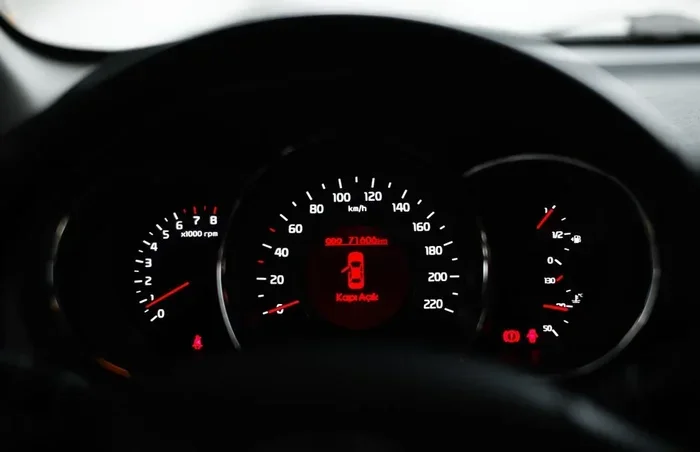
You are standing in your driveway. The car you want to sell sits there quietly. But right on the dashboard, a yellow engine-shaped icon glows. You wonder, can I actually sell this car?
The short answer is yes. Selling a car with check engine light on is absolutely possible. But the longer answer involves knowing what the light means, how to handle buyers, and what steps to take before you list the vehicle. Let us walk through it together.
A check engine light can trigger panic in any car owner. You might think the car is doomed. You might assume no one will buy it. But here is the truth. The light simply means the car’s computer has detected something unusual. Sometimes it is a loose gas cap. Sometimes it is a sensor glitch. And sometimes it is a real issue that needs attention. Either way, you have options.
Key Takeaways
- You can sell: A check engine light does not block a sale. Many buyers will still consider your car.
- Diagnosis is key: Use an OBD2 scanner to find the code and understand the problem.
- Minor fixes help: Small repairs can boost buyer trust and your asking price.
- Disclosure matters: Always be honest about the light and any known issues.
- Detailing helps: A clean car makes a better first impression, even with a warning light.
- Know your options: You can sell privately, to a dealer, or to a junkyard.
📑 Table of Contents
Understanding the Check Engine Light
The engine warning light is part of your car’s onboard diagnostics system. When something falls outside normal parameters, the system triggers the light. The car stores a diagnostic trouble code, or DTC, that points to the problem.
What Triggers the Light?
Many things can cause the check engine light to turn on. Here are the most common reasons:
- Loose or faulty gas cap: This is the simplest fix and the most common cause.
- Oxygen sensor failure: This sensor monitors unburned oxygen. A faulty one can reduce fuel economy.
- Catalytic converter issues: This is a more serious and expensive repair.
- Mass airflow sensor problems: This sensor measures the air entering the engine.
- Spark plug or ignition coil issues: These affect engine performance and smoothness.
- EVAP system leak: This relates to the fuel vapor recovery system.
Not all check engine light codes signal disaster. Some are minor. Some are temporary. The key is to find out exactly what the code means before you try to sell.
How to Read the Code
Grab an OBD2 scanner. These tools plug into your car’s diagnostic port. They read the stored engine trouble codes and tell you what is wrong. You can buy a basic scanner for under $30. Or you can visit an auto parts store. Many places will read the code for free.
Once you have the code, you can look up what it means. Free websites and apps make this easy. Write down the code and the description. This information will help you decide your next step.
Some dashboard warning lights are more urgent than others. A solid yellow light usually means a non-emergency issue. A flashing light often signals a more serious problem, like a misfire that could damage the catalytic converter. Know the difference before you list your car.
Should You Fix the Problem Before Selling?
This is the big question. And the answer depends on a few factors. Let us break it down.
When Fixing Makes Sense
If the repair is cheap and quick, fix it. A loose gas cap costs nothing. A new spark plug might run you under $20. These small fixes can turn a hesitant buyer into a confident one.
Also consider the car resale value. A car that passes a vehicle inspection will almost always sell faster and for more money. If a simple repair gets the light off, it is usually worth doing.
When Fixing May Not Be Worth It
If the repair costs several hundred dollars, you need to think carefully. A new catalytic converter can cost over $1,000. If the car has other issues too, spending big money on repairs may not pay off.
In these cases, selling the car as-is makes sense. Just be upfront about the condition. Honesty builds trust with buyers and protects you from legal issues later.
Quick Tips for Repair Decisions
- Get a repair estimate before you decide.
- Compare the repair cost to the expected price increase.
- Consider the age and overall condition of the car.
- Factor in how long you plan to keep the car if you do not sell.
Preparing the Car for Sale
Even with a check engine light on, you want the car to look and feel its best. First impressions matter a lot in car sales.
Get a Professional Detail
Clean the car inside and out. A professional car detailing service can make a huge difference. Clean carpets, shiny paint, and a fresh interior help buyers see past the warning light on the dash. If you are unsure whether detailing is worth the cost, check out our guide on is car detailing worth it to help you decide.
Gather Your Documents
Buyers will want to see paperwork. Have these ready:
- Vehicle title in your name
- Maintenance records and service history
- Diagnostic report from the OBD2 scan
- Vehicle history report from services like Carfax or AutoCheck
- Warranty information if any transfers with the sale
A complete paper trail shows the buyer you have taken care of the car. It also builds confidence even when the engine warning light is on.
Basic Maintenance Checklist
Before you list the car, handle these simple maintenance items:
- Check and top off all fluids: oil, coolant, brake fluid, and transmission fluid.
- Make sure the tires are properly inflated and have good tread.
- Test all lights: headlights, brake lights, and turn signals.
- Replace worn wiper blades.
- Check the battery for corrosion and test its charge.
If you have not changed the oil recently, now is a good time. Fresh oil signals that you have cared for the engine. For a quick guide on this, see our article on how to change oil in car.
How to Sell a Car With the Light On
Now that the car is ready, let us talk about the actual sale. You have several paths to choose from.
Sell Privately
Selling privately usually gets you the most money. You set the price. You talk directly with buyers. But you also need to manage the process yourself.
When listing the car, be upfront about the check engine light. Tell the buyer what the code is and what you know about the issue. Include the diagnostic report. This honesty sets you apart from sellers who hide problems.
Sell to a Dealer
Dealers will buy cars with engine trouble codes. But they will lowball you. They need to factor in the cost of repair and the risk of the problem. Expect to get less than you would from a private sale.
Still, selling to a dealer is fast and convenient. You do not need to worry about test drives, negotiations, or paperwork. If speed matters more than price, this is a solid option.
Sell to a Junkyard or Salvage Yard
If the car has serious issues, a junkyard might be your best bet. They pay for scrap metal and parts. The check engine light does not matter much here. You will not get much money, but you will get rid of the car quickly.
Sell to a Cash-for-Cars Service
Several companies buy cars in any condition. They handle the paperwork and towing. The price is usually lower than a private sale, but higher than a junkyard. This is a good middle-ground option.
What Buyers Will Think
Let us be honest. Most buyers hesitate when they see a check engine light. It raises red flags. It makes them wonder about hidden problems. But how you handle the situation changes everything.
A buyer who sees a car with a glowing light and no explanation will walk away. But a buyer who sees a car with a clear diagnostic report and an honest seller will stay. Transparency is your best tool.
Some buyers actually look for cars with check engine lights because they are cheap. These buyers are often mechanics or DIY enthusiasts. They know how to fix the problem and want a good deal. You can find these buyers on online marketplaces and local classifieds.
If you want to build even more trust, consider getting a pre-purchase inspection from a trusted mechanic. A third-party inspection report shows the buyer you have nothing to hide. It also gives you a professional opinion on the car’s condition.
Common Mistakes to Avoid
- Hiding the check engine light: Deception will backfire. The buyer will find out, and trust will be gone.
- Guessing about the problem: Do not say “I think it is the oxygen sensor” if you are not sure. Stick to the actual diagnostic code.
- Overpricing the car: A car with a known issue should be priced fairly. Check comparable listings for similar vehicles.
- Skipping the diagnostic scan: Never list the car without knowing what the code means. Buyers will ask, and you need an answer.
- Ignoring the problem entirely: Even if you sell as-is, knowing the issue helps you set expectations and avoid legal trouble.
Expert Insights
From years of experience in the automotive industry, here is what the experts say about selling a car with check engine light on:
“The check engine light is not a dealbreaker. It is a conversation starter. The sellers who do best are the ones who walk in with a diagnostic report and a plan,” says Mark Thompson, a certified automotive technician with over 15 years of experience.
Another expert, Sarah Lin, a used car dealer in Austin, Texas, adds, “We buy cars with check engine lights every week. The ones that sell fastest are the ones where the seller already knows the code and has a clear explanation.”
The takeaway is clear. Knowledge is power. The more you know about your car’s condition, the better position you are in to sell it.
Also, keep in mind that a check engine light does not always mean the car is unsafe to drive. Many people drive for months with the light on. The car may run fine. It may just need a $15 sensor. Do not assume the worst. Do your homework, get the facts, and present them clearly to any potential buyer.
One more thing to keep in mind: some states require a car to pass an emission test before it can be sold or registered. Check your local laws. If your car fails the emission test because of the check engine light, you may need to fix the issue before the sale can be completed. This is an important step that many sellers overlook.
If you are dealing with other car issues alongside the check engine light, remember that every problem has a solution. Whether it is a dashboard warning or a starting issue, understanding the root cause puts you in control. For instance, if you ever face a situation where you need to know how to start a car without a key, our guide on how to start a car without key safe methods and expert tips can help you out.
Final Thoughts
Selling a car with check engine light on is not only possible, it is something thousands of people do every day. The key is preparation. Know what the light means. Fix what you can. Be honest about what you cannot fix. And present the car in the best possible light, both literally and figuratively.
A glowing engine warning light does not define your car’s worth. How you handle the situation does. With the right approach, you can sell your car confidently and get a fair price. So do not let that yellow icon on your dash stop you. Take action, stay informed, and move forward with your sale.
Remember, every car has a story. Yours does not have to be a bad one just because a light is on. Make it a story of honesty, preparation, and a smart sale.
Frequently Asked Questions
Can I sell a car with the check engine light on?
Yes, absolutely. Many buyers purchase cars with a check engine light on. The key is to be upfront about the issue and provide a diagnostic report. Honesty goes a long way in building buyer trust.
How much does it cost to fix a check engine light?
The cost varies widely. A loose gas cap costs nothing to fix. A faulty oxygen sensor might run $100 to $200. More serious issues like a catalytic converter can cost over $1,000. Get a proper diagnostic trouble code reading first to know what you are dealing with.
Will a car with a check engine light pass inspection?
It depends on your state and the severity of the issue. Some states will fail a vehicle inspection if the check engine light is on. Others allow it as long as the light is not flashing. Check your local emission test requirements before listing the car for sale.
Should I reset the check engine light before selling?
No. Resetting the light without fixing the underlying problem is not recommended. The code will usually return, and a buyer may use their own scanner to verify. This can damage your credibility. Always address the real issue or disclose it clearly.
Can I drive a car with the check engine light on?
In most cases, yes. A solid yellow engine warning light usually indicates a non-emergency issue. However, if the light is flashing, it often signals a more serious problem like an engine misfire. In that case, have the car towed to a mechanic.
What is the best way to find the check engine light code?
The best way is to use an OBD2 scanner. You can buy one for under $30 or borrow one from an auto parts store. Plug it into the diagnostic port under your steering column, and it will read the stored engine trouble codes. Many local shops will also read the code for free.
=== CONCLUSION ===
Selling a car with check engine light on is entirely doable when you approach it the right way. The check engine light is not the end of your sale journey. It is simply a starting point for an honest conversation with your buyer.
Get the diagnostic code. Understand the problem. Decide whether to fix it or sell as-is. Prepare the car inside and out. Gather your documents. And most importantly, be transparent. These steps put you in a strong position to sell your car quickly and fairly.
Every vehicle inspection, every honest disclosure, and every small repair you make adds up. They build confidence. They show you are a seller worth trusting. So do not let that little yellow light scare you off. Take control of the situation, and you will be surprised how smoothly the sale can go.