2014 Nissan Rogue SL AWD Chassis Control System Error
2014 Nissan Rogue SL AWD Chassis Control System Error is a dashboard warning that signals a problem with your all-wheel drive and stability systems. This guide covers the top causes, symptoms, and step-by-step fixes you can do at home. You’ll also learn when a professional repair is needed to avoid costly damage.
If you drive a 2014 Nissan Rogue SL AWD, you know the confidence that comes with all-wheel drive traction. But a sudden warning light can shake your confidence. The 2014 Nissan Rogue SL AWD Chassis Control System Error is one of the most common alerts owners face. This error indicates a fault in the chassis control module, which manages your vehicle’s stability, traction, and ABS systems. Understanding what triggers this warning can save you time, money, and stress.
In this guide, we’ll break down the causes, symptoms, and proven fixes for the chassis control system error. Whether you’re a DIYer or prefer a shop, you’ll find practical steps to get your Rogue back to smooth, safe driving. Let’s dive in.
Key Takeaways
- Common Culprit: Dirty or failing wheel speed sensors trigger the chassis control error in the 2014 Nissan Rogue SL AWD.
- DIY Reset: A simple reset procedure after fixing the root cause often clears the warning light.
- Electrical Issues: Corroded connectors and low battery voltage can mimic sensor failures.
- Driving Safety: Ignoring the error may disable stability control and ABS, increasing accident risk.
- Cost Range: Sensor replacements are affordable, while wiring repairs or module replacements can be pricier.
- Prevention: Regular maintenance and battery checks help prevent future chassis control system errors.
📑 Table of Contents
- What Does the Chassis Control System Do?
- Common Causes of the 2014 Nissan Rogue SL AWD Chassis Control System Error
- Symptoms That Point to a Chassis Control Error
- How to Diagnose the Error Yourself
- Step-by-Step Fixes and Reset Procedures
- Common Causes and Repair Costs
- Preventive Maintenance Tips to Avoid Future Errors
- When to Seek Professional Help
- Conclusion
What Does the Chassis Control System Do?
The chassis control system is the brain behind your vehicle’s stability and traction features. It constantly monitors wheel speed, steering angle, and yaw rate. When it detects a mismatch, it adjusts power or applies brakes to keep you safe.
The Role of the Chassis Control Module
The chassis control module receives data from multiple sensors. It then sends commands to the ABS pump and all-wheel drive system. If a sensor sends bad data, the module triggers the dashboard warning light. This protects you from potential loss of control.
How All-Wheel Drive and Stability Control Work Together
Your 2014 Nissan Rogue SL AWD uses the chassis control system to distribute power between the front and rear wheels. When the system detects wheel slip, it can send more power to the wheels with grip. Stability control works hand-in-hand with traction control to keep the vehicle on its intended path. A fault in any part of this network can cause the chassis control error.
Common Causes of the 2014 Nissan Rogue SL AWD Chassis Control System Error
Several issues can trigger the 2014 Nissan Rogue SL AWD Chassis Control System Error. Here are the most frequent culprits.
Faulty Wheel Speed Sensors
Wheel speed sensors monitor how fast each wheel spins. Dirt, metal debris, or wear can cause them to send incorrect signals. When the chassis control module sees inconsistent readings, it logs a fault code and illuminates the warning light. This is the number one cause of the error in the Rogue SL AWD.
Yaw Rate Sensor Malfunction
The yaw rate sensor measures how quickly your car rotates around its vertical axis. A failing sensor can send erratic data, making the system think the car is sliding. This often happens after a battery disconnect or a minor collision. Replacing the sensor usually resolves the issue.
Steering Angle Sensor Calibration Issues
The steering angle sensor tells the system how much you’re turning the wheel. If it’s out of calibration, the chassis control system can’t properly assist with stability. A simple recalibration with a diagnostic tool often fixes this. Common triggers include hitting a pothole or replacing the steering column.
Wiring Harness and Connector Problems
Corroded or damaged wiring can interrupt the sensor signals. The Rogue’s undercarriage is exposed to road salt and moisture, which accelerates corrosion. A frayed harness near the rear differential or under the rear seats can cause intermittent errors. Visual inspection and wiggle testing often reveal the problem.
Low Battery Voltage or Electrical Gremlins
The chassis control module needs a stable power supply. A weak battery or a failing alternator can cause voltage drops that mimic sensor failures. Before replacing expensive parts, always check the battery voltage and ground connections. A simple battery test can save you hundreds of dollars.
Symptoms That Point to a Chassis Control Error
Knowing what to look for helps you act quickly. Here are the most common symptoms.
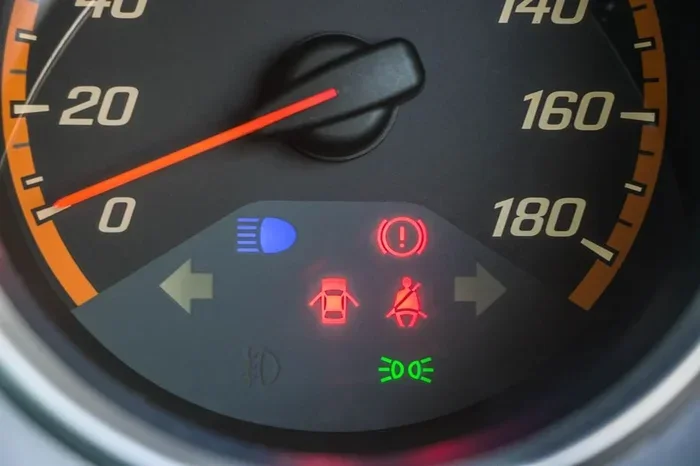
- Dashboard Warning Light: The main chassis control warning light illuminates on the instrument cluster. It may flash or stay solid.
- ABS or Traction Control Light: These related lights often come on together. Your ABS may not engage during emergency stops.
- Stability Control Disabled: The vehicle may display a message that stability control is not available.
- Unusual Driving Feel: You might notice the car pulling to one side or a lack of traction on wet roads.
- Check Engine Light: In some cases, the check engine light also appears alongside the chassis error.
How to Diagnose the Error Yourself
You don’t need to be a mechanic to start diagnosing the 2014 Nissan Rogue SL AWD Chassis Control System Error. A few simple steps can narrow down the cause.
Using an OBD-II Scanner
Plug an OBD-II scanner into the diagnostic port under your dashboard. The scanner will read fault codes stored in the chassis control module. Common codes include C0035 (left front wheel speed sensor), C0040 (right front), or C0045 (rear left). Write down all codes. These codes point you directly to the faulty sensor or circuit.
Checking Sensors and Wiring
Once you have the fault code, inspect the related sensor. For wheel speed sensors, check for metal buildup on the sensor tip. Clean it with a wire brush. Inspect the wiring harness for chafing or breaks. Use a multimeter to check sensor resistance if you’re comfortable. Compare readings to the factory service manual specs.
Visual Inspection of Connectors
Unplug and inspect the connectors at each sensor. Look for green corrosion or bent pins. Clean with electrical contact cleaner and re-seat firmly. A loose connector is a surprisingly common cause of intermittent errors.
Step-by-Step Fixes and Reset Procedures
After identifying the root cause, you can apply the fix. Here’s a step-by-step approach.
Resetting the System After Repair
Once you’ve replaced a sensor or repaired wiring, you need to clear the fault codes. Use your OBD-II scanner to erase the codes. Start the engine and let it idle for a few minutes. Drive the vehicle at moderate speeds for a few miles. The chassis control system will relearn the sensor data. If the warning light stays off, the repair was successful.
Replacing a Faulty Wheel Speed Sensor
Replacing a wheel speed sensor is one of the easiest fixes. The sensor is usually located near the rear differential or at each wheel hub. Unplug the electrical connector, remove the single bolt, and pull the sensor out. Clean the mounting surface, install the new sensor, and reconnect. This repair typically costs between $150 and $300 for parts and labor.
Repairing Wiring and Connectors
If you find damaged wiring, repair it with soldered connections and heat-shrink tubing. Avoid using twist-and-tape connections. For corroded connectors, cut them out and install new pigtail connectors. Always use dielectric grease on sensor connectors to prevent future corrosion.
When a New Battery Solves the Problem
If the error appeared after a battery died or you jump-started the car, the chassis control module may need a reset. Disconnect the negative battery terminal for 15 minutes. Reconnect it and let the system reinitialize. This often clears the error if the battery was the root cause.
Common Causes and Repair Costs
Understanding the cost range helps you budget for the repair. Here’s a comparison of common causes and their typical repair costs.
| Cause | Part Cost | Labor Cost | Total Estimate |
|---|---|---|---|
| Wheel Speed Sensor Replacement | $50 – $120 | $50 – $100 | $100 – $220 |
| Yaw Rate Sensor Replacement | $120 – $250 | $100 – $200 | $220 – $450 |
| Steering Angle Sensor Calibration | $0 (no part) | $80 – $150 | $80 – $150 |
| Wiring Harness Repair | $20 – $60 | $100 – $250 | $120 – $310 |
| Chassis Control Module Replacement | $300 – $600 | $150 – $300 | $450 – $900 |
These estimates vary by location and shop rates. Always get a detailed quote before authorizing repairs. The chassis control system error is often a simple sensor fix, but ignoring it can lead to more complex issues.
Preventive Maintenance Tips to Avoid Future Errors
Regular maintenance keeps your chassis control system healthy. Follow these tips to reduce the chance of future errors.
- Keep Sensors Clean: Mud and road salt can build up on wheel speed sensors. Rinse your undercarriage regularly, especially in winter.
- Check Battery Health: Test your battery every six months. A weak battery can cause voltage drops that trigger the error.
- Inspect Wiring Harnesses: Look for chafed wires under the vehicle and behind the rear seats. Fix small issues before they become big problems.
- Use Quality Parts: When replacing sensors, use OEM or high-quality aftermarket parts. Cheap sensors fail quickly and can cause repeat errors.
- Stay on Top of Service Intervals: Follow the Nissan service manual for scheduled maintenance. Regular diagnostics can catch small faults early.
When to Seek Professional Help
Some repairs are straightforward, but others need a professional touch. Here’s when to visit a shop.
Persistent Error After DIY Fixes
If you’ve replaced a sensor and the warning light returns, the problem may be deeper. A damaged wiring harness or a faulty chassis control module could be the real issue. A professional diagnostic scan can pinpoint the exact cause. Don’t keep swapping parts blindly.
Cost Considerations for Chassis Control Repairs
While a sensor replacement is affordable, a chassis control module replacement can be expensive. The module itself costs several hundred dollars, plus programming and installation. If your vehicle is older, weigh the repair cost against the car’s value. Sometimes a used module from a salvage yard offers a budget-friendly solution.
Safety First
If the error is accompanied by a complete loss of power steering, braking issues, or the vehicle entering limp mode, stop driving and have it towed. Driving with a disabled chassis control system can be dangerous, especially in rain or snow.
Conclusion
The 2014 Nissan Rogue SL AWD Chassis Control System Error is a common but manageable issue. By understanding the causes and symptoms, you can take action before the problem worsens. Most fixes involve cleaning or replacing a sensor, resetting the system, and verifying the repair with a diagnostic scan. Regular maintenance and prompt attention to warning lights keep your Rogue running safely and reliably. Don’t ignore the chassis control warning—address it early and enjoy peace of mind on the road.
Frequently Asked Questions
What does the chassis control system error mean on a 2014 Nissan Rogue SL AWD?
It means the vehicle’s stability and traction control system has detected a fault. The chassis control module has logged a fault code and turned on the warning light. Common causes include dirty wheel speed sensors, a failing yaw rate sensor, or wiring issues.
Can I drive my 2014 Nissan Rogue SL with the chassis control error light on?
You can drive short distances carefully, but the stability control and ABS may be disabled. This increases your risk of losing control in slippery conditions. Have the vehicle diagnosed and repaired as soon as possible.
How do I reset the chassis control system error on a Nissan Rogue SL?
After fixing the root cause, use an OBD-II scanner to clear the fault codes. Then disconnect the negative battery terminal for 15 minutes to fully reset the system. Drive the vehicle for a few miles to allow the module to relearn sensor data.
How much does it cost to fix the chassis control system error on a 2014 Nissan Rogue SL AWD?
Costs range from about $100 for a wheel speed sensor replacement to $900 for a chassis control module replacement. Most common fixes fall between $100 and $300. Always get a detailed estimate before authorizing work.
What is the most common cause of the chassis control error in the 2014 Nissan Rogue SL?
The most common cause is a dirty or failing wheel speed sensor. Road grime and metal debris build up on the sensor tip, causing erratic readings. Cleaning or replacing the sensor usually clears the error.
Can a low battery cause the chassis control system error?
Yes, a weak battery or a failing alternator can cause voltage drops that trigger the error. The chassis control module needs a stable power supply. Testing the battery and charging system is a smart first step before replacing sensors.