Why Your Car Battery Keeps Dying in Cold Weather
Your car battery dies in cold weather because low temperatures slow down the chemical reactions inside the battery, making it harder to hold a charge. Old batteries, corroded terminals, and parasitic draws make the problem even worse. In this guide, you will learn the top reasons your battery fails in winter and the simple steps you can take to prevent it from happening again.
There is nothing more frustrating than walking out to your car on a freezing morning and turning the key only to hear a weak click. Your car battery dies in cold weather more often than you might think. In fact, cold weather is the number one killer of car batteries across the country. If you have ever been stranded because of a dead battery in winter, you are not alone. Millions of drivers face this exact problem every year.
The good news is that you can do something about it. Understanding why your car battery dies in cold weather is the first step toward preventing it. This guide breaks down every major cause in plain language. You will also find practical tips to keep your battery strong all winter long. Whether your battery is old or new, this article has the answers you need.
Let us start by looking at what cold weather actually does to your battery. Once you understand the science, the rest will make perfect sense.
Key Takeaways
- Cold temperatures reduce battery capacity: Your battery loses up to 35% of its power at freezing point.
- Old batteries struggle the most: Batteries over three years old are far more vulnerable to cold weather failure.
- Corrosion and dirty terminals block power: A simple cleaning can restore strong connections.
- Parasitic draws drain your battery overnight: Small electrical loads can kill a weak battery by morning.
- Smart charging and storage make a big difference: Using a battery maintainer keeps your battery ready for winter.
- Knowing how to jump start safely saves time: If your car won’t start, a proper jump start can get you back on the road.
- Regular winter maintenance prevents surprises: A few simple checks before the freeze can save you from a dead battery.
📑 Table of Contents
- Why Cold Weather Kills Car Batteries
- Common Reasons Your Battery Keeps Dying in Winter
- How to Prevent Your Battery From Dying in Cold Weather
- What To Do When Your Battery Dies in the Cold
- When Should You Replace Your Battery?
- Expert Tips for Winter Battery Care
- Final Thoughts on Cold Weather Battery Care
Why Cold Weather Kills Car Batteries
Cold weather does not just make your battery cold. It actually changes how your battery works on a chemical level. Inside every car battery, there is a mixture of chemicals that create electrical energy. When the temperature drops, these chemicals slow down. That means your battery produces less power than it can on a warm day.
The Science Behind Cold Weather Battery Failure
At 32 degrees Fahrenheit, a fully charged battery loses about 35% of its cranking power. At zero degrees, that number jumps even higher. Cold cranking amps, which measure how much power a battery can deliver at freezing, drop significantly in low temperatures. If your battery is already weak, cold weather pushes it over the edge.
Think of it like this. Your battery is like a cup of hot coffee. On a warm day, the coffee stays hot for a while. But on a freezing morning, the coffee cools down fast. Your battery works the same way. The colder it gets, the harder it has to work just to produce the same amount of energy.
How Temperature Affects Battery Fluid
Car batteries contain a liquid electrolyte solution. In cold weather, this fluid can thicken. When the fluid thickens, it does not move as easily inside the battery. This slows down the chemical reaction that creates electricity. In extreme cases, the fluid can even freeze, which can crack the battery case and cause permanent damage.
This is especially true for batteries that are not fully charged. A fully charged battery has a lower chance of freezing than a weak one. So keeping your battery charged is one of the best ways to protect it during winter.
Common Reasons Your Battery Keeps Dying in Winter
Cold weather alone does not always kill a battery. Often, there are other factors at play. Here are the most common reasons your car battery dies in cold weather over and over again.
1. Your Battery Is Old and Weak
The average car battery lasts between three and five years. If yours is older than three years, it is already working harder than it should. Cold weather makes an old battery even weaker. If you have not tested your battery in a while, now is the time. Many auto parts stores offer free battery testing. It takes just a few minutes and can save you a lot of trouble.
2. Corroded or Dirty Battery Terminals
Take a look at your battery terminals. Do you see a white, bluish, or greenish buildup? That is corrosion. Corrosion creates a barrier between the battery and the cables. Even a small amount of corrosion can reduce the flow of electricity. In cold weather, this problem gets worse because moisture in the air adds to the buildup.
Cleaning your terminals is easy. You can use a baking soda and water solution with an old toothbrush. Just make sure you disconnect the battery before cleaning. This simple step can restore a strong connection and improve your battery’s performance.
3. Parasitic Draws Drain Your Battery Overnight
Even when your car is turned off, some electrical components still draw power. This is called a parasitic draw. Your clock, alarm system, and onboard computer all use a small amount of electricity. On their own, these draws are normal. But if something is drawing too much power, it can drain your battery overnight.
Common culprits include:
- Interior lights left on
- Faulty door switches
- Aftermarket accessories like dash cams
- USB chargers left plugged in
- Defective relays or fuses
If you wake up to a dead battery often, a parasitic draw could be the cause. You can have a mechanic test your car for parasitic draws. It is a quick and inexpensive fix.
4. Your Alternator Is Not Charging Properly
Your alternator charges your battery while you drive. If the alternator is failing, your battery never gets fully recharged. Then cold weather hits, and your weak battery gives up. Signs of a bad alternator include dim headlights, a dashboard warning light, or a grinding noise from the engine bay.
If you notice any of these signs, get your alternator checked right away. Replacing an alternator is much cheaper than replacing a battery that was damaged by undercharging.
5. You Are Not Driving Enough
Short trips are actually tough on your battery. When you drive for only a few minutes, the alternator does not have enough time to fully recharge the battery. Over days and weeks, this adds up. In cold weather, the battery needs more power to start the car, but it is not getting fully charged. This cycle can wear out your battery faster than normal.
If you only use your car for short errands, consider taking a longer drive once a week. This gives the alternator time to recharge the battery fully.
How to Prevent Your Battery From Dying in Cold Weather
The best way to deal with a dead battery is to stop it from happening in the first place. Here are the most effective steps you can take to protect your battery during winter.
1. Get Your Battery Tested Before Winter
Do not wait until the first cold snap. Have your battery tested in early fall before the temperatures drop. A simple load test tells you exactly how much life your battery has left. If the test shows your battery is weak, replace it before winter arrives. A new battery costs far less than a towing bill.
2. Use a Battery Maintainer or Trickle Charger
If you park your car for long periods, a battery maintainer is a lifesaver. This device plugs into a wall outlet and connects to your battery. It delivers a small, steady charge to keep your battery at full power. You can find affordable models at most auto parts stores or online.
Using a battery maintainer is especially helpful if you drive infrequently or if your car sits in a garage that is not heated. It keeps the battery health stable all winter long.
3. Keep Your Battery Clean and Secure
Check your battery terminals regularly. Clean off any corrosion with a wire brush or a baking soda solution. Make sure the battery is tightly secured in its tray. Vibrations from driving can loosen a weak battery and cause internal damage. A simple strap or clamp can prevent this problem.
4. Limit Short Trips When Possible
Your alternator needs time to recharge your battery. Short trips around the block are not enough. Try to combine errands into one longer drive when you can. This gives your battery the time it needs to recover from the extra power demands of cold starts.
5. Park in a Garage or Warm Spot
Cold air is the enemy of your battery. If you have a garage, use it. Parking in a sheltered spot keeps your battery warmer and reduces the strain on it during cold starts. If you do not have a garage, parking near a building or wall can offer some protection from wind chill.
6. Turn Off All Accessories Before Shutting Off the Engine
Headlights, heated seats, the radio, and phone chargers all draw power. If you leave these on when you turn off the engine, your battery has to work harder the next time you start the car. Get in the habit of turning everything off before you shut down. This small habit can extend your battery life significantly.
7. Consider a Winter-Grade Battery
Not all batteries are created equal. Some batteries are designed specifically for cold climates. They have higher cold cranking amp ratings and better performance in freezing temperatures. If you live in an area with harsh winters, investing in a winter-grade battery can save you from repeated failures.
What To Do When Your Battery Dies in the Cold
Even with the best care, sometimes a battery still dies. Here is what you should do if you find yourself stranded.
Step 1: Stay Calm and Assess the Situation
First, do not panic. A dead battery is one of the most common car problems, and it has a simple solution. Turn off all accessories and make sure the transmission is in park or neutral before you attempt to start the car again.
Step 2: Jump Start Your Car Safely
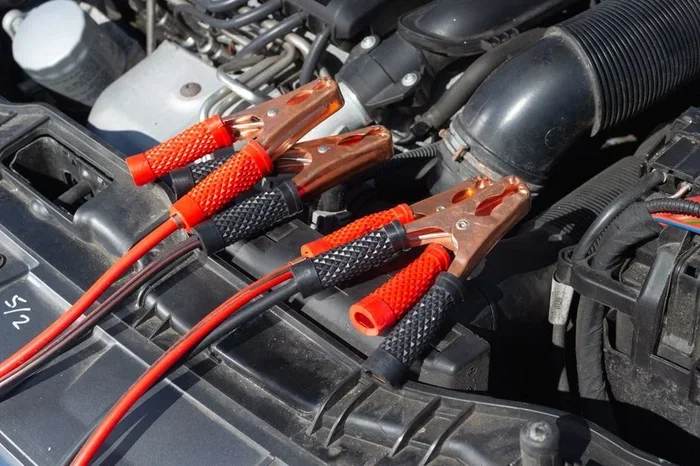
If you have jumper cables and another vehicle nearby, you can jump start your car. Connect the cables in the correct order: positive to positive, negative to a metal ground on the dead car, then negative to the good battery. Start the working car first, let it run for a few minutes, and then try starting the dead car.
If you do not have jumper cables, consider keeping a portable jump starter in your trunk. These small devices are compact, easy to use, and can start your car without another vehicle. They are one of the best emergency tools you can own.
Step 3: Drive Long Enough to Recharge
Once your car starts, do not turn it off right away. Drive for at least 20 to 30 minutes to give the alternator time to recharge the battery. If you keep turning the car off and on, you will drain the battery again.
Step 4: Get Your Battery Tested
After a jump start, visit an auto parts store or mechanic to have your battery tested. If the battery is old or damaged, it may need to be replaced. A jump start is only a temporary fix. It does not solve the underlying problem.
When Should You Replace Your Battery?
Knowing when to replace your battery can save you from unexpected breakdowns. Most batteries last between three and five years. However, cold weather can shorten that lifespan. Here are some signs that your battery is nearing the end of its life:
- The engine cranks slowly when you start the car.
- The check engine light comes on.
- You need to jump start your car more than twice a month.
- The battery case looks swollen or cracked.
- You notice a rotten egg smell coming from the battery area.
- Your battery is more than three years old and has not been tested recently.
If you notice any of these signs, do not wait. Replace your battery before it leaves you stranded. And if you are also dealing with other car issues, such as how to change oil in your car, tackling maintenance tasks in fall can help you avoid winter surprises.
Some drivers wonder if regular car detailing helps with battery life. While detailing does not directly affect your battery, keeping your car clean and inspecting the battery area during a wash can help you spot corrosion early.
Expert Tips for Winter Battery Care
Here are some extra tips from experienced mechanics and car care professionals:
- Keep a set of jumper cables in your trunk year round. You never know when you will need them, and cold weather makes the need more likely.
- Do not use accessories while the car is idling. Idling does not recharge your battery efficiently. It just wastes fuel and puts extra strain on the electrical system.
- Check your battery water level if it is a traditional lead-acid type. Low water levels can expose the plates and reduce performance.
- Consider a battery blanket or heater wrap. These devices wrap around your battery and keep it warm in extreme cold. They are especially popular in northern climates.
- Always carry a portable jump starter. It is a small investment that can save you from a costly tow.
If you ever find yourself locked out of your car after a dead battery situation, remember that losing your only car key is a separate but equally stressful problem. Having a spare key can prevent a simple battery issue from turning into a much bigger headache.
Also, if your car fails to start due to a dead battery, you might wonder about alternative methods. Some drivers explore how to start a car without a key as an emergency option. While these methods are not a substitute for a working battery, knowing them can help in a pinch.
Final Thoughts on Cold Weather Battery Care
Your car battery dies in cold weather because of a combination of factors. Low temperatures reduce battery power, old batteries struggle more, and small electrical draws can drain a weak battery overnight. The good news is that most of these problems are preventable with a little effort and awareness.
Start by testing your battery before winter. Clean the terminals, drive longer trips when you can, and use a battery maintainer if your car sits for long periods. These simple steps can make all the difference. A little preparation now can save you from a very cold and very frustrating morning later.
Take care of your battery, and it will take care of you. Winter does not have to mean breakdowns and tow trucks. With the right knowledge and a few smart habits, you can keep your car running strong all season long.
Frequently Asked Questions
Why does my car battery keep dying in cold weather?
Cold weather slows down the chemical reactions inside your battery, reducing its ability to hold a charge. Old batteries, corroded terminals, parasitic draws, and short driving trips all make the problem worse. Together, these factors cause your battery to fail repeatedly in winter.
How cold is too cold for a car battery?
At 32 degrees Fahrenheit, a battery loses about 35% of its cranking power. Below zero degrees, the risk increases significantly. Batteries that are already weak or more than three years old are the most vulnerable at these temperatures.
Can a dead car battery be recharged in cold weather?
Yes, you can recharge a dead battery in cold weather using a jump start or a battery charger. However, if the battery is old or damaged, it may not hold a charge for long. Always have the battery tested after a jump start to determine if replacement is needed.
How long should I drive to recharge a dead battery?
Drive for at least 20 to 30 minutes after a jump start to allow the alternator to recharge the battery. Short trips are not enough, especially in cold weather when the battery needs more power to start the car.
Does parking in a garage help prevent battery death?
Yes, parking in a garage keeps your battery warmer and reduces the strain of cold starts. Even parking near a wall or building can offer some protection from wind chill, which helps your battery perform better in freezing temperatures.
How often should I replace my car battery before winter?
Most batteries last three to five years. If your battery is over three years old, have it tested before winter begins. Replacing a weak battery proactively is much cheaper and more convenient than dealing with a dead battery on a cold morning.
=== CONCLUSION ===
Your car battery dies in cold weather for reasons you can control. Age, corrosion, parasitic draws, and short trips all weaken your battery when it matters most. By testing your battery, cleaning the terminals, using a maintainer, and driving longer trips, you can avoid the frustration of a winter breakdown. A little preparation today saves you time, money, and stress tomorrow. Take action now and make sure your battery is ready for whatever winter throws your way.