The Best Way to Clean Car Seats and Keep Them Brand New
The best way to clean car seats starts with knowing your seat material and using the right cleaning products for the job. Regular vacuuming, quick stain treatment, and deep cleaning sessions will keep your seats looking fresh and extend their lifespan significantly. Follow our proven step-by-step guide to get professional-level results from the comfort of your own home.
There is nothing worse than sliding into your car only to find sticky spots, crumbs, or mysterious stains on your seats. Whether you drive a daily commuter or a family SUV, your car seats take a beating every single day. The best way to clean car seats is not just about wiping them down. It is about using the right methods, the right products, and a little bit of routine care.
In this guide, we will walk you through everything you need to know. You will learn proven techniques for deep clean car seats, how to handle different materials, and simple habits that prevent damage before it starts. By the end, you will feel confident tackling any mess your car seats throw at you.
Let us get into it. Your seats are about to look better than ever.
Key Takeaways
- Know Your Material: Different seat materials require different cleaning approaches for the best results.
- Act Fast on Stains: The quicker you treat a spill, the easier it is to remove it completely.
- Use the Right Products: Choose cleaners that are safe for your specific seat type to avoid damage.
- Vacuum First: Always remove loose dirt and debris before applying any cleaning solution.
- Protect After Cleaning: Apply a protectant to guard against future stains and wear.
- Stay Consistent: Regular maintenance beats occasional deep cleans every time.
📑 Table of Contents
- Why Keeping Your Car Seats Clean Matters
- What You Need Before You Start Cleaning
- Step-by-Step: The Best Way to Clean Car Seats
- Quick Tips for Faster Cleaning
- Cleaning Different Types of Car Seat Materials
- How to Prevent Stains and Keep Seats Protected
- Common Mistakes to Avoid When Cleaning Car Seats
- Expert Insights: Pro Tips for Longer-Lasting Seat Cleanliness
- Conclusion
Why Keeping Your Car Seats Clean Matters
Clean seats do more than just look good. They play a big role in your overall driving experience. Dirty seats can harbor bacteria, cause unpleasant odors, and even reduce the lifespan of your upholstery. When you invest time in car seat cleaning, you are also protecting your investment.
The Health Benefits of Clean Seats
Think about all the things that end up on your car seats. Food crumbs, dirt from shoes, pet hair, and sweat. Over time, these build up and create a breeding ground for bacteria and allergens. Regular car seat maintenance helps reduce these health risks. This is especially important if you have kids or pets who ride in the back seat often.
Studies show that car interiors can harbor more germs than many public surfaces. Your steering wheel, console, and seats are all touchpoints that collect bacteria throughout the day. A simple clean car interior routine can make a real difference for your health and comfort.
How Clean Seats Protect Your Car’s Value
If you ever plan to sell or trade in your vehicle, the condition of your seats matters a lot. Buyers notice worn, stained, or smelly interiors. Keeping your seats in great shape helps maintain your car’s resale value. Simple car seat care tips like regular cleaning can make a noticeable difference when it is time to sell.
Beyond the interior, clean seats also contribute to a fresher-smelling and more inviting cabin overall. Nobody wants to get into a car that smells musty or stale. A little effort goes a long way.
What You Need Before You Start Cleaning
Before you dive into cleaning, gather your supplies. Having everything ready makes the process faster and more effective. Here is what you will need:
- A handheld vacuum or car vacuum for car seat vacuuming
- A soft-bristle brush for scrubbing gently
- Microfiber cloths (at least three or four)
- A quality upholstery cleaner suitable for your seat type
- A mild all-purpose cleaner or DIY solution
- A spray bottle for mixing car seat cleaning solution
- A soft sponge or detailing brush
- Seat protectant or fabric guard spray
DIY vs Store-Bought Cleaners
Many people prefer DIY car seat cleaning because it is affordable and uses ingredients they already have at home. A simple mix of warm water, dish soap, and white vinegar works wonders on cloth seats. For tougher jobs, store-bought stain remover for car seats products are designed specifically for automotive upholstery.
Here is a quick comparison to help you decide:
- DIY Cleaners: Cheap, eco-friendly, and easy to make. Great for light cleaning and regular maintenance.
- Store-Bought Cleaners: More powerful and targeted. Best for stubborn stains and deep cleaning sessions.
Choose based on your needs. For most people, a combination of both works best.
Step-by-Step: The Best Way to Clean Car Seats
Now let us get to the heart of the matter. Follow these steps for a thorough and effective cleaning session. This method works for most seat types and delivers professional-level results.
Step 1: Remove Everything from the Seats
Start by taking off all cushions, seat covers, and personal items. Shake out floor mats and remove any trash. This gives you full access to every surface and makes the next steps much easier.
Step 2: Vacuum Thoroughly
Car seat vacuuming is the most important first step. Use your handheld vacuum to remove loose dirt, crumbs, and debris from all surfaces. Pay special attention to seams, crevices, and corners where dirt likes to hide. Go over each seat multiple times to make sure you get everything.
For cloth seats, use the brush attachment. For leather, use the soft nozzle to avoid scratching the surface. This step alone removes a surprising amount of buildup.
Step 3: Pre-Treat Stains
Identify any stains and apply a small amount of cleaner to each one. Let it sit for five to ten minutes. This loosens the stain and makes it easier to lift out. For those tough moments when you need to remove stains from car seats that are older or set-in, you may need to repeat this step.
Always test any cleaner on a hidden spot first. You do not want to cause discoloration or damage. A little patience here saves a lot of trouble later.
Step 4: Clean the Seats
Using a soft brush or sponge, work your cleaning solution into the seats in circular motions. Do not soak the fabric. Use a damp cloth to wipe away the dirty solution. Repeat until the cloth comes away clean.
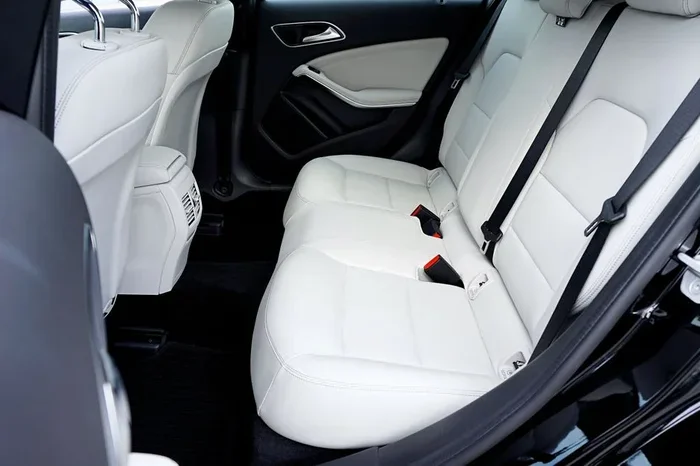
For leather seats, use a cleaner specifically designed for leather car seats. These formulas nourish the leather while removing dirt. After cleaning, apply a leather conditioner to keep the material soft and supple. Conditioning also gives your seats a nice shine that makes the whole interior look polished.
Step 5: Dry Completely
Let your seats air dry completely before putting anything back. Open the windows or use a fan to speed up the process. Wet seats can develop mold and mildew, which creates worse problems than the original stain.
Do not use a hair dryer on high heat. It can damage the material. Let nature do the work.
Step 6: Apply Protectant
Once the seats are dry, apply a protectant spray or fabric guard. This creates a barrier that repels future spills and stains. It is one of the best car seat care tips you can follow for long-lasting results.
Quick Tips for Faster Cleaning
- Keep a small vacuum in your trunk. This makes quick clean-ups effortless and takes only a few minutes.
- Use a lint roller for pet hair. It works better than brushing and removes hair from fabric quickly.
- Clean spills immediately. The longer a stain sits, the harder it becomes to remove.
- Rotate your seat covers regularly. This distributes wear evenly and keeps everything looking fresh.
- Baking soda is your best friend. Sprinkle it on fabric seats, let it sit for fifteen minutes, then vacuum for a natural refresh.
Cleaning Different Types of Car Seat Materials
Not all car seats are the same. The material you have determines the best approach. Here is how to handle the most common types.
Cleaning Cloth or Fabric Seats
Cloth car seats are the most common and the most forgiving when it comes to cleaning. Most cloth seats respond well to a gentle soap and water solution. Use a soft brush to work the cleaner into the fabric, then blot with a damp cloth.
For stubborn stains, a mixture of baking soda and water creates a gentle paste that lifts dirt without damaging the fabric. Let it sit for fifteen minutes, then brush it off and wipe clean. Cloth seats are generally easy to maintain with regular car seat cleaning sessions.
Cleaning Leather Seats
Leather car seats require more care. They are sensitive to harsh chemicals and can crack if not properly maintained. Always use a pH-balanced leather cleaner. Avoid household cleaners that contain ammonia or bleach.
After cleaning, apply a leather conditioner every two to three months. This keeps the leather hydrated and prevents cracking. Conditioning also gives your seats a nice shine that makes the whole interior look polished and well cared for.
Cleaning Vinyl and Synthetic Seats
Vinyl and synthetic seats are durable and easy to wipe down. Use a mild soap solution and a soft cloth. These materials do not absorb liquids the way fabric does, so spills are easier to clean. However, watch for seams where dirt can accumulate over time.
How to Prevent Stains and Keep Seats Protected
Prevention is always better than cure. A few simple habits can keep your seats looking new for years. Here are the most effective ways to protect car seats from damage.
Use Seat Covers
Seat covers are one of the easiest ways to guard against spills, stains, and wear. They are especially helpful for families with young children or pet owners. Choose covers that fit snugly and do not slide around while driving. They add a layer of defense without compromising comfort.
Establish a No-Food Policy
As tempting as it is to eat in the car, food is the number one cause of stains and odors. Try to keep meals for before or after your drive. If you must eat in the car, use spill-proof containers and keep napkins handy. This single habit can prevent a majority of interior messes.
Keep a Cleanup Kit in Your Car
Having a small cleanup kit ready makes a huge difference. Include a small vacuum, a few microfiber cloths, a stain remover pen, and a mini spray bottle of cleaner. This way, you can tackle spills immediately before they set in and become permanent problems.
Schedule Regular Cleaning Sessions
Set a reminder to give your seats a thorough cleaning every two to four weeks. Regular sessions prevent buildup and make each cleaning session faster and easier. This is the foundation of good car seat maintenance and the key to long-lasting results.
Common Mistakes to Avoid When Cleaning Car Seats
Even with the best intentions, people make mistakes that can damage their seats. Here are the most common ones to watch out for.
Using Too Much Water
Over-saturating your seats can lead to mold, mildew, and unpleasant odors. Always use a damp cloth rather than a soaking wet one. Work in small sections and blot excess moisture immediately. Less is more when it comes to car seat cleaning.
Skipping the Patch Test
Never apply a cleaner to a visible area without testing it first. Spray a small amount on a hidden spot and wait twenty-four hours. If there is no discoloration or damage, it is safe to use on the rest of the seat. This simple step can save you from costly mistakes.
Using Harsh Household Cleaners
Many household cleaners are too strong for car upholstery. They can strip color, dry out leather, and leave behind residues that attract dirt. Stick to cleaners designed for automotive interiors or gentle DIY solutions. Your seats will thank you.
Neglecting to Dry Seats Properly
Rushing the drying process is a mistake many people make. Wet seats can develop mold within hours, especially in humid climates. Allow plenty of time for air drying before using the seats again. Patience is key here.
Forgetting About the Seat Belts and Headrests
Do not forget to clean the areas around your seats. Wipe down headrests, seat belts, and the areas where the seat meets the door. These spots collect dirt and grime just as much as the seat surface itself. A complete cleaning includes everything.
Expert Insights: Pro Tips for Longer-Lasting Seat Cleanliness
We asked interior detailing professionals for their top tips. Here is what the experts recommend for keeping your seats in pristine condition.
Clean in the Shade. Never clean your car seats in direct sunlight. The heat causes cleaning solutions to dry too quickly, leaving residue and streaks. Find a shaded spot or clean indoors in a garage for the best results.
Work in Sections. Do not try to clean all four seats at once. Focus on one seat at a time. This ensures you do not miss spots and gives each section the attention it needs.
Refresh Between Deep Cleans. A quick car seat refresh between deep cleaning sessions keeps things looking great. A quick wipe-down with a damp cloth and a light spray of fabric freshener goes a long way between full cleaning sessions.
Keep Your Car Well-Ventilated. Good airflow reduces moisture buildup and prevents odors. Crack a window when parked, and use your car’s ventilation system regularly. This simple habit supports your car seat maintenance routine and keeps your interior fresh.
Stay on Top of General Car Care. Keeping your car seats clean is part of a broader vehicle care routine. Just as you should learn how to change oil in car on a regular schedule to keep your engine running smoothly, regular interior care keeps your entire vehicle in great shape. These habits work together to preserve your car’s value and comfort over time.
Prepare for the Unexpected. Being a responsible car owner means being ready for the unexpected. Part of protecting your vehicle includes knowing how to handle situations like needing to start a car without key safely in an emergency, or having a clear plan if you ever lose your only car key. While these situations are not directly related to cleaning, they are part of the overall car ownership experience that helps you stay prepared and keep your vehicle in top condition inside and out.
Conclusion
The best way to clean car seats combines regular maintenance with proper techniques and the right products. You do not need expensive equipment or professional services to get great results. With a little consistency and the right approach, your car seats can stay looking brand new for years.
Start with the basics. Vacuum regularly, treat stains quickly, and use cleaners that match your seat material. Add a protectant after each deep clean, and build simple habits that prevent damage before it happens. Your future self will thank you every time you slide into a clean, fresh-smelling car.
Take action today. Grab your supplies, follow the steps in this guide, and give your car seats the care they deserve. A little effort now saves you time, money, and frustration down the road. Your car interior will thank you for it.
Frequently Asked Questions
How often should I deep clean my car seats?
Most experts recommend deep cleaning your car seats every one to three months. However, if you eat in your car frequently or have pets, you may need to clean them more often. Regular vacuuming between deep cleans helps keep things fresh.
Can I use a steam cleaner on car seats?
Yes, steam cleaners are effective for deep clean car seats and can remove bacteria and grime without chemicals. Just make sure to use the right attachment and do not saturate the fabric. Let seats dry completely after steam cleaning to prevent mold.
What is the best homemade cleaner for cloth car seats?
A mixture of warm water, a few drops of dish soap, and white vinegar works great for cloth car seats. Spray it on, gently scrub with a soft brush, and wipe clean with a damp cloth. This affordable solution handles most everyday stains effectively.
How do I get rid of bad smells from car seats?
Start by vacuuming thoroughly and wiping down all surfaces with a mild cleaner. Sprinkle baking soda on fabric seats, let it sit for thirty minutes, then vacuum it up. For persistent odors, use an air freshener or odor eliminator designed for automotive interiors.
Is it safe to use bleach on car seats?
No, bleach is too harsh for car upholstery. It can strip color, dry out leather, and weaken fabric fibers. Stick to cleaners specifically formulated for automotive interiors. These are designed to clean effectively without causing damage.
What should I look for in a car seat protectant?
Look for a protectant that is UV-resistant and compatible with your seat material. Fabric guards should be water-based and non-greasy. For leather seats, choose a conditioner that also offers protection. Always apply protectant after cleaning and drying your seats completely.