Car Battery Reading 124 Volts Explained For Beginners
A car battery reading 12.4 volts means your battery is about 50% charged and needs attention. This voltage level falls below the healthy range and can cause starting problems if ignored. In this guide, you will learn what the reading means, why it happens, and how to fix it quickly.
Key Takeaways
- 12.4 volts means a half-charged battery: Your battery needs charging or inspection soon.
- Resting voltage matters most: Always test after the car has been off for several hours.
- Multiple causes can trigger low voltage: From old age to parasitic draws and faulty alternators.
- Simple fixes often work: A charger, terminal cleaning, or driving longer can restore healthy levels.
- Ignoring 12.4V can lead to battery death: A low battery can leave you stranded unexpectedly.
- Regular maintenance prevents issues: Testing your battery every few months catches problems early.
📑 Table of Contents
- What Does a Car Battery Reading 12.4 Volts Mean?
- Why Is My Battery Reading 12.4 Volts?
- How to Test Your Battery Correctly
- How to Fix a 12.4 Volt Battery
- Can a 12.4V Battery Start Your Car?
- Preventing Low Battery Voltage
- Common Mistakes People Make With Low Battery Voltage
- When Should You Replace the Battery Instead of Recharging?
- How Does a 12.4V Reading Compare to Other Common Levels?
- Expert Insights on Battery Voltage
- Final Thoughts
What Does a Car Battery Reading 12.4 Volts Mean?
You grab your multimeter and test your car battery. The display shows 12.4 volts. What now? Many car owners panic at this number. But here is the good news. A car battery reading 12.4 volts is not the end of the world. It does mean your battery needs some attention, though.
A fully charged car battery should read around 12.6 to 12.8 volts when the engine is off. This is called the resting voltage. When the reading drops to 12.4 volts, your battery has lost about 25% of its charge. Think of it like a phone at 50% battery. It still works, but you cannot rely on it for a long day.
The battery state of charge directly connects to voltage. A healthy lead-acid battery follows a predictable pattern. Each voltage number tells a story about how much energy remains. Understanding this pattern helps you act before things get worse.
How Voltage Relates to Charge Level
Here is a simple breakdown of what different voltage readings mean for your car battery health:
- 12.6V or higher: Fully charged. Your battery is in great shape.
- 12.4V: About 50% charged. Time to take action.
- 12.2V: About 25% charged. The battery is weak and needs charging.
- 12.0V or below: Nearly dead. Your battery may not start the car.
As you can see, 12.4 volts sits right in the middle. It is a warning sign. The battery still has some power left. But it is not enough to handle cold weather or long trips without help.
Why Is My Battery Reading 12.4 Volts?
Several things can cause a low battery voltage reading. Let us look at the most common reasons. Each one is easy to understand and often easy to fix.
The Battery Is Simply Old
Car batteries do not last forever. Most last between three and five years. As a battery ages, it holds less charge. An old battery might read 12.4 volts even after a full charge. If your battery is past its fourth year, age could be the main culprit.
The Car Sat Idle for Too Long
Have you left your car parked for a week or more? Batteries slowly lose charge over time. This is called battery discharge. A car that sits in the driveway for days will slowly drain. The alternator output cannot help if the engine is not running.
There Is a Parasitic Draw
A parasitic draw happens when something in your car uses power even when the engine is off. Your radio clock, alarm system, or a faulty light can all cause this. A small draw is normal. But a large parasitic draw can drain your battery overnight. This leaves you with a 12.4V reading in the morning.
The Charging System Is Not Working Right
Your charging system includes the alternator and voltage regulator. If the alternator fails, it does not recharge the battery while you drive. You might notice dim headlights or a warning light on the dash. A broken charging system will always lead to low battery voltage.
Cold Weather Is Weakening the Battery
Cold temperatures make it harder for a battery to hold charge. The chemical reactions inside the battery slow down. Even a healthy battery can read lower in freezing weather. But a weak battery will struggle even more. This is why cold cranking amps matter so much in winter months.
How to Test Your Battery Correctly
Getting an accurate multimeter reading is important. A wrong test can give you false hope or unnecessary worry. Follow these steps for the best results.
Step 1: Turn Off Everything
Before testing, turn off the engine. Also turn off the headlights, radio, and air conditioning. You want a resting voltage reading. This gives you the most accurate picture of your battery’s true charge.
Step 2: Wait a Few Minutes
Let the car sit for at least 30 minutes. This allows the voltage to settle. Testing right after driving gives you a voltage drop reading, not the true resting level.
Step 3: Connect the Multimeter
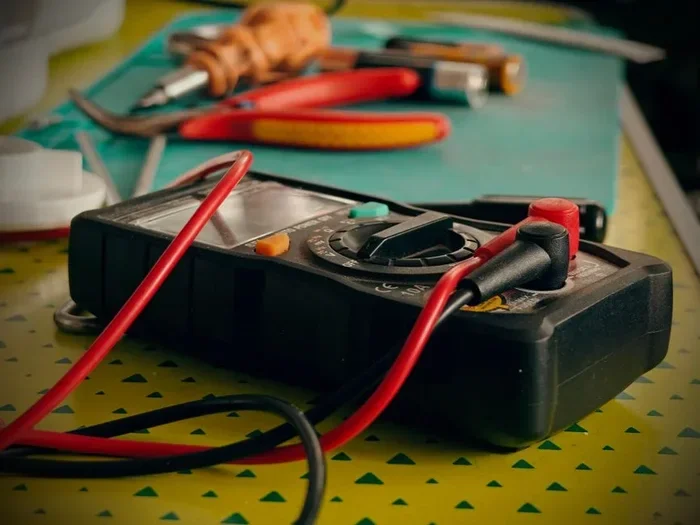
Set your multimeter to DC voltage. Touch the red probe to the positive terminal. Touch the black probe to the negative terminal. Read the number on the screen. A steady 12.4V confirms a half-charged battery.
Step 4: Test Under Load (Optional)
For a deeper car battery test, you can use a load tester. This tool simulates the demand of starting the engine. It tells you how well the battery performs under pressure. Many auto parts stores offer this test for free.
How to Fix a 12.4 Volt Battery
Finding a 12.4V reading does not mean you need a new battery right away. Several simple fixes can bring your battery back to life.
Use a Battery Charger
A battery charger is the easiest fix. Connect it to the battery and let it charge for a few hours. A smart charger will automatically stop when the battery is full. After charging, retest the voltage. You should see it climb back to 12.6V or higher.
Clean the Battery Terminals
Corrosion on the battery terminal can block power flow. White or greenish buildup around the posts is a sign of corrosion. Mix baking soda with water and scrub the terminals with a toothbrush. This simple step can improve your connection and voltage reading.
Drive the Car Longer
Your alternator charges the battery while you drive. A short trip around the block might not be enough. Try driving for 20 to 30 minutes on a highway. This gives the alternator time to fully recharge the battery.
Check for Parasitic Draws
If your battery keeps dying, find the source of the drain. Disconnect the negative terminal. Connect a multimeter in series between the terminal and the battery post. Turn off all lights and close all doors. A reading above 50 milliamps suggests a parasitic draw. You can then pull fuses one by one to find the culprit.
When to Consider Battery Replacement
Sometimes the battery is simply too far gone. If it reads 12.4 volts even after a full charge, the internal plates may be damaged. A battery older than five years with consistent low readings should be replaced. Investing in a battery replacement early saves you from an unexpected breakdown.
Can a 12.4V Battery Start Your Car?
The short answer is yes, sometimes. A 12.4V battery has enough power to turn the engine over in warm weather. But in cold conditions, it might not be enough. The cold cranking amps drop as voltage falls. This means your battery struggles to deliver the burst of power needed to start the engine.
If you have experienced difficulty starting your car with a low battery, you know how frustrating it can be. A weak battery can also stress the charging system and other electrical parts. It is always better to recharge or replace a weak battery before it fails completely.
Preventing Low Battery Voltage
Keeping your battery healthy is simpler than you think. A few good habits go a long way. Regular battery maintenance can add years to your battery life.
- Test your battery every few months: A quick check with a multimeter takes only minutes.
- Drive your car regularly: Longer drives help the alternator fully recharge the battery.
- Turn off all lights and accessories before exiting: This prevents unnecessary drain.
- Keep the terminals clean: Remove corrosion buildup every few months.
- Use a battery tender for stored cars: This maintains a steady charge during long periods of inactivity.
- Get regular car maintenance: Overall vehicle care, including services like car detailing, helps you stay on top of electrical issues and spot problems early.
- Follow your owner’s manual for service intervals: Routine tasks like oil changes and inspections keep your entire vehicle running well.
Taking these small steps seriously makes a big difference. A well-maintained battery rarely surprises you with a low reading. Prevention is always easier and cheaper than replacement.
Common Mistakes People Make With Low Battery Voltage
Many car owners make avoidable mistakes when dealing with a weak battery. Watch out for these pitfalls.
Mistake 1: Ignoring the warning signs. A slow crank or dim headlights are not normal. These are clear signals that your battery voltage is low. Catching the problem early saves you from a dead battery on a busy morning.
Mistake 2: Testing right after driving. This gives you a falsely high reading. Always wait for the battery to rest before testing. A voltage drop test after driving tells you about your charging system, not your battery’s full charge.
Mistake 3: Jump starting without checking the battery. A jump start gets you going, but it does not fix the root cause. If your battery reads 12.4V or lower even after a jump, the battery itself may be failing. Get it tested properly before relying on jump starts every time.
Mistake 4: Buying the cheapest battery. A low-cost battery might save money upfront. But it may not last long or perform well in cold weather. Choose a battery with good cold cranking amps ratings and a solid warranty.
Mistake 5: Forgetting about the key situation. A dead battery can leave you locked out too. If you ever find yourself unable to start your car, knowing how to handle the situation helps. For tips on dealing with this, check out our guide on how to start a car without a key using safe methods and expert tips.
When Should You Replace the Battery Instead of Recharging?
Not every low battery can be saved. Knowing when to replace is just as important as knowing how to recharge. Here are the clear signs that replacement is the better choice.
- The battery is more than five years old.
- It reads 12.4V or lower even after a full charge.
- You need jump starts more than once a month.
- The case is swollen or cracked.
- The battery was deeply discharged multiple times.
- You notice a rotten egg smell near the battery.
If you see any of these signs, do not keep recharging a dying battery. A battery replacement costs far less than being stranded. A new battery also means better cold cranking amps and reliable starts for years to come.
How Does a 12.4V Reading Compare to Other Common Levels?
Understanding where 12.4V fits among other readings helps you put things in perspective. Here is a quick comparison:
- 12.8V: Excellent. Fully charged and ready for anything.
- 12.6V: Good. Normal healthy level for a resting battery.
- 12.4V: Fair. Half charged. Needs attention soon.
- 12.2V: Poor. About 25% charged. Charge immediately.
- 12.0V: Critical. The battery is nearly dead.
- 11.8V or below: Dead. The battery will not start the car.
As the table shows, 12.4 volts is right at the line between fair and poor. It is not yet an emergency. But it is not healthy either. Think of it as a yellow light. Slow down and take action before it turns red.
Expert Insights on Battery Voltage
Experienced mechanics often say the same thing. A car battery reading 12.4 volts is your last chance to act before a bigger problem develops. The battery still has enough energy to function in most conditions. But it is running on borrowed time.
Regular testing is the single best thing you can do. A battery maintenance routine takes almost no time. Keep a basic multimeter in your garage. Test the battery once a month during extreme weather. This simple habit catches problems weeks before they leave you stranded.
Also remember that your overall car care routine matters. Keeping your vehicle in good shape through regular maintenance and services supports every system, including the electrical system. Whether you are diligent about car detailing or basic inspections, staying proactive protects your battery and your wallet.
Final Thoughts
A car battery reading 12.4 volts is a clear signal. Your battery is at about 50% charge and needs your help. The good news is that this is an easy problem to fix. A charger, a cleaning session, or a longer drive can bring the voltage back to a healthy level.
Do not ignore this reading. A battery left at 12.4V for too long can suffer permanent damage. It can also leave you stranded when you need your car the most. Take action today. Test your battery, clean the terminals, and give it a full charge. Your future self will thank you when the car starts without any issues.
Stay on top of your battery voltage. Make it part of your regular car care routine. A little attention goes a long way toward keeping your battery strong and your car running reliably.
Frequently Asked Questions
Is a car battery reading 12.4 volts bad?
It is not terrible, but it is not ideal either. A 12.4V reading means your battery is about 50% charged. It can still start your car in most conditions. However, you should recharge it soon to avoid further problems.
How long can I drive with a battery reading 12.4 volts?
You can drive for a short time, but it is risky. The battery has limited reserve power. In cold weather or with heavy electrical use, it might fail. Charge the battery fully as soon as possible.
Will a 12.4V battery charge on its own while driving?
Yes, your alternator will slowly recharge the battery while you drive. However, a short trip may not be enough. Drive for at least 20 to 30 minutes to allow a full charge. If the battery stays at 12.4V after driving, your alternator may need inspection.
What should I do if my battery keeps reading 12.4 volts after charging?
This is a sign of a failing battery. The internal plates may be damaged or the battery is simply too old. Have the battery tested at an auto parts store. If it cannot hold a full charge, replacement is the best option.
Can cold weather cause a battery to read 12.4 volts?
Yes, cold temperatures slow down the chemical reactions inside the battery. This can lower the voltage reading temporarily. However, if the battery stays at 12.4V even in warm conditions, the charge level is genuinely low and needs attention.
How often should I test my car battery voltage?
Test your battery at least once a month. Increase testing frequency during extreme hot or cold weather. Regular testing helps you catch low voltage early and avoid unexpected failures.