After Selling a Car What to Do Next and Why It Matters
Selling a car is exciting, but the steps you take afterward matter just as much. This guide walks you through canceling insurance, transferring your title, settling payments, and removing personal data. Follow these after selling a car essentials to protect yourself and close the deal properly.
You just sold your car. Maybe it took weeks of listing, answering calls, and test drives. Or perhaps it sold in a single weekend. Either way, the deal is done — but your work isn’t over yet. There are several important steps to take after selling a car, and skipping them can lead to headaches down the road.
Many sellers focus so much on getting the best price that they forget what happens after the buyer drives away. Insurance bills keep coming. The title sits in a drawer. Registration fees still hit your mailbox. None of this is fun, but all of it is preventable with a little planning.
This guide breaks down everything you need to do after selling a car. We’ll cover insurance, paperwork, finances, and even the personal items you might have left behind. Think of it as your safety net — the checklist that keeps you protected and lets you move on with confidence.
Let’s get into it. These steps are simple, but they make a huge difference.
Key Takeaways
- Cancel or transfer your insurance immediately after the sale to avoid paying for coverage you no longer need.
- Complete the title transfer and notify your DMV to officially end your ownership and avoid liability.
- Settle any remaining loan balance or lien before handing over the keys to ensure a clean transaction.
- Remove all personal belongings and data from the vehicle, including GPS settings and saved contacts.
- Consider whether car detailing was worth it before the sale — it can boost resale value significantly.
- Keep copies of all sale documents for your records in case disputes arise later.
- Plan your next steps if you are buying a new car, so the transition is smooth and stress-free.
📑 Table of Contents
1. Cancel or Transfer Your Car Insurance
The very first thing you should do after selling a car is contact your insurance provider. Most people don’t realize this, but your auto policy stays active as long as the vehicle is listed on it. If the new owner doesn’t insure it right away, you could still be held responsible for any incidents.
Why Insurance Matters After a Sale
Here’s a scenario that happens more often than you’d think. You sell your car on a Saturday. The buyer drives it home. On Sunday, they get into a fender bender. If your insurance was never canceled or transferred, the lender and the insurance company might come looking at you. That’s a mess you don’t want.
Most insurance companies let you cancel coverage the same day you sell. Some even allow you to transfer the policy to a new vehicle. Call your agent, provide the sale date, and confirm the cancellation in writing. Keep that confirmation email or letter for your records.
Quick Tips for Insurance Cancellation
- Cancel coverage on the exact day of sale or the day after.
- Ask for a refund on any unused premium.
- Get written confirmation that the policy is canceled.
- If you have a new car, ask about transferring the policy instead.
2. Transfer the Title and Registration
Handling the title properly is one of the most critical after selling a car steps. The title is the legal proof of ownership. Until it’s transferred, the vehicle is still technically registered to you.
What You Need to Do with the Title
First, fill out the assignment section on the back of the title. Write the buyer’s full name, the sale date, and the odometer reading. Some states also require a notarized signature, so check your local DMV requirements beforehand.
Next, hand the signed title over to the buyer. They need it to register the vehicle in their name. If you still owe money on the car, the lienholder may need to be involved in the transfer. This is where things get tricky, so let’s break it down.
Dealing with a Lien on the Vehicle
If you have an outstanding loan, the title might be held by the lender. In this case, you’ll need to pay off the remaining balance to get the lien released. Once the lien is cleared, the lender sends you a clean title or releases it directly to the buyer.
Some sellers choose to handle the payoff at the point of sale. The buyer pays the lender directly, and the lien is released on the spot. Others prefer to pay off the loan themselves first. Either approach works, but communication is key.
Also, keep in mind that you should look into how to start a car without a key if the buyer encounters issues after purchase — it’s a common concern that can build trust and goodwill.
3. Settle Any Remaining Financial Obligations
Selling a car doesn’t always mean the money flows perfectly. There might be fees, outstanding payments, or financial loose ends you need to tie up. Taking care of these things quickly keeps your name clean and your credit safe.
Check for Outstanding Loans or Payments
If you still owe money on the car loan, make sure the sale proceeds cover the remaining balance. If they don’t, you’ll need to pay the difference out of pocket. Don’t assume the buyer will handle it — that’s your responsibility.
Contact your lender to get a payoff quote before the sale. This tells you exactly how much is left. Compare that number to what the buyer is offering. If there’s a gap, decide in advance how you’ll cover it.
Understand the Bill of Sale
A bill of sale is a simple document that records the transaction. It includes the purchase price, buyer and seller names, vehicle details, and the sale date. Many states require one, and even if they don’t, it’s smart to have it.
The bill of sale protects you. If the buyer ever claims they paid a different amount or the car had undisclosed issues, you have proof. Keep a signed copy for at least a year.
Notify Your DMV and Remove Registration
Once the sale is complete, notify your Department of Motor Vehicles. This step varies by state, but most require you to report the transfer within a certain timeframe. Some states let you do this online, while others require a visit.
Removing your registration protects you from receiving parking tickets or toll violations for a car you no longer own. It also signals to the state that ownership has changed, which helps the buyer register the vehicle in their name faster.
4. Clean Up and Remove Personal Items
This step is easy to overlook, but it matters more than you think. After months or years of driving, cars collect a lot of stuff. Before you hand over the keys, go through every compartment, pocket, and storage area.
Check These Often-Forgotten Spots
- Glove box and center console
- Door pockets and seat-back pouches
- Trunk and under the trunk mat
- Cupholders and crevices between seats
- Sun visor compartments
You’d be surprised what ends up in these places. Receipts, charging cables, loose change, old sunglasses, and even important documents can hide in the smallest spaces.
Remove Personal Data from Connected Systems
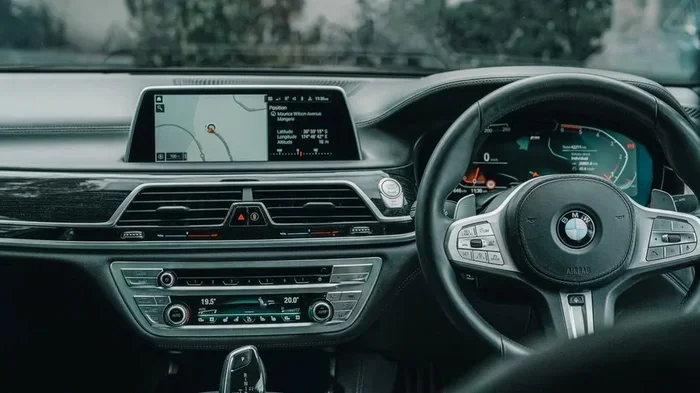
Modern cars are basically computers on wheels. If your vehicle has a GPS navigation system, Bluetooth pairing, or a connected phone app, make sure you wipe your personal data. Remove saved addresses, paired phones, and any stored payment methods.
This is especially important if you used Apple CarPlay or Android Auto. Those systems sync contacts, call logs, and app data. A quick factory reset of the infotainment system goes a long way toward protecting your privacy.
Before you hand over the car, you might also want to consider whether car detailing was worth it before the sale — a clean car sells faster and for more money.
5. Handle the “What If” Scenarios
Even when everything goes smoothly, unexpected situations can pop up after a sale. Being prepared for these scenarios keeps you from getting caught off guard.
What If the Buyer Loses the Keys?
It happens more often than you’d think. The buyer drives home, then realizes they lost a key or locked them inside the car. If you still have a spare, you might be asked to help. While it’s a nice gesture, you’re not obligated to do this.
If you do choose to help, keep it simple. A spare key can save the buyer a lot of stress. Just make sure you document the handoff clearly so there’s no confusion later. If you no longer have a spare and the buyer is locked out, they’ll need to call a locksmith or refer to guides on how to start a car without a key using safe methods.
What If the Buyer Has Issues Shortly After the Sale?
Some buyers reach out days or weeks later with problems. Maybe the check engine light came on. Maybe something broke down. Unless you agreed to a warranty or return policy, you generally have no obligation to fix these issues.
That said, a friendly response goes a long way. Point them toward a trusted mechanic or share resources that might help. You don’t owe them anything beyond the sale, but goodwill never hurts.
What If You Still Have Registration or Plates?
In some states, you can transfer your license plates to a new vehicle. In others, the plates stay with the car. Check your state’s rules. If the plates stay with the sold car, make sure the buyer knows to register new plates in their name. If you plan to keep the plates, return them to the DMV or follow your state’s transfer process.
6. Plan Your Next Move
Selling a car often means you need another one. Whether you’re upgrading, downsizing, or just replacing what you had, planning your next steps ahead of time makes the whole process smoother.
Keep Your Documents Organized
Store copies of the bill of sale, title transfer, insurance cancellation, and any correspondence with the buyer in one place. You never know when you might need them. A simple folder — physical or digital — keeps everything accessible.
Consider Your Next Vehicle Carefully
Before you jump into buying another car, take a moment to evaluate what you actually need. Think about fuel efficiency, insurance costs, maintenance, and your daily commute. The best car for you after a sale isn’t always the flashiest one — it’s the one that fits your life.
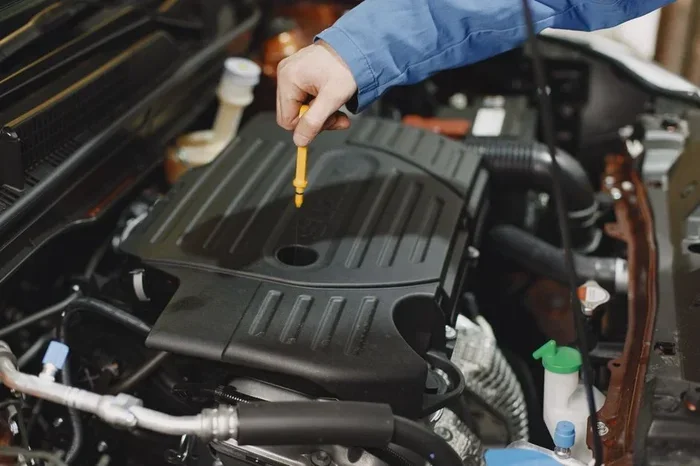
If you’re in the market for a new-to-you vehicle, remember that regular maintenance like changing your oil is one of the best ways to keep any car running strong for years to come.
7. Learn From the Experience
Every car sale teaches you something. Maybe you realized your car needed a key replacement before listing it next time. Or maybe you learned that a little pre-sale maintenance goes a long way toward getting top dollar.
The best sellers don’t just move on — they take notes. What worked? What would you do differently? What surprised you? These reflections make you smarter for the next sale.
Common Mistakes to Avoid
- Forgetting to cancel insurance right away
- Skipping the title transfer paperwork
- Leaving personal items in the car
- Not getting a signed bill of sale
- Ignoring outstanding loan balances
- Failing to notify the DMV of the sale
- Keeping the sale verbal instead of documented
Avoiding these mistakes saves you time, money, and stress. They’re small oversights that can turn into big problems if left unchecked.
Final Thoughts
Selling a car is more than just handing over the keys and counting the cash. The steps you take after selling a car define how smooth — or stressful — the whole experience feels. From canceling insurance to transferring the title, removing personal data to settling financial obligations, each step plays an important role in closing the deal properly.
The good news? It’s all manageable. You don’t need to be a mechanic or a legal expert. You just need a clear checklist and the willingness to follow through. Use this guide as your roadmap, and you’ll handle everything like a pro.
Take a deep breath. You’ve made a smart move. Now take care of the details, and enjoy the next chapter — whether that means a new car, more savings, or simply some peace of mind.
Frequently Asked Questions
Do I need to cancel my insurance immediately after selling my car?
Yes, you should cancel or transfer your insurance as soon as the sale is complete. Keeping coverage active on a car you no longer own means you could be liable for accidents or unnecessary premiums. Contact your insurance provider right away to handle this properly.
What happens if I don’t transfer the car title?
If you don’t transfer the title, the vehicle is still legally registered in your name. This means you could be responsible for tickets, accidents, or violations committed by the new owner. Always complete the title transfer promptly to protect yourself legally.
How long do I have to notify the DMV after selling my car?
The timeframe varies by state, but most require notification within a few days to a few weeks. Check your local DMV website for specific rules. Notifying them quickly removes your name from the registration and avoids future liabilities.
Should I keep a copy of the bill of sale?
Absolutely. A signed bill of sale serves as proof of the transaction, including the sale price, date, and vehicle details. Keep it for at least one year in case any disputes or tax-related questions come up later.
What personal data should I remove from the car before selling?
Remove GPS saved addresses, paired Bluetooth devices, contact lists from infotainment systems, and any stored payment methods. Also check physical compartments for receipts, documents, and personal items. A thorough cleanup protects your privacy.
Can I still be held responsible for issues with the car after I sell it?
Generally, no — once the title is transferred and the sale is finalized, ownership shifts to the buyer. However, if you still have an active insurance policy or unresolved liens, you could face complications. Always complete all paperwork and cancel all linked accounts before or on the sale day.
=== CONCLUSION ===
Selling a car is a big step, and what you do afterward matters just as much as the sale itself. Taking the right after selling a car steps protects your finances, your legal standing, and your peace of mind. From canceling insurance and transferring the title to removing personal data and settling outstanding payments, each task on this list plays a vital role.
Don’t let the excitement of the sale make you rush through these important details. A few extra hours of paperwork now can save you weeks of trouble later. Keep your documents organized, stay in communication with the buyer, and follow through on every step.
You’ve done the hard part — now finish the job right. Your future self will thank you for it.