Car Doesnt Turn On Because of Oil Pressure Problems
When your car doesnt turn on because of oil pressure problems, it is often a sign that your engine needs immediate attention. Low oil levels, a failing oil pump, or a clogged filter can all trigger this frustrating issue. In this guide, we walk you through the most common causes, warning signs, and practical fixes so you can get back on the road safely. Understanding oil pressure basics helps you avoid costly engine damage down the line.
There is nothing more frustrating than turning your key and hearing nothing but silence. You expect your engine to roar to life. Instead, your car doesnt turn on, and you are left scratching your head. One of the most common and overlooked reasons for this is oil pressure problems. Your engine relies on clean oil flowing at the right pressure to keep everything running smoothly. When that pressure drops or disappears, your car may refuse to start as a safety measure.
This guide breaks down everything you need to know about why oil pressure issues can prevent your car from turning on. We will look at the causes, the warning signs, and the steps you can take to fix the problem. Whether you are a seasoned DIYer or a complete beginner, you will find practical advice here. Let us dive in and get your engine talking again.
Key Takeaways
- Low oil level is the #1 cause: Running low on oil starves your engine of lubrication and kills oil pressure fast.
- A bad oil pump can stall your engine: If the pump fails, oil cannot circulate, and your car will not start.
- Warning signs are easy to spot: Dashboard lights, strange engine noises, and stalling all point to oil pressure trouble.
- Regular oil changes prevent most problems: Staying on top of your oil change schedule keeps your engine healthy.
- Never ignore the oil pressure light: Driving with low oil pressure can destroy your engine within minutes.
- DIY fixes work for simple issues: Topping off oil or replacing a filter is often something you can do yourself.
📑 Table of Contents
What Happens When Oil Pressure Drops
Your engine has hundreds of moving parts. These parts spin, rub, and grind against each other at high speed. Oil pressure is what keeps them lubricated and cool. Without proper oil flow, metal grinds against metal. Within minutes, this can cause severe engine damage.
Modern cars have safety features built in. If the oil pressure sensor detects a drop, it may prevent the engine from starting. This is actually a good thing. It stops you from turning the key and grinding a dead engine. But it also means you need to figure out what went wrong fast.
How Oil Pressure Works
Your oil pump sits at the bottom of the oil pan. It pulls oil up and pushes it through the engine block. Oil flows through passages drilled into the engine block. It reaches the crankshaft bearings, camshaft, and other critical components. Then it drains back down to the pan. This cycle repeats thousands of times every minute while your engine runs.
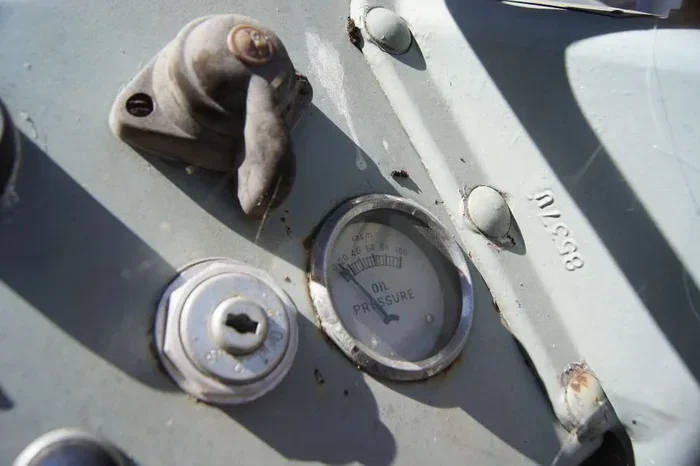
The oil pressure gauge or sensor monitors this flow. If pressure falls below a safe level, your dashboard warns you. In some vehicles, the engine simply will not start if oil pressure is too low. This is a protective measure, not a flaw.
Common Causes of Low Oil Pressure
Several things can cause your oil pressure to drop. Some are simple fixes. Others require professional help. Let us look at the most common culprits.
Low Oil Level
This is the number one reason cars lose oil pressure. Over time, oil burns off and leaks out. If you skip oil changes, the level drops even faster. When there is not enough oil in the pan, the pump cannot pull oil through the system. Result? Your car wont start.
Check your dipstick. If the oil level is below the minimum mark, top it off. Use the oil type recommended in your owner manual. If you are unsure about the process, reading our guide on how to change oil in your car can help you get started.
Failing Oil Pump
The oil pump is the heart of your lubrication system. It keeps oil moving at the right pressure. When the pump fails, oil stops circulating. This can happen due to wear and tear, contamination, or lack of maintenance.
Signs of a failing oil pump include:
- Loud ticking or clattering noises from the engine
- Oil pressure light staying on even after starting
- Engine stalling under load or at idle
- Reduced oil pressure readings on the gauge
Replacing an oil pump is not a DIY job for most people. You will need a qualified mechanic to do this repair.
Clogged Oil Filter
Your oil filter traps dirt, metal particles, and sludge. Over time, it gets clogged. A clogged filter restricts oil flow. This drops oil pressure and can prevent your car from starting.
Replacing your oil filter at every oil change is a simple habit. It costs just a few dollars and saves you from bigger headaches. If you suspect a clogged filter, have it inspected during your next oil change service.
Worn Engine Bearings
Engine bearings wear down over time. When they wear, the clearances between moving parts increase. This means oil leaks past the bearings instead of building proper pressure. Worn bearings often result from running the engine with low oil for too long.
This is a serious issue. If your bearings are worn, you may need a full engine rebuild. That is why catching oil pressure problems early is so important.
Faulty Oil Pressure Sensor
Sometimes the problem is not the oil itself. It is the sensor that measures it. A faulty oil pressure sensor can give false readings. It may tell your car that oil pressure is low even when it is fine.
When the sensor sends a wrong signal, your car may refuse to start. A mechanic can test the sensor with a multimeter. Replacing a bad sensor is usually inexpensive and straightforward.
Oil Viscosity Issues
The thickness of your oil matters. Oil that is too thin will not maintain proper pressure. Oil that is too thick may not flow through the system at all, especially in cold weather. Using the wrong oil viscosity grade can cause pressure problems and prevent your car from starting.
Always use the oil weight recommended by your vehicle manufacturer. You can find this information on the oil fill cap or in your owner manual.
Warning Signs Your Car Gives You
Your car tries to tell you when something is wrong. You just need to listen. Here are the most common warning signs of oil pressure problems that can lead to your car not turning on.
- Oil pressure warning light: This red or yellow light on your dashboard is the most obvious sign. Do not ignore it.
- Engine stalling: If your engine cuts out while driving, low oil pressure may be the cause.
- Unusual engine noises: Ticking, clattering, or knocking sounds often mean oil is not reaching the top of the engine.
- Burning oil smell: This can indicate an oil leak or oil leaking onto hot engine parts.
- Poor engine performance: Sluggish acceleration or rough idling can be tied to lubrication issues.
If you notice any of these signs, stop driving and check your oil level. Continuing to drive with low oil pressure can cause irreversible engine damage.
How to Diagnose Oil Pressure Problems
Figuring out why your oil pressure is low takes a bit of detective work. Start with the basics and work your way up.
Step 1: Check the Oil Level
Pull out your dipstick. Wipe it clean. Reinsert it. Pull it out again and look at the level. If it is low, add oil and try starting the car again. Sometimes this simple step solves everything.
Step 2: Inspect for Leaks
Look under your car for oil spots on the ground. Check around the oil pan, oil filter, and oil drain plug. Even a small leak can drain your oil over time and lead to oil pressure loss.
Step 3: Test the Oil Pressure Sensor
Have a mechanic hook up a manual oil pressure gauge. This tool gives a direct reading of the pressure inside the engine. If the reading matches the sensor, your sensor is fine. If not, you need a new sensor.
Step 4: Listen to the Engine
Turn the key to the on position (do not start). Listen for the oil pump priming. You should hear a brief whirring sound. If you hear nothing, the pump may be dead. This is a strong clue that oil pressure is the reason your car wont start.
Fixing Oil Pressure Issues
The fix depends on the cause. Here is a quick breakdown of common solutions.
Topping Off the Oil
If the problem is simply low oil, adding the correct type and amount is your first step. Use a funnel to avoid spills. Check the level again after adding oil. Start the engine and watch the pressure light. If it goes off, you are good to go.
Replacing the Oil Pump
A failed oil pump needs professional replacement. The cost varies by vehicle but typically ranges from $500 to $1,500. This is not a cheap repair, but it is far cheaper than replacing a damaged engine.
Swapping Out the Oil Filter
A new oil filter is cheap insurance. Most filters cost between $10 and $30. Changing it yourself takes about ten minutes. Make sure you prime the new filter with a little fresh oil before installing it.
Repairing Leaks
Oil leaks can be fixed by replacing gaskets, seals, or drain plugs. The cost depends on the location and severity of the leak. Addressing leaks quickly keeps your oil pressure stable and your engine healthy.
When Nothing Works
Sometimes the problem is more complex. If your car still will not start after addressing oil pressure, there may be another issue at play. In some cases, a dead battery or ignition problem can mimic oil pressure symptoms. If you are stuck and need to get your car going temporarily, you might explore how to start a car without a key as a workaround while you troubleshoot the real issue.
Preventing Oil Pressure Problems
The best fix is prevention. Keeping your engine well-maintained saves you time, money, and stress.
Stick to Your Oil Change Schedule
Change your oil at the intervals recommended by your manufacturer. Most cars need an oil change every 5,000 to 7,500 miles. If you drive in severe conditions, you may need to change it more often. Clean oil flows freely and maintains proper oil pressure.
Use the Right Oil
Not all oils are the same. Use the viscosity grade and specification your engine needs. Check your owner manual or ask your mechanic. Using the wrong oil can lead to pressure problems and premature engine wear.
Check Oil Levels Regularly
Make it a habit to check your oil at least once a month. A quick dipstick check takes less than a minute. Catching a low oil level early prevents oil pressure drops and engine damage.
Address Warning Signs Immediately
Do not wait for the problem to get worse. If your oil pressure light comes on, pull over safely and investigate. Ignoring warning signs is the fastest way to turn a small repair into a major engine replacement.
Common Mistakes People Make with Oil Pressure
Even well-meaning car owners make mistakes that make oil pressure problems worse. Here are a few to avoid.
- Topping off the wrong oil type: Mixing oil grades can affect pressure and lubrication quality.
- Ignoring the oil pressure light: This is not a reminder to schedule service. It is an urgent warning.
- Driving on low oil: Even a short drive on low oil can cause bearing damage.
- Skipping oil filter replacements: A dirty filter restricts flow and drops pressure over time.
- Assuming the problem is electrical: Many people jump to electrical causes when the real issue is simply low oil.
Avoiding these mistakes keeps your engine running strong and your oil pressure where it should be.
When to See a Professional
Some oil pressure issues are simple enough to handle yourself. But others need a trained eye. You should see a mechanic if:
- Your car still will not start after adding oil
- You hear loud knocking or clattering from the engine
- The oil pressure gauge reads zero or fluctuates wildly
- You see blue or black smoke from the exhaust
- You notice a significant oil leak under your car
A professional mechanic has the tools and experience to diagnose complex oil pressure problems quickly. Do not hesitate to seek help. A timely diagnosis can save you thousands in engine repair costs.
Final Thoughts
Your car doesnt turn on because of oil pressure problems more often than you might think. The causes range from simple low oil levels to serious pump failures. The key is to act fast. The sooner you address the issue, the better your chances of avoiding major engine damage.
Start with the basics. Check your oil level. Look for leaks. Listen to your engine. If the problem persists, do not be afraid to call a professional. Regular maintenance, proper oil selection, and prompt attention to warning signs are your best defenses against oil pressure problems.
Your car is a big investment. Treat its oil system with respect, and it will reward you with years of reliable service. Keep this guide handy the next time your car gives you trouble. You will know exactly what to look for and what to do.
And remember, if your car situation involves a lost key on top of everything else, you are not alone. Check out our complete guide on lost my only car key replacement for help getting back into your vehicle while you sort out the engine issues.
Frequently Asked Questions
Can low oil pressure cause a car to not start at all?
Yes, in many modern vehicles, a safety feature prevents the engine from starting if oil pressure is too low. This protects your engine from catastrophic damage. If your car will not turn on, checking the oil level and pressure should be your first step.
How much does it cost to fix oil pressure problems?
The cost depends on the cause. Topping off oil costs just the price of a quart. Replacing an oil filter runs $10 to $30. An oil pump replacement can cost $500 to $1,500. A mechanic can give you an accurate estimate after diagnosing the specific issue.
Is it safe to drive with the oil pressure light on?
No, it is not safe at all. Driving with the oil pressure light on can destroy your engine within minutes. Pull over safely, turn off the engine, and check your oil level. If the light stays on after adding oil, call a tow truck.
How often should I check my oil level?
You should check your oil level at least once a month. It is also a good idea to check it before long trips. A quick dipstick check takes less than a minute and can save you from serious oil pressure problems.
Can a clogged oil filter cause my car not to start?
Yes, a severely clogged oil filter can restrict oil flow enough to drop oil pressure below the safe threshold. This can prevent your car from starting. Replacing your oil filter regularly is one of the easiest ways to prevent this issue.
What oil should I use to maintain proper oil pressure?
Always use the oil weight and specification recommended by your vehicle manufacturer. You can find this information on the oil fill cap or in your owner manual. Using the correct oil ensures your oil pressure system works as designed.
=== CONCLUSION ===
Oil pressure is the lifeblood of your engine. When it drops or fails, your car may not turn on at all. Understanding the causes, recognizing the warning signs, and taking prompt action can save you from expensive repairs and a lot of frustration. Start with simple checks like oil level and filter condition. Move to professional diagnosis if needed. And above all, stay consistent with your maintenance routine. A little prevention goes a long way in keeping your engine healthy and your car running strong for years to come.