How Long Do You Have With Tow Yard Before They Sell Your Car
Most tow yards give you between 20 and 60 days before they can legally sell your car, but the exact window depends on your state laws and storage fees. If you want to get your vehicle back, you need to act quickly and pay outstanding towing and storage costs. This guide walks you through every step of the process so you know your rights and options.
Getting your car towed is stressful enough. But then comes the real worry, how long do you have before the tow yard sells your car? The answer is not as simple as you might hope. It depends on where you live, the type of vehicle, and how fast you act.
Every state has its own rules about tow yard hold times. Some give you as little as 20 days. Others stretch it out to 60 days or more. During that window, you need to pay storage fees, gather your documents, and make a plan. If you miss the deadline, your car could be sold at auction, and you might never see it again.
This guide breaks down everything you need to know. We will cover timelines, fees, your legal rights, and exactly what to do if your car gets towed. By the end, you will feel confident and prepared to handle the situation like a pro.
Key Takeaways
- Time Limits Vary by State: Each state sets its own rules for how long a tow yard can hold your vehicle before selling it.
- Storage Fees Add Up Fast: Daily rates can range from $20 to $100 or more, making retrieval expensive the longer you wait.
- You Must Act Quickly: Delaying increases costs and reduces your chances of getting your car back.
- Documentation Matters: Always keep your title, registration, and ID ready when visiting a tow yard.
- Prevention Is Key: Understanding parking laws and towing signs helps you avoid the tow yard altogether.
- You Have Legal Rights: Tow yards must follow specific procedures, and you can dispute improper holds.
📑 Table of Contents
- What Happens When Your Car Gets Towed
- The Tow Yard Timeline: How Long Do You Really Have
- How Much Does It Cost to Get Your Car Back
- How to Get Your Car Back From a Tow Yard
- What Happens if You Do Not Retrieve Your Car
- How to Prevent Getting Towed
- Your Rights as a Vehicle Owner
- Expert Tips for Handling a Tow Yard Situation
- Conclusion
What Happens When Your Car Gets Towed
When your car gets towed, it goes to a licensed storage facility. These facilities are also called impound lots or tow yards. The towing company follows strict rules set by local and state laws. They must document your vehicle, take inventory of any damage, and store it safely.
Here is what typically happens right after your car is towed:
- The towing company logs your vehicle details, including make, model, and license plate.
- Your car is transported to the nearest approved tow yard or impound lot.
- You receive a towing receipt or notice with the tow yard location.
- The tow yard begins charging daily storage fees from the moment your car arrives.
Some tow yards allow you to retrieve your car within a few hours. But if you cannot pay or pick it up right away, the clock starts ticking. The tow yard will hold your vehicle until either you reclaim it or the legal hold period expires.
Why Cars Get Towed in the First Place
Understanding why cars get towed can help you avoid the situation entirely. Here are the most common reasons:
- Parking in a no-parking zone: Fire hydrants, bus stops, and handicap spots are strictly enforced.
- Expired registration or tags: If your registration is expired, authorities may tow your vehicle.
- Abandoned vehicle laws: A car left on a street or private property for too long may be considered abandoned.
- Private property violations: Shopping malls, apartment complexes, and parking lots can have your car towed if you violate their rules.
- Accident or breakdown: If your car blocks traffic or cannot be moved, a tow truck may be called.
Knowing these reasons helps you stay proactive. If you ever find yourself in a towing situation, the first thing to do is stay calm and gather information.
The Tow Yard Timeline: How Long Do You Really Have
This is the big question, how long do you have with a tow yard before they sell your car? The honest answer is that it varies widely. There is no single national rule. Instead, each state sets its own impound period and lien sale laws.
Here is a general breakdown of hold times across different states:
- Short hold states (20 to 30 days): States like Texas and Florida may allow tow yards to sell a vehicle after about 20 to 30 days if fees go unpaid.
- Medium hold states (30 to 45 days): California, New York, and Illinois typically give vehicle owners around 30 to 45 days.
- Longer hold states (45 to 60 days): Some states extend the hold period to 60 days, giving owners more time to retrieve their vehicles.
These timelines start from the day your vehicle arrives at the tow yard. They do not include weekends or holidays in most cases. And here is the important part, the clock does not pause just because you cannot afford the fees. It keeps ticking.
If you want to get your car back, you need to move fast. Every day you wait means more storage charges piling up. And if you miss the deadline entirely, the tow yard has the legal right to sell your car.
What Is a Lien Sale
A lien sale is the legal process a tow yard uses to sell a vehicle that has been held beyond the allowed period. The tow yard places a lien on your car, which gives them the right to sell it to recover unpaid towing and storage fees.
Here is how a lien sale typically works:
- The tow yard sends you a final notice, usually by certified mail.
- If you do not respond or pay within the given timeframe, the tow yard publishes a notice of sale.
- The vehicle is auctioned off, often to the highest bidder.
- Any proceeds from the sale go toward your unpaid fees.
- If the sale does not cover the full amount, you may still owe the difference.
This process can feel overwhelming, but it is entirely legal. The key takeaway is to never ignore notices from a tow yard. Even if you cannot pay right away, communication can buy you extra time.
How Much Does It Cost to Get Your Car Back
Retrieving your car from a tow yard is not cheap. The costs can add up quickly, and many people are shocked by the total bill. Understanding the fee structure helps you budget and plan accordingly.
Here are the typical costs involved:
- Towing fee: This is the base charge for getting your car to the tow yard. It usually ranges from $75 to $200, depending on distance and vehicle type.
- Daily storage fees: Most tow yards charge between $20 and $100 per day. Some charge even more for larger vehicles like trucks or SUVs.
- Administrative or processing fees: These cover paperwork and handling. They can range from $25 to $75.
- Impound lot fees: Some facilities charge a flat impound fee on top of daily storage.
- Additional charges: If your car needs jump-starting, flat-towing, or special handling, those costs get added too.
Let us look at a quick example to see how fast costs can spiral.
Imagine your car gets towed on a Monday. The towing fee is $150. Storage runs $50 per day. If you wait 30 days to pick it up, here is what you would owe:
- Towing fee: $150
- Storage for 30 days: $1,500
- Admin fee: $50
- Total: $1,700
That is a steep price for a car that might not even be worth much. This is exactly why acting fast matters so much. The sooner you retrieve your vehicle, the less you pay.
How to Get Your Car Back From a Tow Yard
If your car is sitting in a tow yard right now, you probably want to know the steps to get it back. The process is straightforward, but it does require some effort and preparation.
Step 1: Find Your Tow Yard
Check your towing receipt or contact your local police department. They can tell you exactly which tow yard has your vehicle. Write down the address, phone number, and hours of operation.
Step 2: Gather Your Documents
Before you visit the tow yard, make sure you have the following ready:
- Valid government-issued ID: A driver’s license or state ID.
- Vehicle title: You must prove you own the car.
- Vehicle registration: This confirms the car is registered in your name.
- Proof of insurance: Most tow yards require current insurance documentation.
- Towing receipt: If you have it, this speeds up the process.
If you do not have your keys, that can complicate things. In some cases, a lost car key situation can delay retrieval, so it helps to know your options ahead of time. Some tow yards may require a locksmith to open the vehicle, which adds to your costs.
Step 3: Pay the Fees
Bring enough money to cover all outstanding charges. Most tow yards accept cash, credit cards, or debit cards. Some may require full payment before releasing the vehicle. Call ahead to confirm their payment policies.
Step 4: Inspect Your Vehicle
Before you drive away, inspect your car thoroughly. Check for any new damage that may have occurred during towing or storage. Document everything with photos. If something looks wrong, report it to the tow yard immediately.
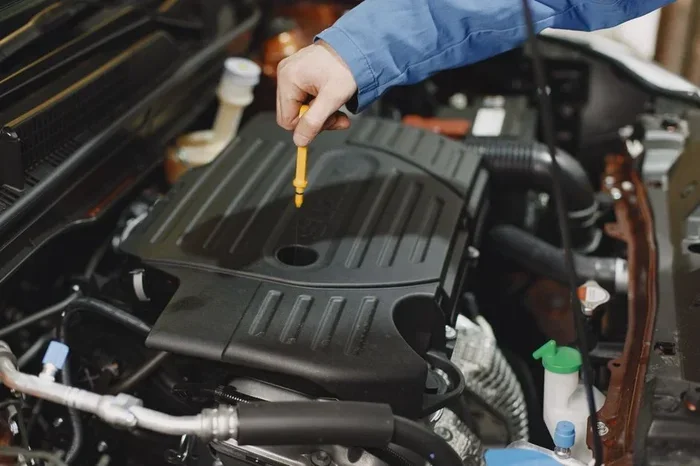
Once your car is back on the road, you may want to address any maintenance it missed while sitting in the lot. For example, if the battery died or the oil needs changing, a quick oil change and basic maintenance check can go a long way in keeping your car healthy after a tow.
What Happens if You Do Not Retrieve Your Car
If you simply do not show up, the tow yard follows a legal process to dispose of your vehicle. Understanding this process helps you know exactly what is at stake.
After the hold period expires and all notices have been sent, the tow yard can legally sell your car. The sale usually happens through a public auction. The buyer at the auction gets clear title to the vehicle, and your ownership ends.
Here is what you need to know about this outcome:
- You lose all rights to the vehicle: Once the sale is complete, you cannot reclaim it.
- You may still owe money: If the auction price does not cover your towing and storage fees, the tow yard can pursue you for the remaining balance.
- Your credit can be affected: Unpaid towing debts sometimes get sent to collections, which can hurt your credit score.
- Your car may be sold for parts or scrap: Older or lower-value vehicles often sell for very little at auction.
The bottom line is clear. Ignoring a towed vehicle is the worst thing you can do. Even if you cannot pay the full amount right away, reaching out to the tow yard can open doors to payment plans or extensions.
How to Prevent Getting Towed
The best way to deal with a tow yard situation is to avoid it altogether. A few simple habits can save you time, money, and a lot of headaches.
Always Read Parking Signs
Before you leave your car, scan the area for towing signs. Look for time limits, permit requirements, and no-parking zones. If a sign says “towing enforced,” take it seriously.
Keep Your Registration Current
Expired tags are a magnet for tow trucks. Make sure your registration and tabs are always up to date. Set a reminder on your phone a week before they expire.
Do Not Leave Your Car Unattended for Long Periods
If you are going out of town, ask a friend or neighbor to move your car periodically. Some municipalities consider a vehicle abandoned if it sits in one spot for more than 72 hours.
Know Your Local Towing Laws
Every city has slightly different towing regulations. Take a few minutes to learn the rules in your area. Knowing what is legal and what is not can save you from an unexpected trip to the impound lot.
Some people also invest in regular car care and maintenance as a way to stay on top of their vehicle’s condition and registration status. Staying proactive with your car’s overall upkeep reduces the risk of towing situations.
Your Rights as a Vehicle Owner
You have more rights than you might think when it comes to tow yards. Understanding these rights empowers you to handle the situation with confidence.
Here are some key rights to keep in mind:
- Right to a receipt: The towing company must provide you with a detailed receipt that includes the tow yard location and fee breakdown.
- Right to notice: Tow yards must notify you before selling your vehicle, usually by certified mail.
- Right to retrieve personal belongings: Your personal items inside the car must be returned to you, even if the vehicle is sold.
- Right to dispute improper towing: If your car was towed illegally, you can file a complaint with your local authorities or consumer protection agency.
- Right to a reasonable hold period: Tow yards cannot hold your vehicle indefinitely. State laws set clear limits.
If you believe your car was towed unfairly, you have the right to challenge the tow. Start by contacting your local parking authority or police department. They can investigate and, in some cases, order the tow yard to release your vehicle without payment.
Expert Tips for Handling a Tow Yard Situation
Dealing with a tow yard can feel like navigating a maze. Here are some expert tips that make the process smoother.
Call the tow yard first. Before you drive there, call and ask about their hours, payment options, and any additional requirements. This saves you a wasted trip.
Bring a friend or family member. Having someone with you provides support and an extra set of hands. They can also help you remember details during the process.
Keep all paperwork organized. Store your towing receipt, payment receipts, and any correspondence with the tow yard in one folder. Organization makes everything easier.
Ask about payment plans. Many tow yards are willing to work with you on a payment plan, especially if you show good faith. Do not be afraid to ask.
Act within the first week if possible. The longer you wait, the more fees accumulate. Retrieving your car within the first week keeps costs manageable and reduces stress.
Conclusion
So, how long do you have before a tow yard sells your car? The answer depends on your state, but the general range is between 20 and 60 days. During that time, storage fees pile up, and the pressure mounts. The best thing you can do is act quickly, gather your documents, and pay what you owe.
Knowing your rights and understanding the process puts you in a much stronger position. You do not have to feel helpless or overwhelmed. With the right information, you can navigate a tow yard situation confidently and get your car back on the road.
Remember, prevention is always better than cure. Stay on top of parking rules, keep your registration current, and never ignore towing signs. And if your car does get towed, do not wait. Reach out to the tow yard as soon as possible and take control of the situation.
Your car is one of your biggest investments. Protect it, know your rights, and always have a plan in place. That way, a tow yard never has the chance to take it from you.
Frequently Asked Questions
What happens if I miss the deadline to retrieve my car from a tow yard?
If you miss the deadline, the tow yard has the legal right to sell your vehicle through a lien sale. Once the sale is complete, you lose all ownership rights to the car. You may also still owe any remaining balance if the auction price does not cover your fees.
Can a tow yard sell my car without notifying me?
No. In most states, tow yards are required to send you a final notice before selling your vehicle. This notice is usually sent by certified mail. If they skip this step, you may have grounds to dispute the sale.
How much does it cost to get a car out of impound?
Costs vary widely depending on your location and how long the car has been stored. Expect to pay anywhere from $200 to $2,000 or more, covering towing fees, daily storage charges, and administrative costs.
Can I negotiate tow yard fees?
Some tow yards are open to negotiation, especially if you pay in full or retrieve your car quickly. It never hurts to ask about discounts or payment plans. Being polite and proactive goes a long way.
What should I do if my car was towed illegally?
Contact your local parking authority or police department to file a complaint. If the tow is found to be illegal, you may be entitled to a refund of towing and storage fees. Keep all documentation and take photos of the towing signage at the location.
Can I retrieve personal items from my towed car before the vehicle is sold?
Yes. You have the right to remove personal belongings from your vehicle at any time, even if the vehicle itself is being held for unpaid fees. Tow yards cannot deny you access to your personal items.