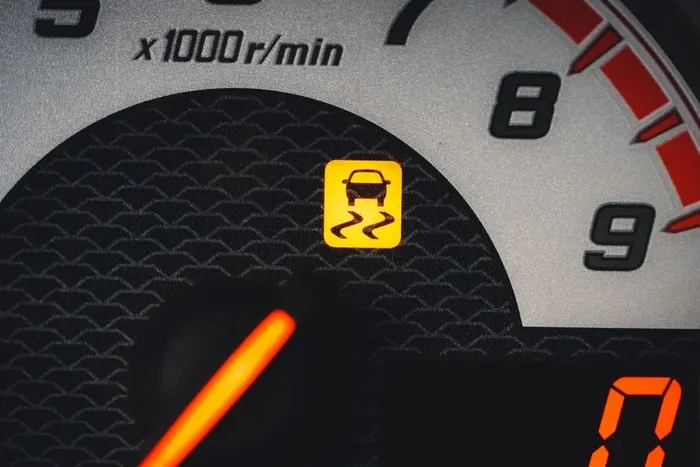
2017 Toyota With Beeping Sensors Common Causes And Fixes
A 2017 Toyota with beeping sensors can drive anyone crazy. The good news is that most causes are simple and fixable at home. This guide covers the top reasons your Toyota keeps beeping and shows you exactly how to stop it.
Nobody likes a car that won’t stop beeping. You are driving your 2017 Toyota, and suddenly — beep, beep, beep — the noise starts again. It is frustrating, distracting, and honestly kind of embarrassing when passengers are in the car.
The truth is, a 2017 Toyota with beeping sensors is more common than you might think. Toyota builds these vehicles with dozens of sensors that monitor everything from tire pressure to blind spots. When something triggers those sensors incorrectly, your car speaks up — loudly.
In this guide, we will walk through every common cause of beeping sensors in the 2017 Toyota lineup. More importantly, we will show you how to fix each one. Whether it is a simple cleaning job or a quick reset, you will find the answer here.
Key Takeaways
- Sensor Overload: Dirty or misaligned sensors are the #1 reason for constant beeping in 2017 Toyotas.
- Easy Fixes Exist: Many beeping issues can be resolved with a simple reset or cleaning.
- Don’t Ignore It: Persistent beeping can signal a real problem that needs immediate attention.
- Floor Mats Matter: Incorrectly placed floor mats can trigger sensor warnings, especially in models like the Toyota Highlander.
- Budget-Friendly Solutions: Most fixes cost nothing or very little.
📑 Table of Contents
- Why Your 2017 Toyota Sensors Keep Beeping
- How to Reset Your Toyota’s Beeping Sensors
- Common Sensor Types That Beep in 2017 Toyotas
- When Beeping Sensors Signal a Real Problem
- Preventing Future Sensor Beeping Issues
- Expert Insight: Why Toyotas Are Prone to Sensor Alerts
- Key Takeaways
- Frequently Asked Questions
- Final Thoughts
Why Your 2017 Toyota Sensors Keep Beeping
Toyota trucks this year come loaded with safety features. The sensors work hard to keep you aware of what is happening around the vehicle. But sometimes, they go into overdrive for no obvious reason.
Understanding why your 2017 Toyota with beeping sensors act up is the first step toward fixing the problem. Let us break down the most common causes.
Dirty or Covered Sensors
This is the number one culprit. Your Toyota has sensors placed in the bumper, near the wheels, and around the cabin. When dirt, snow, or grime builds up on these sensors, they cannot read properly.
The sensor thinks there is an obstacle where there is none. So it beeps. A lot. Even when the road is completely clear.
Common areas where dirt collects include:
- Rear parking sensors — hidden behind the bumper trim
- Front grille sensors — exposed to road debris and mud
- Wheel speed sensors — near the brakes and hubs
- Blind spot monitors — mounted on the side mirrors
A simple wash can often solve this problem completely. Use a soft cloth and warm water. Avoid high-pressure washers directly on sensor areas, as they can push water into the wiring.
Faulty Sensor Wiring
Over time, the wiring that connects your sensors to the car’s computer can wear out. This is especially true in older 2017 models that have seen a lot of miles.
Rodents love to chew on wires under the car. Road salt and moisture can cause corrosion. Even a loose connector can trigger a false beeping alert.
Signs of wiring problems include:
- Beeping that comes and goes randomly
- Warning lights that appear and disappear on the dashboard
- Sensors that stop working on one side only
If you suspect a wiring issue, have a mechanic check it early. A small repair now can prevent a bigger problem later.
Incorrectly Seated Floor Mats
Here is one people overlook all the time. Floor mats that are not seated properly can press against sensors located on the floor or near the pedals. This is especially common in SUVs and larger vehicles.
For example, if you drive a Toyota Highlander and the floor mats shift around, they can interfere with the foot area sensors. This triggers beeping warnings that seem to come from nowhere.
To fix this, remove your floor mats and check the sensor areas underneath. Make sure nothing is pressing against any electronic components. If you want to upgrade your floor mats, consider title full coverage TPE floor mats that are designed to fit perfectly without interfering with sensors.
How to Reset Your Toyota’s Beeping Sensors
Once you have identified the cause, resetting the sensors often solves the problem. A reset clears the error codes and gives the system a fresh start. Here is how to do it.
Method 1: The Ignition Cycle
This is the simplest reset method and works for most Toyota models from 2017.
- Turn the ignition off completely.
- Wait 30 seconds.
- Turn the ignition to the “ON” position without starting the engine.
- Wait for all dashboard lights to come on.
- Turn the ignition back to “OFF.”
- Start the engine normally.
This method works because it clears the temporary memory in the car’s computer. Most false alerts disappear after a successful reset.
Method 2: Disconnect the Battery
If the ignition cycle does not work, try disconnecting the battery. This is a deeper reset that clears more stored data.
Steps to follow:
- Turn off the engine and remove the key.
- Open the hood and locate the battery.
- Use a wrench to loosen the negative cable first.
- Wait 5 minutes.
- Reconnect the negative cable and tighten it.
- Start the car and check if the beeping stops.
Warning: Disconnecting the battery may reset your radio presets and clock. Keep that in mind before you start. Some Toyota models may also need the radio code re-entered after a battery disconnect.
Method 3: Use an OBD-II Scanner
For stubborn beeping issues, an OBD-II scanner can read the error codes stored in your Toyota’s computer. These scanners cost under $30 at most auto parts stores.
Plug the scanner into the port under your steering column. Read the codes and look them up in your owner’s manual or online. Each code tells you exactly which sensor is causing the trouble.
This method is especially helpful when the beeping comes with a dashboard warning light. The scanner gives you the exact answer instead of guessing.
Common Sensor Types That Beep in 2017 Toyotas
Your 2017 Toyota uses several different sensor systems. Each one has a specific job. Here is a look at the sensors most likely to trigger annoying beeps.
| Sensor Type | Location | Common Beeping Cause | Easy Fix? |
|---|---|---|---|
| Parking Sensors | Front and rear bumpers | Dirt or debris covering sensor | Yes — clean with water |
| Blind Spot Monitor | Side mirrors | Electrical glitch or dirt | Yes — reset or clean |
| Lane Departure Warning | Windshield camera | Dirty camera or misalignment | Yes — clean windshield area |
| Tire Pressure Monitor | Inside each wheel | Low tire pressure or dead sensor battery | Sometimes — check pressure or replace battery |
| Seat Belt Alert | Driver and passenger seats | Loose seat belt or object on seat | Yes — buckle properly |
| Door Ajar Sensor | Door frames | Door not fully closed or sensor stuck | Yes — close door firmly |
As you can see, most of these issues have simple solutions. You do not need to visit a dealership for every beeping problem your Toyota throws at you.
When Beeping Sensors Signal a Real Problem
Not all beeping is bad. Sometimes your Toyota is trying to tell you something important. Learning to read the difference between false alerts and real warnings can save you from a costly repair.
Beeping That Will Not Stop
If the beeping continues non-stop and does not stop after a reset, pay attention. This usually means a sensor has detected a genuine issue. The system is designed to keep alerting you until the problem is resolved.
Common real problems that trigger constant beeping include:
- Low brake fluid — check the reservoir under the hood
- Engine overheating — watch the temperature gauge closely
- Low oil pressure — stop driving immediately and check oil level
- ABS system failure — the anti-lock brake system needs professional diagnosis
Beeping That Only Happens at Certain Speeds
Beeping that starts at higher speeds or only when turning often points to a wheel speed sensor issue. These sensors monitor how fast each wheel is spinning. When one sensor sends inconsistent data, the system beeps to warn you.
A worn wheel speed sensor can affect your traction control and stability systems. Do not ignore this type of beeping, even if it is intermittent.
Beeping After a Collision or Bump
Even a minor fender bender can knock a sensor out of alignment. If your Toyota starts beeping after an accident — no matter how small — get the sensors checked. A misaligned sensor will give false readings and keep beeping until it is recalibrated.
Preventing Future Sensor Beeping Issues
The best way to deal with a 2017 Toyota with beeping sensors is to prevent the problem before it starts. A few simple habits can keep your sensors working properly for years.
Keep Sensors Clean
Make it a habit to wash the underside of your car regularly. Pay special attention to the bumper areas where parking sensors live. A clean sensor is a happy sensor.
Check Tire Pressure Monthly
Low tire pressure is one of the most common triggers for the tire pressure monitoring sensor. A quick check once a month with a simple gauge can keep this alert from ever appearing.
Use Proper Floor Mats
Cheap or oversized floor mats can shift around and press against sensors. Invest in custom-fit floor mats that are designed specifically for your Toyota model. They stay in place and protect your sensors from interference.
Address Warning Lights Promptly
When a dashboard warning light comes on, do not ignore it. The longer you wait, the more likely a small issue becomes a big repair. A quick trip to the mechanic can save hundreds of dollars down the road.
Expert Insight: Why Toyotas Are Prone to Sensor Alerts
Toyota engineers design their vehicles with safety as the top priority. The 2017 lineup includes more sensor systems than any previous generation. This is great for safety, but it also means more opportunities for false alerts.
The sensitivity of Toyota sensors is intentional. The company wants the system to alert you even when there is a small chance of danger. This “better safe than sorry” approach means sometimes your car beeps when there is no real threat.
The good news is that Toyota has made these systems easier to reset and maintain over the years. Most 2017 models respond well to simple cleaning and resetting. You do not need special tools or expensive trips to the dealer.
Key Takeaways
- Dirty Sensors Are the Top Cause: A simple wash solves most beeping problems in 2017 Toyotas.
- Resetting Is Easy and Free: Try the ignition cycle method before spending any money.
- Floor Mats Can Trigger Alerts: Make sure they are properly seated and not pressing on sensors.
- Know the Difference Between False and Real Alerts: Constant non-stop beeping usually means a real issue.
- Prevention Beats Repair: Regular cleaning and monthly tire pressure checks keep sensors happy.
- Do Not Ignore Dashboard Lights: Address warning lights quickly to avoid bigger problems later.
Frequently Asked Questions
Why does my 2017 Toyota keep beeping even when nothing is wrong?
This usually happens because a sensor is dirty, misaligned, or has a minor electrical glitch. Try cleaning the sensor areas first and then resetting the system. In most cases, this stops the false beeping completely.
Can I drive my 2017 Toyota safely if the sensors keep beeping?
If the beeping is intermittent and there are no dashboard warning lights, it is usually safe to drive. However, if the beeping is constant and accompanied by a warning light, pull over and check the situation. Do not ignore persistent alerts.
How much does it cost to fix a beeping sensor in a 2017 Toyota?
Many fixes cost nothing at all — just a cleaning or a reset. If a sensor needs replacing, the cost typically ranges from $50 to $200 per sensor depending on the type and your location. Always get a quote before authorizing any repair.
Do 2017 Toyota floor mats affect the sensors?
Yes, they can. Oversized or incorrectly placed floor mats can press against floor-mounted sensors and trigger false alerts. Always use custom-fit mats and make sure they are properly seated before driving.
Will resetting the sensors fix the beeping permanently?
A reset often stops the beeping temporarily, but if the underlying cause is not fixed, the beeping will return. Always identify and address the root cause before resetting the system.
Can cold weather cause my Toyota sensors to beep?
Absolutely. Cold weather can cause condensation on sensors, which tricks them into detecting false obstacles. This is especially common in the winter months. A quick wipe-down of the sensor areas usually resolves the issue.
Final Thoughts
Dealing with a 2017 Toyota with beeping sensors does not have to be a headache. Most of the time, the cause is simple and the fix is even simpler. A little cleaning, a quick reset, and a check on your floor mats can silence those annoying alerts for good.
Stay proactive with your sensor maintenance. Keep things clean, check tire pressure regularly, and never ignore a dashboard warning light. Your Toyota was built with safety in mind, and those sensors are working hard to keep you protected on the road.
Now that you know the common causes and fixes, you are ready to take on any beeping sensor problem. Trust your instincts, follow the steps in this guide, and enjoy a quieter, smoother ride in your 2017 Toyota.