BMW Spherical Coolant Tank Level How to Check and Maintain
Checking your BMW spherical coolant tank level is one of the simplest yet most important maintenance tasks you can do. A low coolant level can lead to engine overheating, costly repairs, and serious BMW cooling system damage. This guide walks you through the exact steps to check, top off, and maintain your coolant reservoir properly. You will learn what to look for, what warning signs to watch for, and how often to perform routine checks.
Owning a BMW means enjoying a machine built with precision engineering and advanced technology. But even the best BMW needs regular maintenance to keep running smoothly. One task that often gets overlooked is checking the coolant tank level. Your BMW spherical coolant tank level plays a huge role in keeping your engine at the right temperature. If you ignore it, you could face overheating, engine damage, and expensive repairs.
In this guide, we will walk you through everything you need to know about your BMW coolant reservoir. You will learn how to check the level, what to do when it is low, and how to keep your cooling system in top shape. Whether you are a new BMW owner or have been driving for years, this article will give you practical, easy-to-follow advice. Let us dive in and make sure your BMW stays cool and runs strong.
Key Takeaways
- Check your coolant level monthly: Regular checks prevent BMW overheating and costly repairs.
- Always check when the engine is cool: Opening the cap on a hot engine is dangerous and can cause burns.
- Use the correct BMW coolant type: Using the wrong coolant can damage your cooling system and void your warranty.
- Watch for warning signs: Low coolant, leaks, and warning lights all signal potential cooling system problems.
- Flush your coolant on schedule: Regular coolant flushes keep your BMW cooling system running at peak performance.
- Know when to call a pro: Persistent low coolant or complex issues need professional BMW mechanic attention.
📑 Table of Contents
What Is a BMW Spherical Coolant Tank?
The BMW spherical coolant tank is a specially designed reservoir that holds extra coolant for your engine cooling system. Unlike traditional rectangular or cylindrical tanks, BMW uses a distinctive spherical shape for several reasons. The round design allows the coolant to expand and contract smoothly as engine temperatures change. It also saves space in the engine bay, which is packed with components in every BMW model.
The coolant reservoir connects to the radiator through a hose. When your engine heats up, coolant expands and flows into the tank. When the engine cools down, the coolant gets pulled back into the radiator. This cycle keeps your BMW engine running at the optimal temperature. The tank also has minimum and maximum markings on the side so you can quickly see if the fluid level is where it should be.
Most modern BMW models use a coolant recovery system that recirculates fluid back into the system. This means your coolant level can fluctuate slightly depending on engine temperature. Understanding how this system works is key to maintaining proper BMW coolant levels over time.
Why the Spherical Design Matters
The spherical shape is not just for looks. It provides structural strength that can handle the pressure of the cooling system. The even shape distributes stress evenly, which means the tank is less likely to crack or warp over time. BMW engineers chose this design because it is functional, durable, and space-efficient. The smooth curves also make it easier to clean and inspect compared to tanks with corners and edges.
Why the BMW Coolant Tank Level Matters
Your BMW coolant tank level directly affects how well your engine cooling system works. Coolant absorbs heat from the engine and carries it away to the radiator, where it gets cooled down. Without enough coolant, your engine cannot regulate its temperature properly. This can lead to overheating, which is one of the most common causes of BMW engine damage.
Here are the main reasons why maintaining the correct coolant level matters:
- Prevents engine overheating: Low coolant means less heat absorption, which can cause your engine to run too hot.
- Protects engine components: The BMW cooling system keeps cylinder heads, gaskets, and other parts from warping under extreme heat.
- Maintains cabin heating: Your heater core relies on coolant to produce warm air inside the cabin during cold weather.
- Supports the thermostat: The thermostat needs proper coolant flow to open and close at the right temperatures.
- Extends engine life: Consistent cooling reduces wear and tear on internal engine parts over time.
A BMW coolant level that drops too low can trigger the coolant warning light on your dashboard. If you see that light, you should address it immediately. Ignoring it even for a short drive can result in serious engine problems.
How Low Coolant Levels Damage Your BMW Engine
When your BMW coolant tank level drops below the minimum mark, the cooling system cannot function properly. Air pockets form in the system, which disrupts the flow of coolant. These air pockets create hot spots inside the engine. Over time, these hot spots can cause the cylinder head gasket to fail. A blown head gasket is an expensive repair that could have been prevented with a simple coolant check.
In severe cases, an engine that runs too hot will warp the cylinder head or even crack the engine block. These are catastrophic failures that can end your BMW’s life or require a complete engine replacement. Keeping your coolant tank at the proper level is the easiest way to avoid these nightmare scenarios.
How to Check Your BMW Coolant Tank Level
Checking the BMW spherical coolant tank level is a straightforward process. You can do it at home with just a few minutes of your time. Here is exactly what you need to do, step by step.
Step 1: Park on a Level Surface and Let the Engine Cool
First, park your BMW on a flat, level surface. This ensures the coolant reading is accurate. Then, wait for the engine to cool down completely. Never open the coolant cap when the engine is hot. The cooling system is pressurized, and opening it while hot can cause hot coolant to spray out and burn you. Wait at least 30 minutes after driving, or check the level first thing in the morning before you start the engine.
Step 2: Locate the Coolant Reservoir
Open the hood and look for the coolant reservoir. In most BMW models, it is a white or translucent spherical tank located near the radiator. It will have MIN and MAX markings on the side. The cap usually has a warning symbol or a coolant icon on it. If you are unsure where yours is, consult your BMW owner’s manual for the exact location.
Step 3: Check the Coolant Level Against the Markings
Look at the side of the tank and check where the coolant fluid sits. The level should be between the MIN and MAX lines. If it is below the MIN line, you need to add more coolant. If it is at or near the MAX line, you are good to go. Do not overfill the tank, as coolant expands when it heats up and needs room to move.
Step 4: Inspect the Coolant Color and Condition
While you are checking the level, take a moment to look at the coolant itself. Healthy BMW coolant is typically green, blue, or pink depending on the type your BMW uses. If the coolant looks rusty, dark brown, or has particles floating in it, it is time for a coolant flush. Clean coolant is essential for proper heat transfer and long-term engine protection.
Step 5: Top Off If Needed
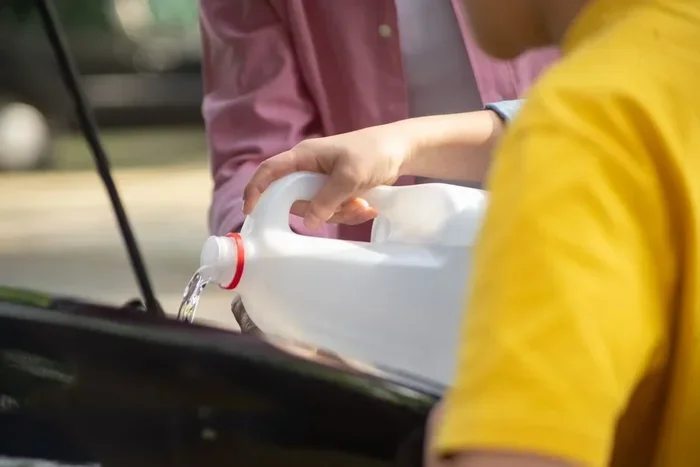
If the level is low, carefully remove the cap and add the correct BMW coolant. Always use a 50/50 mixture of BMW-approved coolant and distilled water. Never use plain water, as it does not provide the same protection against freezing and boiling. Pour slowly and stop when the level reaches the MAX line.
Quick Tips for Checking Coolant Level
- Always check when the engine is cold for the most accurate reading.
- Use only BMW-approved coolant or a coolant that meets BMW specifications.
- Wipe the reservoir clean before checking so you can see the fluid level clearly.
- Check the coolant hose connections for any signs of leaks or cracks while you are at it.
- Keep a bottle of distilled water and coolant in your trunk for emergencies.
Common BMW Coolant Tank Problems
Even with regular maintenance, BMW coolant tanks can develop problems over time. Knowing what to look for helps you catch issues early before they turn into expensive repairs. Here are the most common BMW coolant tank problems and what causes them.
Low Coolant Level Due to Leaks
The most common reason for a low BMW coolant tank level is a leak somewhere in the cooling system. Leaks can occur at the coolant hose connections, the radiator, the water pump, or the tank itself. BMW spherical coolant tanks can develop small cracks over time, especially if they are exposed to extreme temperatures or road debris. If you notice coolant puddles under your car or a sweet smell coming from the engine bay, inspect the system for leaks right away.
Coolant Reservoir Cap Failure
The coolant tank cap seals the cooling system and maintains the proper pressure. Over time, the rubber seal on the cap can wear out or crack. A faulty cap can cause coolant to leak out or allow air to enter the system. Both problems lead to improper coolant circulation and potential overheating. Replacing a BMW coolant cap is inexpensive and easy, so do not overlook this simple component.
Coolant Discoloration and Contamination
Over time, coolant can become contaminated with rust, scale, and debris from inside the cooling system. This contamination reduces the coolant’s ability to absorb and transfer heat effectively. Discolored coolant is a sign that your system needs a flush and refill. BMW recommends flushing the coolant every 30,000 miles or every two years, whichever comes first.
Coolant Level Sensor Malfunction
Some BMW models have a coolant level sensor that monitors the fluid level electronically. If this sensor fails, it can trigger a false warning light even when the coolant level is fine. Conversely, a faulty sensor might not warn you when the level is actually low. If your dashboard shows a coolant warning but the tank looks full, the sensor may need to be replaced.
Overheating Despite Proper Coolant Level
If your BMW is overheating even though the coolant tank level looks correct, the problem may be deeper in the cooling system. A failing thermostat, a clogged radiator, a malfunctioning water pump, or a faulty cooling fan could all be the culprit. In these cases, a professional BMW diagnostic check is the best next step.
Maintenance Tips for Your BMW Coolant Reservoir
Prevention is always better than repair when it comes to your BMW cooling system. Following a regular maintenance routine for your BMW spherical coolant tank level will keep your engine healthy and extend the life of your vehicle. Here are the best practices every BMW owner should follow.
Stick to a Regular Check Schedule
Make it a habit to check your BMW coolant level at least once a month. A quick visual check takes less than a minute and can save you from major problems down the road. Also check the level before any long road trips to make sure your BMW is ready for the journey.
Use the Right Coolant for Your BMW Model
BMW uses specific coolant formulations that are different from what many other cars require. Using the wrong coolant can cause corrosion, reduce cooling efficiency, and damage internal components. Always refer to your owner’s manual or ask your BMW dealer for the correct coolant type. BMW typically uses silicate-free coolant, and mixing different coolant types can cause chemical reactions that harm the system.
Perform Regular Coolant Flushes
Even with the best coolant, contaminants build up over time. A coolant flush removes old, dirty fluid and replaces it with fresh, clean coolant. This keeps the cooling system operating at peak efficiency. Most BMW owners should flush the coolant every 30,000 miles or every two years. Check your specific model’s maintenance schedule for the exact interval.
Inspect Hoses and Connections Regularly
The hoses that connect your BMW coolant tank to the radiator and engine can degrade over time. Look for cracks, swelling, or soft spots in the hoses. Squeeze them gently to check for brittleness. Replace any hoses that show signs of wear before they fail. A hose replacement is a small cost that can prevent a major coolant leak.
Monitor Your Temperature Gauge
Keep an eye on your BMW temperature gauge while driving. If the needle starts climbing toward the hot zone, pull over safely and let the engine cool down. Continuing to drive an overheating engine can cause irreversible damage. If the temperature gauge behaves erratically, have the cooling system inspected by a qualified BMW technician.
Keep Records of Your Maintenance
Write down every coolant check, flush, and top-off in a maintenance log. This helps you stay on track with your service schedule and gives you a record to share with your BMW mechanic. It also helps you spot patterns, such as recurring low coolant levels that could indicate a hidden leak.
Common Mistakes to Avoid
- Never mix different coolant types: This can cause chemical reactions that clog your cooling system.
- Do not ignore a slow leak: Even a small drip can lead to a dangerously low coolant level over time.
- Do not rely only on warning lights: By the time the light comes on, your coolant may already be critically low.
- Do not open the cap on a hot engine: Always wait for the engine to cool completely.
- Do not use tap water: Tap water contains minerals that can cause buildup and corrosion in the cooling system.
When to Seek Professional Help for Your BMW Cooling System
While checking and maintaining your BMW coolant tank level is something you can do yourself, some situations require professional attention. If you notice any of the following signs, it is time to take your BMW to a certified technician.
First, if you are frequently topping off your coolant and the level keeps dropping, you likely have a leak that needs professional diagnosis. A BMW mechanic can perform a pressure test on the cooling system to pinpoint the exact location of the leak. Second, if your engine temperature gauge reads higher than normal even though your coolant level is fine, there may be a deeper problem with the thermostat, water pump, or radiator fan. Third, if you notice steam or coolant vapor coming from under the hood, pull over immediately and call for assistance. These are signs of a serious cooling system failure that should not be ignored.
Regular BMW service appointments also help catch cooling system issues early. During a scheduled service, your mechanic will inspect the coolant reservoir, check the hoses, test the coolant condition, and top off the fluid if needed. Staying on top of these appointments is one of the best investments you can make in the longevity of your BMW.
Finding the Right BMW Mechanic
Not every auto shop is equipped to work on BMWs properly. Look for a shop that specializes in European or German vehicles and has experience with BMW cooling systems. Ask friends, check online reviews, and look for certifications from BMW or ASE. A knowledgeable mechanic will understand the unique needs of the BMW spherical coolant tank and the broader cooling system. They will use the right tools, the correct BMW coolant, and follow BMW service procedures to keep your car running at its best.
Conclusion
Taking care of your BMW spherical coolant tank level is one of the simplest and most effective things you can do to protect your engine. A quick monthly check, using the right coolant, and following a regular maintenance schedule will keep your BMW cooling system working perfectly for years to come. Remember to always check the level when the engine is cool, use BMW-approved coolant, and watch for warning signs like the temperature gauge rising or the coolant warning light coming on. Small habits like these make a big difference in the long run. Your BMW is a precision machine, and keeping the coolant system in great shape is one of the best ways to enjoy it for many miles ahead. Stay proactive, stay cool, and enjoy every drive.
Frequently Asked Questions
How often should I check my BMW coolant tank level?
You should check your BMW coolant tank level at least once a month. It is also a good idea to check it before any long road trips. A quick visual inspection takes less than a minute and can prevent serious engine problems.
What type of coolant does my BMW need?
BMW typically uses silicate-free coolant in specific formulations that vary by model year. Always check your owner’s manual or consult your BMW dealer for the exact coolant type recommended for your vehicle. Using the wrong coolant can cause damage to the cooling system.
Can I use water instead of coolant in my BMW?
No, you should never use plain water in your BMW cooling system. Water does not provide the same protection against freezing, boiling, or corrosion. Always use a 50/50 mixture of BMW-approved coolant and distilled water for the best results.
Why is my BMW coolant level dropping even though there are no visible leaks?
A dropping coolant level with no visible leaks could indicate an internal leak, such as a failing head gasket or a cracked cylinder head. It could also be caused by a faulty coolant level sensor. Have your BMW inspected by a qualified mechanic as soon as possible.
Is it safe to drive my BMW if the coolant level is low?
No, driving with a low BMW coolant level is risky. It can cause the engine to overheat, which may lead to serious and expensive damage. If your coolant level is low, top it off with the correct mixture before driving, or have your car towed to a repair shop.
How much does it cost to flush and refill BMW coolant?
The cost of a BMW coolant flush and refill typically ranges from $100 to $250, depending on the model and location. DIY flushing is cheaper but requires the correct coolant and some mechanical knowledge. Regular flushes are far less expensive than repairing cooling system damage caused by old or contaminated fluid.
=== SEO TITLE ===
BMW Spherical Coolant Tank Level How to Check and Maintain
=== META TITLE ===
BMW Spherical Coolant Tank Level Check & Maintenance Guide
=== URL SLUG ===
bmw-spherical-coolant-tank-level
=== META DESCRIPTION ===
Learn how to check and maintain your BMW spherical coolant tank level. Expert tips to prevent overheating and keep your BMW cooling system running strong.