Everything You Should Know About 20 Tint Right Now
20 tint is a popular window tint shade that blocks about 80 percent of incoming light. It gives your car a sleek look while still allowing enough visibility for safe driving. In this guide, you will learn what 20 tint looks like, whether it is legal, and how it stacks up against other tint percentages.
So you are thinking about 20 tint for your car. Maybe you saw it on a friend’s vehicle or read about it online. Either way, you are in the right place. 20 tint is one of the most popular window tint shades on the market today. It hits a sweet spot between style, function, and comfort.
But what exactly does a 20 percent tint mean? And is it the right choice for you? This guide covers everything you need to know. We will break down the look, the benefits, the legal side, and how it compares to other shades. By the end, you will feel confident about your choice.
Key Takeaways
- 20 tint blocks 80% of light: It provides a medium-dark shade that balances style and visibility perfectly.
- Legal status varies by state: Some states allow it on all windows, while others restrict it to the rear.
- Great heat rejection: 20 tint reduces solar heat and keeps your car cooler inside.
- Offers strong privacy: It makes it harder for others to see inside your vehicle.
- Pairs well with ceramic films: Ceramic 20 tint offers superior clarity and UV protection.
- Compare before you choose: Check out different tint percentages to find the best fit for your needs.
📑 Table of Contents
What Is 20 Tint?
20 tint refers to a window tint film that allows 20 percent of visible light to pass through your car windows. In simple terms, it blocks 80 percent of the light coming in. This is also known as a tint percentage of 20. The lower the number, the darker the shade.
When you hear people talk about tint darkness, they are referring to how much light the film blocks. A 5 percent tint is very dark and hard to see through. A 70 percent tint is very light and almost clear. 20 tint sits right in the middle of the spectrum. It offers a noticeable darkening effect without going too extreme.
Understanding Tint Percentages
The tint percentage tells you how much light passes through the film. Here is a simple way to think about it. If a film has a 20 percent tint percentage, then only 20 percent of the light gets through. The rest is blocked. This is why 20 tint is also called an 80 percent blockage tint.
Different types of tint film materials affect the final shade. Dyed tint uses dye layers to absorb light. Ceramic tint uses nano-ceramic particles to block heat without adding color. Both can come in a 20 percent shade, but they perform differently. Ceramic films tend to offer better clarity and durability.
How VLT Works
VLT stands for Visible Light Transmission. It is the standard measurement used to describe tint shade darkness. When you see a window tint VLT chart, it lists how much light each tint level allows through. For 20 tint, the VLT is 20 percent. This means the film lets 20 percent of visible light pass into the car.
If you want to understand VLT better, think of it like sunglasses. A pair of sunglasses with a VLT of 20 percent would be quite dark. You would still be able to see through them, but colors and details would appear muted. That is exactly how 20 tint looks on a car window.
What Does 20 Tint Look Like?
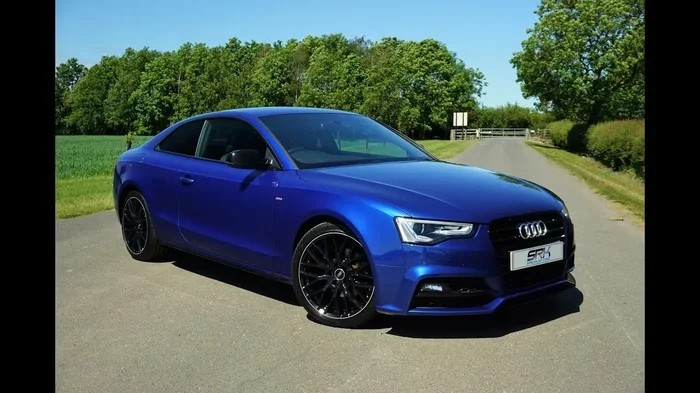
Many people wonder what 20 tint looks like before they commit. After all, you want to make sure you love the appearance of your car. The good news is that 20 tint looks sleek and polished on almost any vehicle. It gives the car a sporty, refined look without going overboard.
What 20 tint looks like is a common search because people want to visualize the result before they buy. The shade appears dark and smooth from the outside. From the inside, it still allows you to see out clearly during the day. At night, visibility drops a bit, but it remains manageable with your headlights on.
The Visual Appearance of 20 Tint
From the outside, 20 tint gives your car a bold, unified look. The windows appear dark and shiny. It makes the car look more expensive and polished. Many luxury and sports car owners choose this shade for exactly that reason.
From the driver’s seat, the view is still quite clear. During daylight hours, you can easily see the road, other cars, and pedestrians. The glare reduction is a big bonus here. Bright sunlight and headlights at night feel much less harsh with 20 tint on your windows.
Inside the car, the atmosphere feels more private and comfortable. People outside cannot easily see your belongings or your passengers. This adds a layer of privacy tint that many car owners appreciate. It also helps protect your interior from sun damage over time.
What 20 Tint Looks Like on Different Car Windows
The look of 20 tint can vary slightly depending on which windows you tint. Here is a quick breakdown:
- Front side windows: Many states only allow 20 tint on the front side windows if they have a mirror finish or special reflective coating. Check your local tint law before applying it here.
- Rear side windows: This is where 20 tint shines the most. The rear windows look uniformly dark and stylish. It gives the back of the car a clean, finished appearance.
- Rear windshield: Tinting the rear windshield with 20 tint is common and legal in most states. It reduces glare from the sun and headlights behind you.
If you want to see how different shades look side by side, check out this window tint VLT chart for a visual reference.
Benefits of Choosing 20 Tint
There are many reasons why 20 tint is such a popular choice. It is not just about looks. The functional benefits are equally impressive. Let us dive into the top reasons car owners love this shade.
Heat Rejection and Comfort
One of the biggest advantages of 20 tint is its ability to reject solar heat. When sunlight hits your car, it turns the interior into an oven. 20 tint blocks a large portion of that heat before it enters. This keeps your car cooler, especially on hot summer days.
Better heat rejection means less reliance on your air conditioning. You can cool down your car faster and save fuel at the same time. Over time, this adds up to real savings at the gas pump. Your passengers also stay more comfortable on long drives.
UV Protection for You and Your Passengers
20 tint blocks a significant amount of harmful UV rays. These rays can cause skin damage and premature aging. They also fade your car’s interior, including the dashboard, seats, and steering wheel.
Quality tint film with 20 tint can block up to 99 percent of UV radiation. That is a huge benefit for daily drivers and families. Your skin stays safer, and your car’s interior looks newer for longer. This is one of the most overlooked advantages of choosing the right tint shade.
Enhanced Privacy and Security
20 tint provides excellent privacy for you and your passengers. People outside cannot easily see what is inside your car. This is especially useful when you park in public areas or leave belongings in the back seat.
The added layer of privacy also acts as a theft deterrent. Thieves are less likely to target a car where they cannot see valuables. For families, this means your children and personal items stay more secure. It is a simple upgrade that makes a real difference in your daily driving experience.
Is 20 Tint Legal?
The legality of 20 tint depends on where you live. Every state has its own tint law that specifies how dark your tint percentage can be. Some states allow 20 tint on all windows, while others restrict it to the rear windows only.
Before you get 20 tint installed, you need to check your local regulations. Getting pulled over for an illegal tint shade can result in a fine. In some states, you may even be required to remove the tint. It is not worth the risk. Always do your research first.
State-by-State Tint Laws
Tint laws vary widely across the United States. For example, some states like Georgia have strict rules about front window tint darkness. Other states are more lenient and allow darker shades on all windows. You can find a detailed Georgia window tint law comparison with other states to understand how laws differ.
Here are some general guidelines that apply in many states:
- Front side windows: Often must allow more than 35 percent light transmission. 20 tint may not be legal here.
- Rear side windows: Usually can be as dark as you want, including 20 tint.
- Rear windshield: Many states allow 20 tint on the rear windshield with a side mirror requirement.
Common Legal Restrictions
Beyond darkness levels, some states also restrict tint film type. Reflective tints, mirrored finishes, and certain colors may be banned. Always check if your state has rules about the type of tint you can use, not just the shade.
If you are unsure about the legal limits, consult a local tint installation shop. They know the current laws and can recommend a legal tint option that still gives you the look and benefits you want.
20 Tint vs Other Tint Percentages
How does 20 tint stack up against other popular shades? Let us compare it to lighter and darker options so you can make an informed decision. Understanding the differences helps you pick the right tint percentage for your needs.
How 20 Tint Compares to Lighter Tints
Lighter tints like 35 percent and 50 percent let more light in. They offer a subtle darkening effect. 20 tint is noticeably darker and provides better heat rejection and privacy. If you want a sporty look with real functional benefits, 20 tint wins over lighter shades.
However, lighter tints are easier to see through at night. If you do a lot of night driving, a 35 percent shade might feel more comfortable. It is all about finding the right balance for your lifestyle.
How 20 Tint Compares to Darker Tints
Darker tints like 5 percent and 10 percent are much more opaque. They provide maximum privacy and a very bold look. But they also reduce visibility significantly. 20 tint offers a much better balance between darkness and safety.
For most drivers, 20 tint is the ideal choice. It is dark enough to look great and provide real benefits, but light enough to stay safe and legal in most areas. If you want to explore all available options, check out this guide on different window tint percentages for a full comparison.
| Tint Percentage | Light Transmission | Darkness Level | Best For |
|---|---|---|---|
| 5% | 5% | Very Dark | Maximum privacy, show cars |
| 10% | 10% | Very Dark | Privacy, luxury look |
| 20% | 20% | Medium-Dark | Style, heat rejection, privacy |
| 35% | 35% | Light-Medium | Subtle look, night driving |
| 50% | 50% | Light | Minimal tint, UV protection |
How Is 20 Tint Installed?
Installing 20 tint is a straightforward process, but the quality of the work matters a lot. A professional installation ensures a bubble-free, smooth finish that lasts for years. Let us look at what the process involves.
DIY vs Professional Installation
Some car owners choose to install tint film themselves. DIY kits are available at auto parts stores and online. They are cheaper upfront, but the results can vary. Poor installation often leads to tint bubbles, peeling, and uneven shading.
Professional installation costs more, but the results are worth it. A skilled technician cuts the film precisely, applies it smoothly, and ensures no air pockets remain. Most professional installations come with a warranty too. If you want the best look and durability, go with a pro.
What to Expect During Installation
A typical tint installation takes one to two hours, depending on the number of windows. The technician will clean your windows thoroughly first. Then they apply the tint film with a special solution that lets them position it perfectly.
After application, the film needs time to cure. During this period, you may see some water bubbles or haze. This is completely normal. It usually clears up within a few days to a week. Avoid rolling down your windows during the curing process to let the film set properly.
The tint cost for 20 tint varies depending on the type of film and the number of windows. Ceramic films cost more but offer superior performance. Dyed films are more affordable but may fade over time. Expect to pay between $100 and $400 for a full car installation.
Quick Tips for Getting the Most Out of Your 20 Tint
- Choose ceramic film for durability: It lasts longer and performs better than dyed options.
- Clean with a soft cloth: Avoid abrasive cleaners that can damage the tint film.
- Wait before rolling windows: Give the film at least 3 to 5 days to cure fully.
- Check your state laws: Make sure your 20 tint is legal before you hit the road.
- Invest in quality: Cheap tint film bubbles and fades faster. Spend a little more for better results.
Common Mistakes to Avoid When Choosing 20 Tint
- Ignoring local laws: Illegal tint can lead to fines and forced removal.
- Choosing the cheapest option: Low-quality tint film bubbles, peels, and fades quickly.
- Skipping professional installation: DIY mistakes often cost more to fix than professional work.
- Not considering your climate: If you live in a hot area, prioritize heat rejection when choosing your tint shade.
- Forgetting about nighttime visibility: Darker tints reduce visibility at night. Make sure 20 tint still works for your driving habits.
Expert Insights on 20 Tint
Industry professionals agree that 20 tint is one of the best all-around choices for car owners. According to experienced tint installation specialists, ceramic 20 tint films have become the go-to option for customers who want both performance and style.
“Most of our customers start with 20 tint and love the balance it offers,” says a leading tint film expert. “It darkens the car beautifully, rejects heat effectively, and stays within legal limits in most states.”
The tint durability of quality ceramic films means your 20 tint can last 10 years or more with proper care. That makes it a smart long-term investment for your vehicle.
Conclusion
20 tint is a fantastic choice for anyone looking to upgrade their car’s appearance and comfort. It offers a great balance of style, heat rejection, UV protection, and privacy. Whether you drive a sedan, SUV, or truck, 20 tint gives your vehicle a polished, finished look.
Before you commit, make sure you understand the legal requirements in your state. Choose a quality tint film and a reputable installer for the best results. And remember, 20 tint is just one option among many tint percentages. If it does not feel right for you, explore lighter or darker shades until you find your perfect match.
The right tint can transform your driving experience. Take your time, do your research, and enjoy the ride with your new 20 tint.
Frequently Asked Questions
Is 20 tint legal in all states?
No, 20 tint legality varies by state. Some states allow it on rear windows only, while others restrict front side windows to lighter shades. Always check your local tint law before installation to avoid fines or removal requirements.
Can I see through 20 tint at night?
Yes, but visibility is reduced compared to lighter tints. With your headlights on and clean windows, 20 tint is generally safe for night driving. However, if you do a lot of night driving, you may prefer a slightly lighter shade like 35 percent.
How long does 20 tint last?
Quality 20 tint films can last 5 to 10 years or more. Ceramic films tend to last the longest and resist fading better than dyed films. Proper care and avoiding harsh cleaners will extend the tint durability significantly.
Does 20 tint block UV rays?
Yes, most quality 20 tint films block up to 99 percent of harmful UV rays. This protects your skin and prevents your car’s interior from fading. It is one of the health benefits that many car owners overlook when choosing a tint shade.
How much does 20 tint cost to install?
The tint cost for 20 tint typically ranges from $100 to $400 for a full car. Ceramic films cost more but offer superior performance and longevity. Dyed films are more affordable but may need replacement sooner. Get quotes from multiple installers in your area.
Can I install 20 tint myself?
You can, but professional installation is recommended. DIY kits are cheaper, but mistakes like tint bubbles, peeling, and uneven application are common. A professional ensures a smooth, bubble-free finish that looks great and lasts longer. If you go the DIY route, follow the instructions carefully and work in a dust-free environment.
=== CONCLUSION ===
20 tint is a versatile and popular choice that works for almost any driver. It delivers a bold look, real functional benefits, and stays within legal limits in most areas. From heat rejection to UV protection to enhanced privacy, the advantages are clear.
Take the time to compare your options, check your local laws, and choose a quality tint film from a trusted installer. Your car will look better, feel more comfortable, and protect you better with the right 20 tint applied. Start your search today and enjoy the difference a great tint can make.