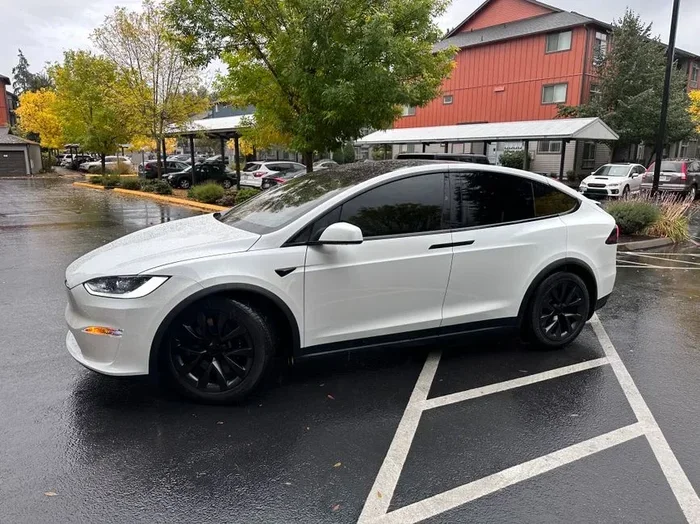
Window Tint VLT Chart What Every Car Owner Should Know
A window tint VLT chart shows how much light passes through your car windows. Understanding Visible Light Transmission helps you pick the right tint percentage for comfort, style, and legal compliance. This guide covers everything from legal tint limits to choosing the best aftermarket tint film for your vehicle.
Have you ever looked at a window tint VLT chart and felt completely lost? You are not alone. Many car owners want to tint their windows but do not know where to start. The Visible Light Transmission chart can seem confusing at first glance. But here is the good news. Once you understand the basics, everything clicks into place.
A window tint VLT chart is simply a tool that shows how much light gets through your car windows. It tells you the tint percentage for every window. Whether you want sun protection, better privacy, or a sleek look, knowing your VLT is the first step. This guide breaks it all down in simple terms. You will learn what VLT means, how to read a chart, and what legal tint limits apply to your vehicle.
By the end of this article, you will feel confident choosing the right tint film for your car. No guesswork. No confusion. Just clear, practical advice that every car owner can use. Let us dive in.
Key Takeaways
- VLT measures light transmission: The lower the number, the darker the tint on your windows.
- Legal limits vary by state: Each state has different tint laws by state for sedans, SUVs, and vans.
- Factory tint differs from aftermarket film: Most factory tints sit around 70-80% VLT, while aftermarket films can go much darker.
- Choosing the right percentage matters: It affects heat rejection, UV protection, visibility, and legality.
- A tint meter helps verify your tint: This tool gives you an accurate reading of your current tint darkness.
- Myths about dark tint are common: Darker does not always mean better protection or more privacy.
📑 Table of Contents
What Is a Window Tint VLT Chart?
Understanding VLT Basics
VLT stands for Visible Light Transmission. It measures the percentage of light that passes through your window glass. A higher VLT number means more light gets through. A lower number means less light passes through, making the window darker.
Think of it like sunglasses for your car. A pair with clear lenses has a high VLT. Dark sunglasses have a low VLT. The same idea applies to car window tinting. When you look at a window tint VLT chart, you are looking at a scale from 0% to 100%. A 100% VLT means no tint at all. The glass is completely clear. A 5% VLT means only 5% of light gets through. That is very dark and often called a “limo tint.”
Most aftermarket tint film options fall somewhere in between. Common choices include 50%, 35%, 20%, and 5%. Each level gives you a different amount of sun protection and privacy. The chart helps you compare these options side by side.
How VLT Is Measured
Professionals use a special tool called a tint meter to measure VLT. This device shines light through the glass and reads how much passes through. It gives you an exact VLT percentage. You can also find VLT values printed on the packaging of window film products.
There are two types of VLT you should know about:
- Total VLT: This is the light transmission of the bare glass before any tint is applied.
- Installed VLT: This is the light transmission after the tint film is applied. It is always lower than the total VLT.
For example, if your factory glass has a 75% VLT and you add a 50% tint film, the installed VLT will be lower. You multiply the two numbers to get the final result. This is why a window tint VLT chart is so helpful. It takes the math out of the equation.
Why VLT Matters for Your Car
Heat Rejection and Comfort
One of the biggest reasons people tint their windows is heat rejection. A good tint film blocks a large portion of solar energy. This keeps your car cooler on hot days. When you park under the sun, dark windows can make a huge difference. You step into a cooler car instead of a sauna.
But here is an important detail. Not all tints block heat the same way. Some light tint films reject heat surprisingly well. They use advanced technology like ceramic or carbon layers. So even a 50% tint percentage can offer excellent solar heat rejection. A window tint VLT chart helps you find the balance between darkness and heat performance.
UV Protection for You and Your Interior
Ultraviolet rays are harmful. They can damage your skin over time. They also fade your dashboard, seats, and steering wheel. Good UV protection from window tinting blocks up to 99% of UV rays. This protects both your health and your car interior.
Here is the key point. UV protection does not always depend on how dark the tint is. Even a light tint can offer strong UV blocking. This is why checking the specifications on a window tint VLT chart is not enough on its own. You also need to look at the film’s UV rejection rating. Always ask your installer about UV protection when choosing a window film.
Privacy and Glare Reduction
Many car owners love privacy tint for good reason. It makes it harder for people outside to see into your car. This is especially useful when you park in public areas or leave valuables inside. A darker tint darkness gives you more privacy during the day.
Glare reduction is another big benefit. Sun glare and headlight glare from other cars can be distracting and dangerous. Tinted windows cut down on this glare significantly. This makes driving more comfortable, especially during long road trips or on bright, sunny days.
Legal Tint Limits by Vehicle Type
Sedan Tint Laws
Tint laws by state vary quite a bit. Each state sets its own rules for how dark your tint can be. For sedans, the rules usually apply to the front side windows, rear side windows, and rear windshield. Most states allow a certain VLT percentage for each window.
In many states, the front side windows must allow at least 70% VLT. This means you can only go down to a 30% tint percentage on the front doors. Rear windows often have more relaxed rules. Some states allow 20% or even 5% VLT on the back seats. But these rules change from state to state. Always check your local legal tint limits before purchasing any film.
SUV and Van Tint Laws
SUVs and vans often have different rules compared to sedans. In many states, the front side windows still follow the same VLT limits. But rear windows on SUVs and vans can usually be tinted darker. This is because rear passengers are farther from the driver. The logic is that darker rear windows do not affect the driver’s view as much.
However, some states treat all vehicles the same. They apply the same legal tint limits regardless of vehicle type. This is another reason to look up your specific tint laws by state. A quick online search or a visit to your local DMV website will give you the exact numbers. Do not guess. Getting caught with illegal tint darkness can result in fines and required removal.
Windshield Tint Rules
Windshield tint rules are the strictest of all. In most states, you cannot tint the windshield at all. The only exception is a windshield tint strip along the top. This strip is usually no wider than a few inches. It sits below the manufacturer’s shade band. Some states allow this strip with a VLT of 70% or higher.
Never assume you can tint your full windshield. The rules exist for safety reasons. The windshield provides a clear view of the road, especially at night and in bad weather. Violating windshield tint rules can lead to citations and failed inspections. Always double-check what is allowed before you commit to any car window tinting project.
How to Read and Use a Window Tint VLT Chart
Finding Your Current Tint Level
If you bought a used car and do not know the current tint percentage, you have options. The easiest way is to use a tint meter. This handheld device reads the VLT of each window. You place it against the glass, and it gives you an instant reading.
Many auto shops and tint dealers offer free VLT readings. You can also purchase a basic tint meter online for under $50. Once you know your current VLT percentage, you can compare it to a window tint VLT chart. This tells you whether your tint is legal, too dark, or too light for your needs.
Another trick is to check the vehicle’s documentation. Some manufacturers list the factory tint VLT in the owner’s manual. You can also ask the previous owner if they remember what tint percentage they used. But the most reliable method is always a tint meter reading.
Comparing Tint Films Side by Side
A good window tint VLT chart lets you compare different films easily. You can see how each film performs in terms of VLT, heat rejection, and UV protection. This side-by-side comparison makes it much easier to choose.
Here is a simple way to think about it. Imagine you are comparing two films. Film A has a 35% VLT and blocks 50% of heat. Film B has a 20% VLT and blocks 65% of heat. Both offer good sun protection. But Film B is darker and blocks more heat. Film A lets in more light, which might be better for nighttime driving. The chart helps you weigh these trade-offs clearly.
When comparing films, look beyond just the VLT number. Consider the film type, the warranty, and the brand reputation. High-quality window film from reputable brands often comes with a lifetime warranty. Cheaper films may fade or bubble over time. The chart is your starting point, but the film quality matters just as much.
Choosing the Right Tint Percentage for Your Needs
Matching VLT to Your Driving Style
Your driving habits should guide your choice. If you drive mostly during the day in sunny areas, a darker tint percentage might work well. Something around 20% to 35% VLT offers great heat rejection and privacy. You will stay cooler and more comfortable on long drives.
If you drive a lot at night or in areas with poor lighting, consider a lighter tint. A 50% VLT or higher keeps your visibility strong. You will still get UV protection and some heat rejection without sacrificing safety. The best window tint VLT chart helps you find this balance based on your specific needs.
Think about who rides in your car most often. If you have passengers who value privacy, a darker rear tint might be a good choice. If you carry children or pets, you might prefer a lighter tint for easier monitoring. There is no one-size-fits-all answer. The right choice depends on your personal situation.
Quick Tips for Picking the Best Film
Here are some practical tips to keep in mind when selecting your tint film:
- Check local laws first: Always verify legal tint limits in your state before buying.
- Ask about heat rejection: A higher heat rejection rate means a cooler car interior.
- Look for UV protection claims: Aim for films that block at least 99% of UV rays.
- Consider the warranty: Quality films come with warranties that cover bubbling, peeling, and fading.
- Do not forget about the front windshield: Remember that most states only allow a thin windshield tint strip.
- Factor in professional installation: A professional install reduces bubbles and ensures even coverage.
These tips save you from common mistakes. They help you get the most value from your investment in car window tinting. A window tint VLT chart works best when you pair it with smart decision-making.
Common Myths About Window Tint VLT
Myth 1: Darker Tint Means Better Protection
This is one of the most widespread window tinting myths. Many people believe that the darker the tint, the better the protection. In reality, UV protection and heat rejection depend on the film’s material and technology, not just its darkness. Some high-quality light tint films outperform cheap dark films in both categories.
The tint percentage mainly controls how much light passes through and how dark the window looks. It does not directly determine how much heat or UV radiation is blocked. Always check the film’s specifications rather than assuming darker is better. A reliable window tint VLT chart helps you separate fact from fiction.
Myth 2: All Tint Films Are the Same
Not all window film products are created equal. There is a big difference between budget films and premium films. Cheap dyed films fade over time and may bubble within a year or two. High-quality ceramic or carbon films last much longer and perform better.
Premium films also offer better solar heat rejection without relying on extreme darkness. They maintain clarity and do not interfere with electronic signals like GPS or phone reception. When you use a window tint VLT chart, look at the full picture. Compare film types, materials, and warranties side by side. The cheapest option is rarely the best value in the long run.
Myth 3: Factory Tint and Aftermarket Tint Are the Same
This is another misconception that trips up many car owners. Factory tint is the tint built into the glass during manufacturing. It is usually a light shade with a VLT around 70% to 80%. It provides a subtle look and basic UV protection.
Aftermarket tint film is applied after the car is built. It comes in many different shades and VLT levels. You can choose anything from a barely noticeable tint to a very dark privacy tint. The two are not the same, and they serve different purposes. When reading a window tint VLT chart, make sure you know whether the values refer to factory glass or aftermarket film.
Key Takeaways
Understanding a window tint VLT chart empowers you as a car owner. You no longer have to rely on guesswork or someone else’s opinion. You can make informed decisions about your car window tinting project. The chart gives you clarity on tint darkness, legal compliance, and performance.
Remember that every vehicle and every state has different rules. What works for one car owner may not work for another. Use the chart as your guide, but always pair it with research on your local tint laws by state. Choose a film that matches your driving habits, climate, and personal preferences.
A great window tint VLT chart is more than just a reference tool. It is your roadmap to better comfort, protection, and style for your car. Take the time to understand it. Your future self will thank you every time you get behind the wheel.
Now that you know how to read and use a window tint VLT chart, you are ready to take action. Whether you want a subtle light tint or a bold dark tint, the right choice is waiting for you. Do your research, check your local laws, and enjoy the benefits of properly tinted windows.
Frequently Asked Questions
What does VLT stand for in window tinting?
VLT stands for Visible Light Transmission. It measures the percentage of light that passes through your window glass or tint film. A higher VLT means more light gets through, while a lower VLT means the window is darker.
Is a 5% tint legal in all states?
No, a 5% tint is illegal in most states. Very dark tints like 5% are often restricted to rear windows only, and even then, only in certain states. Always check your local legal tint limits before applying any tint film.
Can I measure my current tint VLT at home?
Yes, you can use a handheld tint meter to measure your current VLT at home. These devices are affordable and easy to use. They give you an accurate reading of how much light passes through each window.
Does factory tint count toward legal VLT limits?
In most states, yes. When checking legal tint limits, the total VLT includes both factory tint and any aftermarket film. If your factory glass has a 75% VLT and you add a 50% film, the combined VLT is lower and must still meet state requirements.
What is the best VLT for hot climates?
For hot climates, a 20% to 35% VLT on rear windows offers excellent heat rejection while staying within most legal limits. Look for films with high solar heat rejection ratings and strong UV protection for maximum comfort.
How often should I replace my window tint film?
Quality window film can last 10 to 20 years with proper care. Budget films may need replacement after 3 to 5 years. Signs that it is time for a replacement include bubbling, peeling, fading, or cracking of the film.