What Does 20 Tint Look Like on Your Vehicle Windows
20% tint gives your car a sleek, dark look that balances style and function. This shade blocks a good amount of sunlight, cuts down on glare, and adds a layer of privacy for you and your passengers. Many car owners choose 20% tint because it looks great, keeps the interior cooler, and is often legal on rear windows in most states.
Have you ever driven past a car and noticed how the windows look dark and sleek? That is the magic of 20% tint. If you have been wondering what does 20 tint look like, you are in the right place. This shade is one of the most popular choices among car owners. It strikes a perfect balance between looks and function. In this guide, we will walk you through everything you need to know about 20% window tint. We will cover what it looks like, how it compares to other shades, the benefits it offers, and what to watch out for. By the end, you will know exactly whether 20 tint is the right choice for your vehicle.
Window tinting is more than just a cosmetic upgrade. It protects your car interior from sun damage. It reduces glare on bright days. And it gives you a level of privacy that plain glass simply cannot match. 20% tint falls in the medium-dark range. It is dark enough to look stylish and provide real benefits. But it is not so dark that it makes driving at night difficult. That is why so many people love it. Let us dive into what 20% tint really looks like and why it might be the best option for your car.
Key Takeaways
- 20% tint looks dark but not pitch black: It offers a noticeable shade while still letting in enough light for safe driving.
- It provides solid heat rejection and UV protection: Your car interior stays cooler and lasts longer.
- Legal rules vary by state: Always check your local tint laws before installing.
- Professional installation makes a big difference: A proper job avoids bubbles and peeling.
- 20% tint works well for both aesthetics and function: It gives your car a polished, custom look.
- It is one of the most popular tint levels: Many drivers choose it as the sweet spot between style and visibility.
📑 Table of Contents
What Does 20% Tint Look Like in Real Life?
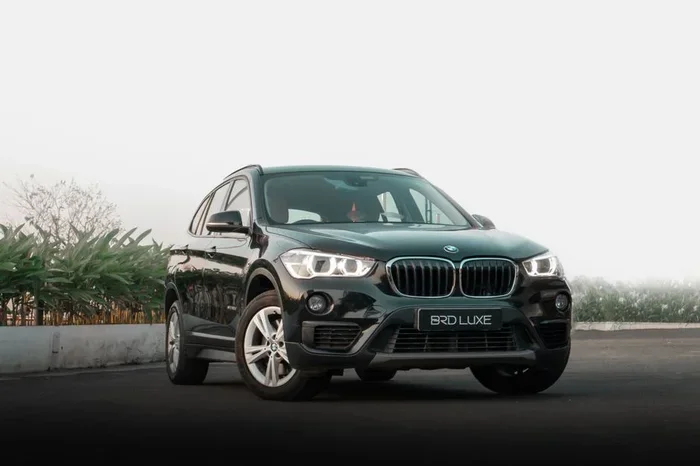
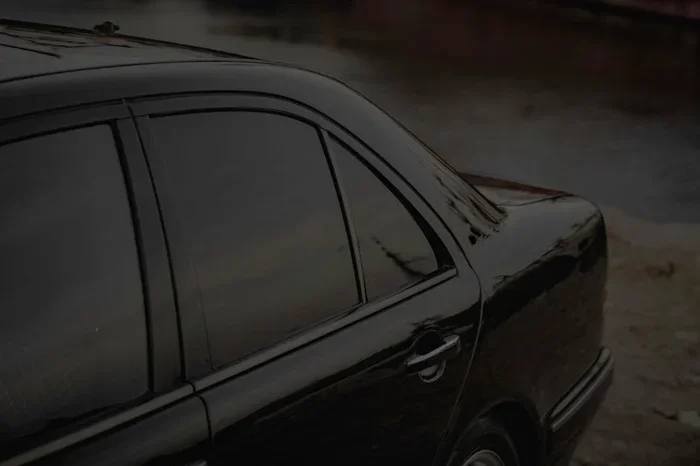
When you first see a car with 20% tint, the windows look noticeably darker than factory glass. From the outside, the windows have a smooth, uniform dark appearance. They are not jet black like some extreme tints. But they are definitely not light or barely visible. 20% tint gives your car a polished, finished look. It makes the whole vehicle feel more cohesive and styled.
How It Looks from the Inside
From the inside of the car, 20% tint feels comfortable. You can still see through the windows clearly during the day. The view is slightly darker than normal glass, but it does not feel like you are looking through sunglasses. At night, visibility is still good, especially on well-lit roads. 20 tint does not make your car feel like a cave. It keeps the interior feeling open while adding that dark, sleek aesthetic.
How It Looks from the Outside
From the outside, 20% tint gives your car a sporty, refined appearance. The windows look dark and uniform. People will notice the difference. It gives the vehicle a custom-built feel even if it is a stock model. 20 tint works especially well on sedans, SUVs, and trucks. It adds depth and contrast to the overall look of the car.
Inside vs Outside Appearance
The difference between inside and outside views is subtle but real. From outside, the tint looks darker because you are seeing the reflective surface. From inside, the view is lighter and clearer. This is normal for all window tint film products. The reflectivity of the film plays a big role in how dark the tint appears from different angles.
How 20 Tint Compares to Other Tint Levels
Not all tint shades are the same. The percentage refers to the visible light transmission, or VLT. This measures how much light passes through the film. A lower percentage means a darker tint. A higher percentage means a lighter tint. Understanding this helps you pick the right shade for your needs.
20% Tint vs 5% Tint
5% tint is very dark. It is often called “limo tint.” From the outside, you barely see through the windows. 20% tint is much lighter and more practical for daily driving. While 5% tint looks dramatic, it can be unsafe for front windows. 20 tint gives you a dark look without sacrificing safety.
20% Tint vs 35% Tint
35% tint is a medium shade. It is lighter than 20% tint and still provides good heat rejection. The difference between 20% and 35% is noticeable. 20% tint looks darker and more premium. 35% tint looks more subtle. Both are great options depending on your style preference.
20% Tint vs 50% Tint
50% tint is quite light. It offers mild shading and decent UV protection. 20% tint provides a much darker, more dramatic look. If you want real privacy and heat reduction, 20 tint is the better choice. If you prefer a barely-there look, 50% might work for you.
20% Tint vs 70% Tint
70% tint is almost clear. It is mostly used for UV protection rather than aesthetics. 20% tint is in a completely different league when it comes to appearance. The two serve very different purposes. Most people choosing between these shades are looking for either subtle protection or bold style.
Visual Comparison of Tint Levels
Here is a simple way to think about it. Imagine a scale from light to dark:
- 70% tint: Nearly clear. Very subtle.
- 50% tint: Light shade. Mild look.
- 35% tint: Medium shade. Noticeable but light.
- 20% tint: Dark shade. Premium look.
- 5% tint: Very dark. Limo-style tint.
20% tint sits right in the middle of the darker end. It is dark enough to make a statement but light enough for safe driving.
Benefits of Choosing 20% Tint for Your Vehicle
There are many reasons why 20% tint is a top choice for car owners. It is not just about looks. The functional benefits are real and meaningful. Let us break down why so many drivers choose this shade.
Heat Rejection and Solar Heat Reduction
One of the biggest benefits of 20% tint is heat rejection. The film blocks a significant amount of solar heat from entering your car. On a hot summer day, this makes a huge difference. Your interior stays cooler. Your air conditioning does not have to work as hard. This can even improve fuel efficiency over time. 20 tint rejects more heat than lighter shades like 35% or 50%.
UV Protection for Your Skin and Interior
20% tint blocks a large portion of harmful UV rays. This protects your skin during long drives. It also protects your car interior. The dashboard, seats, and trim last longer when they are not exposed to constant sun. UV protection is one of the most underrated benefits of window tinting. With 20 tint, you get strong protection without going too dark.
Privacy and Security
20% tint gives you a solid level of privacy. People outside cannot easily see into your car. This is great for parking in public areas. It also adds a layer of security. Valuables inside your car are less visible to potential thieves. Privacy tint at 20% is dark enough to feel secure without being overly obscure.
Glare Reduction
Driving with too much glare is dangerous and uncomfortable. 20% tint reduces glare from the sun and from headlights at night. This makes your driving experience more comfortable. You can focus on the road instead of squinting. Glare reduction is one of the practical reasons many drivers choose 20 tint over lighter shades.
Aesthetics and Exterior Appearance
Let us be honest. 20% tint looks amazing. It gives your car a custom, high-end look. The dark windows create a striking contrast with the rest of the vehicle. Whether you drive a sedan, SUV, or truck, 20 tint enhances the overall exterior appearance. It is one of the easiest car accessories upgrades you can make.
Interior Comfort
Beyond the visual benefits, 20% tint improves interior comfort. The car stays cooler in summer. The seats do not get blazing hot to the touch. The steering wheel is more comfortable to grip. These small comfort improvements add up over time. Interior comfort is a major reason drivers invest in quality tint shade options.
Legal Considerations for 20 Tint
Before you install 20% tint, you need to know the legal rules. Tint laws vary by state and country. Some areas are very strict about how dark your tint can be. Others are more relaxed. Understanding the rules helps you avoid fines and legal trouble.
Understanding Tint Laws and Legal Limits
Most states have different rules for front side windows, rear side windows, and the rear windshield. In many places, 20% tint is legal on rear windows but not on front windows. Some states allow 20 tint on all windows if the front windows have a higher VLT. Always check your local legal tint limits before making a purchase.
Here are some general guidelines to keep in mind:
- Front side windows: Many states require 70% or higher VLT for front windows.
- Rear side windows: 20% tint is often legal on rear side windows.
- Rear windshield: Most states allow darker tint on the rear windshield.
- Medical exemptions: Some states allow darker tints with a doctor’s prescription.
Medical Exemptions for Darker Tint
If you or a passenger has a medical condition that makes you sensitive to sunlight, you may qualify for a medical exemption. This allows you to use darker tint than what is normally legal. Check with your local DMV or tint shop for details. 20% tint is often within the range allowed even without an exemption on rear windows.
What Happens If You Violate Tint Laws?
Tint violations can result in fines. In some cases, you may be required to remove the tint. This is why it is so important to know the rules before you get aftermarket tint installed. Staying within legal limits saves you money and headaches.
Tips for Getting the Best 20% Tint Installation
Installation quality makes a huge difference in how your 20% tint looks and performs. A bad installation can lead to bubbles, peeling, and an ugly finish. Here are some tips to make sure you get the best results.
Choosing the Right Film Type
Not all window tint film is created equal. There are several types to consider:
- Dyed film: Affordable and common. It provides basic tint and heat absorption.
- Metallic film: Better heat rejection. It has a shiny, reflective look.
- Carbon film: Matte finish. No fading over time. Great for 20% tint.
- Ceramic film: The premium option. Excellent heat rejection and clarity.
For 20 tint, carbon or ceramic films are excellent choices. They look great and last a long time. They do not fade or turn purple like cheaper dyed films.
What to Expect During Installation
A professional installation usually takes one to two hours for a full car. The installer will clean your windows thoroughly. They will cut the film to match each window precisely. The process requires patience and skill. Make sure you choose a reputable shop with good reviews.
Aftercare Tips for Your 20% Tint
After installation, give your tint time to cure. Avoid rolling down your windows for at least three to five days. Do not clean the inside of the windows for a few days. Use a soft cloth and gentle cleaner once the tint is fully cured. Proper aftercare extends the life of your tint darkness and keeps it looking great for years.
Common Mistakes to Avoid with 20 Tint
Even though 20% tint is a popular and practical choice, some common mistakes can ruin the experience. Here is what to watch out for.
Choosing the Wrong Darkness Level
Some people pick a tint shade without thinking about their climate and driving conditions. If you live in a very hot area, you might want a darker shade for better heat rejection. If you drive a lot at night, a slightly lighter shade might be safer. 20 tint is a great middle ground, but it is not perfect for everyone.
Skipping Professional Installation
DIY tint kits are tempting because they save money. But they often lead to bubbles, wrinkles, and uneven application. Professional installation ensures a clean, smooth finish. It is worth the extra cost for a job that looks great and lasts longer.
Ignoring Local Tint Laws
This cannot be stressed enough. Ignoring legal tint limits can lead to fines and forced removal. Always research your local laws before getting tinted windows. When in doubt, ask your tint shop. They usually know the rules well.
Buying Cheap, Low-Quality Film
Cheap window tint film fades, bubbles, and peels over time. It may look fine at first, but it will not last. Investing in a quality film saves you money in the long run. Look for reputable brands that offer warranties.
Forgetting About Warranty and Maintenance
Good tint shops offer warranties on their work and materials. Take advantage of this. Also, maintain your tint properly. Avoid harsh chemicals when cleaning. Use a soft microfiber cloth. These small steps keep your 20% tint looking sharp for years.
Conclusion
20% tint is one of the best choices you can make for your vehicle. It looks dark, stylish, and premium. It provides real benefits like heat rejection, UV protection, glare reduction, and privacy. It is legal on many windows in most states. And it is popular for good reason. If you have been asking yourself what does 20 tint look like, now you know. It looks sleek, it feels comfortable, and it makes your car stand out.
Whether you want to upgrade the look of your car or protect your interior from sun damage, 20 tint delivers on both fronts. Choose a quality film, go with professional installation, and follow the legal rules in your area. With the right approach, your 20% window tint will look amazing and perform well for many years to come. Take the next step and explore your tinting options today. Your car and your driving experience will thank you.
Frequently Asked Questions
Is 20% tint legal on front windows?
In most states, 20% tint is not legal on front side windows. Many states require a higher VLT, usually 70% or more, for the driver and passenger front windows. However, laws vary widely, so always check your local regulations before getting tinted windows installed on the front.
Can you see through 20% tint at night?
Yes, you can generally see through 20% tint at night, especially on well-lit roads. The tint is dark enough to reduce glare but not so dark that it blocks your vision. Interior lights and streetlights help maintain good visibility. That is one reason 20 tint is a popular choice for daily driving.
How long does 20% tint last?
With proper care and quality film, 20% tint can last anywhere from five to ten years. Ceramic and carbon films tend to last the longest. Dyed films may fade or peel sooner. Choosing a reputable brand and professional installation greatly extends the lifespan of your window tint film.
Does 20% tint block UV rays?
Yes, 20% tint blocks a significant amount of harmful UV rays. Most quality tint shade products block 99% or more of UV radiation. This protects your skin and prevents your car interior from fading. It is one of the most practical benefits of choosing 20 tint for your vehicle.
How much does 20% tint cost?
The cost of 20% tint varies depending on the film type, your vehicle size, and the shop you choose. On average, a full-car window tinting job ranges from $200 to $500. Ceramic films cost more but offer the best performance. Always get quotes from a few local shops before deciding.
What is the difference between 20% tint and 35% tint?
The main difference is darkness. 20% tint is darker and provides more privacy and heat rejection. 35% tint is lighter and offers a more subtle look. Both are great options. Your choice depends on your style preference, driving conditions, and local legal tint limits. 20 tint is ideal if you want a bold, premium appearance.