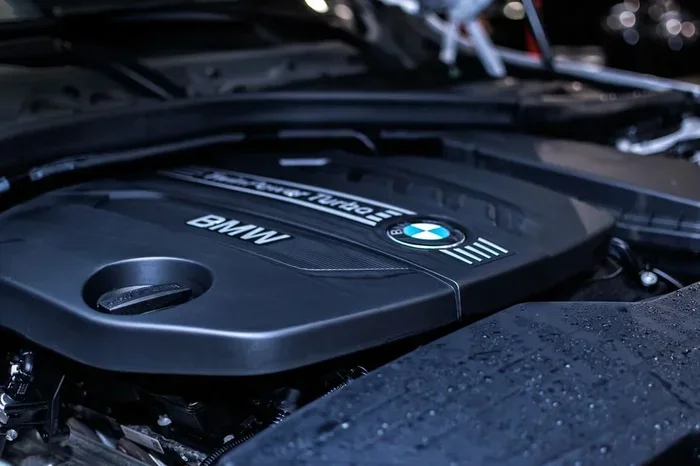
What Oil Should 2006 BMW 320d Take For Smooth Running
The 2006 BMW 320d needs a high-quality synthetic oil that meets BMW LL-04 specifications, typically 5W-30 or 5W-40 viscosity. Using the wrong oil can damage your N47 diesel engine and void your warranty. This guide covers the exact oil grade, capacity, and change intervals to keep your BMW running strong.
Choosing the right engine oil for your 2006 BMW 320d is one of the simplest yet most important things you can do for your car. The wrong oil can lead to poor fuel economy, increased wear, and even serious engine damage over time. Many owners get confused by the numbers and specifications on oil bottles, but it does not have to be complicated.
This guide breaks down exactly what oil 2006 BMW 320d take needs to run at its best. We will cover the right viscosity grades, BMW specifications, and practical tips for your next oil change. Whether you are a DIY mechanic or just want to understand what your shop is doing, this article has you covered.
Key Takeaways
- Use LL-04 approved synthetic oil: BMW requires oils that meet their strict LL-04 standard for diesel engines.
- 5W-30 or 5W-40 viscosity is ideal: These grades offer the best protection for the N47 engine in all seasons.
- Oil capacity is around 6.5 liters: This includes the oil filter change for a full service.
- Change oil every 10,000 to 15,000 miles: BMW diesel engines have longer oil change intervals than gasoline models.
- Always use a BMW OEM or quality aftermarket oil filter: Cheap filters can compromise engine protection.
- Check oil level regularly: The N47 engine is known for oil consumption, so monitoring is essential.
- Never mix oil types: Stick with one brand and specification for consistent performance.
📑 Table of Contents
- Understanding the 2006 BMW 320d Engine
- What Oil 2006 BMW 320d Take: The Right Specifications
- Synthetic vs Conventional Oil for Your BMW
- How to Change Oil in Your 2006 BMW 320d
- Oil Change Intervals for the 2006 BMW 320d
- Common Oil Mistakes to Avoid
- Expert Tips for Keeping Your BMW 320d Engine Healthy
- Comparison: Recommended Oils for the 2006 BMW 320d
- Frequently Asked Questions
Understanding the 2006 BMW 320d Engine
The 2006 BMW 320d is powered by the N47 diesel engine, a four-cylinder turbocharged powerplant known for its torque and fuel efficiency. This engine was a big step forward for BMW’s diesel lineup, offering a great balance of performance and economy. But with that performance comes specific oil requirements that you must follow.
Why the N47 Engine Needs Special Oil
Diesel engines work differently from gasoline engines. They operate at higher compression ratios and produce more soot during combustion. This means the diesel engine oil needs to handle more stress and keep deposits under control. The N47 engine also has variable valve timing and precision components that need clean, well-lubricated oil to function properly.
BMW designed the N47 to work best with oils that provide excellent thermal stability and soot dispersion. Using a generic or incorrect oil can lead to faster wear on the turbocharger, injectors, and internal bearings. The engine also relies on oil to cool certain components, so the oil must maintain its properties under high temperatures.
What Oil 2006 BMW 320d Take: The Right Specifications
The most important thing to know is that BMW has a specific oil specification for the 320d. The oil must meet the BMW Longlife-04 (LL-04) standard. This is a diesel-specific specification that ensures the oil can handle the unique demands of BMW’s diesel engines.
Viscosity Grades: 5W-30 vs 5W-40
BMW recommends two main viscosity grades for the 2006 320d:
- 5W-30: This is the preferred grade for most driving conditions. It flows well in cold weather and provides excellent fuel efficiency. If you live in a moderate climate, 5W-30 is the go-to choice.
- 5W-40: This grade is slightly thicker at operating temperature. It is a good choice if you drive in very hot climates or if your car has higher mileage and the engine tolerances have widened slightly.
Both grades are fully synthetic and meet the LL-04 specification. You should never use 10W-40 or any other non-recommended grade in this engine. The “W” stands for winter, and the number before it indicates how the oil flows in cold temperatures. Lower numbers mean better cold-start protection.
BMW LL-04 Oil Standard Explained
The LL-04 specification is BMW’s own standard for diesel engine oils. It requires the oil to have specific properties:
- Excellent soot control to prevent sludge buildup
- High thermal stability to resist breakdown at high temperatures
- Good fuel economy characteristics
- Protection for the diesel particulate filter (DPF)
- Compatibility with BMW’s engine seals and gaskets
When you buy oil for your 2006 BMW 320d, look for the LL-04 approval on the back of the bottle. Popular brands that meet this standard include Castrol Edge, Mobil 1, and Liqui Moly. Always double-check the label to confirm the specification before you buy.
Synthetic vs Conventional Oil for Your BMW
BMW 320d engines require full synthetic oil. There is no reason to use conventional or semi-synthetic oil in a modern BMW diesel. Synthetic oil offers superior protection in several key areas.
Why Full Synthetic Is the Only Choice
Synthetic oil is engineered in a lab to have perfectly uniform molecules. This means it flows more smoothly, resists breakdown better, and protects your engine more effectively than conventional oil. For a turbocharged diesel engine like the N47, this is especially important.
Here is why synthetic oil matters for your BMW 320d:
- Better cold-start protection: Synthetic oil reaches vital engine parts faster when you start the car.
- Higher heat resistance: It does not break down as quickly under high temperatures.
- Longer service life: Synthetic oil can go longer between changes without losing its properties.
- Improved fuel economy: Lower friction means your engine does not work as hard.
Using conventional oil in a BMW 320d is a common mistake that some owners make. It might save a little money upfront, but it can cost you more in the long run through increased wear and potential repairs. Always go with a quality synthetic diesel oil that meets LL-04.
How to Change Oil in Your 2006 BMW 320d
Changing the oil in your BMW 320d is a straightforward process that you can do at home with basic tools. If you prefer to have a professional handle it, understanding the process helps you ensure you are getting good service. For a detailed step-by-step guide, check out our article on how to change oil in car which covers general oil change procedures in depth.
What You Will Need
- Approximately 6.5 liters of BMW-approved LL-04 synthetic oil (5W-30 or 5W-40)
- A quality BMW-compatible oil filter
- A 32mm oil filter wrench
- A socket set and drain pan
- Jack stands or a ramp for safe access
- Clean rags and gloves
The Oil Change Process
Start by warming up the engine for a few minutes. This helps the oil flow out more completely. Then, jack up the car safely and place it on stands. Locate the drain plug on the bottom of the oil pan and remove it. Let the old oil drain completely into your pan.
Next, remove the old oil filter using the 32mm wrench. Before installing the new filter, lightly coat the rubber gasket with a little fresh oil. This ensures a proper seal and makes future filter changes easier. Install the new filter by hand and tighten it snugly, but do not overtighten.
Replace the drain plug with a new washer and tighten it to the proper torque. Now you can fill the engine with your new synthetic diesel oil. Start the engine and let it run for a minute, then check for leaks. Turn off the engine and wait a few minutes for the oil to settle, then check the level with the dipstick.
Oil Capacity and Filter Details
The 2006 BMW 320d N47 engine holds approximately 6.5 liters of oil with the filter change. Always use a BMW OEM oil filter or a high-quality aftermarket equivalent. The oil filter plays a big role in keeping contaminants out of your engine, so do not cheap out on this part.
Oil Change Intervals for the 2006 BMW 320d
BMW recommends changing the oil in your 320d every 10,000 to 15,000 miles under normal driving conditions. This is longer than many gasoline engines because diesel oil has different properties and the N47 engine is designed for extended drain intervals.
Factors That Shorten Oil Life
However, not all driving is “normal.” Certain conditions can shorten the life of your oil significantly:
- Short trips: If you frequently drive less than 5 miles, the engine does not reach full operating temperature. This causes moisture and fuel to contaminate the oil faster.
- Stop-and-go traffic: Heavy traffic puts more stress on the engine and the oil.
- Towing or heavy loads: Extra strain on the diesel engine means the oil degrades faster.
- Extreme temperatures: Very hot or very cold climates can affect oil performance.
If you drive in any of these conditions, you should consider shortening your oil change interval to every 7,000 to 8,000 miles. It is better to change the oil a little early than to risk engine damage.
How to Check Your Oil Level
The BMW 320d has an electronic oil level check that you can access through the instrument cluster. However, it is also a good idea to check the oil manually with the dipstick every few weeks. The N47 engine is known for consuming a small amount of oil, so regular checks help you catch any issues early.
If you notice the oil level dropping quickly, it could indicate worn piston rings or a leaking gasket. Addressing oil consumption issues early can prevent bigger problems down the road.
Common Oil Mistakes to Avoid
Even experienced car owners can make mistakes when it comes to choosing and changing oil. Here are the most common errors to avoid with your 2006 BMW 320d.
Using the Wrong Oil Specification
The biggest mistake is using an oil that does not meet the LL-04 standard. Some owners see “5W-30” on a bottle and assume it is compatible, but the specification matters just as much as the viscosity. Always check for the BMW LL-04 approval on the label.
Overfilling the Oil
Adding too much oil can cause foaming, which reduces lubrication and can damage the engine. Stick to the recommended capacity of 6.5 liters and always check the level after filling. If you are unsure, it is better to add a little less and top up later.
Ignoring the Oil Filter
A new oil filter is just as important as the oil itself. The filter traps contaminants and keeps them from circulating through your engine. Reusing an old filter or using a low-quality one can negate the benefits of fresh oil.
Skipping Oil Changes
It can be tempting to stretch the oil change interval, especially if the car does not seem to have any issues. But diesel oil breaks down over time and loses its protective properties. Staying on top of your oil changes is one of the cheapest ways to protect your engine.
Expert Tips for Keeping Your BMW 320d Engine Healthy
Beyond just choosing the right oil, there are several habits that can help your N47 engine last for many miles. These tips come from experienced BMW mechanics and diesel specialists.
Let the Engine Warm Up
Before you drive off hard, give the engine a minute or two to warm up. This allows the oil to circulate fully and reach all the moving parts. In cold weather, this is especially important because 5W-30 oil needs a moment to flow properly at low temperatures.
Monitor Oil Consumption
The N47 engine is known to consume a small amount of oil between changes. BMW considers up to one liter per 1,000 miles as normal, but if you are using more than that, it is worth getting checked. Early detection of oil consumption issues can save you from expensive repairs.
Use Quality Fuel
Diesel fuel quality varies by station and region. Using clean, high-quality fuel helps keep your engine and oil cleaner for longer. Consider adding a diesel fuel additive if you frequently use fuel from less reputable stations.
Keep Records
Maintain a log of your oil changes, including the date, mileage, oil brand, and viscosity. This not only helps you stay on track but also adds value if you ever decide to sell the car. A well-documented maintenance history gives buyers confidence in the vehicle.
Comparison: Recommended Oils for the 2006 BMW 320d
Here is a quick comparison of some popular oils that meet the BMW LL-04 specification for your 320d.
| Oil Product | Viscosity | Specification | Best For |
|---|---|---|---|
| Castrol Edge 5W-30 | 5W-30 | LL-04 | All-around daily driving |
| Mobil 1 5W-30 | 5W-30 | LL-04 | Long drain intervals |
| Liqui Moly Top Tec 4200 | 5W-30 | LL-04 | European cars |
| Shell Helix Ultra 5W-40 | 5W-40 | LL-04 | High-mileage or hot climates |
| Motul 8100 5W-30 | 5W-30 | LL-04 | Performance driving |
All of these oils are fully synthetic and meet the BMW LL-04 requirement. Choose the viscosity based on your climate and driving habits. If you are unsure, 5W-30 is the safest and most versatile choice for most owners.
Frequently Asked Questions
Can I use 5W-40 instead of 5W-30 in my 2006 BMW 320d?
Yes, BMW approves both 5W-30 and 5W-40 for the N47 engine in the 2006 320d. Use 5W-40 if you live in a very hot climate or if your car has higher mileage. Both grades meet the LL-04 specification and provide excellent protection.
How much oil does the 2006 BMW 320d take?
The N47 engine in the 2006 BMW 320d holds approximately 6.5 liters of oil with the filter change. Always refill to the correct level using the dipstick, and avoid overfilling as it can cause engine damage.
Is it okay to use regular diesel oil instead of BMW LL-04 oil?
No, regular diesel oil does not meet the specific requirements of the BMW N47 engine. The LL-04 specification ensures the oil can handle the higher soot levels, turbocharger demands, and precision components found in BMW diesel engines. Always use LL-04 approved oil.
How often should I change the oil in my 2006 BMW 320d?
Under normal driving conditions, change the oil every 10,000 to 15,000 miles. If you drive in severe conditions like short trips, heavy traffic, or extreme temperatures, consider shortening the interval to every 7,000 to 8,000 miles for best protection.
Can I use conventional oil in my BMW 320d?
No, BMW requires full synthetic oil for the 320d diesel engine. Conventional oil does not provide the same level of protection, thermal stability, or soot control that the N47 engine needs. Always choose a quality synthetic oil that meets the LL-04 standard.
What happens if I put the wrong oil in my BMW 320d?
Using the wrong oil can lead to increased engine wear, poor fuel economy, sludge buildup, and potential damage to the turbocharger or diesel particulate filter. If you accidentally put in the wrong oil, have it drained and replaced with the correct BMW-approved oil as soon as possible.