Towbar Meaning Explained Simply What You Need to Know
The towbar meaning is simple: it is a metal bar attached to your vehicle that allows you to safely pull a trailer, caravan, or bike rack. Understanding towbar basics helps you choose the right fit for your car and stay safe on the road. This guide covers every aspect of towbars, from types and fitting to towing regulations and safety tips.
Have you ever wondered what a towbar actually is and why so many vehicles have one attached to the back? The towbar meaning might seem obvious to some, but if you are new to towing or shopping for accessories, the details can feel confusing. A towbar is a sturdy metal bar fixed to the rear of a vehicle. It connects your car to a trailer, caravan, or other towing load. Think of it as the bridge between your vehicle and whatever you are pulling behind it.
Understanding the towbar meaning goes beyond just the metal bar itself. It involves knowing the different types available, how they fit, what weight they can handle, and the safety rules you must follow. Whether you are planning a caravan holiday, hauling garden supplies, or attaching a bike rack, this guide covers everything you need. We break down each part in simple language so you can make confident decisions.
Key Takeaways
- Towbar meaning: A towbar is a rigid metal bar fitted to a vehicle to enable towing of trailers, caravans, or other loads.
- Multiple types exist: Fixed, detachable, and removable towbars each suit different needs and budgets.
- Key components matter: The ball hitch, coupling, wiring, and weight distribution system all play vital roles.
- Towing regulations vary: Always check local laws for speed limits, weight limits, and licensing requirements.
- Safety first: Proper fitting, regular checks, and correct load distribution prevent accidents.
- Professional installation recommended: A certified fitter ensures your towbar meets safety standards.
- Know your vehicle’s limits: Towing capacity and weight rating determine what you can safely tow.
📑 Table of Contents
- What Does Towbar Mean? The Simple Definition
- Types of Towbars: Which One Is Right for You?
- Key Components of a Towbar Setup
- Who Needs a Towbar and Why
- Towing Safety and Regulations You Must Know
- How to Choose the Right Towbar for Your Vehicle
- Common Mistakes People Make with Towbars
- Expert Insights on Towbar Safety and Selection
- Key Takeaways
- Frequently Asked Questions
- Conclusion
What Does Towbar Mean? The Simple Definition
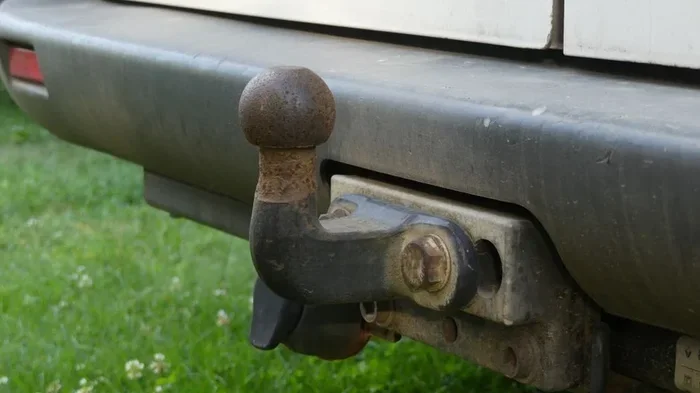
The towbar meaning is straightforward. A towbar is a rigid metal attachment bolted or welded to the rear chassis of a vehicle. Its purpose is to provide a secure connection point for towing trailers, caravans, horse boxes, or other equipment. Without a towbar, pulling anything behind your car would be unsafe and often illegal.
In everyday language, people also call it a “tow bar,” “trailer hitch,” or “hitch.” These terms all refer to the same core concept. The towbar acts as the anchor point. From that bar, a trailer coupling or ball hitch connects to the trailer tongue. This setup transfers the weight of the load safely into your vehicle’s chassis.
Why Towbars Matter for Everyday Drivers
You do not need to be a professional driver to benefit from a towbar. Many families use them for weekend getaways with a caravan. Gardeners use them for trailer loads of soil and plants. Businesses rely on them to transport equipment. Even bike enthusiasts use towbar-mounted racks for cycling trips. The towbar meaning expands well beyond just big rigs and commercial vehicles. It is a practical tool for everyday life.
Knowing the towbar meaning also helps you understand your vehicle’s towing limits. Every car has a maximum towing capacity. Exceeding this limit is dangerous. It can damage your engine, brakes, and suspension. A proper towbar setup keeps you within safe limits and ensures smooth, stable towing.
Types of Towbars: Which One Is Right for You?
Not all towbars are the same. Different towbar types serve different purposes. Understanding each type helps you pick the best option for your needs and budget.
Fixed Towbars
A fixed towbar is permanently attached to your vehicle. It cannot be removed once installed. This type is the most common choice for caravanners and frequent towers. Fixed towbars offer strong, stable connections. They are also generally more affordable than removable options.
However, fixed towbars have downsides. They are always visible, which can affect your vehicle’s appearance. They can also trap moisture and dirt, leading to rust if not maintained properly. If you rarely tow, a fixed bar might feel like unnecessary clutter on your car.
Detachable Towbars
A detachable towbar allows you to remove the ball head or coupling while keeping the base plate attached to the vehicle. This gives you a middle ground between fixed and fully removable options. You get the convenience of a towbar when you need it and a cleaner look when you do not.
Detachable towbars are popular among occasional towers. They are easy to fit and remove at home with basic tools. The towbar meaning here shifts slightly because the removable head changes how you connect to the trailer. You still use a coupling, but the process is faster and more flexible.
Removable Towbars
A removable towbar can be taken off entirely. The base plate and the bar both detach from the vehicle. This is the cleanest option for those who tow infrequently. Removable towbars keep your car looking stock when not in use.
These towbars are slightly more expensive and require storage space for the bar when not fitted. However, they offer the most flexibility. You can switch between different towing accessories easily. For many drivers, removable towbars represent the best balance of function and aesthetics.
Electric Towbars and Motor Movers
Electric towbars include built-in wiring for trailer lights and braking systems. They are essential for towing caravans and trailers that need their own electrical supply. Towbar wiring connects your vehicle’s lights, indicators, and brakes to the trailer. This ensures safe driving on the road.
Motor movers are another specialised type. They are used with horseboxes and large trailers. An electric motor inside the towbar helps you move heavy loads into position without manual effort. This is especially useful for horse owners and livestock transporters.
Key Components of a Towbar Setup
Understanding the towbar meaning means knowing each part of the system. A towbar is not just one piece of metal. It is a complete system with several components working together.
The Towbar Base Plate
The base plate is the part bolted directly to your vehicle’s chassis. It provides the foundation for the entire towbar assembly. Base plates are vehicle-specific, meaning each model has its own design. This ensures a perfect fit and proper weight distribution.
The Ball Hitch and Coupling
The ball hitch is the round metal ball at the end of the towbar. The trailer coupling clamps onto this ball to create the connection. This simple design has been used for decades because it works so well. The coupling allows for slight movement and turning, which is essential for safe cornering and reversing.
Ball sizes vary, typically 50mm or 48mm depending on your region. Always match the ball size to your trailer’s coupling. Using the wrong size can be extremely dangerous.
The Weight Distribution System
Weight distribution is a critical part of towing. When a trailer is attached, the weight shifts toward the rear of your vehicle. This can affect handling and braking. A weight distribution system uses spring bars or arms to spread the load more evenly across all axles.
This system improves stability and reduces sway. It is especially important when towing heavy loads like caravans or horse boxes. Without proper weight distribution, your vehicle can become unbalanced and harder to control.
Trailer Wiring and Electrical Connections
Trailer wiring connects your vehicle’s electrical system to the trailer. This powers the trailer’s brake lights, indicators, and tail lights. Most modern towbars come with a pre-wired electrical socket. You simply plug in the trailer cable before driving.
Some vehicles require an additional wiring kit or CANbus adapter. These ensure your car’s computer system recognises the trailer. Always check compatibility before purchasing a towbar and wiring setup.
Safety Chains and Cables
Safety chains are a legal requirement in most countries. They attach the trailer to the towbar as a backup connection. If the primary coupling fails, the safety chains prevent the trailer from detaching completely. Always cross the chains under the trailer tongue to create a cradle effect. This stops the trailer from hitting the ground if it separates.
Who Needs a Towbar and Why
The towbar meaning applies to a wide range of drivers. You do not need to own a caravan to benefit from one. Many people use towbars for purposes beyond traditional towing.
Caravan Owners and Holiday Makers
Caravan owners are the most common towbar users. A caravan opens up the freedom of camping and road trips without booking hotels. A properly fitted towbar makes this lifestyle possible and safe. The towbar meaning here is all about connection, stability, and peace of mind on long journeys.
Bike Racks and Outdoor Enthusiasts
Bike racks that attach to towbars are incredibly convenient. They carry multiple bicycles without crowding your car’s interior. Families, cycling clubs, and outdoor enthusiasts all benefit from this setup. The towbar provides a stable, secure mount that keeps bikes safe during travel.
Gardeners, Tradespeople, and Businesses
Many tradespeople use towbars to haul trailers full of tools, materials, or equipment. Gardeners tow small trailers for soil, mulch, and plants. Small businesses use towbars for local deliveries. In these cases, the towbar meaning is purely functional and practical.
Horse Owners and Animal Transporters
Horse owners need reliable towing for horseboxes and floats. These loads are heavy and require careful weight distribution. A quality towbar with the right weight rating ensures safe transport for both the horse and the driver.
Towing Safety and Regulations You Must Know
Towing safely is just as important as knowing the towbar meaning. The rules and regulations vary by country and region. Always research the laws that apply to you before towing.
Weight Limits and Towing Capacity
Every vehicle has a maximum towing capacity. This number is set by the manufacturer and printed in your vehicle handbook. Exceeding this limit can cause brake failure, engine overheating, and loss of control. Always check both the vehicle’s towing capacity and the trailer’s weight before setting out.
The towbar itself also has a weight rating. This is called the towbar weight rating. It tells you the maximum load the bar can safely handle. Never exceed this rating. Choose a towbar that matches or exceeds your typical towing needs.
Speed Limits When Towing
Most countries impose lower speed limits when towing. In many places, the limit is 80 km/h or 50 mph on highways. These rules exist because a loaded trailer takes longer to stop and handles differently. Obeying speed limits when towing keeps you and others safe.
Licensing and Legal Requirements
Depending on the combined weight of your vehicle and trailer, you may need a special licence. In some regions, a standard car licence covers towing up to a certain weight. Beyond that, you may need a category B or BE licence. Check with your local licensing authority to ensure compliance.
Pre-Trip Safety Checks
Before every trip, perform a quick safety check. Confirm the coupling is locked. Check that all lights work. Verify tyre pressure on both the vehicle and trailer. Make sure load is evenly distributed and securely tied down. These simple habits prevent most towing accidents.
How to Choose the Right Towbar for Your Vehicle
Selecting the right towbar involves more than picking the first one you see. Several factors determine the best choice for your situation.
Check Your Vehicle Compatibility
Not every towbar fits every vehicle. Towbars are designed for specific makes and models. Always check compatibility before purchasing. Many manufacturers offer online fitment guides. Enter your vehicle registration or model details to find the right match.
Consider Your Towing Needs
Think about what you plan to tow most often. A lightweight bike rack needs a different towbar than a heavy caravan. Match the towbar type and weight rating to your primary use. This ensures safety and avoids unnecessary expense.
Budget vs Quality
Towbar prices vary widely. Fixed towbars tend to be the most affordable. Removable and detachable options cost more but offer greater convenience. Invest in quality materials and reputable brands. A cheap towbar may save money upfront but could compromise safety.
Professional Fitting vs DIY
Some experienced drivers fit towbars themselves. However, professional fitting is strongly recommended. Certified fitters ensure proper bolting, electrical wiring, and alignment. A poorly fitted towbar can rattle, vibrate, or even detach while driving. Professional installation gives you confidence and peace of mind.
Maintenance Tips for Longevity
Keep your towbar clean and dry. Wipe it down after exposure to rain, salt, or mud. Check bolts and connections regularly for looseness. Inspect the coupling, wiring, and safety chains before each trip. Regular maintenance extends the life of your towbar and keeps it safe.
Common Mistakes People Make with Towbars
Even experienced towers can make mistakes. Avoiding these common errors keeps you safe and protects your vehicle.
- Overloading the towbar: Exceeding the weight rating is one of the most common and dangerous mistakes.
- Ignoring electrical connections: Faulty trailer lights cause accidents and fines. Always test lights before every trip.
- Using the wrong ball size: Mismatched balls and couplings can disconnect while driving.
- Skipping safety chains: Safety chains are a backup lifeline. Never tow without them.
- Neglecting regular maintenance: A towbar that is not maintained can rust, loosen, or fail.
- Not checking local regulations: Towing laws differ by region. Ignorance is not an excuse for non-compliance.
Expert Insights on Towbar Safety and Selection
Industry experts consistently emphasise the importance of proper towbar selection and fitting. According to towing safety organisations, the majority of towing incidents stem from incorrect equipment or overloading. Always consult a professional if you are unsure about compatibility or installation.
Experts also recommend investing in a towbar adapter if you need to switch between different trailers. Adapters allow you to use one towbar with multiple coupling types. This adds versatility without buying multiple towbars.
Regular training and education help too. Many towing organisations offer free online courses covering safe towing practices. These courses cover load securing, braking techniques, and emergency procedures. Taking a course builds confidence and reduces risk on the road.
Key Takeaways
- Towbar meaning: A towbar is a metal bar attached to your vehicle that enables safe towing of trailers, caravans, and other loads.
- Multiple types suit different needs: Fixed, detachable, and removable towbars each offer unique benefits for various driving habits.
- Components work together: The base plate, ball hitch, coupling, wiring, and safety chains form a complete towing system.
- Towing regulations are essential: Always follow local weight limits, speed limits, and licensing requirements.
- Professional fitting ensures safety: A certified installer guarantees proper fit, alignment, and electrical connections.
- Maintenance matters: Regular cleaning and inspection keep your towbar reliable for years.
- Know your vehicle’s limits: Respect towing capacity and weight ratings to prevent accidents and damage.
Frequently Asked Questions
What does towbar mean in simple terms?
A towbar is a metal bar fixed to the back of your vehicle that lets you pull a trailer, caravan, or other load safely. It connects your car to whatever you are towing through a coupling and ball hitch system.
Do I need a special licence to tow with a towbar?
This depends on your country and the combined weight of your vehicle and trailer. In many places, a standard car licence covers towing up to a certain limit. Check your local licensing rules to be sure you are compliant.
Can I fit a towbar myself?
You can, but professional fitting is strongly recommended. A certified fitter ensures the towbar is properly secured, wired, and aligned. Incorrect installation can lead to safety hazards while towing.
What is the difference between a fixed and removable towbar?
A fixed towbar stays on your vehicle permanently. A removable towbar can be taken off entirely when not in use. Detachable towbars fall in between, allowing you to remove the head while keeping the base plate attached.
How do I know if my vehicle can handle a towbar?
Check your vehicle handbook for the maximum towing capacity. You should also confirm compatibility with your specific model. Many towbar manufacturers offer online fitment tools to help you find the right match.
Are there any legal requirements for towbar use?
Yes, most regions require safety chains, functioning trailer lights, and proper load securing. Speed limits may be lower when towing. Always research and follow the towing regulations in your area before hitting the road.
Conclusion
The towbar meaning is simple but the world of towing is full of important details. A towbar connects your vehicle to trailers, caravans, and equipment safely and reliably. Understanding the types, components, and regulations helps you make smart choices. Whether you are a weekend caravanner, a tradesperson, or an outdoor enthusiast, the right towbar makes all the difference.
Always prioritise safety. Respect weight limits, maintain your equipment, and follow local regulations. A well-chosen and properly fitted towbar gives you freedom and confidence on the road. Take the time to learn your options, and you will enjoy every towing experience with peace of mind.
Now that you understand the towbar meaning fully, you are ready to explore the right setup for your vehicle. Start with your needs, check your vehicle’s compatibility, and invest in quality equipment. Safe towing starts with knowledge, and this guide has given you the foundation you need.