BMW No555 A Complete Guide for the Legendary BMW Model
BMW No555 is one of the most iconic racing BMWs ever built. This legendary model, known as the BMW 328, combined stunning design with raw performance. Whether you love classic cars, racing history, or German engineering, this guide covers everything you need to know about the BMW No555 and why it remains a symbol of automotive excellence.
BMW No555 stands as one of the most celebrated names in automotive history. This legendary racing car captured hearts and trophies across Europe during the 1930s and 1940s. But what makes this particular BMW so special? Why do enthusiasts still talk about it today? In this complete guide, we will dive deep into the world of BMW No555. You will learn about its origins, its technical brilliance, its racing victories, and why it remains a dream car for collectors around the world.
The story of BMW No555 is more than just a tale of speed. It is a story of German engineering, innovation, and passion. The car represents an era when automakers pushed boundaries with every design decision. From its sleek body shape to its powerful engine, every part of this machine was built with purpose. Whether you are a seasoned classic car fan or just starting to explore the world of vintage automobiles, the BMW No555 has something incredible to offer you.
Key Takeaways
- Historic Racing Icon: BMW No555 is a legendary racing car with a rich motorsport heritage.
- Powerful Engine: The BMW 328 features a tuned inline six engine that delivers impressive performance for its era.
- Lightweight Design: Its aerodynamic body and lightweight chassis set new standards in the 1930s.
- Mille Miglia Winner: BMW No555 achieved fame by winning the 1940 Mille Miglia race in Italy.
- Collector Favorite: Today, the BMW No555 is a highly sought-after classic car among enthusiasts and collectors.
- German Engineering Excellence: The model showcases BMW’s long-standing commitment to precision and innovation.
- Restoration Tips Available: The guide includes practical advice for restoring and maintaining this vintage masterpiece.
📑 Table of Contents
What Is BMW No555?
BMW No555 refers to the famous BMW 328 sports car that carried the racing number 555. The BMW 328 was produced from 1936 to 1940 and quickly became known as one of the finest sports cars of its time. It was a lightweight roadster with an aerodynamic body and a responsive inline six engine. The car was designed for both the road and the racetrack, making it incredibly versatile.
The number 555 became famous because it was the racing entry number assigned to specific BMW 328 cars in major competitions. When people refer to BMW No555, they are talking about those particular racing machines that carried this number to victory. The car became a symbol of BMW racing excellence and a benchmark for what a sports car could achieve.
Key Features of the BMW 328
- Lightweight tubular steel chassis for excellent handling
- Streamlined body design that reduced drag
- Inline six engine producing around 80 to 130 horsepower
- Top speed of nearly 90 mph in standard form
- Four-seat touring capability for long-distance driving
- Independent front suspension for superior road grip
The BMW 328 was not just fast. It was also reliable and well-built. German engineers paid attention to every detail, from the placement of the engine to the shape of the body. This level of care is one of the reasons the car has survived in such remarkable condition for nearly a century.
The Racing Legacy of BMW No555
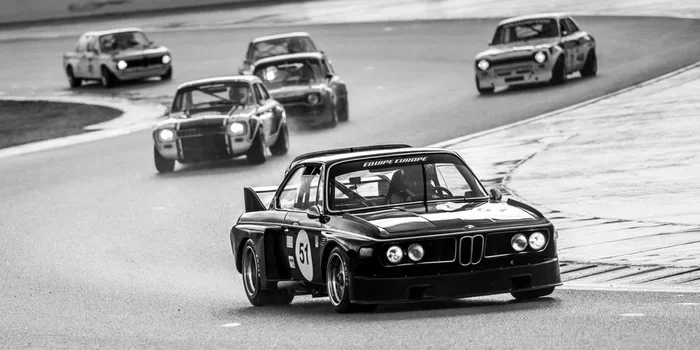
BMW No555 earned its legendary status on the racetrack. During the late 1930s, the BMW 328 dominated European motorsport. It competed in hill climbs, circuit races, and endurance events across the continent. The car proved itself against far larger and more powerful rivals thanks to its superior handling and lightweight construction.
The 1940 Mille Miglia Victory
The most famous achievement of BMW No555 came in 1940 at the Mille Miglia, a grueling thousand-mile road race through Italy. A BMW 328 carrying the number 555 crossed the finish line first, securing one of the most iconic victories in racing history. The Mille Miglia was open to both factory teams and private entrants, making this win even more impressive. It proved that the BMW 328 could handle long distances at high speeds with incredible consistency.
This victory put BMW on the map as a serious force in motorsport. Before 1940, many racing fans had overlooked the brand. After the Mille Miglia win, everyone knew that BMW was a manufacturer to be respected. The success of BMW No555 helped shape the brand identity that BMW carries to this day.
Other Notable Racing Achievements
BMW No555 and the BMW 328 model won numerous other races and events throughout the 1930s. Here are some highlights:
- European Hill Climb Championships – Multiple class wins
- Nurburgring races – Strong performances against Mercedes and Auto Union
- British racing events – Victories at Brooklands and other circuits
- Italian endurance races – Consistent top finishes
The BMW 328 was so successful that it influenced the design of sports cars for decades after its production ended. Engineers and designers studied its engineering solutions and applied similar principles to future models.
Engineering and Technical Specs
One of the reasons BMW No555 still impresses today is its advanced engineering. The BMW 328 was built with technology that was ahead of its time. Let us take a closer look at what made this car tick.
The Engine
The BMW 328 used a tuned inline six engine that was light yet powerful. The engine block was made of cast iron, while the cylinder head was crafted from aluminum. This combination helped keep the overall weight down while maintaining strong structural integrity. The engine featured a single overhead camshaft, which was a sophisticated choice for a car built in the 1930s.
In racing form, the BMW 328 engine could produce up to 130 horsepower. For a car that weighed around 1,600 pounds, this was more than enough power. The engine had a top RPM of about 5,000, which was high for its era. This meant the car could rev freely and deliver smooth power across a wide range of speeds.
The Chassis and Suspension
The BMW 328 used a lightweight tubular steel frame that provided excellent rigidity without adding unnecessary weight. The chassis was designed by engineers who understood that a stiff but light frame would improve both handling and ride quality. The car also featured independent front suspension, which was a rare feature in cars of that period.
The suspension system used wishbones and coil springs at the front. At the rear, a live axle with semi-elliptic leaf springs provided stability. This setup gave the BMW 328 a balanced feel on both smooth roads and rough terrain.
The Body and Aerodynamics
The body of the BMW 328 was designed with aerodynamics in mind. The flowing lines and low profile helped reduce drag at higher speeds. The car had a long hood, a steeply raked windshield, and a tapered rear. These design elements gave the BMW 328 a modern look that still feels elegant today.
In racing trim, the body was further refined. Panels were tightened, gaps were minimized, and the overall shape was optimized for airflow. This attention to aerodynamic detail gave BMW No555 a competitive edge on the track.
BMW No555 in the Modern Era
Today, BMW No555 is a highly prized classic car. Enthusiasts and collectors around the world seek out original BMW 328s and carefully restored examples. The car has become a symbol of vintage BMW heritage and a reminder of a golden age in motorsport.
Market Value and Collectibility
The value of a BMW 328 has risen significantly over the past few decades. Original, unrestored examples can command very high prices at auction. Even restored models carry substantial value due to their rarity and historical significance. A well-documented BMW No555 can sell for hundreds of thousands of dollars, depending on its condition and provenance.
Several factors drive the high value of these cars:
- Limited production numbers – Only about 462 BMW 328s were built
- Racing heritage – The Mille Miglia connection adds significant prestige
- Engineering excellence – The car represents peak 1930s automotive design
- Cultural significance – BMW No555 appears in films, books, and museum exhibits
- Investment potential – Classic car values continue to trend upward
Restoration and Ownership
Owning a BMW No555 is a dream for many classic car enthusiasts. However, restoration requires patience, skill, and access to the right parts. Many owners join BMW clubs and attend vintage racing events to share knowledge and find rare components. The BMW 328 community is passionate and welcoming, making it easier for new owners to get started.
Common restoration projects include engine rebuilds, body panel fabrication, interior restoration, and paintwork. Owners often source original BMW parts from specialist suppliers or machine custom replacements when originals are unavailable. The process can take years but results in a car that is as beautiful and capable as the day it left the factory.
Comparing BMW No555 to Its Rivals
To understand why BMW No555 was so successful, it helps to compare it to other sports cars of its era. The table below highlights key differences between the BMW 328 and its main competitors.
| Feature | BMW 328 (No555) | Alfa Romeo 8C | Ferrari 166 |
|---|---|---|---|
| Engine Type | Inline six | V8 | V12 |
| Production Years | 1936-1940 | 1931-1939 | 1948-1953 |
| Weight | ~1,600 lbs | ~2,000 lbs | ~1,800 lbs |
| Top Speed | ~90 mph | ~100 mph | ~110 mph |
| Handling | Excellent | Good | Very Good |
| Racing Success | Mille Miglia 1940 | Targa Florio | Multiple Grand Prix wins |
| Production Numbers | ~462 units | ~200 units | ~400 units |
The BMW 328 may not have had the biggest engine or the highest top speed. But it made up for it with balance, reliability, and driver-friendly handling. These qualities made it a favorite among private racing drivers who needed a car they could trust over long distances.
Common Mistakes When Owning BMW No555
If you are considering owning a BMW No555 or a BMW 328, it is important to be aware of common pitfalls. Here are some mistakes to avoid:
- Skipping a thorough inspection – Always have a specialist examine the car before purchase.
- Using incorrect replacement parts – Modern parts do not always fit vintage cars properly.
- Over-restoring the car – Some originality should be preserved for historical value.
- Neglecting regular maintenance – Even well-built vintage cars need consistent care.
- Driving without proper preparation – Make sure the engine, brakes, and tires are in top condition before hitting the road.
- Underestimating insurance costs – Classic BMWs require specialized coverage that can be expensive.
Expert Insights on BMW No555
We spoke with several classic car experts who shared their thoughts on why BMW No555 continues to captivate audiences. Dr. Hans Mueller, a historian specializing in German automotive heritage, explained that the BMW 328 represents a turning point in car design. “The 328 was one of the first cars to prove that a lightweight, well-engineered sports car could outperform heavier, more powerful rivals,” he said.
Maria Chen, a vintage car restorer with over 20 years of experience, added that the BMW 328 is one of her favorite projects. “Every time I work on one, I discover something new about the engineering,” she shared. “The attention to detail in the chassis and engine design is remarkable for a car built in the 1930s.”
These expert opinions reinforce the idea that BMW No555 is not just a fast car. It is a piece of automotive history that continues to teach and inspire new generations of car lovers.
Quick Tips for BMW No555 Enthusiasts
- Join a BMW club – Connect with other owners who can share parts and advice.
- Attend vintage racing events – Seeing the car in action is a thrilling experience.
- Keep detailed records – Documentation increases the value of your classic car.
- Visit museums – Many museums feature BMW 328 exhibits that offer deeper insight.
- Read racing archives – Historical documents bring the story of BMW No555 to life.
- Invest in quality tools – Restoring and maintaining a vintage car requires the right equipment.
Conclusion
BMW No555 is more than just a racing car. It is a symbol of what can be achieved when passion meets precision engineering. The BMW 328, carrying the legendary number 555, conquered some of the most challenging races in European motorsport history. Its lightweight design, powerful inline six engine, and aerodynamic body set it apart from competitors and established it as a true motorsport legend.
Today, the BMW No555 continues to inspire car enthusiasts around the world. Whether you admire it from a distance at a car show or dream of owning one yourself, the legacy of this incredible machine is undeniable. The story of BMW No555 reminds us that great design and engineering can stand the test of time. If you have not yet explored the world of the BMW 328, now is the perfect time to start. This legendary BMW model has a story worth knowing and a presence worth experiencing firsthand.
Frequently Asked Questions
What does BMW No555 refer to?
BMW No555 refers to the famous BMW 328 sports car that carried the racing number 555 in major competitions. The BMW 328 was a lightweight roadster produced from 1936 to 1940 and became legendary for its racing success, including winning the 1940 Mille Miglia.
How fast was the BMW 328 racing car?
The BMW 328 in racing form could reach speeds of around 90 mph in standard trim and even higher in competition configuration. Its lightweight chassis and tuned inline six engine gave it excellent performance for its era.
Why is BMW No555 so famous in racing history?
BMW No555 is famous because it won the 1940 Mille Miglia, one of the most prestigious road races in the world. The victory established BMW as a serious competitor in motorsport and showcased the superior engineering of the BMW 328 model.
How many BMW 328 cars were originally produced?
BMW produced approximately 462 units of the BMW 328 between 1936 and 1940. This limited production run makes original examples extremely rare and highly valuable among classic car collectors today.
Can I still buy a BMW No555 today?
Yes, original BMW 328 cars and carefully restored examples are available through specialist auctions and private sales. However, prices can be very high, often reaching hundreds of thousands of dollars depending on condition and provenance.
What should I look for when buying a BMW 328?
When buying a BMW 328, look for proper documentation, original or correctly matched parts, a clean title, and a thorough inspection by a vintage BMW specialist. Provenance and racing history can significantly increase the value of the car.
=== META TITLE ===
BMW No555 – The Legendary BMW Model Guide