Effective Ways to Remove Tree Sap From Your Windshield
Tree sap can be a real headache for any car owner, but you can remove tree sap from windshield glass using simple household items and commercial products. This guide covers every proven method, from rubbing alcohol and baking soda to professional-grade cleaners, so you can restore your windshield quickly and safely. We also share easy prevention tips to keep sap from coming back.
There is nothing more frustrating than walking up to your car on a warm morning and discovering your windshield coated in sticky tree sap. That amber-colored mess seems to appear overnight, and it can really put a damper on your day. Whether you park under a pine tree, an oak, or even a maple, sap has a sneaky way of finding your vehicle. The good news is that you do not need to be a professional mechanic to fix this problem. You can remove tree sap from windshield glass using simple methods and products you probably already have at home.
Tree sap is one of the most common problems car owners face, especially during spring and summer months. It bonds strongly to glass surfaces and can cause lasting damage if left untreated. Over time, sap can etch into your windshield, making it harder to clean and even affecting your visibility while driving. This is exactly why removing tree sap from windshield surfaces quickly matters so much. In this guide, we will walk you through every proven method, from household remedies to professional-grade products. You will also learn simple steps to prevent sap buildup in the future.
We have tested and reviewed many different approaches for tree sap removal from car windshields. Each method has its own benefits, and we will explain exactly when to use which one. By the time you finish reading, you will feel fully prepared to tackle any sap problem on your windshield. Let us get into it.
Key Takeaways
- Act Fast: The sooner you address sap on your car, the easier it is to remove without damage.
- Household Items Work: Rubbing alcohol, baking soda, and even nail polish remover can dissolve tree sap effectively.
- Use the Right Products: Commercial sap removers and bug and tar removers are designed specifically for automotive glass and paint.
- Avoid Scratching: Always use a microfiber cloth and gentle circular motions when cleaning your windshield.
- Prevention Matters: Regular car wax protection and parking strategies can significantly reduce sap buildup.
- Know When to Call a Pro: Stubborn or widespread sap damage may require professional automotive detailing services.
📑 Table of Contents
Why Tree Sap Is So Stubborn on Windshields
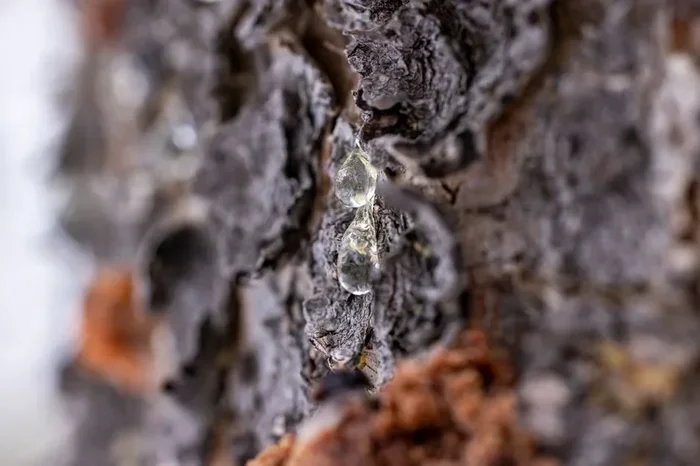
Before we dive into the solutions, it helps to understand what you are dealing with. Tree sap is a sticky substance that trees produce to protect themselves from injuries and insects. When it lands on your car, it starts as a soft, gooey mess. But once it is exposed to air and sunlight, it hardens quickly. This is what makes tree sap removal from a windshield so challenging.
Sap contains resins and oils that bond tightly to glass surfaces. Unlike a simple water spot or dust particle, sap actually penetrates the tiny pores in your windshield. Over time, it can seep beneath the surface layer of the glass. This is why a quick wipe with a dry cloth usually just smears the sap around instead of removing it. The longer sap sits on your car, the deeper it bonds, and the harder tree sap removal becomes.
Another factor that makes sap so difficult is its acidic nature. Tree sap can be mildly corrosive, which means it can slowly damage your windshield’s protective coating. It can also damage your car’s paint if it stays on the body long enough. This is why dealing with sap on car surfaces should always be a priority. The sooner you act, the less damage you will face.
The Science Behind Sap Sticking to Glass
When sap lands on a warm windshield, the heat softens the resins even more. The sap then flows into the microscopic imperfections on the glass surface. As it cools and hardens, it locks itself in place. This is similar to how resin removal works on other surfaces. The sticky compounds in sap form strong molecular bonds with whatever they touch.
Temperature plays a big role too. On a hot summer day, sap becomes softer and more adhesive. On a cold day, it becomes brittle but still clings tightly. This is why many people find that the best time to work on removing tree sap from windshield glass is in the early morning or evening when temperatures are cooler.
Best DIY Methods to Remove Tree Sap From Windshield
You do not need expensive tools to handle sap on car glass. Some of the most effective methods use items you already have in your kitchen or bathroom. Here are the best do-it-yourself approaches that really work.
Method 1: Rubbing Alcohol
Rubbing alcohol is one of the most effective solvents for dissolving tree sap. It breaks down the resins without damaging your glass. To use this method, dampen a microfiber cloth with rubbing alcohol and place it directly on the sap spot. Let it sit for about two to three minutes. The alcohol will soften the sap, making it easy to wipe away gently.
After the sap loosens, use a clean section of the cloth to gently rub the area in circular motions. You should see the sap lifting off the glass. If some residue remains, apply a little more alcohol and repeat the process. This method works great for fresh sap as well as older, hardened spots.
Method 2: Baking Soda Paste
Baking soda is a gentle abrasive that can help lift sap without scratching your windshield. Mix two parts baking soda with one part water to create a thick paste. Apply the paste directly to the sap and let it sit for five to ten minutes. The baking soda will start to break down the sticky residue.
After waiting, use a damp microfiber cloth to gently rub the paste in small circles. The mild abrasion helps scrub away the sap while the water keeps everything from scratching the glass. Rinse the area thoroughly with clean water afterward and dry it with a fresh cloth.
Method 3: Nail Polish Remover
Acetone-based nail polish remover is another powerful option for tree sap removal. It works similarly to rubbing alcohol but is even stronger. Apply a small amount to a cotton ball or soft cloth and hold it against the sap spot for one to two minutes. The acetone will dissolve the sap quickly.
Be careful with this method, though. Acetone can damage some windshield treatments or tinting if you have any. Always test a small, hidden area first. And never use nail polish remover on a hot windshield, as it can evaporate too quickly and leave behind a residue of its own.
Method 4: WD-40
Many car owners swear by WD-40 for removing tree sap from windshield surfaces. Spray a small amount directly onto the sap and let it sit for about five minutes. WD-40 penetrates the sap and breaks the bond between the resin and the glass. Then, wipe it away with a clean microfiber cloth.
One advantage of WD-40 is that it also leaves a thin protective layer on the glass. This can help repel water and future sap buildup for a short time. Just make sure to clean the area with a glass cleaner afterward to remove any oily residue.
Method 5: Vinegar Solution
White vinegar is a natural acid that can help dissolve sap without harsh chemicals. Mix equal parts vinegar and water in a spray bottle. Spray the solution onto the affected area and let it sit for three to five minutes. The acidity will start to break down the sap’s sticky compounds.
After soaking, use a soft microfiber cloth to gently wipe the sap away. Vinegar is a great option if you prefer a more natural approach to windshield cleaning. It is safe for your glass, your paint, and the environment. You can repeat this process as many times as needed for stubborn spots.
Commercial Products That Work Great for Sap Removal
While DIY methods are effective, commercial products are specifically formulated for automotive use. These products are designed to handle tough sap, bug splatter, and tar without harming your glass or paint. Here are some of the best options on the market.
| Product | Type | Best For | Price Range |
|---|---|---|---|
| Bug and Tar Remover Gel | Commercial Cleaner | Hardened sap, bug residue, and tar spots | $8-$15 |
| Clay Bar Kit | Detailing Tool | Surface-level sap and bonded contaminants | $10-$25 |
| Glass Cleaner Spray | Post-Cleaning | Streak-free finish after sap removal | $5-$12 |
| Paint Protection Wax | Preventive Coating | Shielding glass and paint from future sap | $10-$30 |
| Professional Sap Remover | Heavy-Duty Solvent | Severe or aged sap buildup | $12-$20 |
When choosing a commercial product, look for one that is safe for both glass and paint. A good bug and tar remover will dissolve sap without requiring heavy scrubbing. Clay bar treatments are also excellent for automotive detailing. They lift contaminants from the surface without scratching. After using any commercial product, always follow up with a quality glass cleaner to leave your windshield streak-free.
Quick Tips for Using Commercial Products
- Always read the label instructions before applying any product to your windshield.
- Work in a shaded area to prevent the product from drying too quickly.
- Use a separate microfiber cloth for each section to avoid spreading sap residue.
- Apply products sparingly. A little goes a long way with most commercial cleaners.
- Wash your hands thoroughly after handling any chemical-based sap removers.
Step-by-Step Guide to Removing Sap Safely
Now that you know the methods and products available, let us walk through the proper process step by step. Following the right sequence ensures you remove sap completely without causing scratches or damage to your windshield.
Step 1: Rinse the Area
Start by rinsing the affected area with clean water. This removes any loose dirt or debris that could scratch your glass during the cleaning process. Use a gentle stream of water from a hose or a bucket with a soft cloth. Do not rub the sap yet. You just want to wet the surface and wash away any loose particles.
Step 2: Apply Your Chosen Solution
Choose your preferred method from the DIY or commercial options listed above. Apply it directly to the sap spot and let it sit for the recommended time. Whether you are using rubbing alcohol, baking soda paste, or a commercial remover, patience is key. Let the solution work on the sap for at least two to five minutes.
Step 3: Gently Wipe Away the Sap
After the solution has had time to work, take a clean microfiber cloth and gently wipe the area. Use light pressure and circular motions. Do not press hard or scrub aggressively. Let the solution do the heavy lifting. If the sap does not come off easily, reapply the solution and wait a few more minutes.
Step 4: Repeat if Necessary
Some sap spots require more than one treatment. This is completely normal, especially with older or thicker sap deposits. Repeat the application and wiping process until the sap is fully gone. Do not rush this step. Taking your time ensures a complete resin removal without damaging the glass.
Step 5: Clean and Dry the Windshield
Once all the sap is gone, clean the entire windshield with a quality glass cleaner. This removes any remaining residue from the cleaning solution or sap. Wipe the glass dry with a fresh microfiber cloth. Inspect the area closely in good light to make sure no sap or streaks remain.
Common Mistakes to Avoid
- Using a razor blade or sharp tool: This can scratch your glass permanently. Always let a cleaning solution do the work.
- Scrubbing too hard: Aggressive rubbing can damage your windshield’s protective coating and spread the sap.
- Using hot water on a hot windshield: Sudden temperature changes can cause cracks in the glass.
- Skipping the rinse step: Dirt and grit left on the glass can create scratches when you start wiping.
- Using household cleaners not meant for glass: Some cleaners can leave a film or damage windshield treatments.
How to Prevent Tree Sap on Your Windshield
Prevention is always better than cure, and this is especially true when it comes to tree sap damage on your car. A few simple habits can save you a lot of time and effort down the road.
Park Smart
The easiest way to prevent sap on car surfaces is to be mindful of where you park. Avoid parking directly under trees, especially pine and maple trees, which are the biggest sap producers. If you must park under a tree, try to choose a spot where the branches do not hang directly over your windshield. A little extra thought when choosing a parking spot can save you hours of cleaning later.
Apply Car Wax Protection
A good coat of car wax creates a protective barrier on your windshield and paint. This barrier makes it harder for sap to bond to the surface. If sap does land on a waxed surface, it is much easier to wipe away before it hardens. Reapply your car wax protection every two to three months for the best results.
Use a Windshield Cover
If you park outside overnight and your car is directly under a tree, consider using a windshield cover. These affordable covers slip over your windshield and protect it from sap, bird droppings, and other debris. They are especially useful during the spring and summer months when trees produce the most sap.
Regular Windshield Maintenance
Make it a habit to inspect your windshield regularly. A quick glance during your weekly car wash can help you spot fresh sap before it hardens. Early windshield maintenance is the simplest form of sap prevention. A quick wipe with a damp cloth can remove fresh sap before it becomes a stubborn problem.
When to Seek Professional Help for Sap Removal
Most sap problems can be handled at home with the methods described above. However, there are times when professional help is the best choice. If the sap has been on your windshield for weeks or months, it may have bonded so deeply that DIY methods are not enough. In these cases, a professional detailer has access to industrial-strength solvents and specialized tools that can handle even the worst tree sap removal jobs.
You should also consider professional help if you notice etching or permanent marks on your glass. When sap sits on a windshield for a very long time, it can chemically react with the glass surface. This creates marks that no home remedy can fully remove. A professional detailer can assess the damage and recommend the right treatment, which may include a glass polishing or even a windshield replacement in severe cases.
Professional automotive detailing services also offer clay bar treatments that are excellent for removing bonded contaminants from glass. These treatments are gentle yet highly effective, and they leave your windshield looking crystal clear. If you have tried home remedies without success, it is absolutely worth investing in a professional service.
Expert Insights on Sap Removal
According to professional detailers, the key to successful tree sap removal is patience and the right technique. Never rush the process or use harsh tools. Let the cleaning solution do the work, and always use a soft microfiber cloth. Detailers also recommend applying a ceramic coating or glass sealant after sap removal. This adds an extra layer of protection that makes future sap easier to clean off.
Another expert tip is to keep a small kit in your trunk with rubbing alcohol, microfiber cloths, and a travel-sized glass cleaner. This way, you can address sap spots as soon as you notice them, no matter where you are. Quick action is the single most important factor in preventing permanent damage from sap on car surfaces.
Conclusion
Removing tree sap from windshield glass does not have to be a stressful experience. With the right methods and a little patience, you can restore your windshield to a clear, streak-free condition. Whether you prefer DIY solutions like rubbing alcohol and baking soda or prefer commercial products like bug and tar removers, there is an approach that will work for you.
Remember to act quickly when you spot sap on your car. The longer you wait, the harder it becomes to remove. And once you have cleared the sap, take steps to prevent it from coming back. Regular waxing, smart parking, and routine windshield maintenance will keep your car looking great all year long.
Now that you have all the tools and knowledge you need, go ahead and give your windshield the care it deserves. Your car will thank you, and your driving experience will be safer and more enjoyable with a clear, sap-free windshield.
Frequently Asked Questions
Can I use WD-40 on my windshield to remove tree sap?
Yes, WD-40 is an effective option for dissolving tree sap on glass. Spray a small amount on the sap, let it sit for five minutes, and gently wipe it away with a microfiber cloth. Just be sure to clean the area with a glass cleaner afterward to remove any oily residue that could affect your visibility.
Will rubbing alcohol damage my windshield?
No, rubbing alcohol is safe for use on automotive glass when applied correctly. It is a gentle solvent that dissolves sap without scratching or etching the surface. Always use a soft microfiber cloth and avoid excessive rubbing. If your windshield has any special coatings, test a small hidden area first to be safe.
How long does it take for tree sap to damage a windshield?
Fresh sap can usually be removed easily within a day or two. However, if sap sits on a windshield for weeks or months, it can begin to etch into the glass and cause permanent damage. The acidic compounds in sap react with the glass surface over time, which is why prompt tree sap removal is so important.
What is the best commercial product for removing tree sap from a car?
Look for a dedicated bug and tar remover or a professional-grade sap remover. These products are formulated to dissolve tree sap without harming your glass or paint. Clay bar kits are also excellent for lifting bonded contaminants from your windshield during routine automotive detailing.
Can I prevent tree sap from sticking to my windshield in the first place?
Absolutely. The best prevention strategies include parking away from trees, applying a coat of car wax for surface protection, and using a windshield cover when parked overnight. Regular windshield maintenance and quick action when you notice fresh sap also make a big difference in sap prevention.
Is it safe to use nail polish remover on a car windshield?
Acetone-based nail polish remover works well for dissolving tree sap, but it should be used with caution. It can damage windshield tinting or specialty coatings if present. Always test a small, inconspicuous area first. Also, avoid using it on a hot windshield, as the acetone evaporates too quickly and may leave behind its own residue.