Put Oil in Your Car with These Simple Step by Step Tips
Putting oil in your car is one of the easiest ways to keep your engine healthy and running strong. This guide walks you through every step, from choosing the right oil type to checking your oil level afterward. Whether you are a beginner or just need a quick refresher, you will find practical tips that make the process simple and safe.
Key Takeaways
- Choose the right oil: Always match your oil type to your car’s manual requirements for best engine performance.
- Check your oil level first: Use the dipstick to know exactly how much oil you need before pouring.
- Warm up your engine slightly: This helps the oil flow more smoothly and gives you a more accurate reading.
- Don’t overfill: Too much oil can cause serious engine damage just like too little oil.
- Dispose of old oil properly: Take used oil to a recycling center or auto parts store.
- Change your oil filter regularly: A clean filter keeps your new oil fresh longer and protects your engine.
📑 Table of Contents
- Put Oil in Your Car with These Simple Step by Step Tips
- Why Putting Oil in Your Car Matters
- Choosing the Right Oil for Your Car
- How to Put Oil in Your Car Step by Step
- Common Mistakes When Putting Oil in Your Car
- How Often Should You Put Oil in Your Car
- Expert Insights on Oil Maintenance
- Quick Tips for a Smooth Oil Top-Up
- Conclusion
Put Oil in Your Car with These Simple Step by Step Tips
Every car needs engine oil to run properly. Oil keeps all the moving parts inside your engine lubricated. Without enough oil, metal parts grind against each other. This causes wear and tear. In time, it can destroy your engine completely.
Putting oil in your car sounds simple, but many people do it wrong. They use the wrong oil type. They overfill or underfill. They skip important steps. This guide fixes all of that. You will learn exactly how to put oil in car engines safely and correctly.
Whether you drive a sedan, truck, or SUV, the basics stay the same. We will cover everything from picking the right oil to checking your work afterward. By the end, you will feel confident doing it yourself. Let us get started.
Why Putting Oil in Your Car Matters
Car maintenance starts with oil. Your engine has hundreds of moving parts. They spin, slide, and rotate at high speed. Oil creates a thin film between these parts. This film reduces friction. It also cools down hot spots inside the engine.
When your oil level drops, your engine starts to suffer. You might notice a drop in fuel efficiency. The engine may run hotter than normal. Strange noises can appear too. All of these are warning signs. They mean it is time to put oil in car engines before bigger damage happens.
Regular oil changes and top-ups extend your engine life. They also keep your car running smoothly on the road. Think of oil as the lifeblood of your vehicle. Just like you need blood to survive, your engine needs oil.
Choosing the Right Oil for Your Car
Understand Oil Types
Not all motor oil is the same. There are several types you should know about. Conventional oil is the most basic option. It works well for older cars with simpler engines. It is also the most affordable choice at most auto parts stores.
Synthetic oil is a more advanced option. It performs better in extreme temperatures. It lasts longer between changes too. Many modern cars come filled with synthetic oil from the factory. Check your owner’s manual to see what your car needs.
High-mileage oil is designed for cars with over 75,000 miles on the odometer. It contains special additives that help seal minor leaks. It also reduces oil burn-off in older engines.
Using the wrong oil type can hurt your engine. Always match your choice to your car’s specifications. When in doubt, ask a mechanic or check the car oil brands list for recommendations.
Check Your Owner’s Manual
Your car’s owner manual is your best friend here. It tells you the exact oil viscosity grade your engine needs. You will see something like “5W-30” or “10W-40” printed on the oil bottle. These numbers matter a lot.
The first number (like the “5” in 5W-30) tells you how the oil flows in cold weather. The “W” stands for winter. The second number tells you how the oil behaves at engine operating temperature. Lower numbers mean thinner oil. Thinner oil flows faster, especially when the engine is cold.
How to Put Oil in Your Car Step by Step
Step 1: Gather Your Supplies
Before you start, make sure you have everything ready. Here is what you need:
- The correct type of motor oil for your vehicle
- A clean funnel (this prevents spills)
- A clean rag or paper towel
- Your owner’s manual (for oil capacity and fill point location)
- Gloves to keep your hands clean
Having everything at hand makes the process smooth and fast. You do not want to be halfway through and realize you are missing something.
Step 2: Park on a Level Surface
Find a flat, level parking spot. This ensures your oil reading is accurate. If your car is on a slope, the oil will pool to one side. This gives you a false reading on the dipstick.
Turn off the engine and let the car cool for a few minutes. How long to leave your car off before filling it with oil depends on the engine temperature. Wait at least 5 to 10 minutes. This lets the oil settle back into the oil pan at the bottom of the engine.
Step 3: Locate the Oil Fill Cap
Open your car’s hood. Look for the oil fill cap. It usually has an oil can symbol on top. The cap sits on top of the oil reservoir or valve cover.
Twist the cap counterclockwise to remove it. Set it aside in a safe spot. You do not want to lose it or let it fall into the engine bay.
Step 4: Check the Current Oil Level
Before adding oil, check how much is already there. Pull out the dipstick. Wipe it clean with a rag. Reinsert it fully, then pull it out again.
Look at the oil mark on the dipstick. You will see two lines or holes. The oil level should be between them. If it is close to the low mark, you need to add oil. If it is already at the full mark, you do not need to add any.
How to check oil level in car is a skill every driver should master. It only takes a few seconds and can save you from serious engine problems.
Step 5: Add the Oil
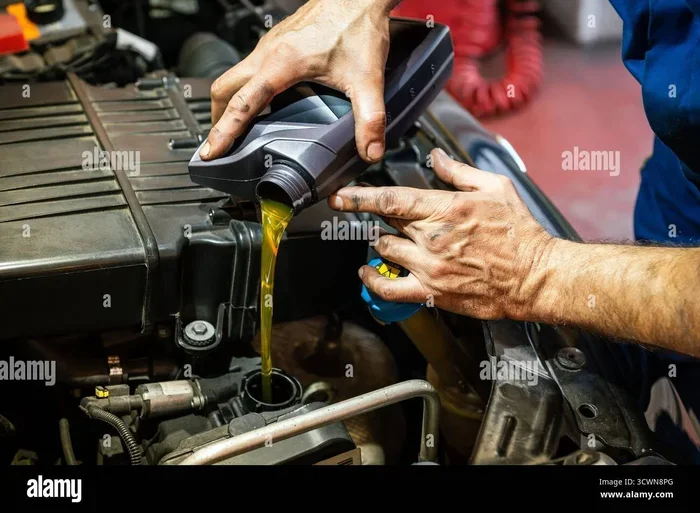
Place a clean funnel into the oil fill hole. This keeps the oil from spilling. Pour the oil slowly. Add a small amount at first, maybe half a quart.
Wait a moment for the oil to settle. Then check the dipstick again. Repeat this process until the oil level reaches the full mark. Do not rush this step. Patience saves engines.
Remember: It is always easier to add more oil than to remove excess oil. Add small amounts and check frequently. Overfilling can cause oil foaming and pressure problems.
Step 6: Replace the Oil Fill Cap
Once the oil level is correct, put the fill cap back on. Twist it clockwise until it clicks or feels tight. Double-check that it is secure. A loose cap can cause oil leaks and engine warning lights.
Step 7: Clean Up and Dispose Properly
Wipe any spilled oil with a clean rag. Check around the fill area for drips. Start your engine and let it run for a minute. Then turn it off and wait a few minutes. Check the dipstick one more time to confirm the level is still correct.
Dispose of any old oil at a recycling center. Many auto parts stores accept used oil for free. Never pour old oil down a drain or onto the ground. It is harmful to the environment.
Common Mistakes When Putting Oil in Your Car
Even simple tasks come with pitfalls. Here are the most common mistakes people make when they put oil in car engines:
- Using the wrong oil type: This can reduce engine performance and void your warranty. Always follow your owner’s manual.
- Overfilling the oil: Too much oil creates excess pressure inside the engine. It can cause leaks and even damage the catalytic converter.
- Forgetting to check the oil level: Never just pour oil without checking first. You might end up adding way too much.
- Skipping the oil filter change: Old oil filters do not clean new oil properly. Change the filter when you change the oil.
- Ignoring oil leaks: If you notice oil spots under your car after filling up, get it checked. Leaks lead to low oil levels over time.
Don’t just pour any oil in there. Take the extra few minutes to do it right. Your engine will thank you with years of reliable service.
How Often Should You Put Oil in Your Car
Most cars need an oil change every 5,000 to 7,500 miles. Some newer vehicles can go 10,000 miles or more between changes. Check your owner’s manual for the recommended interval.
Between oil changes, you should check your oil level at least once a month. Engines naturally burn small amounts of oil over time. If your level drops, top it off with the same type of oil you currently have.
Keep track of your oil changes. A simple log or phone reminder helps you stay on schedule. Consistent car maintenance prevents expensive repairs down the road.
Expert Insights on Oil Maintenance
Experienced mechanics agree on a few key points. First, never ignore the oil pressure warning light on your dashboard. If that light comes on, pull over safely and check your oil level immediately. Low oil pressure can cause catastrophic engine failure within minutes.
Second, pay attention to the color of your oil. Fresh oil is amber or golden. Dark brown or black oil means it is time for a change. Milky or foamy oil could indicate a serious problem like coolant mixing with oil.
Third, always keep a spare bottle of the correct oil in your trunk. This is especially helpful for long road trips. If your oil level drops unexpectedly, you can top it off safely until you reach a service station.
Quick Tips for a Smooth Oil Top-Up
- Always use a funnel to avoid spills and mess
- Warm up your engine for 2 to 3 minutes before checking the oil level
- Use a clean rag every time you handle the dipstick
- Record the date and mileage after each oil change or top-up
- Store oil in a cool, dry place away from direct sunlight
- Recycle used oil responsibly at a local auto parts store
Conclusion
Putting oil in your car is one of the simplest and most important things you can do for your vehicle. It takes just a few minutes and costs very little. Yet it protects your engine from wear, overheating, and expensive damage.
Follow the steps in this guide every time you need to add oil. Choose the right oil type. Check your level before and after. Dispose of old oil properly. These small habits add up to a longer-lasting, healthier car.
Take a few minutes today to check your oil level. If it is low, grab the right bottle and follow our step-by-step process. Your engine will run smoother, your car will last longer, and you will save money on repairs. That is a win for any driver.
Frequently Asked Questions
What type of oil should I put in my car?
Check your owner’s manual for the recommended oil viscosity and type. Most modern cars use 5W-30 or 0W-20 synthetic or synthetic blend oil. Using the correct oil ensures your engine runs smoothly and stays protected.
Can I put too much oil in my car?
Yes, overfilling your engine with oil can cause serious problems. Excess oil creates too much pressure inside the engine, which can lead to leaks and damage to the catalytic converter. Always check the dipstick after adding oil.
How often should I check my oil level?
You should check your oil level at least once a month. It only takes a few minutes and helps you catch low oil levels early. This simple habit prevents engine damage and keeps your car running at its best.
Do I need to change the oil filter every time I add oil?
You do not need to change the filter every time you top off oil. However, you should replace the oil filter during every full oil change. A clean filter keeps your new oil free from contaminants and debris.
What happens if I drive with low oil?
Driving with low oil causes increased friction between engine parts. This leads to overheating, excessive wear, and potentially catastrophic engine failure. If your oil level is low, add oil immediately and avoid driving long distances until the level is restored.
Can I mix different brands of oil in my car?
It is generally safe to mix different brands of the same oil type and viscosity in a pinch. However, it is best to stick with one brand and type for consistent performance. When you next get a full oil change, the old mixed oil will be drained and replaced with fresh oil.