How to Manual Turn Off 2004 Corolla Check Engine Light
You can manual turn off 2004 Corolla check engine light using several simple methods that take just minutes. Whether it was a loose gas cap or a stored error code, resetting the light is easier than most people think. This guide walks you through every safe approach from using an OBD-II scanner to disconnecting the battery. You will also learn what causes the warning and when it is safe to reset versus when you need real repairs. By the end, you will feel confident handling this common car issue on your own.
There is nothing quite like that sinking feeling when you glance at your dashboard and see the check engine light staring back at you. If you drive a 2004 Toyota Corolla, this is a situation you have probably faced at least once. The good news is that you can manual turn off 2004 Corolla check engine light without visiting a dealership or spending hundreds of dollars. This guide gives you clear, practical steps to handle this common car problem with confidence.
People search for ways to reset their engine light every single day. Sometimes it is a simple fix like tightening the gas cap. Other times, it points to a deeper issue with the oxygen sensor or mass airflow sensor. Either way, understanding the process helps you stay calm and take control. You will learn what causes the warning, how to read error codes, and the safest ways to perform a check engine light reset on your own.
The 2004 Toyota Corolla uses an OBD-II system to monitor engine performance. When something goes wrong, the system stores a diagnostic trouble code and lights up your dashboard. You do not need to be a mechanic to understand this system. With the right tools and a little patience, you can address the problem and get that annoying warning off your dashboard for good.
Key Takeaways
- Multiple reset methods exist: You can use an OBD-II scanner, disconnect the battery, remove the ECU fuse, or fix the root cause to turn off the light.
- Identify the cause first: A loose gas cap, faulty oxygen sensor, or worn spark plugs are common reasons the light comes on in a 2004 Corolla.
- Resetting without fixing the problem is temporary: The light will return if the underlying issue is not resolved.
- An OBD-II scanner gives you error codes: These codes tell you exactly what triggered the warning and help you decide the next step.
- Safety matters: Always turn off the engine and follow proper steps when working on electrical components.
- Professional help is sometimes needed: If the light flashes or comes back immediately, a mechanic should inspect the vehicle.
📑 Table of Contents
- Why Does the Check Engine Light Come On in a 2004 Corolla?
- How to Manual Turn Off 2004 Corolla Check Engine Light
- Tools You Will Need for the Job
- Common Mistakes People Make When Resetting the Light
- When to See a Professional Mechanic
- Preventing the Check Engine Light from Coming Back
- Quick Tips for a Successful Reset
- Expert Insights on the 2004 Corolla Check Engine System
- Comparison of Reset Methods
- Conclusion
Why Does the Check Engine Light Come On in a 2004 Corolla?
Before you learn how to manual turn off 2004 Corolla check engine light, it helps to understand why it turned on in the first place. The check engine warning is part of your car’s onboard diagnostics system. It detects problems in the engine, emissions system, or fuel system. When it senses something is off, it stores a trouble code and illuminates the light.
Here are the most common reasons this happens in a 2004 Toyota Corolla:
- Loose or faulty gas cap: A poorly sealed gas cap lets fuel vapors escape, triggering the emissions system warning.
- Failing oxygen sensor: This sensor measures unburned oxygen in the exhaust. When it goes bad, fuel efficiency drops and the light comes on.
- Worn spark plugs: Old spark plugs cause misfires that set off the engine light and may damage the catalytic converter over time.
- Faulty mass airflow sensor: This part measures the air entering the engine. A dirty or broken sensor disrupts the fuel-air mixture.
- Catalytic converter issues: A failing converter affects emissions and is one of the more expensive repairs if ignored.
- EVAP system leak: The evaporative emission control system can develop small leaks that trigger the warning.
Is It Safe to Drive With the Light On?
If the check engine light is steady, you can usually drive a short distance. However, you should get it checked soon. If the light is flashing, pull over safely and stop driving. A flashing light often signals a serious misfire that can damage the catalytic converter quickly. Never ignore a check engine warning, even if the car seems to run fine.
How to Manual Turn Off 2004 Corolla Check Engine Light
Now let us get to the main topic. There are several methods you can use to manual turn off 2004 Corolla check engine light. Each method has its pros and cons. Some are temporary fixes, while others address the root cause. Choose the one that fits your situation and comfort level.
Method 1: Use an OBD-II Scanner
The best and most reliable way to reset the light is by using an OBD-II scanner. This small device plugs into the diagnostic port under your steering column. It reads the error codes stored by your car’s computer and lets you clear them.
- Locate the OBD-II port under the dashboard on the driver’s side. It is usually near the knee area.
- Turn off the engine and insert the scanner into the port.
- Turn the ignition to the “on” position without starting the engine.
- Follow the scanner’s screen instructions to read the stored trouble codes.
- Note down the codes so you can research them later.
- Select the option to clear or erase the codes.
- The check engine light should turn off within a few seconds.
OBD-II scanners are affordable and widely available. You can buy one for under $30 at most auto parts stores. Many people keep one in their glove box for emergencies. This method is the most professional and gives you real data about what is happening under the hood.
Method 2: Disconnect the Battery
Another popular way to manual turn off 2004 Corolla check engine light is by disconnecting the battery. This resets the car’s computer and clears stored error codes. However, it also erases other settings like your radio presets and clock.
- Make sure the engine is completely off and the key is removed from the ignition.
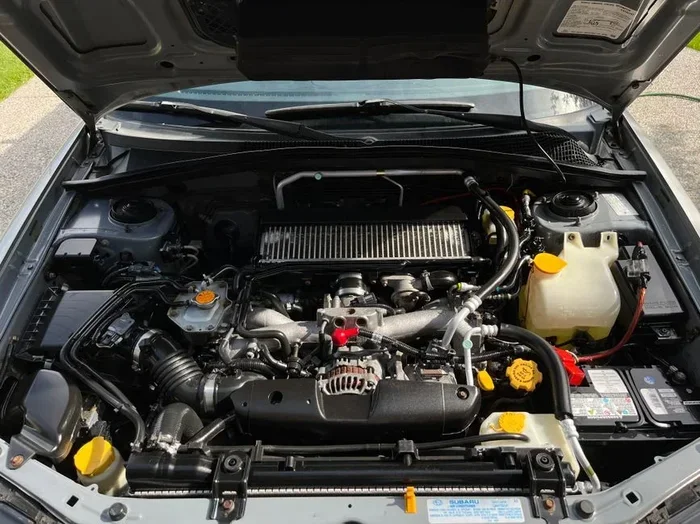
- Open the hood and locate the negative battery terminal (marked with a minus sign).
- Use a wrench to loosen the nut on the negative terminal clamp.
- Carefully lift the cable off the battery post and tuck it away so it cannot touch the terminal.
- Wait at least 15 minutes to allow the ECU to fully reset.
- Reconnect the negative cable and tighten the nut securely.
- Start the engine and check if the check engine light is off.
This method works well for temporary resets. But if the underlying problem still exists, the light will come back within a few days or after a few drive cycles. Keep that in mind before choosing this approach.
Method 3: Remove the ECU Fuse
The third method involves removing the ECU fuse to reset the car’s computer. The 2004 Toyota Corolla has a fuse box both under the hood and inside the cabin. You need to find the specific fuse that powers the engine control unit.
- Consult your owner’s manual to find the ECU fuse location. It is usually labeled as “ECU” or “EFI.”
- Turn off the ignition and remove the key.
- Open the fuse box and locate the correct fuse using the diagram in the manual.
- Use a fuse puller or small pliers to gently remove the fuse.
- Wait about 10 minutes before reinserting the fuse.
- Start the engine and see if the warning light has turned off.
This method is less common but works well when you do not have a scanner or want to avoid touching the battery. Just be careful when working inside the fuse box to avoid damaging other fuses.
Tools You Will Need for the Job
Before you start, gather the right tools. Having everything ready makes the process smooth and stress-free. Here is what you will need:
- OBD-II scanner: The most useful tool for reading and clearing diagnostic trouble codes.
- Wrench set: A basic set helps you loosen and tighten battery terminals and fuses.
- Fuse puller: A small tool that makes removing fuses safe and easy.
- Owner’s manual: Your Corolla’s manual has fuse box diagrams and fuse locations specific to your model.
- Clean cloth: Useful for cleaning battery terminals and fuse contacts.
You do not need expensive or specialized equipment for any of these methods. A basic OBD-II scanner and a simple wrench set are all most people need. Keep these tools in your garage or trunk so you are always prepared.
Common Mistakes People Make When Resetting the Light
Many people make avoidable mistakes when trying to turn off the check engine light. Learning from these errors saves time and money. Here are the most common ones:
- Resetting without fixing the root cause: If the light came on because of a faulty oxygen sensor, clearing the code will not fix the sensor. The light will return, often with more codes.
- Ignoring flashing lights: A flashing engine light is an emergency. Driving on a flashing light can cause serious and expensive damage to the catalytic converter.
- Using cheap or fake scanners: Not all OBD-II scanners are created equal. A cheap scanner may not read all codes or may give inaccurate readings.
- Forgetting to reconnect the battery properly: A loose battery terminal can cause electrical issues and leave you stranded.
- Removing the wrong fuse: Pulling the wrong ECU fuse can disable other systems and create new problems.
Take your time and follow each step carefully. Rushing through the process almost always leads to mistakes. Patience is your best friend when working on your car.
When to See a Professional Mechanic
There are times when manual turn off 2004 Corolla check engine light methods are not enough. You should visit a professional mechanic if:
- The check engine light comes back immediately after you reset it.
- You get multiple trouble codes that you cannot identify or fix yourself.
- The car runs rough, shakes, or loses power while driving.
- The engine light flashes repeatedly, indicating a serious misfire.
- You suspect a catalytic converter or major engine problem.
A professional has access to advanced diagnostic equipment and years of experience. They can pinpoint problems quickly and recommend the right repairs. Sometimes paying for a diagnostic visit saves you from expensive damage down the road. Do not hesitate to seek help when the problem feels beyond your skill level.
Preventing the Check Engine Light from Coming Back
Once you successfully reset the light, you want to keep it off. Regular maintenance is the best way to prevent future check engine warnings. Here are some tips that make a big difference:
- Check your gas cap regularly: Make sure it clicks tightly after every fill-up. A loose cap is the number one cause of a false check engine light.
- Change spark plugs on schedule: Follow the maintenance schedule in your 2004 Toyota Corolla owner’s manual.
- Use quality fuel: Cheap or contaminated fuel can cause sensor issues and trigger the engine light.
- Get regular oil changes: Clean oil keeps the engine running smoothly and prevents many problems that set off the warning.
- Address small issues early: Do not ignore minor warning signs like slight stalling or reduced fuel efficiency. These often point to problems that trigger the check engine light.
Simple habits go a long way. A well-maintained 2004 Corolla can run reliably for many more miles with fewer electrical and engine issues. Prevention is always cheaper and easier than repair.
Quick Tips for a Successful Reset
- Always turn off the engine before working on any electrical connections.
- Write down your trouble codes before clearing them so you can track patterns.
- Drive the car for at least 30 minutes after resetting to see if the light returns.
- Keep your OBD-II scanner charged or have fresh batteries on hand.
- Never disconnect the battery while the engine is running.
- Use dielectric grease on battery terminals to prevent corrosion.
- Take your car for a short test drive after resetting to verify the fix.
Expert Insights on the 2004 Corolla Check Engine System
According to automotive experts, the 2004 Toyota Corolla is one of the most reliable cars on the road. However, no vehicle is immune to check engine light issues. The OBD-II system in this model is straightforward and responds well to standard reset methods. Most mechanics agree that a loose gas cap accounts for nearly 20 percent of all engine light resets in older Corollas.
Experts also recommend investing in a quality OBD-II scanner rather than relying on free code readers at auto parts stores. Free readers often only give you the code definition without the ability to clear it. A personal scanner puts you in control and saves you trips to the shop for simple resets. Over time, the small investment pays for itself many times over.
When it comes to ECU reset methods, most professionals prefer the OBD-II scanner over battery disconnection. The scanner method is cleaner, does not erase other settings, and gives you diagnostic data. Battery disconnection should be a last resort when a scanner is not available. Knowing this difference helps you choose the right approach every time.
Comparison of Reset Methods
Here is a quick comparison of the three main methods to manual turn off 2004 Corolla check engine light:
| Method | Difficulty | Cost | Permanence |
|---|---|---|---|
| OBD-II Scanner | Easy | $20-$50 for scanner | Permanent if issue is fixed |
| Battery Disconnect | Medium | Free | Temporary if issue remains |
| ECU Fuse Removal | Medium | Free | Temporary if issue remains |
The OBD-II scanner method is the most recommended approach. It is easy to use, provides diagnostic data, and gives you the most control over the process. Battery and fuse methods are good backup options when you do not have a scanner handy.
Conclusion
Manual turn off 2004 Corolla check engine light is a task most car owners can handle with basic tools and a little knowledge. Whether you choose an OBD-II scanner, battery disconnection, or ECU fuse removal, the key is to understand why the light came on in the first place. Resetting the light without addressing the root cause is only a temporary fix. Always diagnose the problem first, then reset the system and drive carefully to see if the light returns. With the right approach and regular maintenance, you can keep your 2004 Toyota Corolla running smoothly and your dashboard free of annoying warnings.
Take action today. Grab your OBD-II scanner, check your gas cap, and tackle that check engine light with confidence. You have the knowledge and the tools to handle it like a pro.
Frequently Asked Questions
Can I drive my 2004 Corolla with the check engine light on?
If the light is steady, you can usually drive a short distance to a safe location or mechanic. However, if the light is flashing, stop driving immediately and seek help. A flashing light often indicates a serious problem like engine misfire that can damage the catalytic converter quickly.
How do I find the OBD-II port on my 2004 Corolla?
The OBD-II port on a 2004 Corolla is located under the dashboard on the driver’s side. It is usually near the steering column, below the fuse box cover. You may need to look carefully as it can be partially hidden. Consult your owner’s manual if you have trouble locating it.
Will disconnecting the battery erase my radio presets?
Yes, disconnecting the battery will reset the radio presets, clock, and sometimes other electronic settings on your 2004 Corolla. Keep this in mind before choosing the battery disconnect method. An OBD-II scanner is a better option if you want to preserve these settings.
What is the most common reason for a check engine light in a 2004 Corolla?
The most common reason is a loose or faulty gas cap. A poorly sealed cap allows fuel vapors to escape, which triggers the emissions system warning. Before trying any complex reset methods, check your gas cap first and make sure it clicks tightly into place.
How long does it take to reset the check engine light?
Using an OBD-II scanner, the reset process takes less than five minutes. Battery disconnection requires waiting 15 minutes for the ECU to fully reset. The total time depends on the method you choose and whether you need to diagnose the underlying issue first.
What should I do if the check engine light comes back after resetting?
If the light returns after resetting, it means the underlying problem has not been fixed. Use your OBD-II scanner to read the trouble codes again and research what they mean. Common recurring issues include faulty oxygen sensors, worn spark plugs, or EVAP system leaks that need professional attention.