If There Is Oil in Your Car Water Tank What Happens
Finding oil in your car water tank is a serious warning sign that should never be ignored. It usually points to a failed head gasket, cracked engine block, or damaged oil cooler. If you spot this problem early, you can prevent costly repairs and keep your engine running safely.
If you open your car water tank and see oil floating on top, you have a real problem. Oil in water tank car issues are more common than most drivers think. And the good news is that catching it early can save you from a massive repair bill.
Your car’s cooling system and oil system are supposed to stay completely separate. When they mix, something inside the engine has broken or failed. This article will walk you through exactly what happens, why it happens, and what you should do right now.
Key Takeaways
- Oil in the water tank is dangerous: It can cause severe engine overheating and internal damage if left unchecked.
- Common causes include head gasket failure, cracked blocks, and oil cooler leaks: Each requires a different repair approach.
- Watch for white smoke, milky oil, and overheating: These are the most visible symptoms of oil mixing with coolant.
- Do not keep driving: Continuing to run the engine can lead to total engine seizure and thousands of dollars in repairs.
- Early detection saves money: Catching the problem quickly often means a cheaper fix instead of a full engine replacement.
- Regular maintenance helps prevent this issue: Routine checks of your coolant and oil levels can spot problems early.
- Professional diagnosis is essential: A compression test or pressure check can confirm the exact cause and guide the right repair.
📑 Table of Contents
- What Happens When Oil Gets Into the Water Tank
- Why Oil Ends Up in the Water Tank
- How to Spot Oil Contamination in the Coolant
- What to Do If You Find Oil in the Water Tank
- Repair Costs and What to Expect
- Preventing Oil From Getting Into the Water Tank
- Expert Insights on Oil Contamination
- Key Takeaways
- Conclusion
What Happens When Oil Gets Into the Water Tank
Oil and coolant are not supposed to mix. Each one has a very specific job in your engine. When they combine, the results can range from mild to catastrophic depending on how much oil gets in and how long you keep driving.
The oil contaminates the coolant. This means the coolant can no longer do its job properly. It loses the ability to absorb heat from the engine. As a result, your engine starts to run hotter than normal.
At the same time, the coolant gets into the oil system too. This creates a milky, sludgy mixture that does not lubricate engine parts the way clean oil should. Metal parts start rubbing against each other without proper protection.
Immediate Effects on Your Engine
Within a short time of driving with oil in the water tank, you may notice several warning signs:
- Overheating: The contaminated coolant cannot cool the engine effectively.
- White smoke from the exhaust: Coolant burning in the combustion chamber creates thick white smoke.
- Loss of power: The engine struggles because parts are not properly lubricated.
- Unusual noises: Knocking or grinding sounds come from metal parts grinding without oil.
- Check engine light: Your dashboard warns you that something is seriously wrong.
If you ignore these signs, the situation gets worse fast. The engine can overheat to the point of warping cylinder heads or cracking the block. These are extremely expensive repairs.
Why Oil Ends Up in the Water Tank
Understanding the cause is the first step toward fixing the problem. Several things can push oil into the cooling system. Let us look at the most common reasons.
Blown Head Gasket
The head gasket sits between the engine block and the cylinder head. It seals the combustion chambers and keeps oil and coolant in their separate channels. When this gasket fails, oil leaks into the coolant passages and vice versa.
A blown head gasket is one of the most frequent causes of oil in water tank car problems. It happens because of overheating, age, or poor maintenance. Sometimes it develops slowly over time. Other times it fails suddenly after the engine gets too hot.
Cracked Engine Block or Cylinder Head
Extreme heat can crack the engine block or the cylinder head. When cracks form, oil can seep through into the cooling system. This type of damage often comes from repeated overheating episodes or severe temperature changes.
Older vehicles are more prone to cracking. The metal becomes brittle over time. Freeze damage from using the wrong coolant mixture can also cause cracks.
Faulty Oil Cooler
Many modern cars have an oil cooler that uses coolant to keep the oil at the right temperature. If the oil cooler develops a leak, oil can flow into the coolant lines and end up in the water tank.
This is actually one of the simpler problems to fix compared to a head gasket failure. But you still need to address it quickly before more damage occurs.
Damaged Oil Filter or Seal
A loose or damaged oil filter can allow oil to leak into unexpected areas. Similarly, worn seals around oil passages can let oil seep into the cooling system. These are smaller issues but still serious if not fixed.
How to Spot Oil Contamination in the Coolant
Catching this problem early makes a huge difference. Here are the most common signs that oil has gotten into your car water tank.
Check the Oil Cap
Pop open your oil fill cap and look at the underside. If you see a milky brown or tan residue, that is a strong sign of coolant mixing with oil. The milky appearance looks like a chocolate milkshake. That is never a good thing.
Inspect the Coolant Reservoir
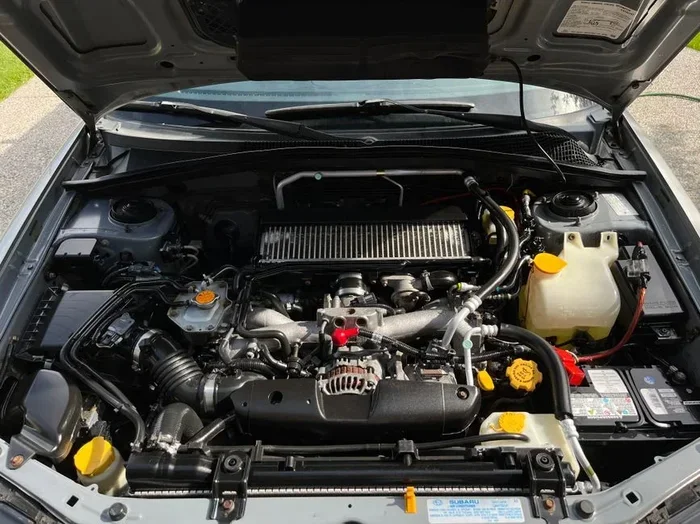
Look at the water tank and the coolant overflow bottle. If you see oily streaks, floating oil slicks, or a brownish layer on top of the coolant, oil has contaminated the system. Clean coolant should be bright green, orange, or pink depending on the type.
Watch Your Temperature Gauge
If your temperature gauge starts climbing into the red zone without a clear reason, contaminated coolant may be the cause. The oil reduces the coolant’s ability to absorb and transfer heat away from the engine.
Notice the Exhaust Smoke
Thick white smoke coming from the exhaust pipe that smells sweet is a classic sign. The sweet smell comes from coolant burning in the combustion chamber. This happens when coolant leaks past a failed gasket or crack into the cylinders.
Check for Coolant Loss Without Leaks
If you keep topping up the coolant but cannot find any visible leaks, the coolant may be escaping into the oil system or being burned in the engine. This is a hidden symptom that many drivers miss.
What to Do If You Find Oil in the Water Tank
Discovering oil in your water tank can be scary. But staying calm and taking the right steps can make a big difference. Here is exactly what you should do.
Step 1: Stop Driving Immediately
Do not keep driving the car. Every mile you drive with oil mixed into the coolant causes more damage. The contaminated oil loses its lubricating ability, and the contaminated coolant loses its cooling ability. Both systems start to fail.
Call a tow truck if needed. It is much cheaper to tow the car than to replace a seized engine.
Step 2: Check the Oil and Coolant Levels
Use the dipstick to check your oil level and condition. Look at the water tank to see the coolant level and color. Take notes and photos. This information will help your mechanic diagnose the problem faster.
Step 3: Get a Professional Diagnosis
A qualified mechanic will run several tests to find the exact cause. A compression test checks the seal of each cylinder. A pressure test checks the cooling system for leaks. These tests pinpoint whether the head gasket, block, or oil cooler is the culprit.
Step 4: Flush Both Systems
Once the repair is complete, both the cooling system and the oil system need a thorough flush. Old contaminated coolant and oil must be completely removed. Fresh fluids replace them to ensure proper engine protection going forward.
Repair Costs and What to Expect
The cost of fixing oil in the water tank car problem depends entirely on the cause. Here is a rough breakdown of what you might expect.
| Problem | Estimated Repair Cost | Difficulty Level |
|---|---|---|
| Oil cooler leak | $300 – $800 | Moderate |
| Head gasket replacement | $1,000 – $2,500 | High |
| Cracked cylinder head | $500 – $2,000 (repair or replace) | High |
| Cracked engine block | $2,000 – $5,000+ | Very High |
| Damaged oil seal or gasket | $150 – $500 | Low to Moderate |
The best way to keep costs down is to catch the problem early. A small oil cooler leak costs a fraction of what a full head gasket replacement costs. Do not delay getting it checked.
Preventing Oil From Getting Into the Water Tank
Prevention is always better than repair. A few simple habits can protect your engine from this serious problem.
- Check your coolant and oil levels regularly: A quick weekly check can spot changes early.
- Watch the temperature gauge: If your engine runs hot, address it immediately before damage occurs.
- Use the right coolant: Follow your owner manual for the correct type and mixture.
- Change oil on schedule: Fresh oil lubricates better and protects engine seals.
- Do not ignore warning signs: Any white smoke, overheating, or fluid leaks deserve immediate attention.
- Keep up with routine maintenance: Regular service helps mechanics catch small problems before they become big ones.
Expert Insights on Oil Contamination
Experienced mechanics will tell you that oil in the water tank car problem is often a symptom of neglect. Small issues like a slightly loose oil filter or a minor coolant leak get ignored for too long. Over time, these small problems cascade into major failures.
The best advice from seasoned professionals is simple. If you notice anything unusual under the hood, get it checked. A quick inspection can save you thousands of dollars and weeks without your car. Trust your instincts. If something does not look right, it probably is not right.
Key Takeaways
- Oil in the water tank is a serious problem: It means your engine’s two separate fluid systems have been compromised.
- Common causes are head gasket failure, cracked blocks, and oil cooler leaks: Each requires a specific repair strategy.
- Symptoms include white exhaust smoke, overheating, and milky oil: Do not ignore these warning signs.
- Stop driving immediately if you find oil in the coolant: Further driving causes irreversible engine damage.
- Repair costs vary widely: From a few hundred dollars for an oil cooler fix to thousands for a cracked block.
- Regular maintenance is your best defense: Simple checks and timely service prevent most causes of this problem.
- Professional diagnosis is essential: A mechanic can confirm the exact cause and recommend the right fix.
Conclusion
Finding oil in your car water tank is a serious situation that demands immediate attention. The oil in water tank car problem can stem from several causes, but the result is always the same. Your engine loses the protection it needs from both coolant and oil.
The most important thing you can do is act quickly. Stop driving, get the car inspected, and follow through with the recommended repairs. Ignoring this issue will only lead to more damage and higher costs.
With prompt action and proper repairs, most vehicles recover fully from oil contamination in the cooling system. Stay vigilant with your car maintenance. Check your fluids regularly. And never hesitate to consult a professional when something seems off. Your engine will thank you for it.
Frequently Asked Questions
Can I still drive my car if there is oil in the water tank?
No, you should not drive the car. Oil mixing with coolant reduces both cooling and lubrication. Driving in this condition can cause the engine to overheat and seize, leading to catastrophic and expensive damage. Have the car towed to a mechanic instead.
How much does it cost to fix oil in the water tank car problem?
The cost depends on the cause. A simple oil cooler repair might cost $300 to $800. A head gasket replacement typically runs $1,000 to $2,500. A cracked engine block can exceed $5,000. Getting an early diagnosis keeps costs lower.
What causes oil to mix with coolant in a car engine?
The most common causes are a blown head gasket, a cracked engine block or cylinder head, a faulty oil cooler, or damaged seals. Each of these allows oil and coolant to cross into each other’s systems, creating a dangerous mixture.
How do I know if oil has contaminated my coolant?
Look for oily streaks or a brownish film on top of the coolant in the water tank. Also check the oil cap for a milky residue. White smoke from the exhaust and unexplained coolant loss are additional signs of contamination.
Will a small amount of oil in the water tank cause damage?
Yes, even a small amount of oil in the coolant system can cause problems. Oil reduces the coolant’s ability to absorb heat, leading to overheating. It also contaminates the entire system, so the damage spreads even if the amount seems minor at first.
Can oil in the water tank cause the engine to seize?
Yes, it absolutely can. When oil mixes with coolant, the oil loses its lubricating properties. Without proper lubrication, metal parts grind against each other. This friction generates extreme heat and can cause the engine to seize completely, requiring a full replacement or rebuild.