The Ultimate Guide to Building Your Dream Jeep in Crate
A jeep in crate is a thrilling way to build your perfect off-road machine from scratch. This guide covers every step of the jeep in crate process, from choosing your kit to hitting the trail. You will learn about frame assembly, engine options, suspension setup, and body finishing. Whether you are a beginner or a seasoned builder, this jeep in crate guide has everything you need. Save time, avoid costly mistakes, and create a custom Jeep that matches your vision.
There is something truly special about a jeep in crate. It is a blank canvas, a stack of parts waiting to become your dream off-road machine. For years, Jeep enthusiasts have dreamed of building their own custom ride from a crate. Now, more options than ever make this dream accessible to builders of all skill levels.
In this guide, we walk you through everything you need to know about a jeep in crate build. From picking the right kit to hitting the trail for the first time, we have you covered. You will learn about frame assembly, engine choices, suspension setup, and much more. Whether you want a classic vintage look or a modern off-road beast, a jeep in crate gives you full control over every detail.
Building a jeep in crate is not just about turning wrenches. It is a journey of creativity, problem-solving, and pure satisfaction. There is nothing quite like driving a Jeep you built yourself. The scratches, the bolt marks, the custom touches — they all tell a story. This guide helps you write that story the right way.
Key Takeaways
- Jeep in Crate Basics: A jeep in crate is a pre-packaged build kit that gives you all the parts to assemble a custom Jeep from the ground up.
- Choose the Right Kit: Match your jeep in crate to your skill level, budget, and intended use — trail riding, rock crawling, or daily driving.
- Essential Tools Matter: Having the right tools before you start saves time, frustration, and money during the jeep in crate assembly process.
- Frame and Suspension Are Key: A solid frame and proper suspension setup make or break the performance of any jeep in crate build.
- Engine and Drivetrain Choices: Picking the right engine and drivetrain for your jeep in crate determines power, efficiency, and off-road capability.
- Avoid Common Mistakes: Skipping steps, rushing assembly, and ignoring torque specs are the top errors builders make with a jeep in crate project.
- Finishing Touches Matter: Paint, body panels, interior, and accessories turn a basic jeep in crate into a personalized dream machine.
📑 Table of Contents
- What Is a Jeep in Crate?
- Planning Your Jeep in Crate Build
- Essential Tools and Workspace for Your Jeep in Crate Build
- Step-by-Step Jeep in Crate Assembly Process
- Common Mistakes to Avoid During a Jeep in Crate Build
- Customizing Your Jeep in Crate for Off-Road Adventure
- Comparing Popular Jeep in Crate Options
- Bringing Your Jeep in Crate to Life: The Final Steps
- Conclusion
What Is a Jeep in Crate?
A jeep in crate is a complete or partial kit that comes packed in a shipping crate. Inside, you find all the major parts needed to build a Jeep. This can include the frame, body panels, engine, drivetrain, suspension components, and more. The concept is simple: open the box, follow the instructions, and build your dream vehicle.
Why Choose a Jeep in Crate Over a Pre-Built Jeep?
Many builders ask why they should choose a jeep in crate instead of buying a ready-to-drive Jeep. The answer is customization. When you build from a crate, every single part is your choice. You decide the engine, the suspension, the paint color, and the interior. No compromises. No settling for someone else’s vision.
A jeep in crate also lets you learn deeply about your vehicle. You understand every bolt, every wire, every system. This knowledge makes you a better owner and driver. When something goes wrong on the trail, you know exactly how to fix it.
Types of Jeep in Crate Kits Available
Not all jeep in crate kits are the same. Here are the main types you will find on the market:
- Full Build Kits: These include everything from the frame to the body panels. You get a complete parts package that requires full assembly from scratch.
- Rolling Chassis Kits: These provide the frame, suspension, and drivetrain. You add the body, engine, and interior yourself.
- Restoration Kits: These are for vintage Jeep models. They include reproduction or original-spec parts to rebuild a classic Jeep.
- Custom Build Kits: These let you pick and choose parts to create a one-of-a-kind build tailored to your needs.
Planning Your Jeep in Crate Build
Before you open that crate, planning is everything. A jeep in crate build requires thought and preparation. Rushing into it without a plan leads to frustration and wasted money. Take the time to map out your build before a single bolt is tightened.
Define Your Build Goal
Ask yourself what you want from your jeep in crate. Are you building a trail cruiser? A rock crawler? A daily driver with off-road capability? Your goal shapes every decision you make. Write it down. Pin it to your wall. Let it guide your choices.
Think about where you will drive your Jeep most. Sand dunes need different setup than rocky trails. Muddy bogs demand specific tires and gearing. Your jeep in crate should match the terrain you love most.
Set a Realistic Budget
A jeep in crate build can range from a few thousand dollars to well over twenty thousand. Set a budget early and stick to it. Include costs for the kit itself, tools, paint, interior materials, and any upgrades you want to add along the way.
It is smart to add a 15 to 20 percent buffer to your budget. Unexpected costs always pop up during a build. Having extra money set aside keeps your project moving forward without stress.
Choose the Right Jeep Model
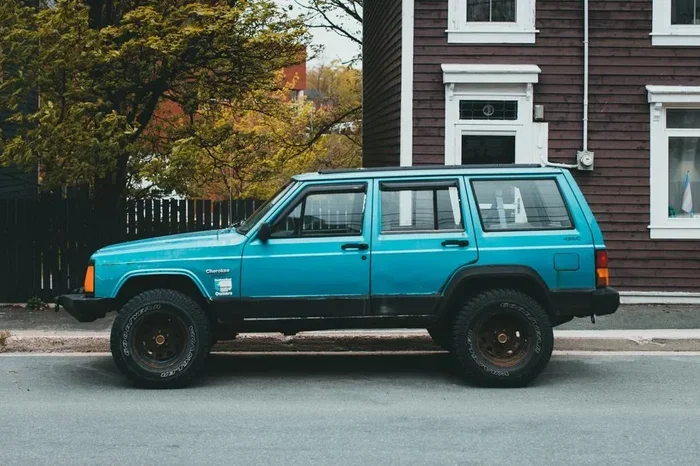
The model you choose for your jeep in crate matters a lot. Popular choices include the Jeep Wrangler, Jeep CJ, Jeep Gladiator, and Jeep Cherokee. Each has its own strengths. The Wrangler is the go-to for off-road capability. The CJ offers classic vintage charm. The Gladiator gives you a pickup bed for hauling gear.
Research each model thoroughly. Look at parts availability, community support, and resale value. A popular model like the Jeep Wrangler has tons of aftermarket support, making your jeep in crate build much easier.
Essential Tools and Workspace for Your Jeep in Crate Build
You cannot build a jeep in crate without the right tools. Having a proper workspace makes the entire process smoother and safer. Do not skip this step — it is one of the most important parts of your build journey.
Must-Have Tools for Assembly
Here is a list of essential tools you need before starting your jeep in crate project:
- Socket Set: A full set of metric and standard sockets in various sizes.
- Torque Wrench: Critical for tightening bolts to the correct specification.
- Jack and Jack Stands: You need to lift and support the frame safely.
- Welder: Helpful for frame modifications and custom bracket fabrication.
- Air Compressor and Impact Wrench: Speeds up bolt tightening significantly.
- Hand Tools: Screwdrivers, pliers, wrenches, and pry bars.
- Electrical Tools: Wire strippers, crimpers, and a multimeter for wiring tasks.
Setting Up Your Workspace
You do not need a professional garage to build a jeep in crate. A clean, dry, well-lit space works perfectly. A two-car garage is ideal. You need room to lay out parts, move around the frame, and access all sides of the vehicle.
Make sure your workspace has a solid floor. Concrete is best for supporting the weight of a Jeep frame and engine. Keep your tools organized and within reach. A cluttered workspace slows you down and increases the chance of mistakes.
Quick Tip: Lay out all parts and hardware before you start. Organize them by category and label bags. This simple step saves hours of searching during your jeep in crate assembly.
Step-by-Step Jeep in Crate Assembly Process
Now comes the fun part — building your jeep in crate. The assembly process follows a logical sequence. Following the steps in order prevents problems and ensures a solid final product. Take your time and enjoy each stage of the build.
Step 1: Frame Assembly
The frame is the backbone of your jeep in crate. Start by laying out all frame pieces on a flat surface. Check each piece against the parts list. Look for any damage or defects before you begin bolting things together.
Start with the main rail sections. Connect them using the provided hardware. Use your torque wrench to tighten bolts to the correct specification. Double-check every connection. A loose frame joint is a safety hazard.
Step 2: Suspension and Axle Installation
Next, install the suspension components and axles. This is where your jeep in crate starts to take shape. Mount the leaf springs or coilovers to the frame. Then attach the front and rear axles with the provided brackets.
Pay close attention to alignment. The axles need to sit correctly under the frame. Misaligned axles cause handling problems and uneven tire wear. Take your time with this step — precision here pays off on the trail.
Step 3: Engine and Drivetrain
Mounting the engine is one of the most exciting parts of your jeep in crate build. Lower the engine into the bay using a hoist or engine stand. Secure it to the motor mounts with the correct bolts.
Connect the drivetrain next. This includes the transmission, transfer case, and driveshafts. Make sure all fluid levels are correct before you start it up. Coolant, oil, and transmission fluid should all be at proper levels.
Step 4: Body and Paint
Once the mechanical parts are in place, it is time for the body. Attach the body panels to the frame. Check for proper fit and alignment. Gaps between panels should be even on both sides.
After the body is on, it is time for paint. Prep the surface carefully. Sand, prime, and paint in thin, even coats. A quality paint job transforms your jeep in crate from a parts pile into a show-worthy machine. Consider a classic color like Jeep Rubicon Rock, Forest Green, or Billet Silver.
Step 5: Interior and Electrical
The interior is what makes your Jeep feel like home. Install the seats, dashboard, steering column, and wiring harness. Connect all electrical components — lights, gauges, ignition system, and accessories.
Take extra care with the wiring. A clean, organized electrical system prevents problems down the road. Label every wire. Use proper connectors and heat-shrink tubing. Your future self will thank you when troubleshooting is needed.
Common Mistakes to Avoid During a Jeep in Crate Build
Every builder makes mistakes. The key is learning from them and avoiding the ones that hurt your project the most. Here are the most common errors builders make with a jeep in crate project.
Skipping the Manual
The instructions that come with your jeep in crate kit exist for a reason. Skipping them leads to missed steps and wrong installations. Read the entire manual before you start. Keep it handy throughout the build.
Rushing the Assembly
Enthusiasm is great, but rushing causes mistakes. Tightening bolts too fast, skipping torque specs, and misaligning components all happen when you rush. A jeep in crate build is a marathon, not a sprint. Take breaks. Stay patient. Enjoy the process.
Buying Cheap Parts
It is tempting to cut costs with budget parts. But cheap parts fail. A low-quality suspension component or a weak body panel can ruin your build experience. Invest in quality parts for your jeep in crate. Your safety and the durability of your build depend on it.
Ignoring Torque Specifications
Every bolt on your Jeep has a specific torque specification. Over-tightening strips threads. Under-tightening lets parts vibrate loose. Always use a torque wrench. This simple habit saves you from serious problems later.
Expert Insight: Seasoned builders say the biggest mistake is not planning enough. Spend extra time on the planning phase of your jeep in crate build. A well-thought-out plan prevents most problems before they happen.
Customizing Your Jeep in Crate for Off-Road Adventure
One of the best things about a jeep in crate is the ability to customize. You are not stuck with factory settings. You can build a trail-ready machine that matches your exact style and needs.
Lift Kits and Tires
A lift kit raises your Jeep’s ground clearance for better trail performance. Pair it with all-terrain or mud-terrain tires for superior grip. The right combination of lift and tires makes your jeep in crate a true off-road powerhouse.
Skid Plates and Rock Rails
Protect your Jeep’s undercarriage with skid plates. These metal shields guard the engine, transmission, and fuel tank from rocks and debris. Rock rails protect the body sides from trail damage. Both are essential upgrades for any serious jeep in crate build.
Winch and Recovery Gear
No off-road Jeep is complete without a winch. It pulls you out of sticky situations and helps others in need. Mount a quality winch on the front bumper. Carry recovery straps, a shovel, and traction boards in your Jeep.
Lighting Upgrades
Trail riding often happens after dark. Upgrade your headlights and add light bars for better visibility. LED lights are bright, energy-efficient, and long-lasting. Good lighting keeps you safe and lets you explore more terrain with your jeep in crate.
Comparing Popular Jeep in Crate Options
Choosing the right jeep in crate kit can feel overwhelming. Here is a comparison of popular options to help you decide.
| Kit Type | Skill Level | Price Range | Best For |
|---|---|---|---|
| Full Build Kit | Beginner to Intermediate | $8,000 – $20,000 | Complete build from scratch |
| Rolling Chassis | Intermediate | $4,000 – $10,000 | Custom body and engine choice |
| Restoration Kit | Intermediate to Advanced | $5,000 – $15,000 | Vintage Jeep revival |
| Custom Build Kit | Advanced | $6,000 – $25,000+ | One-of-a-kind builds |
Each option has its strengths. A full build kit is perfect for beginners who want guidance. A rolling chassis gives more freedom for experienced builders. A restoration kit is ideal for classic Jeep fans. Choose the one that fits your goals and skill level.
Bringing Your Jeep in Crate to Life: The Final Steps
The final phase of your jeep in crate build is the most rewarding. You have assembled the frame, mounted the engine, painted the body, and finished the interior. Now it is time to start it up and take it for a spin.
Before you drive, do a thorough inspection. Check every bolt. Test all lights and gauges. Verify fluid levels. Start the engine and listen for any unusual sounds. Let it idle and warm up slowly.
Take your jeep in crate on a short test drive in a safe area. Feel how it handles. Listen for any rattles or noises. Make adjustments as needed. This is your chance to fine-tune everything before you hit the open trail.
The moment you turn the key and hear that engine roar, you will feel a rush of pride. You built this. Every bolt, every weld, every choice was yours. A jeep in crate is more than a vehicle — it is a reflection of your passion and hard work.
Conclusion
Building a jeep in crate is one of the most rewarding projects a Jeep lover can take on. It gives you a custom vehicle built exactly to your specifications. From choosing the right kit to hitting the trail for the first time, every step of the journey is filled with learning and excitement.
Remember to plan carefully, use quality tools, and follow the assembly steps in order. Avoid common mistakes like rushing and skipping torque specs. Take your time and enjoy the build. Your dream jeep in crate is waiting to come to life — all you need is the right kit, the right tools, and the right attitude.
Now is the time to start. Open that crate, grab your tools, and begin building the Jeep of your dreams. The trail is calling, and your jeep in crate is ready to answer.
Frequently Asked Questions
What exactly is a jeep in crate?
A jeep in crate is a complete kit that includes all the major parts needed to build a Jeep from scratch. It comes packed in a shipping crate with the frame, body panels, engine, drivetrain, and suspension components. Builders assemble everything themselves, creating a fully custom vehicle.
How long does it take to build a jeep in crate?
The build time varies depending on your skill level and the complexity of the kit. A beginner can expect to spend 200 to 400 hours on a full jeep in crate build. Experienced builders may finish in 100 to 200 hours. Taking your time ensures quality and avoids mistakes.
Do I need welding skills for a jeep in crate build?
Most jeep in crate kits do not require welding for basic assembly. However, some custom modifications or fabrication tasks may benefit from welding skills. If you plan to make significant changes, learning basic welding is a valuable investment for your jeep in crate project.
Can I build a jeep in crate as a beginner?
Yes, many jeep in crate kits are designed for beginners. Full build kits come with detailed instructions and all necessary parts. Start with a simpler kit, take your time, and do not hesitate to ask for help from experienced builders in online Jeep communities.
What is the average cost of a jeep in crate kit?
The cost depends on the kit type and the model you choose. A full jeep in crate kit typically ranges from $8,000 to $20,000. Rolling chassis kits are more affordable at $4,000 to $10,000. Always budget extra for tools, paint, and unexpected expenses during the build.
Can I use a jeep in crate for daily driving?
Absolutely. Many builders create jeep in crate projects meant for daily driving and off-road adventures. Choose comfort features, reliable drivetrain components, and street-legal lighting. A well-built jeep in crate can be a dependable daily driver that also handles trails with ease.