How to Fix Tire Pressure Sensor Warning Light Fast
A tire pressure sensor warning light can scare you, but most causes are simple and fixable at home. This guide walks you through the fastest ways to diagnose and resolve TPMS issues, from resetting the sensor to replacing a dead battery. You will learn what triggers the light, how to check your tire pressure, and when to call a pro for help.
That little horseshoe-shaped light with an exclamation mark on your dashboard can really throw you off. One moment you are driving fine, and the next, your tire pressure sensor warning light is glowing bright. Before you panic, take a deep breath. The good news is that fixing a tire pressure sensor issue is often quick, inexpensive, and something you can handle yourself.
Whether the light came on because of a slow leak, a dead sensor battery, or a simple reset needed, this guide has you covered. We will walk you through every step to get your TPMS light off and your tires in good shape again. Along the way, we will also cover how to maintain your tires properly so this problem does not keep coming back. If you are also curious about other car troubleshooting tips like how to start a car without key issues, many of the same diagnostic principles apply.
The tire pressure monitoring system, or TPMS, is a safety feature designed to alert you when your tire pressure drops to a dangerous level. Understanding how it works makes fixing the problem much easier. Let us dive into the details and get that warning light off your dash for good.
Key Takeaways
- Low tire pressure is the most common trigger: A simple top-up often clears the warning light in minutes.
- Resetting the TPMS is easy: Most vehicles have a reset button or procedure you can do yourself.
- Sensor batteries die over time: They typically last 5-10 years and need replacement when they do.
- Cold weather can cause false alerts: Temperature drops affect air pressure inside tires temporarily.
- Regular tire maintenance prevents most issues: A monthly pressure check keeps your sensors happy.
- Persistent lights need professional diagnosis: A mechanic can run a TPMS scan tool to pinpoint faults.
- Driving on underinflated tires is dangerous: It reduces fuel economy and increases blowout risk.
📑 Table of Contents
Understanding Your Tire Pressure Sensor
Before you can fix something, you need to understand how it works. The TPMS sensor is a small device mounted inside each tire, usually attached to the valve stem. It constantly measures the air pressure inside the tire and sends data wirelessly to your car’s computer.
How the TPMS Sensor Works
Each sensor has a tiny battery that powers the transmitter. When pressure drops below the recommended level, usually about 25% below the manufacturer’s specification, the sensor sends an alert. Your dashboard then displays the tire pressure warning light. This system was mandated in all new cars sold in the United States after 2007 for safety reasons.
The sensor does not just detect flat tires. It also monitors pressure changes caused by temperature shifts, slow leaks, and even punctures. This makes it a valuable tool for keeping your vehicle safe on the road. Regular tire pressure check routines complement what the sensor does automatically.
Direct vs. Indirect TPMS Systems
There are two types of TPMS systems found in vehicles today. Understanding which one you have helps when troubleshooting.
- Direct TPMS: Uses a physical sensor inside each tire. This is the most common type and provides exact pressure readings.
- Indirect TPMS: Uses the wheel speed sensors from your ABS system. It detects pressure differences by measuring tire rotation speed. A tire with low pressure rolls at a different speed than a properly inflated one.
Most modern vehicles use direct TPMS. If your car has a tire pressure sensor built into the valve stem, you have a direct system. Indirect systems do not have physical pressure sensors but can still trigger the same warning light.
Common Reasons the TPMS Light Comes On
Knowing why the light comes on is half the battle. Here are the most common culprits behind a glowing tire pressure warning.
Low Tire Pressure From a Slow Leak
This is the number one reason the TPMS light activates. A nail, screw, or sharp object can puncture your tire and cause a slow leak over time. You might not even notice it until the tire pressure sensor catches up. Temperature changes also cause air to escape slowly from tires, especially during seasonal shifts.
Dead Sensor Battery
Every TPMS sensor runs on a small battery. These batteries typically last between five and ten years. Once the battery dies, the sensor cannot transmit data, and your dashboard will show a TPMS malfunction indicator. Replacing the battery requires either a mechanic or a DIY enthusiast with the right tools.
Temperature Drops
Cold weather is a sneaky trigger. When the temperature drops significantly, the air inside your tires contracts. This reduces the pressure and can set off the tire pressure sensor even if there is no actual leak. This is especially common in the fall and winter months. A quick top-up with an air compressor usually fixes this.
TPMS Sensor Damage
Potholes, curbs, and road debris can physically damage the sensor or its valve stem. If the sensor gets knocked out of position or the valve core breaks, it will fail to send accurate readings. This type of damage often requires sensor replacement rather than a simple reset.
After Tire Rotation or Replacement
If you recently rotated your tires or installed new ones, the sensors may need to be reprogrammed. The car’s computer might not recognize the new sensor IDs right away, causing the TPMS light to stay on. This is a common issue after tire service and is usually an easy fix.
How to Fix Tire Pressure Sensor Issues Step by Step
Now that you know the common causes, let us walk through the actual fixes. Each step is simple enough to do at home with basic tools.
Step 1: Check Your Tire Pressure Manually
The first and most important step is to check your tire pressure with a tire pressure gauge. Do this when the tires are cold, meaning the car has been parked for at least three hours. Remove the valve cap, press the gauge firmly onto the valve stem, and read the number.
Compare your reading to the recommended pressure listed on the driver’s side door jamb. Do not use the number on the tire sidewall, as that is the maximum pressure, not the recommended one. If any tire is low, add air using a portable air compressor or a gas station air pump.
Step 2: Inflate Tires to the Correct Pressure
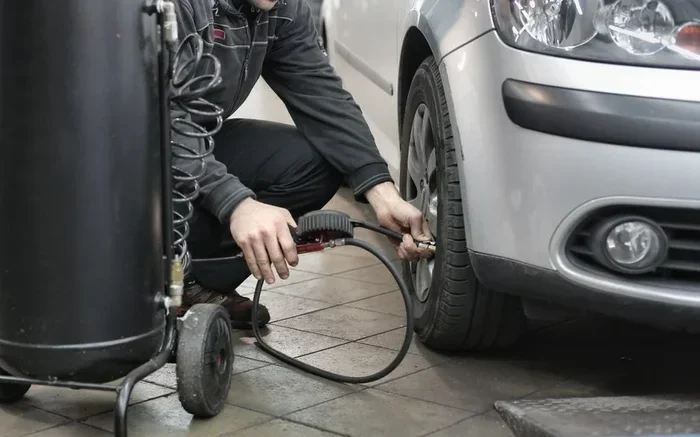
Once you know which tire is low, inflate it to the recommended PSI. Most passenger cars require between 30 and 35 PSI, but always check your vehicle’s sticker for the exact number. Add air in short bursts and recheck with your gauge until you hit the right level.
After inflating, drive your car for a few minutes. In many vehicles, the tire pressure sensor light will turn off automatically once the system detects proper pressure. If it does not, move on to the next step.
Step 3: Reset the TPMS System
Resetting the TPMS is straightforward on most cars. Here is how to do it:
- Start the car and make sure the tires are properly inflated.
- Locate the TPMS reset button, usually found beneath the steering column or on the dashboard.
- Press and hold the button until the TPMS light blinks three times.
- Release the button and drive the car for 20 minutes at speeds above 20 mph.
- The light should turn off once the system completes its recalibration.
If your vehicle does not have a reset button, you can often reset the system through the infotainment menu. Check your owner’s manual for the exact steps. Some cars require a TPMS scan tool, which a mechanic or auto parts store can provide.
Step 4: Check for Sensor Fault Codes
If the light persists after resetting, there may be a deeper issue. An OBD-II scanner can read TPMS fault codes from your car’s computer. These codes tell you exactly which sensor is malfunctioning. You can buy a basic OBD-II scanner for under $30, or many auto parts stores will read the codes for free.
Common fault codes include sensor battery low, sensor signal loss, and system malfunction. Each code points to a specific problem and helps you decide the next step. If you are not comfortable using a scanner, a quick visit to a mechanic will sort this out.
Step 5: Replace the TPMS Sensor if Needed
Sometimes the sensor itself needs replacing. This is more involved but still manageable for most DIYers. You will need a new sensor that matches your vehicle’s make and model, a TPMS tool to program the new sensor, and basic hand tools.
Start by removing the tire from the wheel. Unscrew the old sensor from the valve stem, install the new one, and remount the tire. The TPMS tool programs the new sensor ID into your car’s system. If this sounds too technical, any tire shop or mechanic can handle the replacement for a reasonable fee.
For broader vehicle troubleshooting help, you might also find our guide on how to start a car without key helpful, as many modern car issues share similar diagnostic approaches.
When to See a Professional Mechanic
Not every tire pressure sensor problem should be handled at home. Knowing when to seek professional help saves time and prevents costly mistakes.
Signs You Need a Mechanic
- The TPMS light stays on after you have inflated all tires to the correct pressure.
- Your OBD-II scanner shows a persistent sensor fault code.
- You notice physical damage to the valve stem or sensor.
- Multiple sensors are showing faults at the same time.
- You have tried resetting the system but the light keeps coming back.
A professional mechanic has access to advanced diagnostic equipment that can pinpoint issues quickly. They can also perform a TPMS relearn procedure, which re-registers all sensors with the car’s computer. This is especially important after replacing sensors or rotating tires.
Most tire shops offer free TPMS diagnostics. It costs nothing to get a professional opinion, and it could save you from buying the wrong parts. If the sensor battery has died, a mechanic can replace it or swap the entire sensor for you in about 15 minutes per tire.
Preventing Tire Pressure Sensor Problems
Prevention is always better than cure. A few simple habits can keep your TPMS light off and your tires in excellent condition for years to come.
Check Tire Pressure Monthly
Make it a habit to check your tire pressure at least once a month. Use a reliable digital gauge and compare readings to the manufacturer’s recommendation. This simple habit catches slow leaks early before they trigger the tire pressure sensor warning light.
Keep Valve Stems Clean and Caps On
The valve stem is the gateway for air to enter and exit your tire. Dirt and moisture around the stem can cause slow leaks and sensor damage. Always keep the valve caps on, and clean the stems periodically with a damp cloth. This small step goes a long way in maintaining tire pressure monitoring accuracy.
Replace Sensors Proactively
Since TPMS sensor batteries last about five to ten years, plan for replacement before they die. If your car is more than eight years old, consider having a mechanic check the sensor batteries during your next tire service. Proactive replacement prevents unexpected warning lights and keeps your tire pressure sensor system running smoothly.
Avoid Hitting Potholes and Curbs
Impact damage is one of the leading causes of sensor failure. While you cannot avoid every pothole, slowing down over rough roads and avoiding curbs when parking reduces the risk of damaging your sensors. This also extends the life of your tires and wheels.
Quick Tips for Tire Pressure Maintenance
Here are some fast, practical tips to keep your TPMS system healthy and your tires performing at their best.
- Check pressure when tires are cold for the most accurate reading.
- Keep a portable air compressor in your trunk for emergencies.
- Note the recommended PSI for each tire as they may differ between front and rear.
- Inspect tires visually for uneven wear, cracks, or bulges during each pressure check.
- Reset TPMS after every tire rotation or tire replacement to avoid false alerts.
- Keep a tire pressure log to track changes over time and spot trends.
- Do not ignore the TPMS light even if the tires look fine to the naked eye.
Conclusion
Fixing a tire pressure sensor warning light does not have to be stressful or expensive. Start by checking your tire pressure manually and inflating any low tires to the recommended level. Reset the TPMS system, and in most cases, the light will turn off within minutes. If the problem persists, use an OBD-II scanner to read fault codes or visit a mechanic for professional diagnosis.
Regular tire maintenance is the best defense against recurring TPMS issues. Check your pressure monthly, keep valve stems clean, and replace aging sensors before their batteries die. Your tire pressure monitoring system works hard to keep you safe, and a little care goes a long way in keeping it running properly. Take action today, and you will enjoy safer drives, better fuel economy, and peace of mind every time you hit the road.
Frequently Asked Questions
Why does my tire pressure sensor light come on even when my tires are fine?
This often happens due to temperature changes, a dead sensor battery, or a sensor that needs resetting. Cold weather can temporarily lower tire pressure and trigger the light. Try inflating your tires to the correct PSI and resetting the TPMS system to see if the light turns off.
How much does it cost to replace a tire pressure sensor?
Sensor replacement typically costs between $50 and $250 per sensor, depending on your vehicle make and model. Some tire shops offer free installation if you purchase the sensor from them. DIY replacement is possible but requires a TPMS programming tool.
Can I drive with the tire pressure sensor light on?
You can drive short distances, but it is not recommended. Low tire pressure reduces handling, increases stopping distance, and raises the risk of a blowout. Check your tire pressure as soon as the light comes on and address the issue immediately.
How do I reset my tire pressure sensor light?
Locate the TPMS reset button under your steering column or in the infotainment menu. Press and hold it until the light blinks, then drive for 20 minutes at speeds above 20 mph. The system will recalibrate and the light should turn off.
How long do tire pressure sensor batteries last?
TPMS sensor batteries typically last between five and ten years. Once the battery dies, the sensor cannot transmit pressure data, and the warning light will come on. Replacement involves either swapping the battery or replacing the entire sensor unit.
What is the difference between TPMS and a tire pressure gauge?
A TPMS is an electronic system built into your car that monitors tire pressure automatically and alerts you on the dashboard. A tire pressure gauge is a handheld tool you use manually to check the exact pressure in each tire. Both are important for maintaining safe tire pressure levels.