Can You Erase Permanent Dodge Diesel Codes Without a Scanner
Yes, you can erase permanent Dodge diesel codes without a scanner in some cases, but it depends on the code type, your truck model, and the method you use. Permanent codes (P0xxx) store in the powertrain control module and need specific steps to clear. This guide walks you through every option, from simple resets to advanced DIY tricks, so you can get back on the road confidently.
Dealing with a permanent Dodge diesel code can feel like a real headache. You are staring at a check engine light, your truck might be running rough, and you are wondering if you need to spend hundreds on a mechanic. The big question on most owners’ minds is simple: can you erase permanent Dodge diesel codes without a scanner?
The short answer is yes, in some situations. But the full answer depends on your truck model, the type of code, and what tools you already have. In this guide, we will walk you through every method, every pitfall, and every tip you need to clear those stubborn codes the right way. Whether you are a weekend wrench-turner or a curious truck owner who wants to save money, this article has you covered.
Dodge diesel trucks, especially the Cummins-powered models, are tough machines. But their diagnostic systems are no joke. When a fault code pops up, it means your truck’s computer has detected something wrong in the emission system, fuel injection system, or another critical area. Understanding how these codes work is the first step to clearing them without a professional scanner.
Key Takeaways
- Permanent codes differ from temporary codes: Permanent DTCs stay stored even after you fix the problem and need extra steps to erase.
- A scanner is the most reliable tool: But you do have alternative methods that can work in a pinch, including key cycling and OBD port tricks.
- Fix the root cause first: Clearing codes without addressing the underlying issue will just bring them back.
- Model year matters: Newer Dodge diesel trucks have stricter emission systems that make code clearing more complex.
- Safety first: Always disconnect the battery properly and follow each step carefully to avoid damaging your ECM.
- Aftermarket tools are affordable: A basic code reader costs much less than a dealership visit and works for most Dodge diesels.
📑 Table of Contents
- Understanding Permanent Diesel Diagnostic Codes
- Can You Erase Permanent Dodge Diesel Codes Without a Scanner
- Why a Scanner Is Still the Best Option
- Common Mistakes When Clearing Diesel Codes
- Quick Tips for Dodge Diesel Owners
- When to See a Professional
- Expert Insights on Diesel Code Clearing
- Key Takeaways
- Conclusion
Understanding Permanent Diesel Diagnostic Codes
Before you try anything, you need to understand what you are dealing with. Not all codes are the same, and treating them like they are will only lead to frustration.
What Are Diagnostic Trouble Codes?
Every modern Dodge diesel truck uses an OBD-II system (On-Board Diagnostics). This system monitors dozens of sensors and components in real time. When something falls outside the expected range, the Engine Control Module (ECM) stores a Diagnostic Trouble Code, also known as a DTC. These codes tell you exactly what went wrong and where.
There are two main types of codes:
- Pending codes: These are early warnings. The system noticed something once but has not confirmed it as a recurring problem.
- Permanent codes: These are confirmed faults. The ECM has seen the same issue multiple times and locked it in. These are the ones that keep your check engine light on.
Why Permanent Codes Are Different
Temporary codes go away on their own once the problem stops. Permanent codes, on the other hand, stay stored in the ECM’s memory even after you fix the issue. You cannot just turn the ignition off and expect them to disappear. That is what makes them so annoying and what drives most people to ask whether they can erase permanent Dodge diesel codes without a scanner.
The reason permanent codes exist is to protect your truck’s emission system. Federal regulations require that these codes remain until a technician verifies the repair with a proper scan tool. This ensures that fixes are real and not just temporary band-aids.
Can You Erase Permanent Dodge Diesel Codes Without a Scanner
Here is where things get interesting. You technically can clear some permanent codes without a traditional scanner, but the methods have limits. Let us break down each approach so you know exactly what to expect.
Method 1: Key Cycling Technique
The key cycling method is one of the oldest tricks in the book. It works on many older Dodge diesel models, particularly those from the early 2000s. Here is how it works:
- Turn the ignition to the “ON” position without starting the engine.
- Wait about 10 seconds.
- Turn the ignition back to “OFF.”
- Wait another 10 seconds.
- Repeat this cycle three to five times.
- Start the engine and check if the check engine light is off.
This method forces the ECM to reset some stored codes. However, it does not work on all models. Newer trucks with more advanced computers may not respond to this technique at all.
Method 2: Battery Disconnect Reset
Disconnecting the battery is another common approach. When you remove the power supply, the ECM loses its stored memory, including some fault codes. Here is what you need to do:
- Turn off the engine and remove the key.
- Locate the negative battery terminal.
- Use a wrench to loosen the cable and disconnect it.
- Wait at least 15 minutes.
- Reconnect the terminal and tighten it securely.
- Start the truck and see if the codes are gone.
This method is simple and effective for many temporary codes. But for permanent Dodge diesel codes, the results are mixed. Some owners report success, while others find the codes return after a few driving cycles. The battery disconnect method also resets other settings like your radio presets and clock, so keep that in mind.
Method 3: Fuse Pull Trick
Some experienced DIYers pull the ECM fuse for a few minutes to reset the module. This is more targeted than a battery disconnect because it only affects the engine computer. However, this method requires you to know which fuse controls the ECM, and pulling fuses incorrectly can cause other issues.
If you go this route, consult your repair manual for the exact fuse location. Never pull fuses with the engine running, and always make sure you know what you are doing before you start.
Why a Scanner Is Still the Best Option
Let us be honest. The methods above can work, but they are not foolproof. A proper OBD-II scanner or code reader is still the most reliable way to erase permanent codes. Here is why:
- Precision: A scanner reads each code individually and lets you clear only the ones you want.
- Verification: After clearing, a scanner confirms whether the codes are truly gone or if they return.
- Live Data: You can monitor sensors in real time to make sure everything is functioning correctly after the reset.
- Model Compatibility: Scanners designed for Dodge diesels understand the specific protocols used by the ECM.
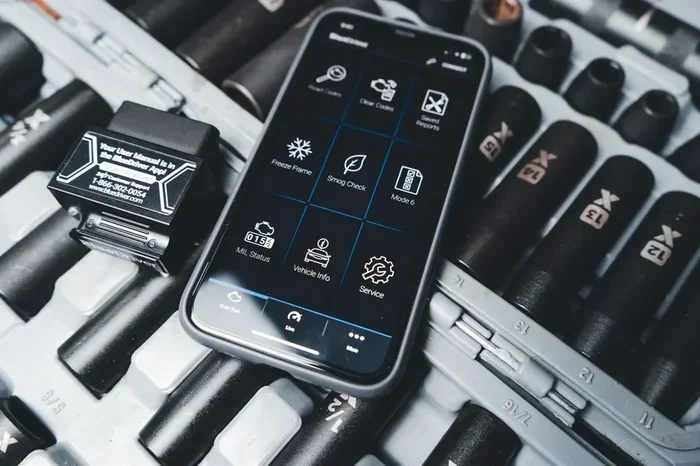
An aftermarket scan tool does not have to cost a fortune. Basic OBD-II code readers start around $20 to $50. If you own a Dodge diesel truck, this is one of the best investments you can make. It saves you trips to the mechanic and gives you control over your truck’s health.
Common Mistakes When Clearing Diesel Codes
Even with the best intentions, people make mistakes when trying to clear codes. Here are the most common ones to avoid:
Clearing Codes Without Fixing the Problem
This is the biggest mistake. If your truck has a diesel particulate filter issue or a turbocharger sensor problem, clearing the code without fixing it will just bring it back. Worse, it can cause additional damage to expensive components like the fuel injection system or the emission system.
Always diagnose the root cause first. Use a code reader to understand what the code means, then research the fix before you clear anything.
Using the Wrong Reset Method
Not every reset method works on every truck. Using a method designed for a gas engine on a diesel can fail or even cause errors. Make sure your approach matches your specific Dodge model and year.
Ignoring Pending Codes
Pending codes are early warnings. If you ignore them, they can become permanent codes fast. Addressing pending codes early saves you from bigger headaches down the road.
Disconnecting the Battery Improperly
Never disconnect the battery while the engine is running. This can cause voltage spikes that damage the ECM and other sensitive electronics. Always turn the engine off and remove the key first.
Quick Tips for Dodge Diesel Owners
Here are some fast tips that can save you time and money:
- Keep a code reader in your glove box. It is cheap and incredibly useful for quick diagnostics.
- Write down your codes before clearing them. This helps you track patterns and avoid repeated trips to the auto parts store.
- Check your dashboard warning lights carefully. Different lights mean different things, and misreading them can lead to unnecessary panic or missed problems.
- Do a drive cycle after clearing codes. This allows the ECM to relearn sensor values and confirm the repair was successful.
- Keep your repair manual handy. It has specific procedures for your model year and engine type.
- Address dashboard warnings immediately. Ignoring lights like a flashing airbag light or a steady check engine light can lead to bigger problems over time.
When to See a Professional
There are times when DIY code clearing is not enough. You should see a professional if:
- The same code keeps coming back after you clear it multiple times.
- You see multiple codes at once, which can indicate a systemic issue.
- Your truck is running poorly, stalling, or losing power.
- The codes are related to the turbocharger or diesel particulate filter, which require specialized equipment to diagnose.
- You are not comfortable working with your truck’s electrical system.
A qualified diesel mechanic has access to professional-grade scan tools that can read live data, perform advanced tests, and clear codes properly. Sometimes spending a little money upfront saves you from costly repairs later.
Expert Insights on Diesel Code Clearing
Experienced diesel technicians agree on one thing: the scanner is your best friend. While the methods described above can work in a pinch, they are not substitutes for proper diagnostic equipment. Many shops now offer free code reads at parts stores, which can help you understand what you are dealing with before you attempt any clearing.
One technician we spoke with put it this way: “Half the people who come in asking about clearing codes have not even read the code first. You need to know what the code means before you can fix it or clear it. Otherwise, you are just guessing, and guessing with a diesel engine can be expensive.”
Another expert added that newer Dodge trucks, especially those from 2007 and later, have much more complex emission systems. These trucks use diesel exhaust fluid systems and advanced diesel particulate filters that require specific reset procedures. For these models, a scanner is almost always necessary.
Key Takeaways
- Permanent codes stay in the ECM until properly cleared: Simple battery disconnects may not always work on newer models.
- Key cycling and fuse pulls can help on older trucks: These methods are worth trying before investing in a scanner.
- Always fix the root cause before clearing codes: Otherwise, the codes will return and you will waste time.
- An affordable OBD-II scanner is a smart investment: It gives you control and saves money on diagnostic fees.
- Know your limits: If the codes persist or your truck runs poorly, a professional mechanic is the right call.
Conclusion
So, can you erase permanent Dodge diesel codes without a scanner? The answer is a cautious yes. Methods like key cycling, battery disconnects, and fuse pulls can work on older models and for certain types of codes. But they are not guaranteed, and they do not replace the precision and reliability of a proper scan tool.
Your best approach is to understand the code, fix the underlying problem, and then use the most reliable method available to clear it. Whether that is a DIY reset or a quick visit to an auto parts store, the goal is the same: get your Dodge diesel running clean and your check engine light off.
Take the time to learn your truck’s diagnostic system. Keep a basic code reader handy. And remember that every code is your truck trying to tell you something. Listen to it, fix it right, and you will keep your Dodge diesel running strong for years to come.
Frequently Asked Questions
What is the difference between a permanent code and a pending code on a Dodge diesel?
A pending code is an early warning that the ECM has noticed something once but has not confirmed it as a recurring issue. A permanent code means the same problem has been detected multiple times, and the ECM has locked it in. Permanent codes keep your check engine light on and require specific steps to clear.
Will disconnecting the battery erase permanent codes on a Dodge diesel?
It might, but results vary. On older models, a battery disconnect can reset the ECM and clear some permanent codes. On newer trucks with more advanced computers, the codes may return after a few driving cycles. Always fix the root cause first, or the codes will come back.
How much does an OBD-II scanner cost for Dodge diesels?
Basic OBD-II code readers start around $20 to $50. More advanced aftermarket scan tools with diesel-specific features range from $100 to $300. A professional-grade scanner can cost several hundred dollars, but for most DIY owners, an affordable reader is more than enough.
Can I drive my Dodge diesel with a permanent code?
You can, but you should not ignore it. Permanent codes indicate real problems that can worsen over time. Driving with a code related to the fuel injection system or turbocharger can lead to expensive damage. Get it diagnosed and fixed as soon as possible.
What is a drive cycle and why does it matter after clearing codes?
A drive cycle is a series of driving conditions that allow the ECM to relearn sensor values and confirm that repairs were successful. After clearing codes, completing a proper drive cycle ensures the system checks all monitors and verifies that the problem is truly resolved.
Do I need a diesel-specific scanner for my Dodge Cummins?
Not always. A standard OBD-II scanner can read and clear most codes on a Dodge Cummins diesel. However, for codes related to the diesel particulate filter or exhaust fluid system, a diesel-specific tool provides better diagnostics and more reliable code clearing.