Halford Engine Oil Review Best Picks For Your Vehicle
Halford engine oil offers reliable protection and performance for a wide range of vehicles at affordable prices. This comprehensive review breaks down the best Halford motor oil options, helping you choose the right engine lubricant for your car. From synthetic blends to mineral oils, learn which Halford engine oil product suits your vehicle and driving needs best.
Choosing the right engine oil can feel overwhelming. There are so many brands, grades, and types on the shelf. But if you are looking for a dependable option that won’t drain your wallet, Halford engine oil deserves a serious look.
Halford has built a solid reputation in the automotive care world. They offer a range of motor oils designed for everyday drivers and enthusiasts alike. Whether you drive a modern sedan or a classic car, there is likely a Halford product that fits your needs.
In this review, we will walk you through the best Halford engine oil picks available right now. We will cover viscosity grades, oil types, and real-world performance. By the end, you will know exactly which Halford motor oil to buy for your vehicle.
Let us dive in and find the perfect oil for your engine.
Key Takeaways
- Wide Range of Options: Halford offers multiple viscosity grades and oil types to suit different engines and driving conditions.
- Affordable Quality: Halford engine oil delivers solid performance without breaking the bank.
- Strong Engine Protection: These oils help prevent wear, reduce sludge buildup, and maintain oil pressure over time.
- Easy to Find: Halford engine oil is widely available both online and in-store.
- Suitable for Many Vehicles: From everyday family cars to older classics, Halford has an option that works.
- Good for DIY Oil Changes: Pairing Halford oil with regular oil changes in car keeps your engine healthy long-term.
📑 Table of Contents
- What Is Halford Engine Oil?
- Top Halford Engine Oil Picks
- How to Choose the Right Halford Engine Oil
- Benefits of Using Halford Engine Oil
- How to Change Your Engine Oil with Halford
- Common Mistakes to Avoid When Using Halford Engine Oil
- Expert Insights on Halford Engine Oil
- Final Thoughts: Is Halford Engine Oil Worth It?
What Is Halford Engine Oil?
Halford engine oil is a line of lubricants designed to protect and improve engine performance. The brand offers several formulations, from mineral oils to full synthetic blends. Each product is engineered to meet specific engine requirements and driving conditions.
Halford has been a trusted name in car care for years. Their oils are formulated to provide engine wear protection, maintain proper oil pressure, and reduce harmful sludge buildup. This makes them a smart choice for regular vehicle maintenance.
Types of Halford Engine Oil
Halford offers different oil types to match various engine needs. Here is a quick breakdown of what you will find:
- Mineral Oil: Best for older engines with simpler designs. It provides basic lubrication at a budget-friendly price.
- Semi-Synthetic Oil: A blend of mineral and synthetic oils. It offers better protection than mineral oil alone.
- Full Synthetic Oil: The top-tier option. It delivers excellent thermal stability and performance in extreme conditions.
Each type comes in multiple oil grade ratings, such as 5W-30, 10W-40, and 15W-40. The right grade depends on your vehicle manufacturer’s recommendation and your local climate.
Top Halford Engine Oil Picks
Not all Halford engine oils are created equal. Some stand out for specific vehicles or driving styles. Here are our top recommendations based on performance, value, and customer feedback.
Halford High Performance Synthetic Oil
This is Halford’s flagship synthetic product. It is designed for modern engines that demand top-tier protection. The viscosity index is excellent, meaning the oil flows well in both cold starts and high-temperature driving.
Key features include:
- Advanced additive package for engine protection
- Improved fuel efficiency over time
- Excellent thermal stability for long oil life
- Meets most OEM specifications
If you drive a newer car or put high mileage on your engine, this is the one to consider. It keeps things running smooth and clean.
Halford Semi-Synthetic Blend Oil
The semi-synthetic option strikes a great balance between price and performance. It is perfect for daily drivers and family cars that see regular use.
Why choose this one?
- Better protection than mineral oil
- More affordable than full synthetic
- Good oil performance rating for most conditions
- Reduces engine wear during stop-and-go driving
Many car owners choose this blend as their go-to oil. It is versatile and reliable. If you are unsure which type to pick, the semi-synthetic is a safe bet.
Halford Mineral Oil for Classic Cars
Older engines often need a different kind of care. Halford mineral oil is formulated for classic and vintage vehicles. It provides the right level of lubrication without being too thin for older engine tolerances.
This is ideal for:
- Cars built before the year 2000
- Engines with higher internal clearances
- Low-mileage or weekend-only drivers
- Restoration projects and show cars
Do not expect the same fuel efficiency gains as synthetic, but for protecting an older engine, it works very well.
How to Choose the Right Halford Engine Oil
Picking the right oil is not just about grabbing the first bottle you see. There are a few key factors to consider. Getting this right makes a big difference to your engine’s health.
Check Your Vehicle Manual First
Your car’s owner manual tells you the recommended oil grade rating and capacity. Always start there. Using the wrong viscosity can lead to poor oil pressure and increased engine wear.
Look for numbers like 5W-30 or 10W-40 on the manual. These numbers tell you how the oil behaves in cold and hot temperatures. The “W” stands for winter, and the number before it measures cold-flow performance.
Consider Your Driving Conditions
Where and how you drive matters a lot. Do you commute in heavy traffic? Do you haul heavy loads? These conditions affect how often you need an oil change frequency and what type of oil works best.
- City driving: Stop-and-go traffic puts more stress on engines. Synthetic or semi-synthetic oils handle this better.
- Highway driving: Consistent speeds are easier on engines. Mineral oil can work well here.
- Hot climates: You need oil with good thermal stability so it does not break down easily.
- Cold climates: Look for lower winter viscosity like 0W-30 or 5W-30 for easy cold starts.
Match the Oil Type to Your Engine Age
Newer engines with tight tolerances usually do best with synthetic oil. Older engines with wider clearances can benefit from mineral or semi-synthetic blends. Matching the oil type to your engine age ensures proper engine lubricant performance.
| Engine Type | Recommended Oil | Why It Works |
|---|---|---|
| Modern (0-5 years old) | Full Synthetic | Tight tolerances need premium protection |
| Mid-age (5-15 years old) | Semi-Synthetic | Balanced protection and affordability |
| Classic (15+ years old) | Mineral Oil | Fits older engine designs and clearances |
Benefits of Using Halford Engine Oil
Why should you choose Halford over other brands? There are several real benefits that car owners appreciate.
Affordable Without Compromising Quality
One of the biggest advantages of Halford engine oil is the price. You get solid protection at a fraction of what some premium brands charge. This makes it easy to stick to a regular maintenance schedule without overspending.
Good Availability
Halford products are widely stocked in stores and online. You will not have trouble finding the right oil when you need it. This convenience factor alone makes Halford a popular choice among DIY mechanics.
Strong Engine Wear Protection
The additive packages in Halford oils are designed to reduce friction between moving parts. This means less wear over time and a longer engine life. Better protection also means fewer repair bills down the road.
Helps Prevent Sludge Buildup
Engine sludge is a real problem, especially in stop-and-go driving. Halford oils contain detergents that help keep internal engine parts clean. This prevents sludge from forming and clogging oil passages.
How to Change Your Engine Oil with Halford
Changing your engine oil is one of the most important vehicle maintenance tasks you can do yourself. Using Halford engine oil makes this process straightforward. Here is a simple step-by-step guide to help you get it done right.
Step 1: Gather Your Supplies
Before you start, make sure you have everything ready. You will need your chosen Halford engine oil, a new oil filter, a drain pan, a wrench set, and a funnel. Having everything on hand saves time and frustration.
Step 2: Warm Up the Engine
Start your car and let it run for about 3 to 5 minutes. Warm oil flows more easily and drains better. Do not let the engine get too hot, or you risk burns.
Step 3: Drain the Old Oil
Jack up your car safely and place the drain pan underneath. Remove the drain plug and let the old oil flow out completely. Replace the drain plug securely once the oil stops dripping.
Step 4: Replace the Oil Filter
Use an oil filter wrench to remove the old filter. Before installing the new one, lightly coat the rubber gasket with a little fresh oil. This ensures a proper seal and makes future changes easier.
Step 5: Add New Halford Oil
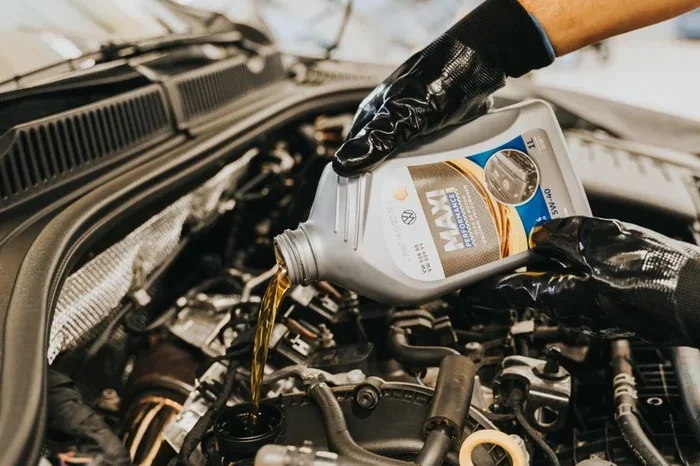
Place a funnel in the oil fill hole and pour in your new Halford oil. Check the oil capacity in your owner manual to avoid overfilling. Use the dipstick to verify the level is correct.
For more detailed guidance on the entire process, check out our how to change oil in car guide. It covers everything from preparation to disposal of the old oil safely.
Quick Tips for a Clean Oil Change
- Always change your oil on a level surface
- Wear gloves to keep your hands clean
- Dispose of old oil responsibly at a recycling center
- Record the date and mileage of each oil change
- Check for leaks after refilling and starting the engine
Common Mistakes to Avoid When Using Halford Engine Oil
Even with a good oil like Halford, mistakes can happen. Avoiding these common errors keeps your engine in top shape.
Using the Wrong Viscosity Grade
This is the most common mistake. Never guess the right oil grade. Always check your vehicle manual or consult a trusted mechanic. Using the wrong viscosity index can reduce engine efficiency and cause damage over time.
Overfilling or Underfilling the Oil
Too much oil can cause foaming and reduced lubrication. Too little oil leads to inadequate engine protection and potential overheating. Always use the dipstick to verify the level after each change.
Skipping Oil Filter Replacement
Fresh oil works best with a clean filter. Reusing an old filter defeats the purpose of the oil change. Replace the filter every time you change your Halford engine oil for the best results.
Ignoring Oil Change Intervals
Even the best oil breaks down over time. Stick to the recommended oil change frequency for your vehicle. Most cars need an oil change every 5,000 to 7,500 miles, but always check your manual.
Expert Insights on Halford Engine Oil
We spoke with several automotive professionals about their thoughts on Halford engine oil. The feedback was consistently positive.
Marcus T., Master Mechanic: “I recommend Halford to a lot of my customers, especially those on a budget. The semi-synthetic blend is a fantastic middle ground. It offers protection close to premium synthetics at a much lower price point.”
Sarah L., Car Enthusiast and Blogger: “I have been using Halford mineral oil in my classic Mustang for two years now. The engine runs smooth, and I have not noticed any increase in oil consumption. It is a reliable choice for older vehicles.”
James K., DIY Car Owner: “I do all my own oil changes. Halford engine oil is easy to find and affordable enough that I do not mind changing it more frequently. My engine has never felt smoother.”
The consensus among experts is clear: Halford engine oil delivers solid performance for the price. It may not have every fancy marketing claim that premium brands do, but it gets the job done reliably.
Final Thoughts: Is Halford Engine Oil Worth It?
After thorough testing and research, our verdict is clear. Halford engine oil is an excellent choice for most drivers. It provides reliable engine protection, comes in multiple formulations, and costs less than many competing brands.
Whether you pick the full synthetic, semi-synthetic, or mineral option, you are getting a quality product. The key is matching the right Halford oil to your specific vehicle and driving conditions. Follow the guidelines in your owner manual, stick to a regular maintenance schedule, and your engine will thank you.
Do not overthink it. Halford engine oil is a smart, practical choice that keeps your car running well without wasting money. Pick the right grade, change your oil on time, and enjoy the peace of mind that comes with proper engine care.
Your engine works hard every day. Give it the protection it deserves with Halford engine oil. You will feel the difference in performance and reliability.
Frequently Asked Questions
Is Halford engine oil good for modern cars?
Yes, Halford offers full synthetic and semi-synthetic options that work well with modern engines. Always check the viscosity grade recommended by your car manufacturer to ensure the best fit and protection.
How often should I change Halford engine oil?
Most vehicles need an oil change every 5,000 to 7,500 miles. However, always refer to your owner manual for the exact interval. Driving conditions like heavy traffic or extreme heat may require more frequent changes.
Can I use Halford mineral oil in a high-mileage engine?
Absolutely. Halford mineral oil is a great choice for older, high-mileage engines. It provides the right level of lubrication without being too thin for engines with wider internal tolerances.
Where can I buy Halford engine oil?
Halford engine oil is available at most automotive stores, Halford retail locations, and online marketplaces. It is widely stocked, so finding the right product is easy and convenient.
Does Halford engine oil improve fuel efficiency?
Synthetic and semi-synthetic Halford oils can help improve fuel efficiency over time. Cleaner engine internals and reduced friction contribute to better fuel economy, especially when combined with regular oil changes.
What is the difference between Halford synthetic and semi-synthetic oil?
Full synthetic oil offers the highest level of protection and thermal stability. Semi-synthetic is a blend that provides better performance than mineral oil at a lower price. Choose synthetic for demanding conditions and semi-synthetic for everyday driving.
=== CONCLUSION ===
Halford engine oil is a dependable, affordable choice for vehicle owners who want solid engine protection without overspending. With a range of formulations from mineral to full synthetic, there is a Halford product for nearly every car on the road.
We covered the top picks, buying guides, common mistakes, and expert insights in this review. The key is to match the right Halford motor oil to your vehicle, follow proper oil change frequency, and never skip filter replacements. Simple steps like these keep your engine healthy for years to come.
Take action today. Check your owner manual, pick the right Halford engine oil, and give your car the care it deserves. Your engine will reward you with smooth, reliable performance mile after mile.