Extraction Pumps for Auto Oil Changes Video Instructions
Extraction pumps for auto oil changes video instructions make DIY oil changes faster, cleaner, and easier than ever. These handy tools let you pull old oil out through the dipstick tube without crawling under your car. Whether you are a beginner or a seasoned DIYer, our video-style guide walks you through every step with confidence.
Changing your own oil has always been a core part of automotive maintenance. For decades, the standard method involved jacking up your car, placing a drain pan underneath, and letting gravity do the work. But there is a better way now. Extraction pumps for auto oil changes have transformed how millions of people handle this essential task at home.
If you have ever struggled with a stuck drain plug or dealt with oil dripping everywhere, you know the frustration. An oil extraction pump solves all of that. You simply insert a tube down the dipstick opening, turn on the pump, and watch the old oil get sucked out cleanly. It is quick, it is neat, and it works on almost any vehicle.
In this guide, we walk you through everything you need to know about using extraction pumps for auto oil changes. We cover the tools you need, the step-by-step process, common mistakes to avoid, and where to find helpful video instructions. By the end, you will feel fully prepared to change your oil like a pro — right in your own driveway.
Key Takeaways
- Easy Setup: Extraction pumps for auto oil changes require minimal tools and no undercarriage access.
- Cleaner Process: Vacuum extraction eliminates messy oil spills and drips compared to traditional draining.
- Time Saving: You can complete an oil change in under 20 minutes using the right pump and video guidance.
- Versatile Use: These pumps work for engine oil, transmission fluid, and other automotive fluids.
- Cost Effective: Owning an extraction pump saves money on shop visits and keeps your vehicle running smoothly.
- Video Instructions Help: Following along with visual guides reduces mistakes and builds confidence quickly.
- Proper Disposal Matters: Always dispose of used oil responsibly at a certified recycling center.
📑 Table of Contents
- What Is an Extraction Pump for Auto Oil Changes?
- Why Use Extraction Pumps for Auto Oil Changes?
- Tools and Equipment You Will Need
- Step-by-Step Guide to Using an Oil Extraction Pump
- Common Mistakes to Avoid
- Finding the Best Video Instructions for Oil Extraction
- How Often Should You Change Your Oil?
- Maintenance Tips for Your Extraction Pump
- Extraction Pumps vs. Traditional Draining: Which Is Better?
- Final Thoughts
What Is an Extraction Pump for Auto Oil Changes?
An oil extraction pump is a device that pulls fluid out of your engine through the dipstick tube. Instead of draining oil from the bottom of the engine, you remove it from the top. This method is especially popular for DIY oil changes because it requires no lifting, no jack stands, and no crawling under the vehicle.
These pumps come in two main types. The first is a manual hand pump, which you operate by squeezing a handle or pulling a plunger. The second is a pneumatic or electric pump, which uses air pressure or a motor to do the work for you. Both types are effective, but electric models tend to be faster and require less effort.
How Does Vacuum Oil Extraction Work?
The process is simple. You insert a long, flexible tube into the dipstick opening until it reaches the bottom of the oil pan. The pump creates suction that draws the old oil up through the tube and into a collection container. Most oil change equipment kits include a measuring container so you can see exactly how much oil you have removed.
Some people wonder whether this method removes all the oil. The answer is yes, when done correctly. A quality vacuum pump oil extractor can pull out nearly every drop, often more thoroughly than a traditional drain. This means fresher oil and better protection for your engine.
Why Use Extraction Pumps for Auto Oil Changes?
There are many reasons to switch from the traditional drain method to extraction pump technology. Let us look at the biggest advantages.
Cleaner and Less Messy
One of the worst parts of a traditional oil change is the mess. Oil drips, spills, and smears everywhere. With an oil extraction pump, the entire process stays contained. The oil flows directly from the engine into a sealed container. Your driveway stays clean, and cleanup time drops to almost zero.
No Need to Crawl Under the Car
For many people, getting under a vehicle is uncomfortable or even unsafe. Uneven ground, low clearance, and poorly placed jack points create real risks. An extraction pump eliminates all of that. You perform the entire engine oil change standing upright, right on top of the engine bay.
Faster Oil Changes
Time matters, especially if you change oil regularly. A traditional drain-and-refill method can take 30 to 45 minutes. With a good oil extraction kit, you can finish the job in 15 to 20 minutes. That includes removing the old oil, replacing the filter, and adding fresh oil.
Works on Vehicles with No Drain Plug Access
Some cars, especially certain European models and trucks, have engine designs that make bottom draining difficult or impossible. The transmission fluid extraction process works the same way, making these pumps incredibly versatile. If you can access the dipstick, you can use an extraction pump.
Tools and Equipment You Will Need
Before you start, gather everything you need. Having the right oil change kit makes the process smooth and stress-free. Here is a complete checklist.
- Oil extraction pump — manual or electric, depending on your preference and budget
- Extraction tube — long enough to reach the bottom of the oil pan
- Collection container — most pumps include one, but a separate drain pan works too
- New engine oil — check your owner’s manual for the correct weight and amount
- New oil filter — make sure it matches your vehicle model
- Oil filter wrench — helps remove the old filter if it is tight
- Funnel — for adding new oil without spilling
- Rags and gloves — for cleanup and hand protection
- Jack and jack stands (optional) — only needed if you want to check the drain plug or inspect the undercarriage
When choosing a pump, look for one with a strong vacuum rating. A pump rated at least 4 CFM (cubic feet per minute) will handle most passenger vehicles easily. For larger trucks or SUVs, consider a higher-capacity model. Reading extraction pumps for auto oil changes video instructions before purchasing helps you pick the right size and type for your needs.
Step-by-Step Guide to Using an Oil Extraction Pump
Now let us walk through the actual process. Follow these steps carefully, and you will have a flawless oil change every time.
Step 1: Warm Up the Engine
Start your engine and let it run for 3 to 5 minutes. Warm oil flows more easily and drains better than cold oil. This one simple step makes a huge difference in how much oil you extract. Turn off the engine and wait about 2 minutes for the oil to settle but remain warm.
Step 2: Locate the Dipstick and Remove It
Open the hood and find the dipstick. Pull it out and set it aside. The dipstick tube is your access point for the extraction pump. Make sure the area around the tube is clean so no debris falls into the engine.
Step 3: Insert the Extraction Tube
Feed the extraction tube down into the dipstick opening. Push it gently until you feel it reach the bottom of the oil pan. You can feel a slight change in resistance when the tube reaches the lowest point. Do not force it — you do not want to damage the inside of the engine.
Step 4: Start the Pump
Turn on your extraction pump. If you are using a manual hand pump, start squeezing the handle rhythmically. For electric models, simply press the power button. Watch the collection container as the old oil begins to flow up through the tube. This is the most satisfying part — you can see the dirty oil leaving your engine in real time.
Step 5: Extract All the Oil
Continue pumping until the flow slows to a trickle and then stops. Most vehicles hold between 4 and 8 quarts of oil, and a good pump will remove nearly all of it. If you want to be thorough, let the pump run for an extra minute after the flow stops. This ensures maximum extraction.
Step 6: Remove the Tube and Replace the Oil Filter
Carefully pull the extraction tube out of the dipstick opening. Set it aside. Now use your oil filter wrench to remove the old filter. Before installing the new one, lightly coat the rubber gasket with a little fresh oil. This creates a better seal and prevents leaks.
Step 7: Add Fresh Oil
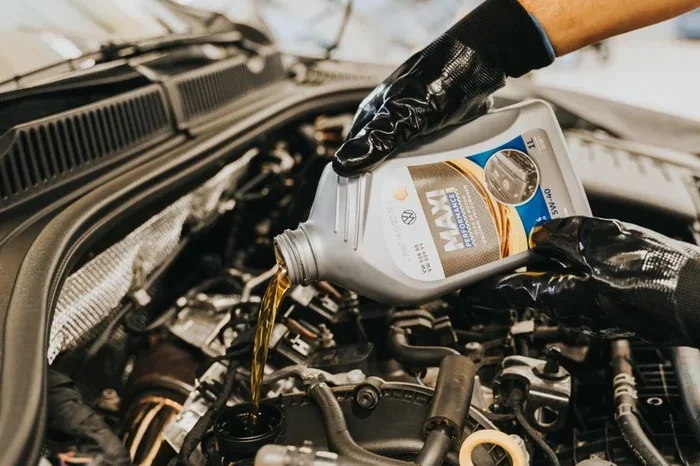
Place a funnel in the dipstick opening and pour in the recommended amount of new oil. Check your owner’s manual for the exact specification. Once filled, replace the dipstick and start the engine. Let it run for 30 seconds, then check the oil level with the dipstick. Top off if needed.
Step 8: Check for Leaks and Dispose of Used Oil Properly
Let the engine sit for a minute, then look underneath for any drips. If everything looks dry, you are done. Now, take your used oil and the old filter to a recycling center or auto parts store that accepts used motor oil disposal. Never pour oil down a drain or onto the ground.
Common Mistakes to Avoid
Even experienced DIYers make mistakes sometimes. Here are the most common errors people make when using extraction pumps for auto oil changes and how to avoid them.
- Not warming the oil enough. Cold oil is thick and does not flow well through the extraction tube. Always warm the engine first.
- Inserting the tube too forcefully. The dipstick tube is not designed for heavy force. Be gentle to avoid damaging internal components.
- Using the wrong tube length. A short tube will not reach the bottom of the oil pan, leaving old oil behind. Measure your vehicle’s dipstick depth before buying a pump.
- Forgetting to replace the oil filter. Extraction removes old oil, but the filter still holds contaminants. Always install a new filter with every change.
- Overfilling with new oil. Too much oil can cause pressure problems and leaks. Add oil slowly and check the level frequently.
- Skipping used oil disposal. Improper disposal harms the environment and may violate local regulations. Always recycle responsibly.
Finding the Best Video Instructions for Oil Extraction
Watching extraction pumps for auto oil changes video instructions is one of the best ways to learn the process. Seeing the steps performed in real time helps you understand the technique and build confidence. Many channels on platforms like YouTube offer detailed walkthroughs for specific vehicle models.
When choosing a video, look for ones that match your vehicle type. A video made for a sedan will differ from one made for a truck or SUV. Pay attention to the pump model used, the tube length, and the extraction technique. Pause and replay sections as needed. Taking notes during the video helps you remember the process when it is time to do it yourself.
What to Look for in a Good Instructional Video
A quality video should cover the full process from start to finish. It should show you how to set up the pump, insert the tube, extract the oil, replace the filter, and add new oil. Good videos also point out common pitfalls and show you how to avoid them. Look for channels run by certified mechanics or experienced DIY automotive enthusiasts.
Some of the best videos include close-up shots of the extraction process so you can see the oil being pulled out clearly. They also demonstrate how to check the vacuum level and ensure maximum extraction. Watching these details makes a real difference when you perform the job on your own vehicle.
How Often Should You Change Your Oil?
Oil change frequency depends on your vehicle, driving habits, and the type of oil you use. Traditional guidelines recommended changing oil every 3,000 miles, but modern engines and synthetic oil change products have extended that interval significantly.
Most newer vehicles can go 5,000 to 7,500 miles between changes. If you use full synthetic oil, some manufacturers recommend intervals of 10,000 miles or more. Always check your owner’s manual for the manufacturer’s recommendation. Driving in extreme heat, cold, or dusty conditions may require more frequent changes.
Using an oil extraction pump makes it easy to stick to your schedule. Since the process is so quick and clean, there is no excuse to skip or delay an oil change. Keeping up with regular engine maintenance extends the life of your vehicle and prevents costly repairs down the road.
Maintenance Tips for Your Extraction Pump
Your oil extraction pump is a tool that lasts for years with proper care. Here are a few tips to keep it in top shape.
- Clean the tube after every use. Residual oil can build up and clog the tube over time. Run a cleaning solvent through it and let it dry.
- Store the pump in a cool, dry place. Heat and moisture can damage the seals and motor over time.
- Check the vacuum seal regularly. A weak seal means poor extraction. Replace worn gaskets or O-rings as needed.
- Lubricate moving parts. If your pump has a hand lever or piston, apply a light machine oil to keep it operating smoothly.
- Replace the collection container if it cracks. A damaged container can leak and create a mess. Inspect it before each use.
Taking care of your oil change equipment ensures reliable performance every time you need it. A well-maintained pump makes every oil change faster and more effective.
Extraction Pumps vs. Traditional Draining: Which Is Better?
Let us compare the two methods side by side so you can decide which works best for you.
| Feature | Extraction Pump | Traditional Draining |
|---|---|---|
| Cleanliness | Very clean, minimal spills | Messy, oil drips and spills |
| Undercarriage Access Needed | No | Yes |
| Time Required | 15-20 minutes | 30-45 minutes |
| Oil Removal Thoroughness | Excellent, nearly all oil removed | Good, but some oil remains |
| Equipment Cost | $30-$150 for a pump | Minimal, just a drain pan |
| Works on All Vehicles | Yes, as long as dipstick is accessible | No, some vehicles lack bottom access |
| Learning Curve | Easy, watch a quick video | Simple but requires jacking up the car |
As you can see, extraction pumps for auto oil changes offer clear advantages for most DIYers. The only situation where traditional draining might be preferred is if your vehicle has a very large oil pan and you prefer the simplicity of gravity draining. For the average car owner, an extraction pump is the smarter choice.
Final Thoughts
Changing your own oil is one of the most rewarding vehicle maintenance tips you can learn. It saves money, builds mechanical confidence, and keeps your car running at its best. Extraction pumps for auto oil changes video instructions make this process easier than ever before. You do not need a garage full of tools or years of experience — just a good pump, the right oil, and a willingness to learn.
Start by watching a few video guides to familiarize yourself with the process. Gather your supplies, pick a sunny day, and give it a try. You will be surprised at how simple and satisfying a clean oil change can be. Once you master the extraction method, you will never go back to the old drain-and-mess approach.
Remember to always dispose of your used oil responsibly. Recycle it at a local center or auto parts store. Taking care of your vehicle and the environment go hand in hand. With the right oil extraction pump and a little practice, you will handle every oil change with ease and confidence.
Frequently Asked Questions
Can I use an extraction pump for transmission fluid?
Yes, many extraction pumps work for both engine oil and transmission fluid. The process is nearly identical — you insert the tube through the dipstick opening and extract the fluid. Just make sure to use a clean container and tube for each type of fluid to avoid contamination.
How long does an oil extraction pump take to remove all the oil?
Most extraction pumps remove all the oil in 5 to 10 minutes. Manual hand pumps take a bit longer than electric models, but both are much faster than traditional draining. The exact time depends on your vehicle’s oil capacity and the pump’s vacuum strength.
Is an extraction pump better than draining from the bottom?
For most DIYers, yes. Extraction pumps are cleaner, faster, and do not require you to crawl under the car. They also remove oil more thoroughly in many cases. However, traditional draining works well for vehicles with easy bottom access and large drain plugs.
What type of oil extraction pump should I buy?
Choose a pump based on your vehicle size and how often you change oil. A manual hand pump works great for occasional use on passenger cars. Electric pumps are better for frequent use or larger vehicles like trucks and SUVs. Look for models with at least 4 CFM and a long extraction tube.
Can I reuse the extraction tube for different vehicles?
Yes, you can reuse the tube across vehicles. Just clean it thoroughly between uses to prevent cross-contamination. Make sure the tube length is appropriate for each vehicle’s dipstick depth. Most extraction tubes are adjustable or come in standard lengths that fit most cars and trucks.
Where can I dispose of used motor oil after extraction?
Take your used oil to a local recycling center, auto parts store, or designated disposal facility. Many stores like AutoZone and O’Reilly accept used oil for free. Never dump oil on the ground or into drains — it is harmful to the environment and often illegal.