What Happens If a Car Mixes Water and Oil Together
When water mixes with oil in your car engine, it creates a harmful emulsion that destroys lubrication and causes serious damage. You may notice milky oil, white smoke, or overheating. Acting fast can save your engine from costly repairs. This guide covers causes, symptoms, and fixes.
What Happens If a Car Mixes Water and Oil Together
Your engine relies on clean oil to keep everything running smoothly. Oil lubricates metal parts, reduces friction, and removes heat. But what happens if a car mix water and oil? The answer is not good news. When these two fluids combine, they lose their ability to protect your engine. The result can range from minor issues to a completely seized engine.
Many car owners don’t realize this problem is happening until serious damage has already occurred. Water and oil don’t mix naturally. But inside your engine, certain conditions force them together. The mixture creates a sludge that clogs passages and starves moving parts of lubrication. Understanding this issue can save you from a very expensive repair bill.
Water in engine oil is one of the most common yet overlooked problems. It can happen gradually or suddenly. Either way, the damage adds up fast. In this article, we will walk you through everything you need to know. From the warning signs to the fixes, you will learn how to protect your engine.
Key Takeaways
- Water in oil destroys lubrication: Even small amounts reduce protection and increase engine wear.
- Milky oil is the #1 sign: Check your dipstick regularly for a chocolate-milk-like appearance.
- Head gasket failure is the most common cause: Coolant leaks into the oil passages over time.
- Driving with mixed fluids risks engine seizure: Don’t ignore the problem or keep driving.
- An oil change alone may not be enough: You need to fix the root cause first.
- Early detection saves thousands: Catching the issue early prevents total engine failure.
📑 Table of Contents
- What Happens When Water Gets Into Your Engine Oil
- Common Causes Of Water And Oil Mixing
- Warning Signs Your Oil Has Been Contaminated
- How To Check If Water Is In Your Oil
- What To Do If You Find Water In Your Oil
- Can You Drive With Water In Your Oil
- Preventing Water And Oil From Mixing
- How Mechanics Diagnose And Fix Water In Oil Problems
- How Much Does It Cost To Fix Water In Oil?
- Final Thoughts
What Happens When Water Gets Into Your Engine Oil
When water enters your oil system, it immediately starts to break down the oil’s protective properties. Clean oil forms a thin film between metal parts. This film prevents metal-on-metal contact. But water destroys that film. It reduces the oil’s viscosity and its ability to carry heat away.
The mixture of oil and water creates a thick, foamy substance. This substance cannot lubricate properly. Instead, it traps air and reduces oil pressure. Low oil pressure means your engine parts are not getting the protection they need.
The Emulsion Problem
When oil and water combine, they form something called an emulsion. Think of it like a milkshake made of oil and water. This emulsion looks like chocolate milk on your dipstick. It is much worse than either fluid alone. The emulsion cannot flow through small passages. It also cannot maintain a proper lubricating film.
Oil contamination from water leads to increased friction. Friction means heat. And heat means accelerated wear on bearings, cylinders, and other critical parts. Over time, the damage becomes irreversible.
How Water Damages Internal Components
Water causes rust and corrosion inside your engine. Even a small amount of moisture can start corroding iron and steel parts. Your crankshaft, camshaft, and valve train are all at risk. The corrosion particles then float in your oil, making the problem worse.
Water also washes away the protective oil film on cylinder walls. This leads to increased piston ring wear. It also reduces compression, which means your engine loses power. You may notice poor engine performance as a result.
Common Causes Of Water And Oil Mixing
Understanding the cause is the first step toward prevention. Several issues can force water into your oil system. Some are minor. Others are serious. Let’s look at the most common culprits.
Head Gasket Failure
A blown or leaking head gasket is the number one cause of water in oil. Your head gasket sits between the engine block and the cylinder head. It seals the combustion chambers and keeps coolant and oil separate. When it fails, coolant leaks into the oil passages.
This type of fluid leak often happens slowly. You might not notice it at first. But over weeks or months, the coolant builds up in your oil. By the time you see symptoms, the damage may already be significant.
Cracked Engine Block or Head
A crack in your engine block or cylinder head can let coolant seep into the oil galleries. This usually happens from overheating or freezing. If your engine has overheated in the past, check for cracks. Even a tiny crack can let in enough coolant to cause problems.
Damaged Oil Cooler
Many modern vehicles have an oil cooler. It uses coolant to regulate oil temperature. If the oil cooler develops a leak, coolant and oil can mix directly. This is a common issue in older vehicles and high-mileage cars.
Condensation Buildup
Sometimes water enters your oil through condensation. This happens when you frequently drive short trips in cold weather. The engine never fully warms up. Moisture collects in the crankcase and mixes with the oil. This is less dangerous than a gasket failure, but it still causes problems over time.
Warning Signs Your Oil Has Been Contaminated
Catching the problem early makes a huge difference. Here are the most common signs that water has entered your oil system.
Milky or Frothy Oil on the Dipstick
This is the most obvious sign. Pull out your dipstick and look at the oil. Healthy oil is amber or brown. If it looks like a chocolate milkshake, water has mixed with your oil. Do not ignore this. It means the contamination is already significant.
White Smoke From the Exhaust
When coolant enters the combustion chamber, it burns and creates white smoke. This is different from normal exhaust vapor on a cold morning. The smoke from coolant burning is thick and sweet-smelling. It persists even after the engine warms up.
Overheating Without an Obvious Cause
If your overheating engine keeps happening and you can’t find a clear reason, water in the oil might be the cause. Coolant leaking into the oil reduces the amount of coolant available for cooling. This creates a cycle of overheating and more damage.
Low Oil Pressure Warning Light
Water in oil reduces the oil’s ability to maintain proper pressure. If your oil pressure light comes on, check the oil condition immediately. The light means your engine parts are not getting enough lubrication. Driving with low oil pressure can destroy your engine in minutes.
Unusual Engine Noises
Knocking, ticking, or grinding sounds can indicate poor lubrication. When water mixes with oil, the lubricating film breaks down. Metal parts start touching. This creates the sounds you hear. Any new or unusual noise deserves immediate attention.
How To Check If Water Is In Your Oil
Checking for water contamination is simple and takes just a few minutes. Here is how to do it safely.
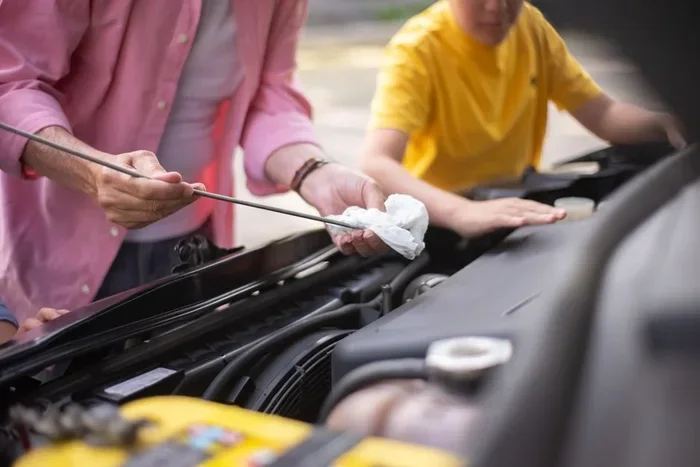
- Park your car on a level surface. Make sure the engine is cool or warm, not hot.
- Pull out the dipstick. Wipe it clean with a rag or paper towel.
- Reinsert the dipstick fully. Then pull it out again and look at the oil.
- Check the color and texture. Normal oil is smooth and amber. Contaminated oil looks milky or frothy.
- Smell the oil. Oil contaminated with coolant may smell sweet, not like regular burnt oil.
You can also check your coolant reservoir. If the coolant looks oily or has a brownish film floating on top, oil has mixed with your coolant. This is another clear sign that the two fluids are crossing paths inside your engine.
Quick Tip: Check your oil every two weeks. This simple habit helps you catch problems like water in engine oil early. Prevention is always cheaper than repair.
What To Do If You Find Water In Your Oil
If you discover water in your oil, do not panic. But do act quickly. Here is a step-by-step approach to handling this problem.
Step 1: Stop Driving Immediately
The most important thing is to stop driving. Every mile you drive with contaminated oil causes more damage. The mixture cannot properly lubricate your engine. Continuing to drive risks catastrophic engine failure.
Step 2: Tow Your Vehicle to a Mechanic
Have your car towed to a trusted repair shop. Driving it even a short distance can make things worse. A professional mechanic can properly diagnose the root cause and recommend the right fix.
Step 3: Change the Oil and Filter
Once the source of the contamination is fixed, you need a full oil change. This includes replacing the oil filter too. The old contaminated oil and filter must be completely removed. Fresh oil restores proper lubrication.
If you want to learn more about proper oil maintenance, check out our guide on how to change oil in car for detailed step-by-step instructions.
Step 4: Fix the Root Cause
Simply changing the oil will not solve the problem if the source of contamination is still there. You must fix the underlying issue. This could mean replacing a head gasket, repairing a crack, or fixing a damaged oil cooler.
Step 5: Monitor Your Oil Regularly
After the repair, keep a close eye on your oil. Check the color and level frequently. Watch for any return of milky oil or white smoke. Catching a recurrence early can prevent repeat damage.
Can You Drive With Water In Your Oil
The short answer is no. Driving with water in your oil is extremely risky. Even a small amount of water reduces the oil’s lubricating ability. The longer you drive, the more damage occurs.
In mild cases, you might get away with a short drive to the nearest mechanic. But anything more than a few hundred yards is dangerous. The risk of engine damage increases with every minute you drive on contaminated oil.
If you suspect water has mixed with your oil, get your vehicle towed. It is cheaper to pay for a tow than to replace a destroyed engine.
Preventing Water And Oil From Mixing
Prevention is always better than repair. Here are some practical steps to keep water out of your oil.
- Check your coolant levels regularly. A dropping coolant level can signal a slow leak into the oil system.
- Watch for white exhaust smoke. This is often the first visible sign of a head gasket problem.
- Don’t ignore small leaks. Even minor fluid leaks can lead to bigger problems if left unaddressed.
- Maintain your cooling system. A healthy cooling system reduces the risk of overheating and gasket failure.
- Warm up your engine properly. This helps evaporate condensation that can build up in the crankcase.
Regular maintenance keeps your engine healthy. If you are curious about other maintenance questions, you might wonder is car detailing worth it for overall vehicle care. While detailing focuses on the exterior and interior, proper fluid maintenance protects what matters most: the engine.
How Mechanics Diagnose And Fix Water In Oil Problems
When you bring your car in with suspected water contamination, mechanics follow a specific diagnostic process. They start with a visual inspection of the oil and coolant. They check for milky residue on the oil cap and underside of the oil fill hole.
Compression Test
A compression test measures the pressure in each cylinder. Low compression in one or more cylinders can indicate a head gasket leak. Combustion gases may be escaping into the cooling system, which can push coolant into the oil passages.
Pressure Test
A cooling system pressure test checks for leaks in the head gasket or engine block. The mechanic pressurizes the cooling system and watches for pressure drops. A drop in pressure confirms an internal leak between the cooling and oil systems.
Oil and Coolant Analysis
In some cases, the mechanic may send samples of both fluids for lab analysis. This can detect trace amounts of cross-contamination that are not visible to the naked eye. It is a thorough way to confirm the problem and its severity.
Repair Options
The repair depends on the cause. A head gasket replacement is the most common fix for this issue. It involves removing the cylinder head, replacing the gasket, and reassembling. If the engine block or head is cracked, you may need a more extensive repair or even a replacement engine.
For less severe cases, such as condensation buildup, a simple oil change and driving the vehicle longer to fully warm up may be enough. But always let a professional confirm the diagnosis before assuming the problem is minor.
How Much Does It Cost To Fix Water In Oil?
The cost varies widely depending on the cause and severity. A simple oil change after minor condensation might cost $50 to $100. A head gasket replacement typically ranges from $1,000 to $2,500 depending on your vehicle. If the engine block is cracked, costs can exceed $3,000 or more.
The key takeaway is this: early detection saves you money. The longer you wait, the more expensive the repair becomes. A small head gasket leak caught early costs far less than a full engine replacement caused by running on contaminated oil.
Final Thoughts
So what happens if a car mix water and oil? The short answer is serious engine damage if left untreated. The mixture destroys lubrication, causes corrosion, and reduces performance. But the good news is that you can prevent and fix this problem if you catch it early.
Water in engine oil is a serious issue, but it is manageable when you know what to look for. Check your oil regularly. Watch for warning signs like milky oil or white smoke. And never ignore unusual engine behavior.
Taking care of your engine today means fewer surprises tomorrow. If you have ever dealt with oil contamination or want to learn more about keeping your car in top shape, regular maintenance is your best friend. A little attention goes a long way toward avoiding costly repairs and keeping your engine running strong for years to come.
Frequently Asked Questions
Can a small amount of water in oil hurt my engine?
Yes, even a small amount of water in oil can cause damage. Water breaks down the oil’s lubricating properties and promotes corrosion. Over time, even minor contamination leads to increased wear on engine components. It is best to address any water contamination immediately.
How do I know if my head gasket is leaking coolant into the oil?
Look for milky oil on the dipstick, white exhaust smoke, and unexplained overheating. You may also notice your coolant level dropping without any visible leaks. These signs together strongly suggest a head gasket failure. A mechanic can confirm the diagnosis with a compression or pressure test.
What happens if I drive my car with water mixed in the oil?
Driving with water in your oil causes increased friction, overheating, and accelerated wear on internal parts. The contaminated oil cannot properly lubricate the engine. Prolonged driving can lead to engine seizure and complete failure. Always tow the vehicle to a mechanic instead.
Can I just change the oil and drive normally again?
No. Simply changing the oil without fixing the root cause will not solve the problem. The water will return, and the new oil will become contaminated again. You must identify and repair the source of the water intrusion first, then replace the oil and filter.
Is water in oil the same as oil in water (coolant mixed with oil)?
They are related but different scenarios. Water in oil usually means coolant has leaked into the oil system, often from a head gasket failure. Oil in the coolant system can also happen when the head gasket fails in the opposite direction. Both situations indicate a serious sealing problem that needs immediate attention.
How can I prevent water from getting into my engine oil?
Regular maintenance is your best prevention. Check coolant levels frequently, watch for white exhaust smoke, and never ignore fluid leaks. Allow your engine to warm up fully on cold days to reduce condensation buildup. Keeping your cooling system in good condition also reduces the risk of overheating and gasket failure.
=== CONCLUSION ===
What happens if a car mix water and oil is a question every car owner should know the answer to. Water contamination in your engine oil is a serious problem that can lead to expensive repairs if ignored. From milky oil on the dipstick to white smoke from the exhaust, the warning signs are there if you know what to look for.
The causes range from head gasket failure to condensation buildup. Regardless of the cause, the fix requires prompt action. Stop driving, get a proper diagnosis, and address the root cause. Regular oil checks and maintenance go a long way in preventing this issue.
Your engine is the heart of your vehicle. Protecting it from oil contamination keeps your car running safely and reliably. Stay proactive, stay informed, and your engine will reward you with years of dependable service.