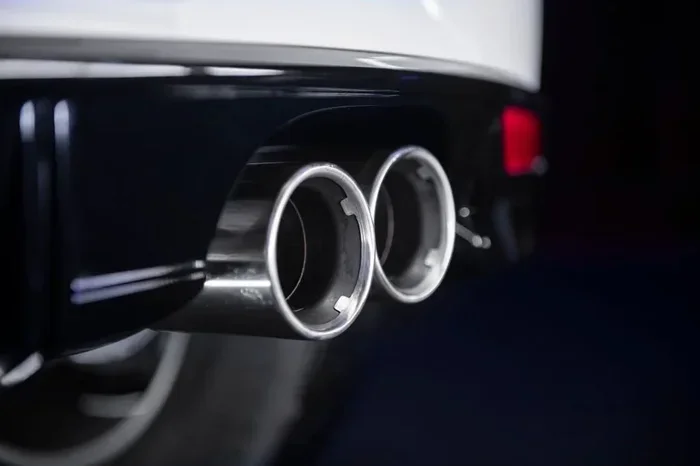
Can a Car Actually Run Without a Catalytic Converter
Yes, a car can technically run without a catalytic converter, but doing so comes with serious risks to your engine, your wallet, and the environment. The catalytic converter plays a critical role in reducing harmful exhaust gases. Removing or driving without one can trigger the check engine light, reduce fuel efficiency, and even cause long-term engine damage. Here is everything you need to know about what happens when your vehicle operates without this essential exhaust component.
Have you ever wondered whether your car can actually run without a catalytic converter? Maybe yours got stolen, or perhaps you are considering removing one to save money or gain a bit of extra horsepower. Either way, the answer is more complicated than a simple yes or no. Your vehicle will technically keep running, but the consequences of driving without this small yet mighty exhaust component can be costly and even dangerous.
The catalytic converter is part of your car’s exhaust system. Its job is to transform harmful gases like carbon monoxide and nitrogen oxides into less toxic substances before they exit the tailpipe. Without it, your engine still combusts fuel and moves the car forward. But the exhaust gases go straight into the atmosphere unfiltered. That is where the real problems begin.
In this guide, we will walk through exactly what happens when a car runs without a catalytic converter. We will cover performance effects, legal issues, diagnostic trouble codes, and what you should do if your converter goes missing or fails. By the end, you will have a clear picture of why this part matters so much.
Key Takeaways
- A car can run without a catalytic converter: The engine will still function, but performance and emissions suffer significantly.
- Check engine light will appear: Most modern vehicles detect the missing converter and flag an error immediately.
- Fuel efficiency drops: Without proper exhaust flow, your engine works harder and burns more fuel.
- Emissions tests will fail: Removing the converter means your vehicle will not pass most state inspections.
- Legal consequences exist: Driving without a catalytic converter violates EPA regulations in most areas.
- Engine damage is possible: Back pressure changes can harm your engine over time.
- Replacement is the right fix: If your converter is damaged, replace it rather than removing it entirely.
📑 Table of Contents
- What Does a Catalytic Converter Actually Do?
- Can a Car Run Without a Catalytic Converter?
- How Does Driving Without a Catalytic Converter Affect Performance?
- Legal and Environmental Consequences
- Common Problems When a Catalytic Converter Is Missing
- What To Do If Your Catalytic Converter Fails or Gets Stolen
- Can You Bypass the Check Engine Light After Removing a Converter?
- Quick Tips for Catalytic Converter Care
- Common Mistakes People Make With Catalytic Converters
- Conclusion
What Does a Catalytic Converter Actually Do?
Before diving into what happens without one, let us understand what the converter does. Think of it as a filter for your car’s exhaust gases. Inside the converter, precious metals like platinum, palladium, and rhodium trigger chemical reactions. These reactions break down harmful pollutants into safer compounds like carbon dioxide and water vapor.
The Chemistry Made Simple
Your engine burns a mixture of fuel and air. That combustion creates exhaust gases full of nasty stuff. The catalytic converter uses a honeycomb structure coated with those precious metals to speed up chemical changes. Carbon monoxide becomes carbon dioxide. Nitrogen oxides break apart into nitrogen and oxygen. Unburned hydrocarbons get converted too. The whole process happens in seconds as exhaust flows through the unit.
Without this conversion step, those toxic gases pour directly out of your tailpipe. This is bad for the environment, bad for air quality, and bad for your health. It is also bad news for your car’s electronic systems, which are designed to monitor and manage emissions carefully.
Can a Car Run Without a Catalytic Converter?
The short answer is yes. A car can physically run without a catalytic converter installed. The engine does not depend on the converter to create combustion or power the wheels. Your pistons will still fire, your transmission will still shift, and your wheels will still turn. The converter sits in the exhaust path, not the combustion path.
However, just because it can run does not mean it should. Modern vehicles are designed with the converter as a key part of the overall exhaust and emissions system. Taking it out creates a chain of problems that affects nearly every aspect of how your car performs.
Immediate Effects You Will Notice
The moment you drive without a catalytic converter, a few things change right away. Your check engine light will likely come on within seconds of starting the engine. Most cars use an oxygen sensor, also called an O2 sensor, to measure how efficiently the exhaust system is working. When that sensor reads an abnormal pattern, it sends a warning to your car’s computer.
You may also notice a loud, rattling exhaust sound. The converter normally dampens some of the exhaust noise. Without it, the sound is much more aggressive and noticeable. Some people enjoy this change, but it is a sign that your exhaust system is not functioning as designed.
How Does Driving Without a Catalytic Converter Affect Performance?
Many people assume that removing the catalytic converter will boost performance. In theory, a less restrictive exhaust path can allow gases to exit faster. But the real-world results are mixed and often disappointing.
Engine Power and Exhaust Flow
Your engine relies on back pressure to operate efficiently. Back pressure is the resistance exhaust gases face as they leave the engine. A healthy catalytic converter creates a small amount of this pressure, which actually helps the engine run smoothly. Removing it entirely can disrupt the balance of your exhaust flow.
Some older vehicles might show a slight gain in horsepower at high RPMs. But most modern cars will see no real improvement. Instead, the engine computer will adjust the fuel mixture based on incorrect oxygen sensor readings. This can cause rough idling, hesitation during acceleration, and even stalling.
Fuel Efficiency Drops Significantly
One of the biggest downsides of running without a converter is reduced fuel efficiency. When the oxygen sensor sends wrong data, your engine runs either too rich or too lean. A rich mixture means too much fuel. A lean mixture means too much air. Both conditions waste fuel and can cause long-term damage.
Over time, you will notice you are filling up more often. The savings you hoped to gain from a free or cheap converter delete disappear quickly at the pump. Plus, burning extra fuel means more unburned hydrocarbons exiting your exhaust, which harms the environment even more than a properly functioning converter would.
Legal and Environmental Consequences
Driving without a catalytic converter is not just a mechanical issue. It is also a legal one. The Environmental Protection Agency, or EPA, requires all vehicles sold in the United States to have a functioning catalytic converter. Removing or disabling one violates federal law.
Emissions Testing and Fines
Most states require vehicles to pass an emissions test as part of annual or biennial registration. A car without a catalytic converter will fail this test every single time. The exhaust gases will contain levels of carbon monoxide and hydrocarbons far above legal limits.
If you get caught driving without a converter, fines can be steep. Penalties vary by state but can range from a few hundred dollars to over a thousand. Some states also impose additional penalties for tampering with emissions equipment. These fines are designed to discourage exactly the kind of modification we are discussing.
Beyond fines, driving with a missing converter can void your vehicle warranty. If your engine or exhaust system suffers damage and the converter was removed, the manufacturer will likely deny any related claims. That is a risk most car owners simply cannot afford to take.
Impact on Air Quality
The environmental impact matters too. A single car without a converter can produce significantly more pollution than one with a working unit. Multiply that by thousands of vehicles, and you see why regulations exist. The converter reduces smog-forming compounds and protects public health. Removing it undermines decades of progress in clean air standards.
Common Problems When a Catalytic Converter Is Missing
Driving without a catalytic converter creates a range of mechanical and diagnostic issues. Here are the most common problems you will face.
Check Engine Light and Error Codes
Your car’s onboard diagnostics system constantly monitors the exhaust system. When it detects that the catalytic converter is missing or not functioning, it stores a trouble code. The most common codes related to this issue include P0420 and P0430, which indicate catalyst system efficiency below threshold. You will also see codes related to the oxygen sensor reading out of range.
These codes will not go away on their own. You will need to address the root cause, which in this case is the missing converter. Simply clearing the codes will not work because the problem persists every time you drive.
Exhaust Fumes and Health Risks
Without a functioning converter, your exhaust carries higher levels of carbon monoxide. This is a colorless, odorless gas that can be deadly in enclosed spaces. Even outside the vehicle, prolonged exposure to high levels of exhaust fumes is harmful. If you notice strong exhaust smells inside your cabin, pull over safely and get your vehicle inspected immediately.
Exhaust System Damage Over Time
The change in exhaust flow dynamics can cause damage to other parts of your exhaust system. The muffler, exhaust pipes, and joints were all designed to work with the converter in place. Altering the flow can increase vibration, cause leaks, and accelerate corrosion. Repairing these secondary issues can add up to significant costs.
What To Do If Your Catalytic Converter Fails or Gets Stolen
If your catalytic converter is damaged or has been stolen, you have options. The worst thing you can do is simply remove it and drive without one. That approach creates more problems than it solves.
Get a Replacement Converter
The best solution is to replace the converter with a new or refurbished unit. The catalytic converter replacement cost varies depending on your vehicle make and model. Some converters cost a few hundred dollars, while others can run over a thousand. Luxury and performance vehicles typically have more expensive units due to the higher concentration of precious metals inside.
If cost is a concern, look for certified aftermarket converters. These meet EPA standards and are often more affordable than original equipment. Always make sure the replacement converter is CARB compliant if you live in California or a state that follows California emissions standards.
Regular Maintenance Helps Prevent Issues
One of the best ways to avoid catalytic converter problems is through routine car maintenance. Regular oil changes help prevent contamination from engine oil entering the exhaust system. Similarly, keeping your engine properly tuned ensures complete combustion, which reduces the unburned fuel that can damage the converter over time.
Just as you would not skip your regular oil change routine, do not ignore the health of your exhaust system. A well-maintained engine puts less stress on the converter and helps it last for the full life of the vehicle.
When To Seek Professional Help
If you are unsure whether your converter is failing, visit a trusted mechanic. They can run vehicle diagnostics and read the trouble codes stored in your car’s computer. A professional will also inspect the exhaust system visually and with specialized tools to determine the exact issue. Sometimes what looks like a converter problem is actually a faulty oxygen sensor or exhaust leak that mimics the same symptoms.
Remember, the converter itself does not require regular maintenance. It is designed to last the life of the vehicle, typically 100,000 miles or more. If yours fails early, there is usually an underlying cause such as engine misfires, oil leaks, or coolant contamination that should be addressed first.
Can You Bypass the Check Engine Light After Removing a Converter?
Some people try to trick their car’s computer into not recognizing the missing converter. They use aftermarket oxygen sensor spacers or reprogram the engine control unit. These tactics are risky and not recommended.
Spacers alter the sensor readings but do not fix the underlying problem. Your exhaust gases are still unfiltered. The vehicle is still polluting the environment and failing to meet legal standards. Plus, tampering with emissions equipment can lead to additional fines and complications during inspections.
The right approach is always to install a functioning converter. It keeps your car legal, your engine healthy, and the air cleaner for everyone.
Quick Tips for Catalytic Converter Care
- Keep your engine tuned: A misfiring engine sends unburned fuel into the converter, causing it to overheat and fail.
- Fix oil leaks promptly: Engine oil entering the exhaust system contaminates the converter and reduces its lifespan.
- Use the right fuel: Low-quality fuel can cause combustion problems that stress the converter over time.
- Address warning signs early: A rattling converter, reduced power, or the check engine light all deserve immediate attention.
- Avoid short trips when possible: The converter needs to reach operating temperature to function properly. Frequent short trips prevent it from warming up fully.
Common Mistakes People Make With Catalytic Converters
Car owners make several mistakes when it comes to their catalytic converters. Avoiding these errors can save you money and headaches.
- Ignoring the check engine light: Many people dismiss a glowing check engine light. When the issue involves the converter, ignoring it can lead to worse damage and higher repair bills.
- Buying cheap aftermarket parts: Not all aftermarket converters are created equal. Some use less precious metal and fail quickly. Always choose reputable brands and CARB-compliant options.
- Removing the converter for performance gains: The performance boost is minimal on modern cars and comes with serious legal and mechanical penalties.
- Delaying replacement after theft: Catalytic converter theft has been on the rise. If yours gets stolen, replace it as soon as possible rather than driving without one.
- Confusing converter issues with other problems: Symptoms like rough idle or poor fuel economy can stem from many issues. Always get a proper diagnosis before replacing expensive parts.
Dealing with car problems can feel overwhelming. Sometimes you just want to get in the car and go, even if something is off. But skipping important repairs, like fixing a missing or broken catalytic converter, only makes things worse down the road. The same goes for other unexpected car situations, such as when you lose your only car key. In moments like that, you need reliable guidance and a clear plan of action. Taking shortcuts with your car’s emissions system is never the right move.
Conclusion
So, can a car run without a catalytic converter? Yes, it physically can. But should you drive one without it? Absolutely not. The risks far outweigh any perceived benefits. You will face check engine lights, poor fuel efficiency, failed emissions tests, potential legal fines, and possible engine damage over time.
The catalytic converter is a small part with an enormous impact. It protects the environment, keeps your engine running efficiently, and ensures your vehicle meets legal requirements. If your converter is damaged or missing, the best course of action is always replacement. Keep up with regular car maintenance, address warning signs promptly, and never remove this critical component just to take a shortcut.
Your car, your wallet, and the planet will all thank you for keeping that converter where it belongs.
Frequently Asked Questions
Can I drive my car temporarily without a catalytic converter?
You can drive a short distance without a converter, but it is not recommended. The missing converter will trigger your check engine light and put your vehicle in a degraded operating mode. Prolonged driving without one can damage your engine and exhaust system components.
How much does it cost to replace a catalytic converter?
The cost varies widely depending on your vehicle. Aftermarket converters typically range from $200 to $800. Original equipment converters for luxury vehicles can exceed $1,500. Labor adds another $100 to $300 in most cases. Getting multiple quotes from trusted mechanics is always a smart move.
Why do catalytic converters get stolen?
Catalytic converters contain precious metals like platinum, palladium, and rhodium. These metals have high scrap value, making converters attractive targets for thieves. The theft process is quick and often happens in parking lots or driveways. Installing an anti-theft device can help deter thieves.
Will removing my catalytic converter void my warranty?
Yes, in most cases. Removing or disabling the converter is considered a violation of emissions regulations. If your vehicle develops engine or exhaust problems after the converter has been removed, the manufacturer will likely deny warranty coverage for related damage.
Can a bad catalytic converter cause my car to stall?
Yes, a severely clogged or failing converter can restrict exhaust flow enough to cause stalling. If your converter becomes blocked, exhaust gases cannot exit the engine efficiently. This creates back pressure that can cause rough running, power loss, and eventually stalling.
How can I tell if my catalytic converter is failing?
Common signs include the check engine light, reduced engine power, a rattling noise from the exhaust, and failed emissions tests. You may also notice a sulfur or rotten egg smell from the exhaust. If you experience any of these symptoms, have your vehicle inspected by a professional mechanic as soon as possible.