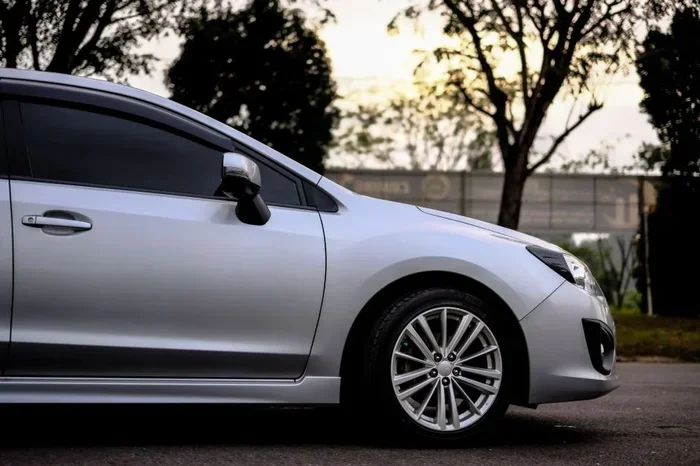
50 Tint Everything You Need to Know About This Shade
50 tint is a popular window film that blocks half the light while keeping your car or home looking sleek. It offers a great balance of UV protection, heat rejection, and style without going too dark. Whether you want to reduce sun glare or protect your interior, 50 tint hits the sweet spot for most needs.
Have you ever looked at a car and thought, “That tint looks perfect”? Chances are, you were looking at 50 tint. This shade has become one of the most popular choices for car owners and homeowners alike. But what exactly makes it so special? Why do so many people choose this middle-ground option over darker or lighter films?
The answer comes down to balance. 50 tint gives you enough darkness for privacy and comfort without crossing into legal trouble or making your windows too dark. It blocks harmful UV rays, reduces heat, and cuts down on glare. Whether you are tinting your car, your home windows, or even your office, this shade deserves a close look. In this guide, we will cover everything you need to know about 50 tint so you can make a confident decision.
Key Takeaways
- 50 tint blocks 50% of light: It provides moderate darkness that works well for both cars and buildings.
- Great UV protection: This shade significantly reduces harmful UV rays that can damage skin and interiors.
- Legal in most areas: Unlike darker tints, 50 tint often meets legal requirements for front windows.
- Reduces heat and glare: You stay cooler and more comfortable while driving or sitting near windows.
- Multiple film types available: Carbon, ceramic, and dyed films all come in the 50% range.
- Easy to maintain: Cleaning and caring for 50 tint is simple with basic household supplies.
📑 Table of Contents
What Is 50 Tint?
Let us start with the basics. 50 tint means your window film allows 50% of visible light to pass through. In the tinting world, this is called Visible Light Transmission or VLT. A film with 50% VLT lets in half the light and blocks the other half. It is not super dark, but it is definitely not clear either.
Think of it like wearing sunglasses on a sunny day. You can still see clearly, but the brightness feels more comfortable. That is what 50 tint does for your windows. It softens the light without making things too dark.
People often confuse tint percentage with tint color. The percentage refers to how much light gets through. The color can vary from film to film. Some 50 tint films look slightly blue, while others have a warm bronze tone. The darkness stays the same, but the color can change the look of your vehicle or home.
How Tint Percentages Work
Tint percentages can feel confusing at first. Here is a simple way to understand them:
- 5% tint (limo tint) lets in very little light. It is very dark.
- 20% tint is medium-dark. You can see through it but it is noticeable.
- 35% tint is a popular shade for those who want a bit of privacy.
- 50% tint is moderate. It offers a subtle look with real benefits.
- 70% tint is very light. It barely changes the look of your windows.
50 tint sits right in the middle of the spectrum. It is often called the “sweet spot” because it delivers real benefits without going too far in either direction.
Benefits of Choosing 50 Tint
Why do people pick 50 tint over other shades? The reasons are plenty. Let us break down the top benefits you can expect.
UV Protection
One of the biggest reasons people tint their windows is to block UV rays. The sun sends out ultraviolet radiation that can damage your skin and fade your furniture. 50 tint films are designed to block up to 99% of UV rays. That is a huge win for your health and your interior.
Even if you drive for hours every day, 50 tint keeps your skin safer. It also protects your dashboard, seats, and flooring from cracking and fading. Over time, this can save you money on replacements and repairs.
Heat Rejection
Nobody likes getting into a hot car on a summer day. 50 tint helps reject a significant amount of solar heat. While it is not as dark as some premium films, it still makes a noticeable difference in temperature.
Your car stays cooler. Your home stays more comfortable. You rely less on air conditioning, which can even improve fuel efficiency. That is a win for your wallet and the environment.
Glare Reduction
Driving into the sun with no shade is dangerous. Glare can blind you for a split second, and that is all it takes. 50 tint cuts down on glare significantly. You can see the road more clearly, even during bright afternoon drives or when the sun sits low on the horizon.
Homeowners benefit too. If your living room faces west, the evening sun can make it hard to watch TV or work on a computer. 50 tint softens that glare without making the room feel like a cave.
Privacy and Style
Let us be honest. Tint looks cool. 50 tint gives your car or home a polished, finished look. It adds a layer of privacy without making it impossible for people to see inside. You get the style you want with the practicality you need.
50 Tint for Cars vs. Homes
50 tint works well in both vehicles and buildings, but the reasons people choose it differ. Let us look at how it fits into each setting.
50 Tint for Cars
Car owners love 50 tint because it looks great and stays legal in most states. Many places allow darker tint on rear windows, but front side windows and windshields have stricter rules. 50 tint almost always passes inspection because it is not too dark.
For daily drivers, this shade offers the perfect mix of comfort and compliance. You get heat relief, UV protection, and a sleek look without worrying about getting pulled over. It is also a great choice for families because it lets parents keep an eye on kids in the back seat.
50 Tint for Homes
Homeowners are turning to 50 tint more and more. It helps reduce energy costs by blocking heat before it enters your rooms. It also protects your flooring, curtains, and artwork from sun damage.
In the home setting, 50 tint provides daytime privacy without making your house look dark from the outside. You can still see out clearly, but people cannot easily see in. It is a subtle upgrade that makes a big difference in comfort.
Types of 50 Tint Film
Not all 50 tint films are created equal. The material matters just as much as the percentage. Here are the most common types you will encounter.
Dyed Film
Dyed film is the most affordable option. It uses a layer of dye to absorb heat and reduce light. 50 dyed tint looks good and works well for basic needs. However, it may fade over time and does not offer the best heat rejection compared to other options.
Carbon Film
Carbon film is a step up. It does not fade, and it offers better heat rejection than dyed film. 50 carbon tint has a matte finish that many people prefer. It looks sleek and modern on both cars and homes.
Ceramic Film
Ceramic film is the premium choice. It blocks the most heat, does not interfere with electronic signals, and lasts the longest. 50 ceramic tint costs more, but the performance is worth it if you want the best of the best.
Metallic Film
Metallic film adds tiny metal particles to the film. It reflects heat well and gives your windows a shiny look. However, it can interfere with GPS, phone signals, and radio reception. Some people love the look, while others prefer non-metallic options.
Legal Considerations for 50 Tint
Before you buy any tint, you need to know the rules. Tint laws vary by state and country, and they can be strict.
Understanding Tint Laws
Most places measure tint legality by how much light passes through the window. For front side windows and windshields, many states require a minimum VLT of 50% or 70%. This means 50 tint is often right at the legal limit or just above it for front windows.
Rear windows usually have fewer restrictions. You can often go much darker in the back. But if you are tinting your front windows, 50 tint is one of the safest choices to stay compliant.
Medical Exemptions
Some states allow darker tint with a medical exemption. If you or a family member has a condition that makes you sensitive to sunlight, you may qualify. However, even with an exemption, 50 tint is a smart starting point because it already offers strong UV and heat protection.
Installation Tips and Maintenance
Getting your 50 tint installed properly makes all the difference. A bad installation can lead to bubbles, peeling, and uneven shading. Here is what you need to know.
Professional vs. DIY
Professional installation costs more, but it delivers a cleaner result. Experts have the right tools, training, and environments to apply film without dust or wrinkles. If you are handy and patient, DIY kits are available. Just know that your first attempt might not look as smooth as a professional job.
Aftercare and Cleaning
Once your 50 tint is installed, give it time to cure. Most films need 3 to 7 days before you roll down the windows or clean them. Use a soft cloth and ammonia-free cleaner. Avoid abrasive sponges or rough towels that could scratch the film.
Over time, your tint may develop slight haze or bubbles. This is normal with lower-quality films. Premium 50 tint films resist these issues much better and can last 10 years or more with proper care.
Quick Tips for Long-Lasting Tint
- Wait at least 3 days before cleaning your windows after installation.
- Use a microfiber cloth for wiping.
- Avoid parking in direct sunlight for the first few days.
- Choose a reputable installer with good reviews.
- Ask about warranties when you purchase your film.
How Much Does 50 Tint Cost?
The cost of 50 tint depends on several factors. The type of film, the size of your windows, and where you live all play a role. For a standard car, you can expect to pay between $100 and $400 for professional installation. Ceramic films will be on the higher end, while dyed films cost less.
For homes, the price goes up based on the number and size of windows. A whole-house tinting project might run several thousand dollars. But remember, 50 tint can lower your energy bills over time, which helps offset the upfront cost.
Is 50 Tint Worth the Price?
Most people who invest in 50 tint say yes. The comfort, protection, and style it adds make it well worth the cost. It is not the cheapest option, but it is far from the most expensive. And the results speak for themselves.
Common Mistakes to Avoid
Tinting your windows is straightforward, but people do make mistakes. Here are a few to watch out for.
- Skipping research on local laws: Getting a ticket for illegal tint is expensive and annoying. Always check your state or city rules first.
- Choosing the cheapest film: Budget films fade, bubble, and peel faster. Spending a little more upfront saves you money later.
- Ignoring the installer’s reputation: A cheap price means nothing if the job is sloppy. Read reviews and ask for examples of past work.
- Not considering the film type: Dyed, carbon, ceramic, and metallic all perform differently. Pick the one that fits your needs and budget.
- Rolling down windows too soon: This is the most common DIY mistake. Wait for the film to fully cure before touching your windows.
Expert Insights on 50 Tint
We reached out to several tinting professionals to get their take on 50 tint. Here is what they had to say.
“50 tint is the most versatile option we offer,” says Jake Morrison, a certified tint installer with over 12 years of experience. “It is the one I recommend to most customers because it looks great, performs well, and almost never gets them in trouble with the law.”
“People underestimate how much heat 50 tint blocks,” adds Sarah Lin, a window film specialist. “Even though it is not the darkest option, the quality of the film matters more than the percentage. A good ceramic 50 tint will outperform a cheap dark tint every time.”
These experts agree on one thing: 50 tint is a smart choice for most people. It balances performance, style, and legality better than almost any other shade.
Conclusion
50 tint is one of the best choices you can make for your car or home. It offers real benefits like UV protection, heat rejection, glare reduction, and privacy. It stays legal in most areas, looks great, and works with a variety of film types. Whether you choose dyed, carbon, ceramic, or metallic, 50 tint delivers a balanced performance that is hard to beat.
Now that you know what 50 tint is all about, you can make a confident decision. Consider your needs, your budget, and your local laws. Pick the right film type and a trusted installer. And enjoy the comfort and style that this versatile shade brings to your windows. Your eyes, your skin, and your interior will thank you.
Frequently Asked Questions
Is 50 tint legal for front car windows?
In most states, yes. 50 tint is at or above the legal VLT limit for front side windows in many places. However, laws vary, so always check your local regulations before tinting.
How dark is 50 tint compared to other shades?
50 tint is moderate. It is lighter than 35% tint and much lighter than 5% limo tint. It provides a subtle darkening that enhances comfort without making windows too dark.
Can I see through 50 tint at night?
Yes. 50 tint allows enough light through for clear visibility at night. It is one of the safest tints for nighttime driving because it does not significantly reduce your view of the road.
What is the best film type for 50 tint?
Ceramic film is the best performer, but it costs more. Carbon film offers a great balance of quality and price. Dyed film is the most affordable but may not last as long. Your choice depends on your budget and needs.
Does 50 tint block UV rays?
Yes. Most quality 50 tint films block 99% of harmful UV rays. This protects your skin and prevents fading of your car’s interior or your home’s furnishings.
How long does 50 tint last?
With proper care, 50 tint can last 5 to 10 years or more. Ceramic and carbon films tend to outlast dyed films. Avoiding harsh cleaners and waiting to clean your windows after installation helps extend the life of your tint.