Valvoline vs Mobil 1 Which Oil Is Better for Your Engine
Valvoline vs Mobil 1 is a debate every car owner should follow. Mobil 1 leads in synthetic oil technology and long engine protection, while Valvoline offers great value and strong performance for everyday drivers. Both brands deliver excellent results, but the right choice depends on your budget, driving habits, and engine needs.
Choosing the right engine oil can feel overwhelming. There are so many brands, viscosity grades, and types to consider. But when it comes to the big debate of Valvoline vs Mobil 1, most car owners find themselves stuck between two solid choices.
Both brands have earned strong reputations over decades. They each promise better engine protection, improved fuel efficiency, and longer oil life. But do they deliver on those promises equally? Not quite. Mobil 1 is widely regarded as a premium synthetic oil with cutting-edge performance additives. Valvoline offers a more affordable option that still packs a punch for everyday driving.
In this guide, we will compare these two oil giants side by side. You will learn about their ingredients, performance in different temperatures, price points, and which engines benefit most from each. By the end, you will know exactly which oil deserves a spot in your garage.
Key Takeaways
- Mobil 1 excels in synthetic oil quality and offers superior thermal stability for high-performance engines.
- Valvoline provides excellent value at a lower price point without sacrificing engine protection.
- Both brands are API certified and meet strict industry standards for lubrication.
- Mobil 1 works best for turbocharged and high-mileage engines that need advanced performance additives.
- Valvoline is ideal for daily drivers and routine oil changes on a budget.
- Cold weather performance is strong in both, but Mobil 1 has a slight edge in extreme conditions.
- Your vehicle type and driving style should guide your final decision between these two top brands.
📑 Table of Contents
- What Makes Valvoline and Mobil 1 Different?
- Performance Comparison: Valvoline vs Mobil 1
- Price and Value: Which Oil Costs Less Over Time?
- Which Oil Works Best for Your Vehicle Type?
- Quick Tips for Choosing the Right Oil
- Common Mistakes to Avoid When Choosing Engine Oil
- Expert Insights on Synthetic Oil Brands
- Conclusion
What Makes Valvoline and Mobil 1 Different?
Understanding the basics of each brand helps you make a smarter choice. Both companies have been around for a long time. They have shaped the way we think about vehicle maintenance. But their approaches to oil formulation are quite different.
The History Behind Each Brand
Valvoline has been around since 1866. It is one of the oldest oil companies in the world. The brand started with steam engine lubricants and evolved into modern motor oils. Today, Valvoline offers a wide range of products for cars, trucks, and heavy machinery.
Mobil 1 entered the scene in 1974. It was one of the first synthetic oils available to regular consumers. ExxonMobil backed the brand with heavy research and development. This gave Mobil 1 a head start in synthetic oil technology that it still holds today.
How They Formulate Their Oils
Oil formulation is where the real differences show up. Mobil 1 uses 100% synthetic base stocks in most of its products. These base stocks resist breakdown at high temperatures. They also flow smoothly in cold weather. The result is excellent engine protection across a wide range of driving conditions.
Valvoline offers both conventional and synthetic options. Its synthetic lines use a mix of synthetic and conventional base oils. This keeps costs lower while still providing solid lubrication. For most daily drivers, Valvoline’s synthetic blend works very well.
Performance Comparison: Valvoline vs Mobil 1
Performance is what matters most when you pick an oil. You want your engine to run smoothly, stay cool, and last longer. Let us look at how these two brands stack up in real-world performance.
Engine Protection and Wear Reduction
Mobil 1 shines when it comes to engine protection. Its advanced performance additives form a strong film on metal surfaces. This reduces friction even under heavy loads. Many car enthusiasts trust Mobil 1 for turbocharged engines and high-performance vehicles.
Valvoline also provides good engine protection. Its MaxLife line is specifically designed for high-mileage engines. It includes seal conditioners and extra detergents. These help reduce oil leaks and sludge buildup in older vehicles. For a standard commuter car, Valvoline delivers reliable protection.
Thermal Stability and Heat Resistance
Engine oil breaks down when it gets too hot. This is called thermal breakdown. Mobil 1 has excellent thermal stability. It can handle sustained high temperatures without losing its viscosity. This makes it a great choice for towing and stop-and-go city driving.
Valvoline handles heat well too, but it does not quite match Mobil 1 in extreme conditions. For normal driving temperatures, Valvoline performs admirably. It keeps your engine properly lubricated without breaking down quickly.
Cold Weather Performance
Cold starts are the hardest on your engine. Oil needs to flow quickly when you turn the key. Mobil 1 flows faster in cold weather thanks to its pure synthetic base. This means less wear during those critical first few seconds of a cold start.
Valvoline also performs well in cold conditions. Its synthetic blends offer good flow at low temperatures. If you live in a mild climate, Valvoline will handle winter starts just fine. In extreme cold, Mobil 1 has a slight advantage.
Price and Value: Which Oil Costs Less Over Time?
Price matters to most car owners. You want quality, but you also do not want to overspend. Let us break down the cost comparison between these two brands.
Cost Per Quart
Mobil 1 typically costs between $25 and $30 for a 5-quart jug. That puts each quart around $5 to $6. Valvoline synthetic oil usually runs $20 to $25 for 5 quarts. That is about $4 to $5 per quart. Valvoline saves you a few dollars on every oil change.
Oil Change Intervals
Mobil 1 recommends oil changes every 10,000 to 15,000 miles for most vehicles. This is longer than most conventional oils. Fewer oil changes mean less money spent over time, even if the upfront cost is higher.
Valvoline suggests changes every 5,000 to 7,500 miles for its synthetic oils. This is still better than conventional oil intervals. But you will likely need more frequent changes, which adds up over the years.
Long-Term Value
When you look at the big picture, both brands offer good value. Mobil 1 costs more per quart but lasts longer. Valvoline costs less upfront but may need more frequent changes. Your driving habits play a big role in which option saves you more money.
| Feature | Valvoline | Mobil 1 |
|---|---|---|
| Price (5-quart jug) | $20 – $25 | $25 – $30 |
| Oil Change Interval | 5,000 – 7,500 miles | 10,000 – 15,000 miles |
| Synthetic Base | Synthetic blend | 100% synthetic |
| High-Mileage Options | Yes (MaxLife line) | Yes (Extended Performance) |
| Cold Weather Flow | Good | Excellent |
| Heat Resistance | Good | Excellent |
| Best For | Daily drivers, budget-conscious | Performance vehicles, towing |
Which Oil Works Best for Your Vehicle Type?
Not all cars need the same oil. Your vehicle type, engine design, and driving style all matter. Here is how to match each brand to the right car.
Everyday Commuters and Family Cars
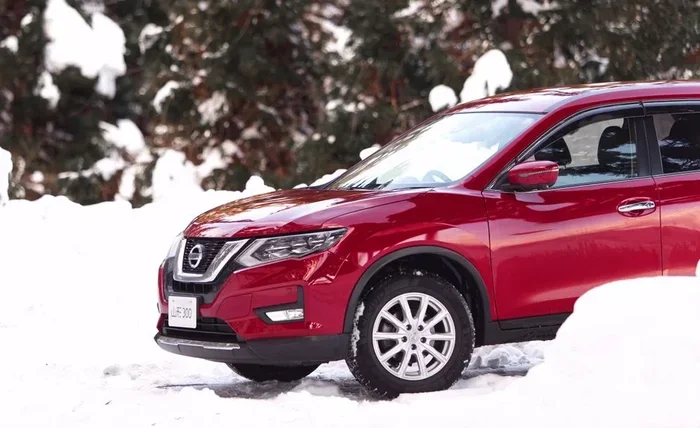
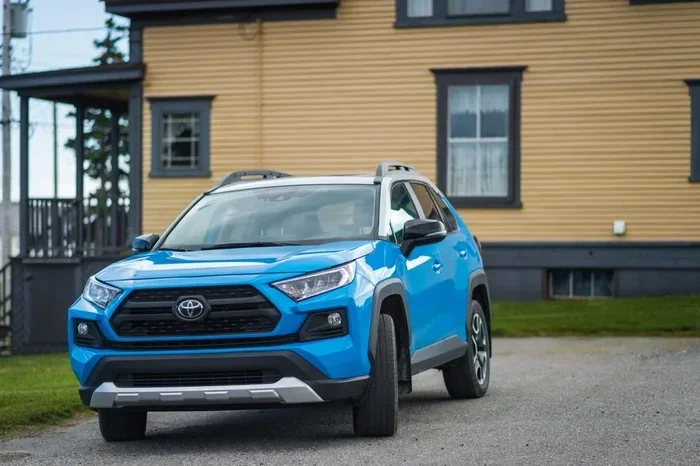
If you drive a sedan or SUV for your daily commute, Valvoline is a great fit. It provides solid engine protection at a friendly price. You do not need the extreme performance additives that Mobil 1 offers. A Valvoline synthetic blend will keep your daily driver running smoothly for years.
High-Performance and Turbocharged Engines
Mobil 1 is the clear winner here. Turbocharged engines run hotter and put more stress on oil. The 100% synthetic base and advanced additives in Mobil 1 handle this stress with ease. Many sports car owners and turbocharged vehicle drivers swear by Mobil 1 for a reason.
High-Mileage Vehicles
Older cars with over 75,000 miles need special care. Both brands offer high-mileage formulas. Valvoline MaxLife is specifically designed for aging engines. It includes seal conditioners that reduce oil leaks. Mobil 1 Extended Performance also works well for high-mileage vehicles, especially those that tow or carry heavy loads.
Towing and Heavy-Duty Use
Towing puts extreme heat and stress on your engine. Mobil 1 handles towing conditions better because of its superior thermal stability. The oil maintains its viscosity even under heavy loads. If you tow regularly, investing in Mobil 1 can extend your engine life significantly.
Quick Tips for Choosing the Right Oil
Still not sure which oil to pick? Here are some quick tips to guide your decision.
- Check your owner’s manual first. It tells you the recommended viscosity grade and oil type.
- Consider your climate. Hot climates benefit from oils with better heat resistance. Cold climates need oils that flow quickly at low temperatures.
- Think about your driving style. Stop-and-go city driving creates more engine stress than highway cruising.
- Do not skip the oil filter. A good oil filter works hand in hand with quality oil to protect your engine.
- Stick to a regular oil change schedule. Even the best oil degrades over time. Fresh oil keeps your engine healthy.
Common Mistakes to Avoid When Choosing Engine Oil
Many car owners make mistakes when picking oil. Avoiding these errors can save your engine from premature wear.
One common mistake is mixing oil brands. You should not combine Valvoline and Mobil 1 in the same engine. Different additive packages can react poorly with each other. This can reduce the effectiveness of both oils.
Another mistake is ignoring viscosity grades. Using the wrong viscosity can lead to poor lubrication. Always match your oil to the grade recommended by your vehicle manufacturer.
Skipping oil changes is the biggest mistake of all. Even the best synthetic oil in the world will break down over time. Set a reminder and stick to your oil change schedule. Your engine will thank you for years to come.
Expert Insights on Synthetic Oil Brands
Industry experts generally agree that Mobil 1 sets the gold standard for synthetic oil. Its decades of research and development show in the product quality. Many mechanics recommend Mobil 1 for performance vehicles and engines that see heavy use.
Valvoline has earned praise for its affordability and accessibility. It is available at most auto parts stores and quick-lube shops. For the average driver, Valvoline delivers more than enough protection at a price that fits most budgets. Several mechanics also recommend Valvoline for newer vehicles with lower mileage.
The bottom line is that both brands have earned their place in the market. Neither is a bad choice. Your specific needs should drive the final decision.
Conclusion
The Valvoline vs Mobil 1 comparison comes down to your priorities. If you want the best synthetic oil with top-tier engine protection, Mobil 1 is the way to go. It excels in high-performance applications, extreme temperatures, and long oil change intervals.
If you want solid protection at a lower cost, Valvoline is an excellent choice. It works great for daily drivers, family cars, and budget-conscious owners. Both brands offer high-mileage options, good cold-weather flow, and reliable engine sludge prevention.
Whichever you choose, make sure you change your oil regularly. Fresh oil is the lifeblood of your engine. Pick a brand you trust, follow your vehicle’s maintenance schedule, and your engine will run strong for many miles ahead.
Which oil is better for new cars?
Mobil 1 is often the better choice for new cars. Its 100% synthetic formula provides superior protection for modern precision engines. However, Valvoline synthetic blends also work well for newer vehicles if you want to save on cost.
Can I switch from Valvoline to Mobil 1?
Yes, you can switch between these brands. Just make sure to change the oil filter at the same time. Allow the new oil to circulate fully before driving. Both oils are compatible with most vehicle engines.
Does Mobil 1 really last longer than Valvoline?
Mobil 1 generally lasts longer thanks to its pure synthetic base and advanced additives. It can go 10,000 to 15,000 miles between changes. Valvoline synthetic oil typically needs changing every 5,000 to 7,500 miles for optimal performance.
Which oil is better for cold climates?
Mobil 1 has a slight edge in cold climates. Its synthetic formula flows faster at low temperatures, reducing engine wear during cold starts. Valvoline also performs well in cold weather, especially its 0W-20 and 5W-30 grades.
Is Valvoline good for high-mileage cars?
Yes, Valvoline MaxLife is specifically formulated for high-mileage engines. It includes seal conditioners and extra detergents that help reduce oil leaks and sludge buildup. It is a great affordable option for older vehicles.
Which brand offers better fuel efficiency?
Both brands can improve fuel efficiency compared to conventional oils. Mobil 1 has a slight advantage because its pure synthetic base reduces engine friction more effectively. This can translate to a small but noticeable improvement in fuel economy over time.
Frequently Asked Questions
What is valvoline vs mobil 1?
valvoline vs mobil 1 is an important topic with many practical applications.