Everything You Need to Know About the 4Runner 4WD Shift
The 4Runner 4WD shift system is a key feature that lets you switch between two-wheel and four-wheel drive modes for better control and traction. This guide covers everything from understanding 4WD modes to troubleshooting common shift problems. Whether you are a new 4Runner owner or a seasoned driver, you will find practical tips and expert insights to keep your 4Runner 4WD shift running smoothly.
The Toyota 4Runner is one of the most popular SUVs on the road today. It is tough, reliable, and built for adventure. But one feature that makes the 4Runner truly stand out is its 4Runner 4WD shift system. This system lets you switch between two-wheel drive and four-wheel drive with ease. Whether you are cruising on the highway or crawling over rocks off-road, the right 4WD mode makes all the difference.
If you have ever wondered how the 4WD shift works or how to use it properly, you are in the right place. This guide breaks down everything you need to know. We will cover the different modes, how to shift between them, common problems, and maintenance tips. By the end, you will feel confident using your 4Runner’s drivetrain in any situation.
Key Takeaways
- Understanding 4WD Modes: Learn the difference between 4WD high, 4WD low, and 2WD modes for the best driving experience.
- Smooth Shifting Matters: Proper shifting techniques extend the life of your drivetrain and improve off-road performance.
- Common Issues Are Fixable: Most 4WD shift problems have simple solutions you can handle at home.
- Maintenance Keeps It Running: Regular checks and fluid changes prevent costly repairs down the road.
- Safety First: Always follow proper procedures when engaging or disengaging 4WD to avoid drivetrain damage.
- Know Your Vehicle: Each 4Runner model year may have slight differences in the shift system.
- Expert Tips Help: Small habits make a big difference in long-term 4WD reliability.
📑 Table of Contents
What Is the 4Runner 4WD Shift System?
The 4WD shift system is the mechanism that lets you change your 4Runner’s drivetrain mode. It connects the front and rear wheels so they all receive power. This is called four-wheel drive, and it gives you better traction on slippery or uneven surfaces.
Unlike some vehicles that use full-time 4WD, the 4Runner uses a part-time 4WD system. This means you can switch between 2WD and 4WD depending on road conditions. The shift lever or electronic controls let you make this change quickly and safely.
How the Drivetrain Works
When you are in 2WD mode, power goes only to the rear wheels. This is great for everyday driving on dry pavement. It saves fuel and reduces wear on your drivetrain components. When you switch to 4WD, power flows to all four wheels. This gives you more grip and control.
The transfer case is the part that splits power between the front and rear axles. It sits between the transmission and the front and rear driveshafts. When you engage 4WD, the transfer case locks these components together. This is what gives you that extra traction when you need it most.
Understanding 4WD Modes on the 4Runner
The 4Runner offers different 4WD modes for different driving situations. Knowing when to use each mode is key to getting the most out of your vehicle. Let us break them down.
4WD High Mode
4WD high is for driving on loose or slippery surfaces at normal speeds. Think gravel roads, wet pavement, snow, or mud. You can use 4WD high when your speed is below about 55 mph. This mode gives you extra traction without making your vehicle feel sluggish.
Many drivers use 4WD high when heading off-road on trails. It keeps all four wheels working together, which helps prevent getting stuck. It is also great for towing in challenging conditions. The 4Runner 4WD shift into high mode is simple and can be done while driving at low speeds.
4WD Low Mode
4WD low is for extreme off-road conditions. This mode provides more torque at lower speeds. It is perfect for rock crawling, steep inclines, and deep mud. When you are in 4WD low, your vehicle moves slowly but with serious power.
You should only shift into 4WD low when you are stopped or moving very slowly. Most 4Runner models require you to stop completely before engaging 4WD low. This protects the drivetrain from damage. Always follow the proper shift lock release procedure if your vehicle requires it.
2WD Mode
2WD mode is your everyday driving setting. It sends power to the rear wheels only. This is the most fuel-efficient mode and works perfectly for highway driving and normal city commutes. When road conditions are dry and clear, 2WD is all you need.
Some drivers leave their 4Runner in 4WD all the time, but this is not recommended for pavement driving. It can cause excessive tire wear and strain on the drivetrain. Always switch back to 2WD when you are on dry roads.
How to Shift Between 2WD and 4WD
Shifting the 4Runner between modes is straightforward, but it is important to do it correctly. Here is a step-by-step guide for most 4Runner models.
- Pull over safely and bring the vehicle to a complete stop.
- Press the brake pedal firmly with your foot.
- Move the shift lever from 2H to 4H or 4L, depending on the mode you need.
- Wait for the indicator on the dashboard to confirm the shift is complete.
- Release the brake and slowly begin driving again.
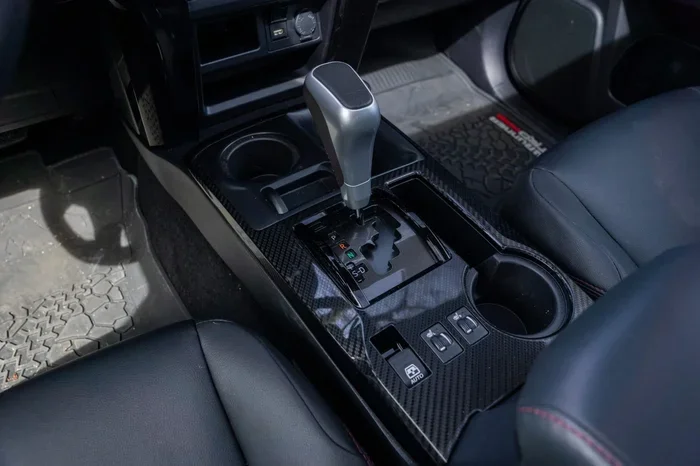
For newer 4Runner models with electronic controls, the process is even simpler. You may just need to press a button on the dashboard or center console. Always refer to your owner’s manual for model-specific instructions. If you are having trouble shifting, a shift lock release button may need to be engaged first.
Quick Tips for Smooth Shifting
- Never shift into 4WD low while driving at high speed.
- Always come to a complete stop before engaging 4WD low.
- Listen for clicking sounds that confirm the shift is engaged.
- Check your dashboard indicators after every shift.
- Do not skip the shift lock release step if your vehicle requires it.
Common 4Runner 4WD Shift Problems and Solutions
Like any mechanical system, the 4WD shift can develop problems over time. The good news is that most issues are easy to fix. Here are the most common problems 4Runner owners face.
Difficulty Shifting Gears
If you are struggling to move the shift lever, the most common cause is a faulty shift lock release. This safety feature prevents you from accidentally shifting into gear while driving. If the release button is stuck or the solenoid is bad, you may not be able to shift at all.
Try pressing the shift lock release button firmly while shifting. If that does not work, check the fuse related to the shift interlock system. A blown fuse can prevent the release mechanism from working. For more details on this issue, check our article on shift lock release troubleshooting.
4WD Light Flashing on Dashboard
A flashing 4WD light usually means the system has detected a problem. This could be caused by a faulty transfer case motor, a bad speed sensor, or a wiring issue. Sometimes it is as simple as a dead battery in the key fob for electronic shift systems.
Start by checking the battery in your key fob or the under-hood fuse box. If the light persists, have a mechanic scan the vehicle for error codes. Ignoring a flashing 4WD light can lead to bigger problems later.
Grinding or Clicking Noise When Shifting
A grinding noise often means the gears are not fully engaging. This can happen if you try to shift too quickly or if the transfer case is low on fluid. A clicking sound might indicate a worn shift fork or a loose component in the drivetrain.
Check the transfer case fluid level first. If it is low, top it off with the recommended fluid type. If the noise continues, have a professional inspect the transfer case and front differential. Regular fluid changes can prevent this issue from developing.
4WD Will Not Disengage
Sometimes the 4Runner stays stuck in 4WD even when you try to shift back to 2WD. This is often caused by a vacuum leak in the front hub engagement system. It can also be a problem with the electronic shift motor or a faulty control module.
Try turning the vehicle off and restarting it. Sometimes a simple reboot of the electronic system resolves the issue. If not, inspect the vacuum lines for cracks or leaks. For electronic systems, a reset of the shift module may be needed.
Maintaining Your 4Runner 4WD Shift System
Regular maintenance keeps your 4WD shift system working smoothly for years. A little prevention goes a long way toward avoiding expensive repairs. Here is what you need to do.
Transfer Case Fluid Changes
The transfer case contains fluid that lubricates the gears and bearings. Over time, this fluid breaks down and loses its effectiveness. Most experts recommend changing the transfer case fluid every 30,000 to 60,000 miles. Check your owner’s manual for the exact interval for your model year.
Use the manufacturer-recommended fluid type. Using the wrong fluid can cause premature wear on internal components. When you change the fluid, also inspect the transfer case for leaks or damage.
Shift Linkage Inspection
The shift linkage connects the shift lever to the transfer case. Over time, this linkage can wear, stretch, or become misaligned. Inspect it regularly for play or looseness. If you notice excessive movement or difficulty shifting, the linkage may need adjustment or replacement.
Keeping the linkage properly adjusted makes shifting feel crisp and smooth. It also prevents premature wear on the transfer case gears. A simple inspection during every oil change can catch problems early.
Electrical and Sensor Checks
Modern 4Runner models rely on electronic sensors and motors for 4WD engagement. These components can fail over time, especially if exposed to moisture or road debris. Periodically check the wiring harnesses and connectors for corrosion or damage.
Clean electrical connections with a contact cleaner if you notice any green or white buildup. This keeps the signals flowing properly and prevents intermittent 4WD issues. For more on electrical troubleshooting, our article on 4Runner 4WD shift maintenance covers this topic in detail.
Shift Lock Release Maintenance
The shift lock release mechanism is a safety feature that prevents accidental gear changes. It uses a small solenoid and plunger to lock the shift lever in park or neutral. Over time, this mechanism can wear or fail, making it hard to shift out of park.
Keep the shift lock release area clean and free of debris. If you notice the release button feels mushy or does not click, have it inspected. A failing solenoid can usually be replaced easily and affordably. For Hyundai-specific shift lock release information, check our guide on the Hyundai shift lock release button as a comparison resource.
4Runner 4WD Shift: Model Year Differences
The 4Runner has gone through several generations, and each one has slight differences in the 4WD shift system. Here is a quick comparison of the major changes across model years.
| Generation | Years | Shift Type | Key Feature |
|---|---|---|---|
| Third Generation | 2003-2009 | Manual shift lever | Classic design, reliable mechanical linkage |
| Fourth Generation | 2010-2023 | Electronic push-button | Smart 4WD system with auto mode |
| Fifth Generation | 2024+ | Electronic with touchscreen | Advanced off-road modes and terrain select |
Each generation has its strengths. The older manual systems are simple and durable. The newer electronic systems offer more convenience and smart features. No matter which generation you own, the basic principles of 4WD shifting remain the same.
Expert Tips for 4WD Shifting
After years of working with 4Runner owners and drivetrain systems, here are some expert tips that really make a difference.
- Always shift at a complete stop. Shifting while moving can damage the transfer case gears.
- Use 4WD high for light off-road use. It is the most versatile mode for trails and gravel roads.
- Do not use 4WD on dry pavement. It causes tire wear and drivetrain stress.
- Check your fluid levels regularly. Clean fluid keeps all internal components running smoothly.
- Test your 4WD system before you need it. Do not wait until you are stuck in the mud to try shifting.
- Read your owner’s manual. Every model year has specific instructions and warnings.
These simple habits will keep your 4Runner 4WD shift system in top shape. They also help you avoid the most common mistakes that lead to expensive repairs.
Key Takeaways
- The 4Runner 4WD shift system lets you switch between 2WD and 4WD modes for better control.
- 4WD high is for loose or slippery surfaces at normal speeds.
- 4WD low is for extreme off-road conditions and slow-speed crawling.
- Always shift at a complete stop to protect your drivetrain.
- Common problems include difficulty shifting, flashing dashboard lights, and grinding noises.
- Regular maintenance like fluid changes and linkage inspections prevents most issues.
- Each 4Runner generation has its own shift system features and quirks.
Conclusion
The 4Runner 4WD shift system is one of the best features of this legendary SUV. It gives you the flexibility to handle any road condition with confidence. Whether you are driving to work on a rainy day or exploring a remote trail, knowing how to use your 4WD system properly makes all the difference.
By understanding the different modes, following proper shifting procedures, and keeping up with maintenance, you can enjoy years of reliable 4WD performance. Most problems are easy to prevent with simple habits and regular checks. Your 4Runner is built to last, and with the right care, the shift system will serve you well for many miles to come.
Remember, when in doubt, consult your owner’s manual or a trusted mechanic. The 4Runner has a loyal community of owners and enthusiasts who are always happy to share advice. Happy trails, and enjoy the ride.
Frequently Asked Questions
What is the 4Runner 4WD shift system?
The 4Runner 4WD shift system allows you to switch between two-wheel drive and four-wheel drive modes. It uses a manual shift lever or electronic controls to engage the transfer case, which sends power to all four wheels. This system gives you better traction on slippery or uneven surfaces.
How do you shift from 2WD to 4WD on a 4Runner?
First, bring the vehicle to a complete stop and press the brake pedal. Then move the shift lever from 2H to 4H for high-range 4WD or from 2H to 4L for low-range 4WD. On newer models with electronic controls, simply press the appropriate button on the dashboard. Always wait for the dashboard indicator to confirm the shift.
Can you shift into 4WD low while driving?
No, you should never shift into 4WD low while driving. You must come to a complete stop first. Shifting at higher speeds can cause serious damage to the transfer case and drivetrain components. Always follow the proper shift lock release procedure if needed.
Why is my 4Runner stuck in 4WD?
A 4Runner stuck in 4WD is often caused by a vacuum leak, a faulty transfer case motor, or a problem with the electronic shift module. Start by checking the vacuum lines and electrical connections. If the issue persists, have a professional diagnose the system with a scan tool.
How often should you change the transfer case fluid?
Most experts recommend changing the transfer case fluid every 30,000 to 60,000 miles. Check your owner’s manual for the specific interval for your 4Runner model year. Using the correct fluid type is essential for proper lubrication and long component life.
What is the shift lock release and where is it?
The shift lock release is a safety feature that prevents accidental gear changes. It is usually a small button or slot near the shift lever. If the shift lever will not move out of park, pressing the release button while pressing the brake should allow you to shift. For more information, see our guide on shift lock release systems.