Can You Sell a Car With a 60 Day DMV Registration Hold
Yes, you can sell a car with a 60 day DMV registration hold, but it comes with important caveats. The new owner may face delays or restrictions when trying to register the vehicle in their name. Understanding the hold, resolving it beforehand, and following the right steps can make the sale smooth and stress free for both parties.
This is a comprehensive guide about if dmv put 60 hold on my registration can i sell car and new owner register or do they have to wait also.
Key Takeaways
- A 60 day DMV hold restricts registration: It prevents the current owner from renewing or transferring registration until the issue is resolved.
- The buyer can still purchase the car: The sale itself is legal, but the new owner will need to clear the hold before registering the vehicle.
- Common reasons for a hold include unpaid tickets and fines: Outstanding violations, expired inspections, or unresolved citations often trigger the hold.
- You can resolve the hold before selling: Paying fines, fixing violations, and submitting documents can lift the hold quickly.
- Disclosure is essential: Always tell the buyer about the hold upfront to avoid legal trouble and build trust.
- Preparing the car for sale helps: Simple steps like detailing and maintenance can increase your sale price and attract more buyers.
[FEATURED_IMAGE_PLACEHOLDER]
Can You Sell a Car With a 60 Day DMV Registration Hold?
If you have a 60 day DMV registration hold on your vehicle, you might be wondering whether you can sell it at all. The short answer is yes. You can sell a car even when the DMV has placed a hold on the registration. But the process is not as simple as a normal sale. The buyer will face extra steps before they can legally drive the car.
A registration hold means the DMV has flagged your vehicle for a specific reason. This could be unpaid tickets, missing documents, or a failed inspection. Until the issue is cleared, the DMV will not let you renew or transfer the registration. For sellers, this creates a unique challenge. For buyers, it means extra patience and paperwork. In this article, we walk you through everything you need to know about selling a car with a registration hold, what the hold means, and how both parties can handle it the right way.
Whether you are trying to offload an old vehicle or you are a buyer looking to understand the risks, this guide covers it all. Let us break it down step by step.
What Does a 60 Day DMV Registration Hold Mean?
A DMV registration hold is a restriction placed on a vehicle by the Department of Motor Vehicles. It stops the owner from completing any registration related actions. This includes renewals, transfers, and new registrations. The hold usually lasts for 60 days, but it can be longer depending on the reason.
The DMV places holds for several reasons. Here are the most common ones:
- Unpaid traffic tickets: Outstanding fines from speeding, parking, or moving violations.
- Failed emissions or safety inspection: The vehicle did not pass a required check.
- Missing insurance proof: The DMV needs proof of active insurance coverage.
- Lien or ownership dispute: There may be a financial or legal issue tied to the title.
- Expired registration for too long: Letting your registration lapse for an extended period can trigger a hold.
When a hold is active, the DMV blocks any transfer of registration to a new owner. This is where the selling process gets tricky. The car still has value, and someone may want to buy it. But the new owner cannot simply register it and drive away. They must first work with the DMV to clear the hold.
Can You Still Drive a Car With a Registration Hold?
Driving with a registration hold is risky. If your registration is suspended or on hold, you should not be driving the car on public roads. Getting pulled over could result in fines or even a ticket for driving with an invalid registration. If you need to move the car to a buyer or a repair shop, do it carefully and keep all paperwork handy.
Can You Sell a Car With a Registration Hold?
Yes, you can sell a car with a 60 day DMV registration hold. The sale itself is legal. You are simply transferring ownership of the vehicle. However, the new owner will not be able to register the car in their name until the hold is lifted. This is the key difference between a normal sale and one with a hold on the registration.
Here is how the process typically works:
- You sell the car to the buyer. You both sign the title and complete the bill of sale.
- The buyer takes the car. But they cannot register it yet because the hold is still on the vehicle.
- The hold is resolved. Either the seller or the buyer (depending on the situation) clears the outstanding issue with the DMV.
- The buyer registers the car. Once the hold is lifted, the new owner can complete the registration process.
This process can feel overwhelming, especially if you are not familiar with how the DMV works. But with the right approach, it is very manageable. The most important thing is to be honest with the buyer from the start.
Is It Legal to Sell a Car With a Registration Hold?
Yes, it is completely legal. A registration hold does not mean the vehicle is illegal. It simply means there is an unresolved issue with the registration. As long as you follow the proper steps and disclose the hold to the buyer, you are within your rights to sell the car. Hiding the hold, on the other hand, can lead to serious legal problems and a loss of trust with the buyer.
How to Prepare Your Car for Sale With a Hold
Even though your car has a registration hold, you still want to get the best price possible. Preparing the vehicle properly makes a huge difference. Buyers will look at the car the same way they would any other vehicle. Here is what you should do.
Get the Car Running and Road Ready
If the car starts and drives, that is a big selling point. If you are having trouble getting it going, you might want to look into safe methods to start a car without a key or with a dead battery. Making sure the vehicle is in working condition helps you sell it faster and for more money.
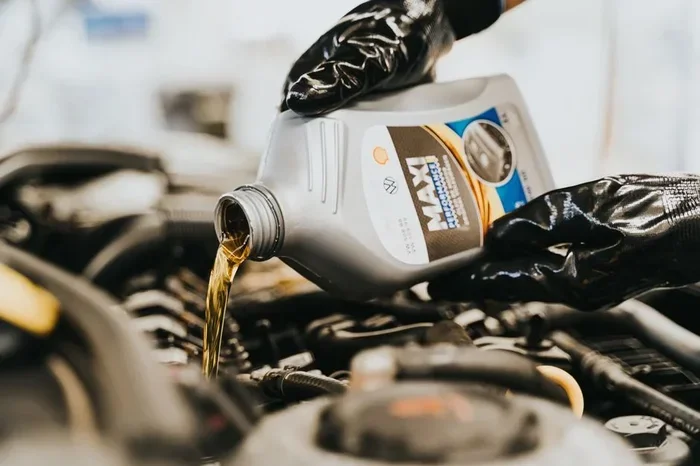
Simple steps like checking the oil, topping off fluids, and making sure the tires are in good shape go a long way. If you are unsure how to check or change the oil yourself, there are plenty of easy guides that walk you through it. A well maintained car sells faster than one that looks neglected.
Clean and Detail the Vehicle
First impressions matter a lot when selling a car. A clean interior and a shiny exterior make buyers feel confident about what they are getting. You might wonder if car detailing is worth the investment. The answer is usually yes. A professional detail can increase your sale price by making the car look years newer. Even a thorough DIY cleaning job can make a big difference.
Gather All Necessary Documents
Before you list the car, gather everything you need for the sale:
- Vehicle title: Make sure you have the original or a certified copy.
- Bill of sale: This protects both you and the buyer.
- Registration documents: Even if the registration is on hold, keep all paperwork organized.
- Maintenance records: Service history builds buyer confidence.
- Proof of insurance: You need this until the sale is finalized.
Being organized shows the buyer you are serious and trustworthy. It also speeds up the sale process significantly.
What the Buyer Needs to Know
If you are the buyer looking to purchase a car with a 60 day DMV hold, there are a few things you should understand before committing. Buying a car with a registration hold is not the same as a standard purchase. You need to be prepared for extra steps and potential delays.
Can the New Owner Register the Car Immediately?
No, the new owner cannot register the car right away. The hold stays with the vehicle until it is resolved. The buyer will need to visit the DMV, find out what is causing the hold, and take the steps to clear it. This could involve paying outstanding fines, providing missing documents, or fixing a failed inspection.
Here is what the buyer should do:
- Check the registration status online. Many states let you look up the hold reason through the DMV website.
- Contact the DMV directly. Ask what steps are needed to lift the hold.
- Resolve the underlying issue. Pay any fines, provide proof of insurance, or complete a required inspection.
- Complete the registration transfer. Once the hold is cleared, the buyer can register the car in their name.
Buyers should also factor in the cost and time needed to resolve the hold. If the seller agrees to handle the resolution, make sure it is written into the sales agreement. This protects the buyer from unexpected costs or delays.
Should You Buy a Car With a Registration Hold?
It depends on the situation. If the hold is for something simple like a small unpaid ticket, it is usually not a big deal. But if the hold is due to a serious issue like a lien or ownership dispute, you need to be very careful. Always do your research before buying a car with a hold. Consider getting a vehicle history report and checking for any title or lien issues that could complicate the registration process later.
How to Resolve a 60 Day DMV Hold Before Selling
The best way to make selling a car with a registration hold easier is to resolve the hold before putting the car up for sale. This gives you more flexibility and makes the vehicle more attractive to buyers. Here is how to do it.
Step 1: Find Out Why the Hold Is There
Contact your local DMV or check your account online. The DMV will tell you the exact reason for the hold. This is the first and most important step. Without knowing the cause, you cannot fix it.
Step 2: Take Care of Outstanding Issues
Once you know the reason, take action. Here are common fixes:
- Pay unpaid tickets or fines: This is the most common reason for a hold. Paying the balance usually lifts the restriction quickly.
- Complete a required inspection: If the car failed emissions or safety inspection, get it fixed and re inspected.
- Provide missing insurance proof: Some states require you to show current insurance before the hold is removed.
- Resolve lien issues: If there is a financial lien on the vehicle, you may need to pay off the lender before the hold can be cleared.
Each DMV has its own process for lifting holds. Some allow you to resolve issues online, while others require an in person visit. Check your state’s DMV website for specific instructions.
Step 3: Confirm the Hold Is Lifted
After you have resolved the issue, check back with the DMV to confirm the hold has been removed. Do not assume it is gone until you have written or online confirmation. Once the hold is lifted, you can proceed with the sale as normal, and the buyer will have no trouble registering the vehicle.
Common Mistakes to Avoid When Selling a Car With a Hold
Selling a car with a registration hold can be stressful. But there are several mistakes you should avoid to keep the process smooth and legal.
Mistake 1: Hiding the Hold From the Buyer
This is the biggest mistake you can make. Not telling the buyer about the hold can lead to legal trouble, chargebacks, or even lawsuits. Always be upfront. Honest sellers build trust and close deals faster.
Mistake 2: Skipping the Bill of Sale
A bill of sale protects both you and the buyer. It documents the sale price, the date of transfer, and the condition of the vehicle. Without one, you could be held responsible for any tickets or violations that happen after the sale.
Mistake 3: Assuming the Buyer Will Handle Everything
While the buyer can resolve the hold, it is better if the seller takes care of it first. This makes the car more attractive and helps you close the deal faster. If the buyer agrees to handle the hold, put it in writing so both parties are clear on expectations.
Mistake 4: Not Keeping Copies of Everything
Keep copies of the title, bill of sale, payment receipts, and any communication with the DMV. These documents protect you in case of disputes or legal issues down the road. Being thorough now saves you headaches later.
Expert Tips for a Smooth Sale With a Registration Hold
Here are some expert tips that can help you navigate the sale process with confidence:
- Start resolving the hold as early as possible. The sooner you address the issue, the smoother the sale will go.
- Prepare the car thoroughly. Clean it, fix minor issues, and make sure it is presentable. Even simple steps like changing the oil or detailing the interior can make a big difference.
- Price it fairly. A car with a registration hold may need to be priced slightly lower than a clean title vehicle. Factor in the buyer’s time and cost to resolve the hold.
- Be patient. The process may take longer than a normal sale. Keep communication open with the buyer and the DMV.
- Consider helping the buyer with the DMV process. Offering to walk the buyer through the steps shows good faith and builds trust.
These small efforts go a long way in making the entire experience positive for everyone involved.
Key Takeaways
- A 60 day DMV registration hold limits registration actions: You cannot renew or transfer the registration while the hold is active.
- You can still sell the car: The sale is legal, but the buyer must clear the hold before registering the vehicle.
- Common hold reasons include unpaid tickets, failed inspections, and missing documents: Identify the cause early so you can fix it.
- Resolve the hold before selling for a smoother process: Paying fines and completing inspections lifts the hold quickly.
- Always disclose the hold to the buyer: Transparency builds trust and prevents legal problems.
- Both parties share responsibility: The seller should prepare the car and documents, while the buyer handles registration after the hold is cleared.
- Keep all paperwork organized: Bills of sale, titles, and DMV communications protect both you and the buyer.
Conclusion
Selling a car with a 60 day DMV registration hold is absolutely possible. It just requires a little extra effort and honesty. By understanding what the hold means, resolving the underlying issue, and being transparent with the buyer, you can complete the sale successfully. The key is to take action early, keep your paperwork in order, and communicate clearly with all parties involved.
Whether you are the seller or the buyer, knowing your rights and responsibilities makes all the difference. A registration hold does not have to stop the sale. It just means there are a few extra steps to handle along the way. With the right approach, both you and the new owner can get the car registered and on the road without unnecessary stress.
Take the time to resolve the hold, prepare the vehicle, and follow the proper process. You will walk away from the sale with confidence and a smoother experience for everyone involved.
Frequently Asked Questions
Can I sell my car if the DMV has placed a 60 day hold on the registration?
Yes, you can sell the car. The hold restricts registration actions, but it does not prevent the sale. The buyer will need to clear the hold before they can register the vehicle in their name.
What happens if I don’t tell the buyer about the registration hold?
Hiding a registration hold can lead to legal problems. The buyer may take legal action if they feel misled. Always disclose the hold upfront to protect yourself and build trust with the buyer.
How long does it take to resolve a 60 day DMV hold?
It depends on the reason for the hold. If it is an unpaid ticket, it can be resolved in a few days. If it involves a lien or inspection issue, it may take longer. Contacting the DMV early helps speed up the process.
Can the buyer register the car while the hold is still active?
No, the buyer cannot register the car until the hold is lifted. The DMV will block any registration transfer while the hold is in place. The underlying issue must be resolved first.
Should I pay to resolve the hold myself or let the buyer handle it?
It is usually better to resolve the hold yourself before selling. This makes the car more attractive and helps you close the deal faster. However, you can agree with the buyer on who handles the resolution, as long as it is in writing.
Does a registration hold affect the car’s value?
It can. Buyers may offer less money because of the extra effort and cost involved in clearing the hold. Pricing the car fairly and resolving the hold beforehand can help minimize the impact on your sale price.