Inside the BMW Chennai Plant and What Makes It Special
The BMW Chennai Plant is a world-class manufacturing facility that produces some of the most sought-after luxury cars in India. This plant represents BMW’s commitment to quality, innovation, and local production. Learn about its history, production process, and what sets it apart from other auto plants in the country.
When you think of luxury cars, BMW probably comes to mind. But have you ever wondered where these incredible machines are built? The BMW Chennai Plant is one of the most impressive manufacturing facilities in India. It is where raw materials transform into the luxury vehicles you see on roads every day.
This plant is not just another factory. It is a symbol of BMW’s deep investment in the Indian market. The BMW Chennai facility has been operational for over a decade now. It has played a huge role in making BMW cars more accessible to Indian customers. Whether you are a car enthusiast or just curious about how luxury vehicles are made, this plant has a fascinating story to tell.
The BMW Chennai Plant stands out for many reasons. Its production capabilities, quality control measures, and export operations are all top-notch. Let us take a detailed look at what makes this facility so special.
Key Takeaways
- BMW Chennai Plant is BMW’s first dedicated manufacturing facility in India, built to serve the domestic market and export markets across the globe.
- The plant produces popular models like the BMW X1 and BMW 3 Series, which are assembled using a CKD (Completely Knocked Down) approach.
- BMW follows rigorous quality standards at the Chennai facility, ensuring every car meets the brand’s global benchmarks.
- The plant has significantly boosted BMW India exports, making Chennai a key hub for luxury car shipping worldwide.
- BMW’s Chennai operations support thousands of local jobs and contribute to India’s growing automotive ecosystem.
- Visitors can experience the plant through guided tours, offering a rare look into luxury car manufacturing.
- The facility uses cutting-edge BMW technology Chennai operations to maintain efficiency and precision in every production step.
📑 Table of Contents
The History of BMW Manufacturing in India
BMW’s journey in India did not start with the Chennai plant. The brand first entered the Indian market through imports. Cars were shipped from Germany and sold through dedicated dealerships. But as demand grew, BMW knew it needed a local presence.
Why Chennai Was Chosen
Chennai was a natural choice for several reasons. The city has a strong automotive ecosystem. It is home to many suppliers and skilled workers. The port in Chennai also makes export shipping easier. BMW saw the potential early on and decided to build its BMW India facility right here.
The plant started operations in 2007. It was a major milestone for BMW manufacturing in India. Since then, it has grown in capacity and capability. Today, it is one of the most advanced auto plants in the country.
What Makes the BMW Chennai Plant Special
Not all car factories are the same. The BMW Chennai Plant has unique features that set it apart. Let us explore what makes this facility truly special.
State-of-the-Art Manufacturing Technology
The plant uses some of the most advanced BMW technology Chennai operations have to offer. Robots handle precision welding. Automated systems paint each car with perfect finishes. Every step of the BMW production line is monitored for quality.
The facility follows the same standards as BMW plants in Germany and other countries. This means a car built in Chennai is just as good as one built in Munich. That is a big deal for a luxury brand.
Focus on Sustainability
BMW cares about the environment. The Chennai plant reflects this commitment. The facility uses energy-efficient systems. Waste management practices are strictly followed. Water recycling is also a priority at the plant.
These efforts make the BMW Chennai facility one of the more eco-friendly auto plants in India. It shows that luxury and sustainability can go hand in hand.
Skilled Workforce and Training Programs
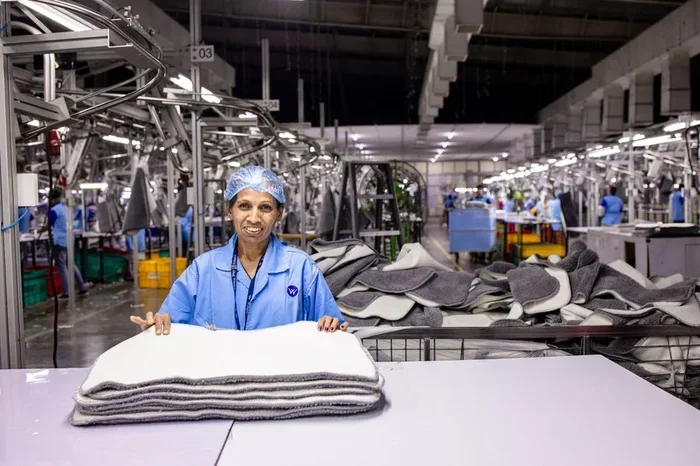
A factory is only as good as its people. The Chennai plant employs thousands of skilled workers. Many of them have received training directly from BMW Germany. This ensures that every team member understands the brand’s standards.
The plant also runs internal training programs. Workers continuously upgrade their skills. This investment in people is one reason the facility maintains such high quality.
Models Produced at the BMW Chennai Plant
The BMW Chennai Plant produces several popular models. These cars are built for the Indian market and for export. Here is a look at what comes off the production line.
BMW X1: A Local Favorite
The BMW X1 is one of the most popular models produced in Chennai. It is a compact luxury SUV that appeals to many Indian buyers. The local assembly of the X1 helps keep prices competitive. Customers get a genuine BMW experience without the high import taxes.
BMW 3 Series: Built for India
The BMW 3 Series is a legendary sedan. The Chennai plant assembles the latest generation of this model for the Indian market. It is a testament to the plant’s capabilities. Building a car as complex as the 3 Series requires precision and expertise.
Other Models and Future Plans
BMW keeps expanding its lineup at the Chennai facility. New models are added as demand grows. The company also evaluates which vehicles are best suited for local assembly. This strategy helps BMW stay competitive in the BMW India operations landscape.
Production Capacity Comparison
| Aspect | BMW Chennai Plant | BMW Global Average |
|---|---|---|
| Annual Production Capacity | Approximately 20,000 units | Varies by plant |
| Models Produced Locally | X1, 3 Series, and more | Varies by plant |
| Export Markets | Multiple countries | Varies by plant |
| Quality Benchmark | Same as German plants | Global BMW standards |
| Local Employment | Thousands of workers | Varies by plant |
The table above shows how the BMW plant capacity in Chennai compares to global standards. The facility punches well above its weight in terms of quality and output.
The Manufacturing Process at BMW Chennai
Building a luxury car is no small feat. The BMW manufacturing process at the Chennai plant follows a carefully planned sequence. Each step is designed for precision and efficiency.
Step 1: CKD Assembly
The Chennai plant uses a CKD approach. This means car parts arrive as separate components. Workers and machines then assemble them on site. This method helps BMW avoid high import duties on fully built vehicles.
Step 2: Body Construction
The body of each car is built first. Robotic arms weld the steel and aluminum parts together. Every weld is checked for strength and accuracy. The body then moves to the next stage.
Step 3: Painting and Finishing
Each car receives multiple layers of paint. The painting process is highly automated. This ensures a flawless finish every time. After painting, cars go through a curing process that hardens the paint.
Step 4: Final Assembly and Quality Check
The engine, interior, and electronics are added in the final assembly. Each car then goes through a thorough quality check. Technicians test every system. Only cars that pass all checks leave the factory.
Quick Tips: What to Know About BMW Local Assembly
- CKD assembly saves costs for both BMW and customers.
- Local production means faster delivery times for buyers in India.
- Each car undergoes multiple inspections before leaving the plant.
- The Chennai plant follows BMW’s global quality blueprint.
BMW Chennai Plant and India’s Export Market
The BMW Chennai Plant does not just serve India. It is also a major export hub. Cars built in Chennai are shipped to countries around the world. This makes the facility a key part of the global BMW supply chain.
Export Destinations
BMW exports cars from Chennai to many countries. Some go to Europe. Others reach Southeast Asia and the Middle East. The plant’s location near the Chennai port makes shipping convenient and cost-effective.
How Exports Boost BMW India Operations
Export revenue helps BMW India stay profitable. It also strengthens the brand’s position in the global market. The success of the Chennai plant proves that India can be a global hub for luxury car manufacturing.
Expert Insight: Why the Chennai Plant Matters for BMW’s Global Strategy
BMW’s decision to build a world-class plant in Chennai was a game-changer. It allowed the brand to tap into India’s growing luxury car market. At the same time, it gave BMW a competitive edge in the export market. The facility demonstrates that Indian manufacturing can meet the highest global standards.
Common Mistakes People Make About the BMW Chennai Plant
There are a few misconceptions about the facility. Let us clear them up.
- Mistake 1: Assuming Chennai-built BMWs are lower quality. The plant follows the same standards as all BMW factories worldwide.
- Mistake 2: Thinking only budget models are made there. The plant produces premium models like the X1 and 3 Series.
- Mistake 3: Believing the plant only serves the Indian market. A significant portion of its output goes to international markets.
Visiting the BMW Chennai Plant
Want to see the magic happen? The BMW Chennai Plant offers guided tours. Visitors get a behind-the-scenes look at luxury car manufacturing. It is an experience that car lovers will never forget.
What to Expect on a BMW Plant Visit
During the tour, you will see the entire production process. You will watch cars being built from start to finish. Guides explain each step in detail. You will also learn about BMW’s history and vision.
Tours are available for individuals and groups. Booking in advance is recommended. The experience is both educational and inspiring.
The Future of BMW Manufacturing in Chennai
BMW has big plans for its Chennai facility. The company continues to invest in new technology. Electric vehicle production is also on the radar. The BMW Chennai Plant is poised for an exciting future.
As demand for luxury cars grows in India, the plant will scale up. New models will join the production line. BMW’s commitment to the Chennai facility shows no signs of slowing down.
Conclusion
The BMW Chennai Plant is truly one of a kind. It represents the best of German engineering and Indian manufacturing. From its advanced production lines to its commitment to quality, the facility stands out in every way.
Whether you are buying a BMW built in Chennai or just curious about how luxury cars are made, this plant deserves your attention. It is a shining example of what happens when global expertise meets local talent. The BMW Chennai facility is not just a factory. It is a symbol of excellence.
Next time you see a BMW on the road, remember. It might just have been built with care and precision in Chennai. And that is something worth appreciating.
Frequently Asked Questions
What models are produced at the BMW Chennai Plant?
The BMW Chennai Plant produces popular models like the BMW X1 and BMW 3 Series. The facility also assembles other models based on market demand. BMW regularly updates its production lineup to meet customer needs.
Can visitors tour the BMW Chennai Plant?
Yes, the plant offers guided tours for individuals and groups. Visitors get a behind-the-scenes look at the entire manufacturing process. It is recommended to book your visit in advance.
Are BMW cars made in Chennai the same quality as those made in Germany?
Absolutely. The Chennai plant follows the same BMW quality standards as all other BMW factories worldwide. Every car undergoes rigorous testing and inspection before leaving the facility.
Does the BMW Chennai Plant export cars to other countries?
Yes, the plant is a significant BMW India export hub. Cars built in Chennai are shipped to multiple countries across Europe, Southeast Asia, and the Middle East.
How many workers are employed at the BMW Chennai Plant?
The facility employs thousands of skilled workers. Many of them have received training directly from BMW Germany. The plant also supports numerous jobs in the local supply chain.
Is BMW planning to produce electric vehicles at the Chennai plant?
BMW has been investing in new technology at its Chennai facility. Electric vehicle production is part of the company’s long-term strategy. The plant is well-positioned to support future EV manufacturing in India.