Aftermarket Solutions for Front Windscreen Condensation
Front windscreen condensation is a frustrating and potentially dangerous problem for drivers. Aftermarket solutions offer reliable, long-lasting fixes that factory setups often miss. From heated windscreen grids to anti-fog treatments, these products tackle moisture at its source. This guide covers the best aftermarket options, how they work, and which ones suit your vehicle. You will walk away with actionable steps to eliminate foggy windshields for good.
Few things are as annoying as stepping into your car on a cold morning only to find your front windscreen completely fogged up. You scramble for the defroster, wait, and hope. But what if that fog keeps coming back no matter what you do? That is where aftermarket solutions for front windscreen condensation come in. These products go beyond the factory equipment your car came with. They target the real causes of moisture buildup and give you lasting relief. In this guide, we will explore every option available. You will learn how each solution works, what to look for, and which ones deliver the best results.
Condensation on your front windscreen is not just a nuisance. It is a safety hazard. Fogged-up glass blocks your view and raises the risk of accidents. Factory defogging systems work okay, but they are not always enough. Cold mornings, humid summers, and rainy seasons all make the problem worse. The good news is that the aftermarket market has responded with some clever products. These range from simple sprays to full electrical upgrades. Whether you deal with mild fog or heavy condensation every single day, there is a solution that fits your needs and budget.
Key Takeaways
- Aftermarket defoggers and heated grids provide active warmth to prevent condensation from forming on your front windscreen.
- Anti-fog coatings and moisture absorbers are affordable, easy-to-apply solutions that work wonders in humid conditions.
- Windscreen seal replacements and drainage fixes address the root cause of excess moisture entering your vehicle.
- Ventilation upgrades improve airflow and reduce humidity buildup inside your car cabin.
- Combining multiple aftermarket solutions often delivers the best long-term results for persistent condensation problems.
- Regular maintenance of your vehicle’s seals, drainage channels, and ventilation system keeps condensation issues from returning.
📑 Table of Contents
- Understanding Front Windscreen Condensation
- Aftermarket Heated Windscreen Grids
- Anti-Fog Coatings and Sprays
- Moisture Absorbers and Dehumidifiers for Cars
- Windscreen Seal Replacements and Upgrades
- Ventilation and Airflow Upgrades
- Windscreen Drainage System Repairs
- Electrical System and Keyless Entry Considerations
- Prevention Tips for Long-Term Condensation Control
- Cost Comparison of Aftermarket Condensation Solutions
- When to See a Professional
Understanding Front Windscreen Condensation
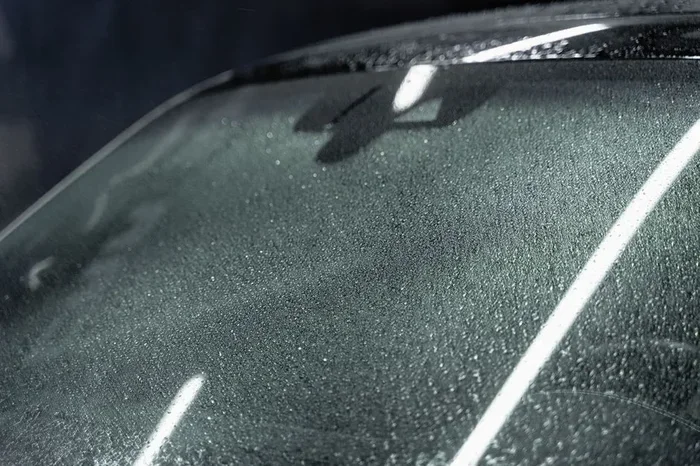
Before diving into the fixes, it helps to understand why condensation happens in the first place. Moisture in the air turns into tiny water droplets when it touches a cold surface. Your windscreen gets cold during winter or at night. The warm, humid air inside your car hits that cold glass. Boom. Fog appears. But sometimes the moisture problem goes deeper than just temperature differences.
Common Causes of Windscreen Condensation
- High humidity inside the cabin from wet clothes, damp floor mats, or even your breath.
- Damaged windscreen seals that let outside moisture seep into the car.
- Clogged drainage channels that trap water inside the door or window frames.
- Faulty ventilation that fails to circulate dry air across the glass.
- Cracked or worn windscreen that traps moisture between glass layers.
- Leaking heater matrix that introduces coolant vapor into the cabin air.
Understanding the cause helps you pick the right fix. A simple anti-fog spray will not help if your windscreen seal is leaking. And a ventilation upgrade will not solve a drainage problem. That is why we cover solutions from every angle in this article.
Aftermarket Heated Windscreen Grids
One of the most effective aftermarket solutions for front windscreen condensation is a heated windscreen grid. These are thin, transparent wires embedded in the glass. They work just like the rear defroster you already have. When you switch them on, they generate gentle heat across the entire front windscreen. This prevents moisture from settling and fogging the glass.
How Heated Windscreen Grids Work
The grid lines run across the windscreen surface. They connect to your car’s electrical system through a dedicated fuse and switch. When powered on, the wires warm up to just above dew point temperature. This keeps the glass surface dry even in cold, humid conditions. Most systems activate within seconds and clear light fog almost instantly.
These grids are especially useful for drivers in cold climates or coastal areas with high humidity. They also work well during the transition seasons when mornings are damp and cool.
Top Brands and Products
- ClearFog Heated Grid – Easy retrofit installation for most sedan and SUV models.
- FrostFree Pro – Offers a full-width grid with even heat distribution.
- AutoClear Premium – Features a low-power draw that won’t drain your battery.
Installation usually requires a professional. The grid is bonded to the inside of the windscreen, and wiring is routed behind the dashboard. Costs range from $150 to $400 depending on your vehicle and the product quality.
Quick Tip: Look for a heated grid with a timer function. This lets you pre-heat your windscreen before you start driving. It saves time and keeps your glass clear from the moment you pull away.
Anti-Fog Coatings and Sprays
If heated grids sound too complex or expensive, anti-fog coatings are a fantastic alternative. These aftermarket products create a thin, invisible layer on your windscreen. That layer changes the surface tension of water droplets. Instead of forming a foggy layer, moisture beads up and rolls off. The result is a clear, fog-free view.
How Anti-Fog Sprays Work
Most anti-fog sprays use a hydrophilic compound. This means they attract water and spread it into a thin, even film. Light passes through the film without scattering. So your windscreen stays clear. The coating typically lasts anywhere from a few days to a few weeks, depending on the product and weather conditions.
Best Anti-Fog Products on the Market
- Rain-X Anti-Fog – A popular choice that also adds water-repellent properties.
- Meguiar’s Anti-Fog Glass Coating – Known for long-lasting protection and easy application.
- RAC Anti-Fog Wipes – Convenient pre-moistened wipes for quick application on the go.
Applying anti-fog spray is simple. Clean your windscreen thoroughly. Spray the product evenly across the glass. Buff it with a microfiber cloth until the surface is clear. Reapply every one to two weeks for best results. These products are affordable and perfect for drivers who deal with occasional fog rather than constant condensation.
Quick Tip: Apply anti-fog coating on the inside of your windscreen only. The outside is better served by a separate water-repellent treatment like Rain-X.
Moisture Absorbers and Dehumidifiers for Cars
Sometimes the simplest aftermarket solutions for front windscreen condensation are the most effective. Moisture absorbers work by pulling excess humidity out of your car’s cabin air. Less moisture in the air means less condensation on your cold windscreen. These products are affordable, maintenance-free, and require zero installation.
Types of Car Moisture Absorbers
- Crystal desiccant packs – These contain silica gel that absorbs moisture as air passes through them. They are reusable and can be dried out in the sun.
- Calcium chloride buckets – These are the most powerful option. They can absorb several times their weight in water. Perfect for severely damp vehicles.
- Electric car dehumidifiers – Small plug-in devices that use a Peltier element to condense moisture out of the air. They work continuously while your car is running.
Place moisture absorbers on your dashboard or near the footwell where humid air tends to pool. For best results, use them during humid months or whenever you notice fog forming on your windscreen.
Expert Insight: Many drivers combine a crystal desiccant pack with an electric dehumidifier. This dual approach tackles both passive and active moisture control. It is one of the most effective strategies for year-round condensation prevention.
Windscreen Seal Replacements and Upgrades
If your windscreen condensation problem comes from outside moisture leaking in, seal replacement is the answer. Over time, the rubber seal around your windscreen can crack, shrink, or warp. When this happens, rainwater and humid air enter your car through gaps in the seal. This excess moisture then condenses on the cold glass from the inside.
Signs Your Windscreen Seal Needs Replacement
- Water leaks inside the car after rain.
- Damp spots or mould on the dashboard near the windscreen.
- Strange wind noise while driving at highway speeds.
- Visible gaps or cracks in the rubber seal.
- Condensation between the glass layers of a laminated windscreen.
Replacing a windscreen seal is a job best left to professionals. The old seal is carefully removed, the area is cleaned and primed, and a new seal is bonded in place. Costs typically range from $100 to $300 for parts and labour. It is a worthwhile investment if you have ruled out other causes of condensation.
While you are addressing seal issues, it is also a good idea to check your overall vehicle maintenance. For example, if you notice other problems during routine checks, learning how to change oil in car can help you stay on top of basic maintenance that keeps your vehicle running smoothly. A well-maintained car is less likely to develop secondary issues that can worsen condensation problems.
Ventilation and Airflow Upgrades
Your car’s ventilation system plays a huge role in preventing windscreen condensation. When airflow across the glass is weak or uneven, moisture settles and fogs the surface. Aftermarket ventilation upgrades can dramatically improve air circulation and reduce humidity inside your cabin.
Dash Vent Modifications
Some drivers find that their factory dash vents do not direct enough airflow toward the windscreen. Aftermarket dash vent deflectors and add-on vents help redirect air exactly where it is needed. These small, inexpensive accessories make a big difference. They are especially useful in older vehicles where the factory ventilation design is weak.
Cabin Air Filter Upgrades
A clogged or low-quality cabin air filter restricts airflow and traps moisture. Upgrading to a high-efficiency particulate air (HEPA) filter improves air quality and flow. Some aftermarket filters also contain activated carbon layers that absorb odours and excess humidity. This keeps your cabin air drier and your windscreen clearer.
If your vehicle has electrical quirks related to ventilation or other systems, understanding those issues can save you time and money. For instance, if you are troubleshooting electrical warnings, check out why is my airbag light flashing on my nissan frontier for insights into common dashboard warning patterns that could relate to your ventilation system’s electrical connections.
Comparing Aftermarket Ventilation Solutions
| Solution | Cost Range | Installation Difficulty | Best For |
|---|---|---|---|
| Dash Vent Deflectors | $10 – $30 | Easy (DIY) | Redirecting airflow to windscreen |
| HEPA Cabin Filter Upgrade | $20 – $50 | Easy (DIY) | Improving overall air quality and flow |
| Aftermarket Vent Add-Ons | $30 – $80 | Moderate | Vehicles with weak factory ventilation |
| Electric Cabin Dehumidifier | $40 – $100 | Easy (DIY) | Persistent humidity and fog issues |
Common Mistakes: Many drivers point their dash vents upward during winter. This traps warm air near the ceiling and leaves the windscreen cold. Always direct vents toward the windscreen during foggy conditions. Also, do not recirculate interior air for too long. Fresh outside air is drier and helps reduce cabin humidity.
Windscreen Drainage System Repairs
Your vehicle has small drainage channels that carry water away from the doors, sunroof, and windscreen frame. When these channels become clogged with leaves, dirt, or debris, water backs up and enters your car. This trapped moisture then causes condensation on the front windscreen. It is one of the most overlooked causes of persistent fogging.
How to Check and Clear Drainage Channels
- Locate the drainage holes at the bottom of your doors and near the base of the windscreen frame.
- Use a thin wire or compressed air to clear any blockages.
- Pour water into the channels to confirm they drain freely.
- Apply a small amount of silicone lubricant to keep the channels clear.
Regularly checking your drainage channels takes just a few minutes. But it prevents a host of moisture-related problems, including windscreen condensation, mould growth, and unpleasant odours inside your car.
Expert Insight: Aftermarket drainage channel kits are available for many popular car models. These kits include pre-shaped tubes and connectors that make the drainage system more efficient. They are a smart upgrade for older vehicles with factory drainage designs that tend to clog easily.
Electrical System and Keyless Entry Considerations
Modern vehicles rely heavily on electrical systems for comfort and safety features. Condensation issues can sometimes be linked to broader electrical problems. For instance, moisture intrusion can affect sensors, switches, and even your keyless entry system. If you are dealing with electrical quirks alongside condensation, understanding the connection is important.
Some aftermarket electrical upgrades can indirectly help with condensation. Improved sensor systems can detect humidity levels and automatically activate defogging. Smart ventilation controllers can optimize airflow based on real-time cabin conditions. These advanced systems represent the cutting edge of aftermarket solutions for front windscreen condensation.
If your vehicle uses keyless ignition and you encounter electrical issues that might be related to moisture, there are safe methods to address them. For guidance on handling electrical quirks safely, you may find how to start a car without key safe methods and expert tips helpful for understanding your vehicle’s electrical system better.
Prevention Tips for Long-Term Condensation Control
Aftermarket solutions work best when combined with good daily habits. Prevention is always easier than fixing a fogged-up windscreen while driving. Here are some habits that keep condensation at bay.
Daily Habits That Reduce Condensation
- Leave a window cracked overnight during humid months to allow moist air to escape.
- Remove wet items from your car like umbrellas, gym bags, and damp clothing.
- Replace cabin air filters every 12,000 to 15,000 miles.
- Check windscreen seals seasonally for cracks or gaps.
- Use your air conditioning even in winter. It dries the cabin air effectively.
- Clean your windscreen inside and out regularly. Oils and residues attract moisture.
Common Mistakes: Do not ignore small condensation patches. They are early warning signs of a bigger moisture problem. Also, avoid parking under trees or in damp areas whenever possible. Both increase the humidity your vehicle is exposed to overnight.
Cost Comparison of Aftermarket Condensation Solutions
Budget plays a big role in choosing the right solution. Here is a quick comparison of the aftermarket options we have covered, ranked by cost.
| Solution | Average Cost | Longevity | Effectiveness |
|---|---|---|---|
| Anti-Fog Spray | $5 – $15 | 1 – 4 weeks | Moderate |
| Moisture Absorber Pack | $5 – $20 | 1 – 3 months | Moderate |
| Vent Deflector / Filter Upgrade | $10 – $50 | 6 – 12 months | Good |
| Drainage Channel Kit | $15 – $40 | 1 – 2 years | Good |
| Windscreen Seal Replacement | $100 – $300 | 3 – 5 years | Very High |
| Heated Windscreen Grid | $150 – $400 | 5+ years | Excellent |
| Smart Ventilation Controller | $100 – $250 | 3 – 7 years | Excellent |
The best approach depends on your budget, how severe your condensation problem is, and how much time you want to invest. For most drivers, starting with an anti-fog spray and a moisture absorber is the most cost-effective first step. If the problem persists, you can escalate to seal replacements or heated grids.
When to See a Professional
Many aftermarket solutions are DIY-friendly. Anti-fog sprays, moisture absorbers, and vent deflectors are easy to install yourself. But some solutions require professional help. Heated windscreen grids need precise bonding and electrical wiring. Windscreen seal replacements involve removing and re-bonding the glass. Drainage channel repairs sometimes require accessing hidden areas under the dashboard.
If you have tried aftermarket solutions and condensation still persists, it is time to consult a professional. Persistent fogging could indicate a deeper issue like a leaking heater core, a cracked windscreen, or a ventilation system malfunction. A qualified mechanic can diagnose and fix these problems before they worsen.
Remember, clear visibility is not just about comfort. It is about safety. Every aftermarket solution we have discussed in this article aims to give you a fog-free windscreen and a safer driving experience. Start with the simplest fixes and work your way up as needed. Your front windscreen will thank you.
Frequently Asked Questions
What causes condensation on the front windscreen overnight?
Overnight condensation happens when warm, humid air inside your car touches the cold windscreen glass. Temperature drops at night cool the glass surface below the dew point. Moisture in the air then condenses into tiny droplets. Common sources of humidity include damp floor mats, wet clothing, and even your own breath.
Are aftermarket heated windscreen grids safe for all vehicles?
Most aftermarket heated grids are designed to be safe for a wide range of vehicles. However, you should check compatibility with your specific make and model. The grid needs to bond properly to the windscreen, and the wiring must connect to your car’s electrical system without overloading the circuit. Professional installation is recommended to ensure safety.
How long does anti-fog coating last on a windscreen?
Most anti-fog coatings last between one and four weeks, depending on the product and weather conditions. Heavy rain, frequent windscreen wiping, and high humidity can reduce the coating’s lifespan. Reapplication is simple and takes just a few minutes.
Can moisture absorbers damage my car’s interior?
No, moisture absorbers are safe for your car’s interior. Crystal desiccant packs and calcium chloride buckets are non-toxic and non-damaging. Electric dehumidifiers are also safe when used as directed. Just make sure to empty or recharge absorbers regularly to prevent overflow.
Is it cheaper to fix condensation myself or hire a professional?
Simple solutions like anti-fog sprays and moisture absorbers are very affordable and easy to apply yourself. More complex solutions like heated grids or seal replacements cost more but provide longer-lasting results. Hiring a professional for those ensures proper installation and safety.
Will aftermarket ventilation upgrades improve my car’s fuel efficiency?
Ventilation upgrades like HEPA cabin filters and dash vent deflectors have a minimal impact on fuel efficiency. The main benefit is better air quality and reduced condensation. However, using your air conditioning less frequently because of improved airflow can lead to slight fuel savings over time.
=== CONCLUSION ===
Aftermarket solutions for front windscreen condensation offer practical, effective ways to keep your windshield clear and your driving safe. From budget-friendly anti-fog sprays to high-tech heated grids, there is a solution for every driver and every budget. The key is to understand the root cause of your condensation and choose the right combination of fixes. Start simple, monitor results, and upgrade as needed. With the right approach, you will say goodbye to foggy mornings and hello to crystal-clear visibility every time you hit the road.