what is caused when water mixes with engine oil damage
When water mixes with engine oil, it creates a milky sludge that destroys lubrication, causes severe engine wear, and can lead to catastrophic failure. This contamination happens from head gasket leaks, cracked engine blocks, or condensation buildup. Immediate oil changes and professional inspection are essential to prevent permanent damage.
Water and engine oil should never meet. When they do, the results can be devastating for your vehicle. If you have ever popped your oil dipstick and seen a thick, milky substance instead of the smooth amber liquid you expected, you have already seen the damage firsthand. So, what is caused when water mixes with engine oil damage? The short answer is a lot of trouble.
Water contamination in engine oil is one of the most serious problems a car owner can face. It strips away the lubricating properties of oil, causes corrosive damage to internal components, and can completely seize an engine if left unchecked. Whether the cause is a leaking head gasket, a cracked block, or simple condensation, the effects demand immediate attention. In this guide, we will walk you through exactly what happens, why it matters, and how to fix it before it turns into a nightmare.
Understanding this issue is not just for mechanics. Every car owner should know the signs, the causes, and the solutions. Let us break it down in plain, simple terms.
Key Takeaways
- Milky oil is a red flag: Water mixing with oil creates a brown or milky residue that signals serious contamination.
- Head gasket failure is the top cause: A blown head gasket is the most common reason water enters the oil system.
- Engine damage escalates fast: Even short-term water contamination can cause corrosion, reduced lubrication, and bearing failure.
- Early detection saves money: Catching the problem early with simple checks can prevent thousands in repair costs.
- DIY fixes have limits: While minor condensation can be drained, professional diagnosis is crucial for serious contamination.
- Regular oil changes help: Consistent maintenance keeps your engine healthy and helps detect problems early.
📑 Table of Contents
- What Happens When Water Gets Into Engine Oil
- Common Causes of Water Mixing With Engine Oil
- Warning Signs and Symptoms to Watch For
- How Water Contamination Damages Your Engine
- How to Fix Water Contamination in Engine Oil
- Prevention: How to Keep Water Out of Your Engine Oil
- Common Mistakes People Make With Water-Contaminated Oil
- When to Seek Professional Help
- Final Thoughts
What Happens When Water Gets Into Engine Oil
Water and oil do not mix. That is basic science. But when water somehow sneaks into your engine oil system, it creates a dangerous emulsion. This milky brown substance is far less effective at lubricating engine parts than clean oil. The result is friction, heat, and wear on metal surfaces that should be smoothly protected.
Here is what actually happens inside your engine when water contaminates the oil:
- Loss of lubrication: Oil forms a thin protective layer between moving parts. Water breaks this layer down, causing metal-on-metal contact.
- Corrosion: Water causes rust and corrosion on iron and steel components inside the engine block and crankcase.
- Oil emulsification: The water and oil blend into a creamy slurry that clogs passages and starves critical components of clean oil flow.
- Additive breakdown: The protective additives in oil get diluted or neutralized by water, leaving your engine vulnerable.
- Foaming: Water causes oil to foam, which reduces oil pressure and means less lubrication reaches key areas like the camshaft and bearings.
The damage does not stop there. Over time, water in the oil system leads to bearing failure, scored cylinder walls, and even a completely seized engine. That is why understanding this problem early is so important.
How to Spot Milky Oil on Your Dipstick
Checking your oil is the easiest way to catch water contamination early. Pull the dipstick and look at the color. Healthy oil is amber or brown and smooth. If it looks like a chocolate milkshake or has a frothy, creamy texture, water has entered the system. Do not drive the car in this condition. Get it to a mechanic or perform an immediate oil change.
Common Causes of Water Mixing With Engine Oil
Water does not just appear in your oil on its own. Something has to let it in. Here are the most common causes of water contamination in engine oil.
Blown Head Gasket
A blown head gasket is the number one culprit. The head gasket sits between the engine block and the cylinder head. It seals the combustion chambers and keeps coolant and oil in their separate channels. When this gasket fails, coolant leaks into the oil passages. This is a serious mechanical issue that requires professional repair.
Cracked Engine Block or Cylinder Head
Overheating, freezing, or simple age can cause cracks in the engine block or cylinder head. These cracks let coolant seep into the oil galleries. Even a tiny crack can cause significant contamination over time. If you notice white smoke from exhaust along with milky oil, a cracked block or head is a strong possibility.
Condensation Buildup
Not all water contamination is caused by a major mechanical failure. Condensation can form inside the engine, especially in cold weather or when the car is only driven on short trips. This moisture collects in the oil crankcase and mixes with the oil. While small amounts are normal and get burned off during regular driving, excessive buildup is a problem.
Failed Oil Cooler or Water Jacket
Some engines use oil coolers that are water-cooled. If the seals or lines in these coolers fail, water can leak directly into the oil system. This is more common in certain vehicle models and should be checked during routine maintenance.
Warning Signs and Symptoms to Watch For
Catching water contamination early can save you from a full engine rebuild. Here are the warning signs that water has mixed with your engine oil.
- Milky or frothy oil: The most obvious sign. Check your dipstick regularly.
- White smoke from the exhaust: Coolant burning in the combustion chamber produces thick white smoke.
- Overheating engine: Loss of coolant through internal leaks causes the engine to run hot.
- Low oil pressure: Foamed oil cannot maintain proper pressure, triggering warning lights on your dashboard.
- Coolant disappearing without leaks: If you keep topping off coolant but see no external leaks, it may be going into the oil system.
- Engine knocking or rattling: Poor lubrication from contaminated oil causes unusual noises from the bottom end of the engine.
If you notice any of these symptoms, stop driving and get the vehicle inspected. Continuing to drive with water-contaminated oil will only make the damage worse.
Quick Tip: The “Wrap Test”
Here is a simple trick mechanics use. Dip a clean white paper towel into the oil on your dipstick. If the oil leaves a brown, watery ring or a milky smear, water is present. Clean amber oil will leave a smooth, translucent spot. This test takes seconds and can save you a lot of trouble.
How Water Contamination Damages Your Engine
Let us talk about the real cost of ignoring this problem. Water in engine oil causes a chain reaction of damage that compounds quickly.
First, the oil loses its viscosity. It becomes thinner and less effective at forming a protective film between moving parts. Bearings, camshafts, and connecting rods all suffer from increased friction.
Second, the water triggers corrosion. Engine internals are made of metal, and metal plus water equals rust. Corroded surfaces create debris that circulates through the oil, scratching and scoring other components.
Third, the oil filter becomes clogged with the emulsion of water and contaminants. This restricts oil flow and starves the engine of lubrication. A clogged oil filter is one of the first things to check during routine maintenance.
Finally, if the contamination persists, the engine will overheat, bearings will fail, and the engine may seize completely. At that point, a rebuild or replacement is the only option. We are talking thousands of dollars in repair costs that could have been prevented with a simple oil change and inspection.
Comparing Minor vs. Major Contamination
| Factor | Minor Condensation | Major Contamination |
|---|---|---|
| Oil Appearance | Slightly cloudy | Thick, milky, frothy |
| Cause | Short trips, cold weather | Head gasket failure, cracked block |
| Engine Performance | Normal | Knocking, overheating, low pressure |
| Repair Needed | Oil change and monitoring | Head gasket replacement or engine rebuild |
| Cost | $50–$150 | $1,000–$4,000+ |
| Risk Level | Low if addressed | High — engine failure likely |
As you can see, the difference between a minor issue and a major catastrophe is huge. The key is catching it early.
How to Fix Water Contamination in Engine Oil
If you have confirmed that water has mixed with your engine oil, here is what you need to do.
Step 1: Stop Driving Immediately
Every mile you drive with contaminated oil causes more damage. Tow the vehicle to a shop or your home garage. Do not attempt to drive it to the mechanic if the milky oil is severe.
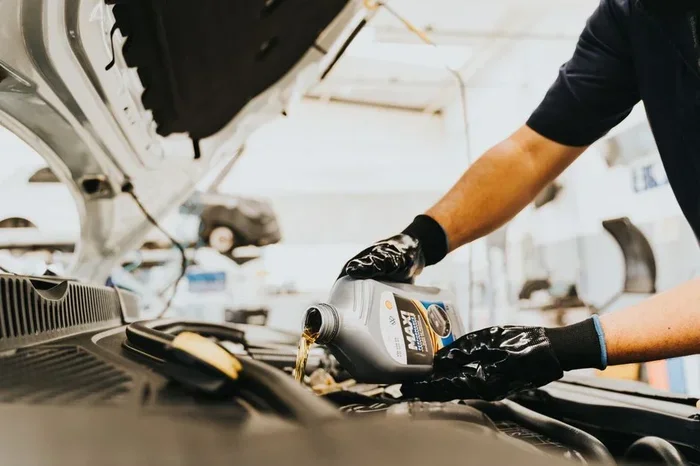
Step 2: Drain the Oil and Replace the Filter
A full oil change with a new filter removes the contaminated oil. This is the first and most critical step. Use the oil type recommended in your owner manual. If you are unsure about the process, check out our guide on how to change oil in your car for a step-by-step walkthrough.
Step 3: Inspect for the Root Cause
Simply changing the oil will not fix the underlying problem. You need to find out why water got in there in the first place. A mechanic will pressure-test the cooling system, inspect the head gasket, and check for cracks in the block or head.
Step 4: Repair the Source of the Leak
If the head gasket is the issue, replacement is the standard fix. A cracked block or head may require welding or replacement. The cost varies widely depending on the vehicle and the extent of the damage.
Step 5: Monitor After Repair
After the fix, keep an eye on your oil for the first few weeks. Check the color and consistency regularly. Run the engine at operating temperature on a longer drive to burn off any remaining moisture.
Expert Insight: Many car owners ask whether they can just add a sealant additive to fix a leaking head gasket. While some products claim to work, they are temporary solutions at best. A proper head gasket replacement is the only reliable fix. Do not let a shortcut turn into a much bigger bill later.
Prevention: How to Keep Water Out of Your Engine Oil
Prevention is always better than cure. Here are practical steps to keep water out of your engine oil system.
- Check your oil regularly: A quick dipstick check every few weeks catches problems early.
- Address coolant leaks immediately: Any coolant loss should be investigated right away.
- Take longer drives: Short trips allow condensation to build up. Longer drives bring the oil to full temperature and evaporate moisture.
- Maintain your cooling system: A healthy cooling system prevents overheating, which is a leading cause of head gasket failure.
- Follow the maintenance schedule: Regular oil changes and inspections keep everything running smoothly.
- Store your car properly: If you keep a vehicle for a long time, use a breathable cover and store it in a dry, climate-controlled space.
Taking care of your car does not have to be complicated. Small habits like regular oil checks and prompt attention to warning signs go a long way. For more tips on keeping your vehicle in top shape, check out whether car detailing is worth the investment and how regular maintenance adds value to your ownership experience.
Common Mistakes People Make With Water-Contaminated Oil
Avoid these mistakes that make the problem worse.
- Ignoring the milky oil: Many drivers see the milky substance and just keep driving. This is the worst thing you can do.
- Adding more oil without draining: Topping off the oil dilutes it further and does not remove the water.
- Using the wrong oil after a change: Always use the oil grade recommended by your vehicle manufacturer.
- Skipping the oil filter replacement: A new filter is essential after contamination. The old filter holds the dirty emulsion.
- Assuming the problem is fixed after one oil change: If the root cause is not addressed, water will return no matter how many times you change the oil.
When to Seek Professional Help
Not everyone is a DIY mechanic, and that is perfectly fine. If you notice any signs of water in your oil, especially if you see white smoke from the exhaust or your engine is overheating, seek professional help immediately. A qualified mechanic can diagnose the root cause with tools like a combustion leak test or a cooling system pressure test.
For tire-related maintenance questions or general vehicle care advice, explore our comparison of Hankook vs Cooper tires to make informed decisions about your vehicle.
Remember, water in engine oil is not a “wait and see” situation. The faster you act, the better your chances of avoiding a major repair bill.
Final Thoughts
So, what is caused when water mixes with engine oil damage? The answer is clear: corrosion, loss of lubrication, foaming, additive breakdown, and ultimately engine failure. These are not small problems. They are serious issues that can take your engine from healthy to totaled in a matter of weeks or even days.
The good news is that most drivers can catch this problem early with simple routine checks. A quick look at the dipstick takes seconds but can save you thousands of dollars. If you ever see milky or frothy oil, do not wait. Take action immediately.
Keep up with your oil changes, watch for warning signs, and address coolant leaks promptly. Your engine works hard for you every day. Returning the favor with proper care and attention is the least you can do.
Stay proactive, stay informed, and keep your engine running clean. Your wallet will thank you.
Frequently Asked Questions
Can I still drive my car if water has mixed with the engine oil?
No, you should not drive the vehicle. Water-contaminated oil loses its lubricating ability, which causes rapid engine wear. Continuing to drive can lead to catastrophic engine failure. Tow the car to a mechanic and get the oil drained immediately.
How much does it cost to fix water contamination in engine oil?
The cost depends on the cause. A simple oil change to address minor condensation costs around $50 to $150. If a head gasket is the culprit, expect $1,000 to $3,000 for parts and labor. A cracked engine block repair can exceed $4,000. Early detection keeps costs low.
Can water in engine oil cause white smoke from the exhaust?
Yes, absolutely. When water enters the combustion chamber, it burns and produces thick white smoke. This is one of the most common symptoms of coolant leaking into the oil system. If you see persistent white smoke, get your vehicle inspected right away.
Is a small amount of water in engine oil normal?
Trace amounts of condensation are normal, especially in cold weather or after short trips. However, if the oil looks milky or frothy, that is not normal. Even small amounts of visible water should be addressed with an oil change and inspection.
What is the difference between water contamination and oil dilution from fuel?
Fuel dilution makes the oil thinner and smells like gasoline. Water contamination makes the oil look milky and frothy. Both reduce lubrication but have different causes and require different fixes. A mechanic can distinguish between the two with a simple inspection.
How long does it take for water to damage an engine?
The timeline varies. Minor condensation may cause no harm if driven off regularly. However, significant contamination from a head gasket leak can cause visible damage within days. The longer water sits in the oil system, the more corrosion and wear it causes. Immediate action is always the best approach.
=== CONCLUSION ===
Water mixing with engine oil is a serious problem that no car owner should ignore. The damage ranges from reduced lubrication and corrosion to complete engine failure. The causes vary from condensation buildup to blown head gaskets and cracked engine blocks. The symptoms are clear — milky oil, white exhaust smoke, overheating, and low oil pressure.
Regular oil checks, prompt attention to warning signs, and consistent maintenance are your best defenses. If you ever spot contaminated oil, act fast. Drain the oil, replace the filter, find the root cause, and repair it. Your engine depends on clean, uncontaminated oil to run properly.
Take care of your car, and it will take care of you. Stay vigilant, stay informed, and never underestimate the power of a simple oil change.