Prius Check Hybrid System Everything You Should Know
The Prius check hybrid system is a vital diagnostic process that helps Toyota owners identify issues with their hybrid powertrain early. Whether you see a warning light or notice strange behavior, understanding how to perform a hybrid system check can save you time and money. This guide covers everything from dashboard warnings to battery health and DIY troubleshooting steps. By the end, you will know exactly how to keep your Prius hybrid system running at its best.
Owning a Toyota Prius comes with a unique set of responsibilities. The Prius check hybrid system is not just a fancy term thrown around by mechanics. It is a real, important process that every Prius owner should understand. Your hybrid vehicle relies on a complex partnership between a gas engine and an electric motor. When something goes wrong in that partnership, your car tells you. The question is whether you are listening.
A hybrid system check can reveal problems before they become expensive repairs. Maybe your check engine light Prius dashboard is glowing. Maybe you hear a strange noise when you brake. Or maybe your fuel economy has dropped without explanation. Whatever the sign, knowing how to diagnose it puts you in control. This guide walks you through every step of understanding and performing a Prius check hybrid system the right way.
Key Takeaways
- Know Your Warning Lights: Understanding Prius warning lights helps you catch hybrid system problems early.
- DIY Checks Are Possible: You can perform a basic hybrid system check at home with simple tools like an OBD-II scanner.
- Battery Health Matters: The HV battery is the heart of your Prius, and monitoring its voltage keeps the hybrid powertrain running smoothly.
- Regular Maintenance Prevents Big Problems: Following Prius maintenance tips reduces the risk of hybrid system malfunction.
- Professional Help Has Its Place: Some issues like inverter failure or transaxle problems need a trained technician.
- Quick Tips Add Up: Small daily habits like checking coolant levels and monitoring regenerative braking extend your hybrid system lifespan.
📑 Table of Contents
Understanding the Prius Check Hybrid System
What Is the Hybrid System in Your Prius?
The Toyota Prius uses a hybrid powertrain that combines a gasoline engine with an electric motor. This setup is called a power split device. It allows the car to switch between gas and electric power seamlessly. The hybrid system also includes the HV battery, an inverter, a transaxle, and a regenerative braking system. All of these parts work together to deliver fuel efficiency and smooth performance.
When you perform a Prius check hybrid system inspection, you are checking every part of this network. The goal is to make sure each component is doing its job. A healthy hybrid battery health status means your car runs efficiently. A failing component can cause a hybrid system malfunction that affects everything from acceleration to fuel economy.
How the Hybrid System Works in Simple Terms
Think of your Prius like a team of two engines working together. The gas engine handles highway driving and high-speed needs. The electric motor kicks in for low-speed driving, stopping, and starting. The regenerative braking system captures energy when you slow down and stores it back in the HV battery. The inverter converts that stored energy into usable power.
The power split device acts like a traffic director. It decides how much power comes from the gas engine versus the electric motor. When you run a hybrid system check, you are essentially checking whether this team is communicating properly. If one member is not pulling its weight, the whole system suffers.
Common Warning Signs Your Hybrid System Needs Attention
Dashboard Warning Lights to Watch For
The first sign of trouble often appears on your dashboard. The check engine light Prius warning is one of the most common alerts. But your Prius has other lights too. The hybrid system warning light looks like a triangle with an exclamation mark. The battery alert light may also appear if the HV battery is not charging properly.
Do not ignore these lights. Each one is a message from your car. A hybrid system warning could mean anything from a loose sensor connection to a serious battery issue. When you see any of these lights, it is time to investigate.
Strange Noises and Performance Issues
Your Prius should run quietly, especially when operating on electric power. If you hear grinding, whining, or clicking sounds, something is wrong. A hybrid system malfunction can also show up as poor acceleration or hesitation when you press the gas pedal.
You might also notice that your fuel economy drops significantly. This is a red flag for hybrid battery health. If the electric motor is not assisting the gas engine properly, the gas engine has to work harder. That means more fuel consumption and more wear on the engine.
Expert Insight: Many Prius owners report that a slight drop in fuel economy is the first clue that a hybrid system check is needed. Do not wait for a warning light. Trust your instincts and check the system early.
How to Perform a Prius Hybrid System Check
Using an OBD-II Scanner for Prius Diagnostic Trouble Codes
An OBD-II scanner is one of the best tools for a hybrid system check. You plug it into the diagnostic port under your dashboard. The scanner reads Prius diagnostic trouble codes stored in the car’s computer. These codes tell you exactly what part of the hybrid system is causing problems.
You can buy an OBD-II scanner for under $50 at most auto parts stores. Some scanners even connect to your phone via Bluetooth. When you plug in the device and turn the ignition on, it will display any stored codes. Common codes related to the Prius check hybrid system include P0A80 (hybrid battery issue) and P0AA6 (hybrid system malfunction).
Visual Inspection Steps
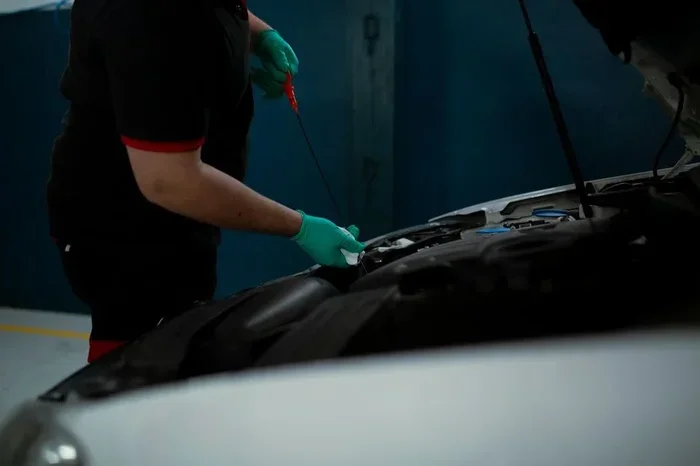
Before you grab any tools, start with a simple visual inspection. Walk around your Prius and look for anything unusual. Check the coolant check Prius reservoir level. The hybrid system uses special coolant to keep the battery and inverter from overheating. Low coolant can cause serious problems over time.
Also look under the car for any fluid leaks. Check the battery cables for corrosion. A corroded connection can interrupt the power flow between the HV battery and the rest of the system. Clean connections with a wire brush if you spot any greenish or white buildup.
Battery Voltage Testing
The battery voltage test is a critical part of any hybrid system check. You need a multimeter to test the HV battery voltage. A healthy Prius HV battery should read between 200 and 280 volts when the car is off. When the car is running, the voltage should be stable.
If your readings are significantly lower than expected, your hybrid battery health may be declining. This does not always mean you need a full battery replacement. Sometimes a single faulty cell is the culprit. A technician can test individual cells to pinpoint the exact problem.
| Check Type | DIY or Professional | Tools Needed | What It Reveals |
|---|---|---|---|
| OBD-II Scanner | DIY | OBD-II scanner | Diagnostic trouble codes and system errors |
| Visual Inspection | DIY | Flashlight, gloves | Leaks, corrosion, damaged wires |
| Battery Voltage Test | DIY | Multimeter | HV battery health and cell balance |
| Full Hybrid System Diagnostic | Professional | Specialized software | Complete system analysis and detailed fault codes |
Common Hybrid System Problems and Solutions
HV Battery Degradation
The HV battery is the most expensive component in your hybrid powertrain. Over time, battery cells can degrade and lose capacity. This is a normal part of the car’s lifespan. However, certain habits can speed up this process. For example, constantly running on battery power without allowing the gas engine to recharge the system can strain the battery.
If your hybrid battery health is declining, you have options. You can replace the entire battery pack, but that is costly. A more affordable alternative is to replace individual bad cells. Some shops specialize in this approach and it can extend your battery life by several more years.
Inverter and Power Split Device Issues
The inverter converts DC power from the battery into AC power for the electric motor. When the inverter fails, your Prius may lose electric-only driving capability. The power split device can also wear over time, causing a whining noise during acceleration.
An inverter check should be part of every routine Prius check hybrid system inspection. Technicians use specialized equipment to test the inverter’s output. If it is not performing within specifications, replacement or repair is necessary. Ignoring inverter problems can lead to a complete loss of hybrid functionality.
Quick Tip: Always let your Prius run for a few minutes after a long drive before turning it off. This allows the cooling system to bring down the temperature of the inverter and battery. It is a small habit that protects expensive components.
Maintenance Tips to Keep Your Hybrid System Healthy
Regular Service Intervals
Toyota recommends specific service intervals for the Prius hybrid system. These include checking the coolant, inspecting the battery cables, and testing the inverter at regular mileage milestones. Following the maintenance schedule in your owner’s manual is one of the best Prius maintenance tips you can follow.
Do not skip scheduled services just because your car seems fine. Many hybrid system problems develop slowly and silently. A routine inspection catches issues while they are still small and affordable to fix.
Quick Tips for Daily Care
- Monitor your fuel economy: A sudden drop is often the first sign of a hybrid system issue.
- Keep your battery cool: Park in shaded areas when possible to reduce battery strain.
- Check coolant levels monthly: Low coolant is a common cause of hybrid system warnings.
- Drive smoothly: Aggressive acceleration and hard braking put extra stress on the regenerative braking system and the transaxle.
- Reset the hybrid system: Sometimes a simple hybrid system reset clears minor errors and resets the system to normal operation.
Common Mistakes to Avoid: Many Prius owners make the mistake of ignoring early warning signs. Another common error is using the wrong type of coolant. Always use Toyota-spec hybrid coolant. Using generic coolant can damage the hybrid system components over time. Finally, do not attempt to open or disconnect the HV battery yourself. The high voltage is dangerous and can cause serious injury.
When to Seek Professional Help
While many aspects of a Prius check hybrid system can be done at home, some tasks require professional expertise. If your OBD-II scanner shows codes related to the inverter, transaxle, or HV battery control module, it is time to see a specialist. These are complex components that require specialized tools and training to diagnose and repair.
A professional hybrid vehicle inspection includes a full system scan, thermal imaging of the battery pack, and a test drive to evaluate performance. Technicians with Toyota hybrid training know exactly what to look for. They can also perform a hybrid system reset if needed after repairs are completed.
If you live in an area without a Toyota dealer nearby, look for independent shops that specialize in hybrid vehicles. Not all mechanics have the training or equipment to work on Toyota Prius hybrid systems safely. Always ask about their experience with hybrid diagnostics before booking an appointment.
Expert Insight: According to hybrid repair specialists, early detection is the single most important factor in reducing repair costs. A Prius check hybrid system performed every 10,000 to 15,000 miles can catch small issues before they turn into big expenses. Think of it as an insurance policy for your hybrid powertrain.
Conclusion
The Prius check hybrid system is not something to fear or ignore. It is a straightforward process that every Prius owner can learn. From reading dashboard warning lights to using an OBD-II scanner and testing battery voltage, you have more control over your vehicle than you might think. Regular maintenance, quick daily habits, and timely professional inspections all work together to keep your hybrid system running strong for years to come.
Your Toyota Prius is a remarkable machine. The hybrid powertrain delivers incredible fuel efficiency and smooth performance when everything is working as it should. By staying proactive with your hybrid system check routine, you protect that performance and avoid costly surprises. Take the time to understand your car, listen to what it tells you, and act quickly when something seems off. A well-maintained Prius will reward you with reliable, efficient driving for many miles ahead.
Frequently Asked Questions
How often should I perform a Prius check hybrid system?
A basic visual inspection should be done monthly. A full hybrid system check with an OBD-II scanner and battery voltage test is recommended every 10,000 to 15,000 miles. Following this schedule helps catch problems early before they become expensive repairs.
Can I drive my Prius if the hybrid system warning light is on?
You can usually drive a short distance, but it is not recommended. The warning light indicates a hybrid system malfunction that could worsen if ignored. Have your vehicle inspected as soon as possible to avoid being stranded or causing further damage to the hybrid powertrain.
How much does a hybrid system diagnostic cost?
A basic diagnostic using an OBD-II scanner Prius setup costs under $50 if you do it yourself. Professional diagnostics at a dealer or specialty shop typically range from $100 to $200. The cost depends on the complexity of the issue and the shop’s hourly labor rate.
What causes the HV battery to degrade faster in a Prius?
Several factors accelerate HV battery degradation. These include frequent deep discharges, exposure to extreme temperatures, and using the wrong coolant. Driving habits also matter. Constantly relying on electric power without allowing the gas engine to recharge the system puts extra strain on the battery cells.
Is a hybrid system reset safe to perform?
Yes, a hybrid system reset is safe and often clears minor error codes. It is similar to restarting a computer. However, a reset will not fix a serious hardware problem. If the warning light returns after a reset, there is an underlying issue that needs professional attention.
What is the difference between a check engine light and a hybrid system warning light?
The check engine light Prius can be triggered by many issues, including the hybrid system. The hybrid system warning light specifically indicates a problem with the electric motor, battery, or inverter. Both lights mean you should run a hybrid system check promptly, but the hybrid warning light points directly to the electrified components of your Toyota Prius hybrid.