Hyundai Tucson Engine Replacement Cost You Need to Know
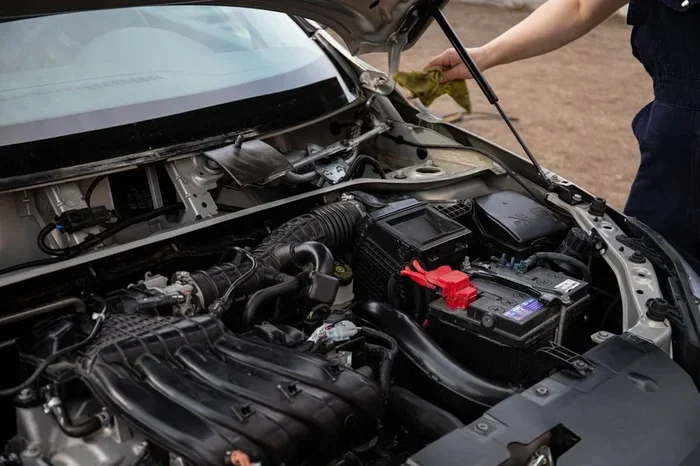
The Hyundai Tucson engine replacement cost typically ranges from $3,500 to $7,500, depending on the engine type, model year, and labor rates in your area. Replacing a Tucson engine is a major repair, but understanding the breakdown of parts and labor helps you budget and avoid surprises. This guide covers everything you need to know about Tucson engine replacement costs, including tips to save money and when to choose a new versus used engine.
Dealing with a blown engine in your Hyundai Tucson is stressful. You want answers fast, and you want to know what it will cost. The good news is that understanding the Hyundai Tucson engine replacement cost upfront helps you make smarter decisions. Whether you drive a Tucson SE, SEL, or Limited trim, the numbers below will give you a real picture of what to expect.
A Tucson engine replacement is not a small expense. It involves removing the old engine, installing a new or rebuilt unit, and reconnecting all the systems. But here is the thing many people miss: the final price depends heavily on the engine type, the shop you choose, and whether you go with a new, used, or remanufactured engine. Let us break it all down so you are not caught off guard.
Before we dive in, a quick tip: if you also happen to lose your only set of keys during this process, check out our Lost My Only Car Key Complete Replacement Guide for help getting back on the road. And remember, keeping a spare key safe during any major repair can save you time and money.
Key Takeaways
- Average Cost Range: Expect to pay between $3,500 and $7,500 for a full Hyundai Tucson engine replacement, including parts and labor.
- Engine Type Matters: The 1.6T turbo engine costs less to replace than the 2.5L naturally aspirated engine, and hybrid models fall somewhere in between.
- New vs Used vs Remanufactured: Choosing a remanufactured or used engine can cut costs by 30 to 50 percent compared to a brand-new unit.
- Labor Is the Big Expense: Labor alone can account for 40 to 60 percent of the total Hyundai Tucson engine replacement cost.
- Save Money Smartly: Getting multiple quotes, choosing a certified independent shop, and keeping spare keys safe can all reduce your expenses.
- Know When to Replace: Persistent oil leaks, frequent overheating, or a blown engine block are clear signs it is time for a full replacement rather than a repair.
📑 Table of Contents
- What Affects the Hyundai Tucson Engine Replacement Cost
- Tucson Engine Replacement Cost by Engine Type
- New vs Used vs Remanufactured Engines
- Labor Costs and What to Expect
- How to Save Money on Engine Replacement
- When to Replace vs Repair Your Tucson Engine
- Expert Insights on Tucson Engine Longevity
- Final Thoughts on Tucson Engine Replacement
What Affects the Hyundai Tucson Engine Replacement Cost
Not every Tucson engine replacement costs the same. Several factors push the price up or pull it down. Understanding these variables helps you estimate your total bill more accurately.
Engine Type and Size
The Tucson comes with different engine options depending on the model year. The 1.6T turbo four-cylinder is common in earlier models, while the 2.5L naturally aspirated engine appears in many 2021 and newer versions. The Tucson hybrid also has its own unique powertrain. Each engine has a different part number, different labor hours, and different part availability. The Tucson 2.5L engine cost to replace is generally higher than the 1.6T because the engine is larger and more complex.
Model Year and Trim Level
Older Tucsons from 2016 to 2020 may have cheaper parts available because they are more common on the used market. Newer models from 2021 to 2024 often have higher replacement costs because OEM parts are in higher demand. The Tucson SE, SEL, and SEL Plus trims all use similar engines, so the trim level does not change the engine price much. However, luxury trims may have additional sensors or components that add to labor time.
Where You Live
Labor rates vary wildly by location. A certified mechanic in a major city like Los Angeles or New York will charge more per hour than one in a smaller town. The Tucson engine labor cost in a rural area might be $90 per hour, while in a metro area it could jump to $150 or more. Always ask for a detailed quote that breaks down labor and parts separately.
Engine Condition and Mileage
If your current engine has high mileage, say over 150,000 miles, the labor to remove it may take longer. Rusted bolts, corroded connections, and worn mounts all add time to the job. This is why some shops charge more for high-mileage vehicles. On the flip side, a low-mileage Tucson with a sudden engine failure might cost less in labor since everything is in better condition.
Tucson Engine Replacement Cost by Engine Type
Here is a closer look at how the engine replacement price breaks down by the different Tucson engine options. These numbers are averages based on national data and can vary by region.
| Engine Type | Parts Cost | Labor Cost | Total Range |
|---|---|---|---|
| 1.6T Turbo (2016-2020) | $1,800 – $3,000 | $1,200 – $2,500 | $3,000 – $5,500 |
| 2.5L Naturally Aspirated (2021+) | $2,500 – $4,500 | $1,500 – $3,000 | $4,000 – $7,500 |
| Hybrid Powertrain (2022+) | $3,000 – $5,000 | $1,800 – $3,200 | $4,800 – $8,200 |
The Tucson 1.6T engine cost sits at the lower end because the engine is smaller and more widely available as a used unit. The hybrid system adds complexity and cost because it involves both an engine and an electric motor. The engine swap cost for the hybrid can also be higher due to the need to reprogram the powertrain control module.
Keep in mind that these numbers assume you are replacing the entire long block or short block engine. If the damage is limited to one component, such as a engine gasket replacement, the cost will be much lower. Always ask your mechanic to diagnose the exact problem before committing to a full replacement.
New vs Used vs Remanufactured Engines
One of the biggest decisions you will face is choosing between a new, used, or remanufactured engine. Each option has pros and cons that affect both price and reliability.
New OEM Engine
A brand-new OEM engine from the dealership is the most expensive option. However, it comes with a full engine warranty and the peace of mind that every part is fresh and factory-certified. The new engine price for a Tucson typically runs between $2,500 and $5,000 before labor. If you have a newer Tucson still under factory warranty, check with your dealer first. The warranty may cover the entire replacement at no cost to you.
Used Engine
A used engine replacement from a salvage yard or online seller can save you a lot of money. Used engines for the Tucson typically cost between $800 and $2,500. The risk is that you do not always know the full history of the engine. It may have hidden damage, high mileage, or internal wear that shows up weeks after installation. Always ask for the engine’s engine part numbers and verify they match your Tucson’s specifications.
Remanufactured Engine
A remanufactured engine is a used core that has been completely rebuilt to factory specifications. This is often the sweet spot between cost and quality. Remanufactured Tucson engines typically cost between $1,500 and $3,500. Many remanufactured engines come with a one-year warranty, and the labor is the same as for any other engine swap. Some shops even offer a lifetime warranty on the labor if you use their remanufactured unit.
Labor Costs and What to Expect
Labor makes up a big chunk of the Hyundai Tucson engine replacement cost. On average, expect to pay between $1,000 and $3,500 for labor alone. The exact number depends on how long the job takes and what your local shop charges per hour.
How Long Does the Job Take?
A full engine replacement on a Tucson typically takes between 8 and 15 hours. Simpler jobs with a 1.6T engine may take closer to 8 hours, while a hybrid powertrain swap can stretch to 15 hours or more. Factors that add time include:
- Rusted or seized engine bolts
- Additional component removal (exhaust, transmission crossmember)
- Need to reprogram the engine control module
- Transmission removal for easier engine access
Dealership vs Independent Shop
A dealership will charge more for labor but may offer the advantage of factory-trained technicians and access to Hyundai technical service bulletins. An independent certified mechanic with experience on the Tucson can often do the job for 30 to 50 percent less. The key is finding someone who has specifically worked on Tucson engine problems before. Ask for references and read reviews carefully.
During the replacement process, your mechanic should also inspect related components. This includes the Tucson powertrain mounts, the engine bay wiring harness, and the cooling system. Catching worn parts during the replacement saves you from a second job later.
How to Save Money on Engine Replacement
Nobody wants to overspend on a Tucson engine replacement. Here are practical ways to reduce your Hyundai Tucson repair cost without sacrificing quality.
Get Multiple Quotes
Always get at least three detailed quotes before committing. A good quote will break down the engine price, labor rate, and any additional fees. Compare apples to apples by asking each shop what type of engine they are offering (new, used, or remanufactured).
Consider a Rebuilt Engine
As mentioned above, a remanufactured engine can save you hundreds compared to a new OEM unit. The reliability is often excellent, and the warranty gives you protection. This is one of the best ways to lower your engine replacement price without taking on too much risk.
Ask About Core Charges
Some engine suppliers charge a core deposit that is refundable when you return your old engine. Make sure you understand this policy before purchasing. Returning the old engine promptly ensures you get your money back.
Keep Your Spare Key Safe
During a major repair like an engine replacement, your vehicle may be at the shop for several days. If you only have one set of keys, you could find yourself stranded. I always recommend keeping a spare key with you during any major repair. If you do lose access to your vehicle during the process, our guide on how to replace a lost car key can help you get back on the road quickly and affordably. Having a spare key also prevents locksmith fees that can add $100 or more to an already expensive repair.
Check for Recalls and Technical Service Bulletins
Hyundai occasionally issues recalls or TSBs that cover engine-related issues. Check with your dealer using your VIN to see if any apply to your Tucson. A recall or TSB could mean the repair is covered entirely by Hyundai.
When to Replace vs Repair Your Tucson Engine
Sometimes a full engine replacement is not the only option. Understanding when to repair and when to replace can save you thousands of dollars.
Signs You Need a Full Replacement
Not every engine problem requires a full swap. But certain symptoms point clearly to a replacement:
- Catastrophic internal damage: A thrown rod, cracked engine block, or severe piston damage means the engine cannot be repaired economically.
- Chronic oil consumption: If your Tucson burns through oil every 1,000 miles and the repair shop confirms ring or bore damage, replacement is often the most practical choice.
- Repeated overheating: A head gasket failure that keeps coming back suggests deeper engine damage that a simple gasket job will not fix.
- Metal shavings in the oil: This indicates internal wear that affects the engine’s core components. No amount of gasket work will solve this.
Repairs That Make Sense
On the other hand, some Tucson engine problems are better addressed with targeted repairs:
- Timing chain replacement: If the chain is stretched but the rest of the engine is healthy, a timing chain job costs much less than a full replacement.
- Water pump or thermostat failure: These are common wear items that do not require engine removal.
- Oil leak repairs: Valve cover gasket or oil pan gasket leaks can often be fixed without pulling the engine.
- Sensor failures: A faulty oxygen sensor or mass airflow sensor does not mean the engine needs replacing.
The bottom line is that you should always get a thorough diagnosis before agreeing to a full engine replacement cost estimate. A good mechanic will explain exactly what is wrong and why a replacement is or is not necessary.
Expert Insights on Tucson Engine Longevity
Many Tucson owners ask me how to avoid a costly engine replacement in the first place. The answer comes down to regular maintenance and early intervention.
Keeping up with Tucson maintenance schedules is the single best thing you can do. This means changing the oil every 5,000 to 7,500 miles with the correct viscosity grade, replacing the coolant on schedule, and addressing any warning lights immediately. The Tucson powertrain is generally reliable, but it does not forgive neglect.
One expert insight I always share: pay attention to your temperature gauge. Overheating is the number one killer of engines. If your Tucson runs hot, pull over and address it immediately. A few minutes of overheating can cause catastrophic damage that leads to a full engine replacement.
Another tip is to listen to your engine. Unusual knocking, ticking, or grinding sounds are early warning signs. Catching these problems early often means the difference between a $500 repair and a $5,000 replacement. Do not ignore strange noises, no matter how minor they seem.
The engine replacement timeline also matters. If you plan to keep your Tucson for many years, investing in a quality replacement engine now can extend the vehicle’s life by another 100,000 miles or more. But if your Tucson already has high mileage and other issues, it might be worth considering whether the replacement cost makes financial sense compared to a newer vehicle.
Final Thoughts on Tucson Engine Replacement
The Hyundai Tucson engine replacement cost is a significant expense, but it does not have to be overwhelming. With the right information, you can make a confident decision about your Tucson’s repair. Remember that the engine replacement price varies based on engine type, engine condition, and the shop you choose. Whether you opt for a new OEM engine, a used unit, or a remanufactured replacement, the key is to work with a trusted certified mechanic who gives you a transparent, detailed quote.
Take your time getting quotes. Ask questions. Understand what is included in each estimate. And do not forget the small things, like keeping your spare keys safe during the repair process. A little planning goes a long way toward keeping your Tucson engine replacement cost as low as possible while ensuring a quality repair that lasts.
Your Tucson is a capable and reliable SUV. With the right engine and proper care, it can keep serving you well for years to come. Use the information in this guide to have informed conversations with your mechanic and make the best decision for your budget and your vehicle. And if you ever find yourself locked out after a repair, remember that our complete car key replacement guide is always here to help you navigate the process quickly and affordably.
Frequently Asked Questions
What is the average Hyundai Tucson engine replacement cost?
The average Hyundai Tucson engine replacement cost ranges from $3,500 to $7,500. The exact price depends on the engine type, model year, and labor rates in your area. A 1.6T turbo engine replacement typically costs less than a 2.5L or hybrid powertrain swap.
Can I use a used engine for my Tucson replacement?
Yes, a used engine replacement is a viable option that can save you hundreds of dollars. Used engines typically cost between $800 and $2,500. However, always verify the engine’s history, mileage, and engine part numbers to ensure compatibility with your specific Tucson model.
How long does a Tucson engine replacement take?
A full engine replacement on a Hyundai Tucson typically takes between 8 and 15 hours. The engine replacement timeline depends on the engine type, the condition of the mounting points, and whether the transmission needs to be removed. Simpler jobs with the 1.6T engine tend to be on the faster end.
Is it worth replacing the engine on a high-mileage Tucson?
It depends on the overall condition of the vehicle. If your Tucson has other major issues like transmission problems or body rust, a new engine may not be the best investment. But if the rest of the vehicle is in good shape, a quality engine replacement can add 100,000 miles or more of reliable driving.
What are common Tucson engine problems that lead to replacement?
The most common Tucson engine problems include oil consumption, timing chain wear, head gasket failure, and overheating damage. Regular maintenance and addressing warning signs early can often prevent the need for a full replacement. If you notice unusual noises, excessive oil usage, or overheating, have your Tucson inspected right away.
Does a remanufactured engine come with a warranty?
Many remanufactured engines come with a one-year warranty, and some shops offer longer coverage. The engine warranty on a remanufactured unit is often better than what you get with a used engine. Always ask about warranty terms before purchasing any replacement engine for your Tucson.