No Oil Pressure In Your Car Heres What You Should Know
No oil pressure is one of the most dangerous conditions your car can face. When your engine loses oil pressure, it stops lubricating properly, and serious damage can happen in minutes. In this guide, we walk you through the causes, symptoms, and fixes so you can protect your engine and avoid costly repairs.
You are driving down the road, and suddenly a red light pops up on your dashboard. It says “oil pressure” or shows an oil can symbol. Your heart drops. What does it mean? Is your engine about to fail? No oil pressure is one of the most serious warnings your car can give you. It means your engine is not getting the lubrication it needs to run safely. In this article, we will break down everything you need to know about no oil pressure in your car. We will cover the causes, symptoms, fixes, and how to prevent it from happening again.
Understanding low oil pressure can save you thousands of dollars in engine repairs. It can also keep you safe on the road. Whether you are a seasoned driver or a complete beginner, this guide will give you the knowledge you need. Let us dive in and talk about what happens when your car loses oil pressure.
Key Takeaways
- Low or zero oil pressure can destroy your engine: Ignoring this issue leads to seized pistons and catastrophic failure.
- Common causes include low oil levels, a failing oil pump, and clogged filters: These are all fixable if caught early.
- The oil pressure warning light is your first alert: Never ignore it, even if the car seems to run fine.
- Regular oil changes prevent most pressure problems: Staying on top of maintenance keeps your engine healthy.
- DIY diagnosis is possible with basic tools: A simple oil pressure gauge can save you hundreds in mechanic bills.
- Driving with no oil pressure is never safe: Pull over immediately and turn off the engine.
📑 Table of Contents
- What Is Oil Pressure and Why Does It Matter?
- What Causes No Oil Pressure?
- Warning Signs Your Oil Pressure Is Dropping
- How to Diagnose Low Oil Pressure
- How to Fix No Oil Pressure
- How to Prevent Oil Pressure Problems
- Can You Drive With No Oil Pressure?
- Expert Insights on Oil Pressure Maintenance
- Key Takeaways
- Conclusion
What Is Oil Pressure and Why Does It Matter?
Your car’s engine has hundreds of moving parts. These parts spin, slide, and collide at high speeds. Without proper lubrication, metal would grind against metal. That sounds terrible, and it is. Oil pressure is the force that pushes engine oil through passages inside your engine. This oil reaches every bearing, piston, and camshaft. It reduces friction and keeps temperatures under control.
Think of oil pressure like blood pressure in your body. If your blood pressure drops too low, your organs do not get what they need. The same thing happens with your engine. When oil pressure drops, critical components start to overheat. Within minutes, this can cause permanent damage.
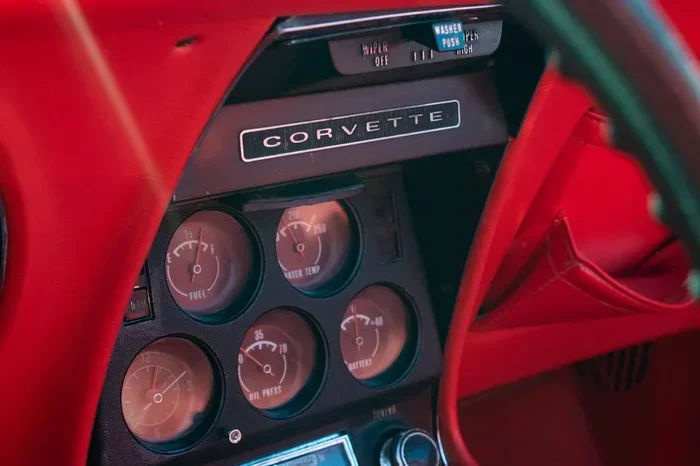
Most cars have an oil pressure gauge or a warning light on the dashboard. This tool tells you whether your engine is getting enough oil flow. A healthy oil pressure reading usually sits between 20 and 65 PSI, depending on your vehicle. If the reading drops to zero or near zero, you have a serious problem.
What Causes No Oil Pressure?
There are many reasons your car might lose oil pressure. Some causes are simple and cheap to fix. Others are more serious and expensive. Let us look at the most common culprits.
1. Low Oil Level
This is the number one cause of low oil pressure. If your engine does not have enough oil, the pump cannot create proper pressure. Oil levels drop over time through normal use. But they can also drop fast if you have an oil leak under your car. Always check your dipstick before you drive. If the level is low, top it off with the right engine oil type for your vehicle.
Regular oil changes help prevent this problem. If you are unsure how to do it yourself, check out our guide on how to change oil in car for step-by-step instructions. Staying on top of your oil change interval keeps your levels where they should be.
2. Faulty Oil Pump
The oil pump is the heart of your engine’s lubrication system. It pushes oil through the passages under pressure. If the pump fails, oil cannot circulate. This causes a complete loss of oil pressure. Oil pumps can fail due to wear and tear, lack of maintenance, or contaminated oil. A bad oil pump usually needs to be replaced by a professional mechanic.
3. Clogged Oil Filter
Your oil filter catches dirt and metal particles as oil flows through the engine. Over time, it gets clogged. A clogged filter restricts oil flow and can cause low oil pressure. Replacing your filter at every oil change is a simple habit that prevents this issue. Most filters are inexpensive and easy to swap out.
4. Worn Engine Bearings
Engine bearings support the crankshaft and allow it to spin smoothly. Over time, these bearings wear down. When they wear too much, the clearances between parts get bigger. Oil escapes through these gaps, and oil pressure drops. Worn bearings often happen in high-mileage vehicles that have not had regular maintenance. This is a more serious fix that may require a full engine rebuild.
5. Bad Oil Pressure Sensor or Switch
Sometimes the problem is not with the oil itself. It is with the sensor that measures it. The oil pressure sensor or switch sends information to your dashboard. If this sensor fails, it may give you a false reading. You might have normal oil pressure but still see the warning light. Testing the sensor with a manual oil pressure gauge can confirm whether the sensor is the real issue.
6. Incorrect Oil Viscosity
Oil viscosity refers to how thick or thin your oil is. If you use oil that is too thin for your engine, it may not maintain proper pressure. On the other hand, oil that is too thick may not flow correctly in cold weather. Always use the oil viscosity grade recommended by your car manufacturer. You can find this information in your owner’s manual.
7. Oil Pressure Relief Valve Malfunction
Your engine has a oil pressure relief valve that regulates how much pressure builds up. If this valve gets stuck open, oil bypasses the system too early. This results in low oil pressure even when everything else looks fine. A stuck valve is a less common cause but still worth checking if other issues have been ruled out.
Warning Signs Your Oil Pressure Is Dropping
Catching no oil pressure early can save your engine. Here are the warning signs you should never ignore.
- Oil pressure warning light: This is the most obvious sign. A red or yellow light shaped like an oil can will appear on your dashboard.
- Clunking or knocking noises: If your engine starts making loud metallic sounds, the bearings may be starving for oil.
- Decreased engine performance: Your car may feel sluggish or lose power when oil pressure drops.
- Overheating engine: Without proper lubrication, friction builds heat fast. Watch your temperature gauge closely.
- Oil leaks under the car: Puddles of oil underneath signal a loss of fluid and potential pressure problems.
- Burning oil smell: Oil dripping onto hot engine parts creates a distinct smell you will notice right away.
If you notice any of these signs, pull over safely and turn off the engine. Continuing to drive with no oil pressure will cause irreversible damage.
How to Diagnose Low Oil Pressure
Diagnosing low oil pressure does not have to be complicated. With the right tools and a little patience, you can narrow down the cause yourself. Here is a simple step-by-step process.
- Check the oil level first. Pull the dipstick and look at the oil. If it is low, add more and see if the pressure comes back.
- Inspect for leaks. Look under your car for fresh oil spots. Check around the oil pan, oil filter, and oil pan gasket.
- Look at the oil condition. If your oil is dark, gritty, or smells burnt, it may be time for an oil change. Old oil loses its ability to maintain pressure.
- Test with an oil pressure gauge. You can buy a basic gauge for under $20. Remove the oil pressure sensor and screw in the gauge. Start the engine and read the pressure. Compare it to your vehicle’s specifications.
- Check the oil pressure sensor. If your gauge shows normal pressure but the warning light stays on, the sensor may be faulty.
- Listen for unusual noises. Turn the engine off and listen carefully. Tapping or knocking sounds often point to bearing wear or oil delivery problems.
Following these steps gives you a clear picture of what is going on. If you are not comfortable doing this yourself, take your car to a trusted mechanic. A professional can run a full oil pressure test and pinpoint the issue quickly.
How to Fix No Oil Pressure
The fix depends entirely on what is causing the problem. Here are the most common solutions.
| Cause | Fix | Estimated Cost |
|---|---|---|
| Low oil level | Add oil or repair leak | $20 – $100 |
| Clogged oil filter | Replace oil filter | $15 – $50 |
| Faulty oil pressure sensor | Replace sensor | $50 – $150 |
| Bad oil pump | Replace oil pump | $300 – $1,000 |
| Worn engine bearings | Engine rebuild or replacement | $1,500 – $4,000+ |
| Incorrect oil viscosity | Drain and refill with correct oil | $40 – $100 |
The cheapest fix is adding oil or replacing a filter. The most expensive is a worn bearing or failed oil pump that has caused internal damage. This is exactly why early detection matters so much. The sooner you address no oil pressure, the less it will cost you.
How to Prevent Oil Pressure Problems
Prevention is always better than repair. Here are simple habits that keep your oil pressure healthy.
- Check your oil level every two weeks. It takes less than two minutes and can catch problems early.
- Stick to your oil change schedule. Do not stretch the oil change interval past the recommended mileage or time.
- Use the right oil. Always match the oil viscosity grade your manufacturer recommends.
- Replace your oil filter every oil change. A clean filter keeps oil flowing freely.
- Watch for leaks. Check under your car regularly for any signs of oil drips or puddles.
- Do not ignore warning lights. The moment your oil pressure light comes on, take action immediately.
- Get regular engine inspections. A mechanic can spot potential issues before they become expensive repairs.
If you want to take your maintenance to the next level, learning how to handle your own oil changes is a great skill. Visit our page on how to change oil in car to get started. Taking care of your engine oil system at home saves money and builds confidence.
Can You Drive With No Oil Pressure?
The short answer is no. Driving with no oil pressure is like running a marathon without water. Your engine will overheat, parts will grind together, and eventually, the engine will seize. Even driving for a few minutes with zero pressure can cause permanent damage to internal components.
If your oil pressure warning light comes on while driving, here is what you should do:
- Turn on your hazard lights and pull over safely.
- Turn off the engine immediately.
- Do not attempt to restart the car.
- Check the oil level with the dipstick.
- Call a tow truck or roadside assistance if needed.
Do not try to “make it home” or push through the drive. The risk is simply not worth it. A tow truck costs a fraction of what a new engine costs.
Expert Insights on Oil Pressure Maintenance
Experienced mechanics agree that most oil pressure problems come down to neglect. Skipping oil changes, ignoring leaks, and putting off inspections are the top reasons drivers end up with serious engine damage. One mechanic we spoke with put it simply: “Your engine oil is the lifeblood of your car. Keep it clean, keep it full, and your engine will reward you with years of reliable service.”
Another common insight from professionals is to pay attention to your oil pressure gauge even when the warning light is off. Some vehicles do not have a gauge but rely solely on a binary warning light. If your car has a gauge, get familiar with what normal readings look like for your specific model. Any sudden drop is a red flag worth investigating.
Using synthetic oil can also help maintain more consistent oil pressure over time. Synthetic oils resist breakdown better than conventional oils, meaning they maintain their viscosity longer. This can extend the time between oil changes while still protecting your engine. However, always check your owner’s manual before switching to synthetic, as some older engines are not designed for it.
Key Takeaways
- No oil pressure is a serious engine emergency: It can cause catastrophic damage within minutes of driving.
- Low oil level is the most common cause: Regular checks and timely top-offs prevent most pressure issues.
- The oil pressure warning light demands immediate action: Pull over and turn off the engine the moment it appears.
- Multiple components affect oil pressure: From the oil pump to the filter to the sensor, many parts play a role.
- Prevention through regular maintenance is the best strategy: Stay current with oil changes and inspections.
- Never ignore unusual engine sounds or smells: These are early warning signs of lubrication problems.
- When in doubt, call a professional: A quick diagnostic test can save you from a much bigger repair bill.
Conclusion
No oil pressure in your car is not something to take lightly. It is a clear signal that your engine is not getting the lubrication it needs to function safely. Whether the cause is a simple low oil level or a failing oil pump, the key is to act fast. The faster you diagnose and address the problem, the better your chances of avoiding a complete engine failure.
Remember to check your oil regularly, follow your oil change interval, and never ignore warning lights on your dashboard. These small habits add up to a long, healthy life for your engine. Your car depends on you to take care of it. Give it the attention it deserves, and it will keep running strong for miles to come.
Stay proactive about your car’s health. Learn the signs, understand the causes, and do not wait until something goes wrong. Share this guide with a friend who might need it, and keep our site bookmarked for more helpful car care tips.
Frequently Asked Questions
What happens if you drive with no oil pressure?
Driving with no oil pressure will cause your engine to overheat and seize within minutes. The moving parts inside the engine grind against each other without lubrication, leading to catastrophic and often irreversible damage. Always pull over and turn off the engine if you lose oil pressure.
How much does it cost to fix no oil pressure?
The cost depends entirely on the cause. Simple fixes like adding oil or replacing a filter cost under $100. More serious repairs like replacing an oil pump or rebuilding an engine can cost anywhere from $500 to $4,000 or more. Early detection keeps costs down significantly.
Can a bad oil pressure sensor cause the warning light to come on?
Yes, a faulty oil pressure sensor can trigger the warning light even when your actual oil pressure is normal. If you suspect the sensor, have a mechanic test your pressure with a manual gauge to confirm whether the sensor is the real issue or if there is an actual pressure problem.
How often should I check my oil level?
You should check your oil level at least once a month and before any long trips. Checking it every two weeks is even better, especially for older vehicles or those with known oil consumption issues. A quick dipstick check takes less than two minutes.
Does synthetic oil help maintain better oil pressure?
Synthetic oil resists breakdown better than conventional oil, which means it maintains its viscosity and oil pressure more consistently over time. However, always check your owner’s manual before switching to synthetic oil, as some engines require specific formulations.
What oil viscosity should I use for the best oil pressure?
Always use the oil viscosity grade recommended by your car manufacturer, which you can find in the owner’s manual. Using the wrong grade can lead to low oil pressure or poor engine performance, especially in extreme temperatures.