How a Car Wash Oil Separator Keeps Your Business Running
A car wash oil separator is essential equipment that removes oil and contaminants from wastewater, keeping your operations running smoothly. It helps you stay compliant with environmental regulations, reduces waste disposal costs, and protects local water systems. This guide covers everything you need to know about choosing, installing, and maintaining the right separator for your car wash business.
Running a car wash means dealing with a lot of water. And where there is water, there is oil, grease, and grime. These contaminants go down the drain every single day. Without proper treatment, they cause serious environmental damage.
This is where a car wash oil separator comes in. It is a device that pulls oil and hydrocarbons out of wastewater before it leaves your facility. Think of it as a filter that catches the bad stuff and lets clean water pass through.
If you own or operate a car wash, you need to understand how these systems work. They are not just nice-to-have equipment. In many areas, they are legally required. More importantly, they protect your bottom line and the environment.
## Why Every Car Wash Needs an Oil Separator
### The Problem With Oily Wastewater
When cars roll through your wash bay, they bring oil, grease, and fuel residue with them. Brake dust, road grime, and engine leaks all end up in the wash water. This creates a contaminated mixture that cannot go straight into the sewer system.
Oily wastewater is a serious pollutant. It harms aquatic life and contaminates drinking water sources. Without a proper oil water separator, your car wash could be discharging harmful substances directly into local waterways.
### Legal Requirements and Environmental Compliance
Most local and federal regulations require car wash businesses to treat their wastewater. The rules vary by location, but the message is clear. You must remove oil and grease before discharging water.
Fines for non-compliance can be steep. Some areas impose heavy penalties for illegal discharge. Beyond fines, your business could face shutdowns or legal action. An oil separator helps you stay on the right side of the law every single day.
### Protecting Local Water Systems
When oil enters rivers, streams, or groundwater, the damage is long-lasting. It coats aquatic habitats and suffocates wildlife. A car wash oil separator acts as a barrier between your business and the environment.
Even small amounts of oil can cause big problems. A single gallon of oil can contaminate a million gallons of water. Your separator catches these contaminants and keeps them out of the ecosystem.
## How a Car Wash Oil Separator Works
### The Basic Separation Process
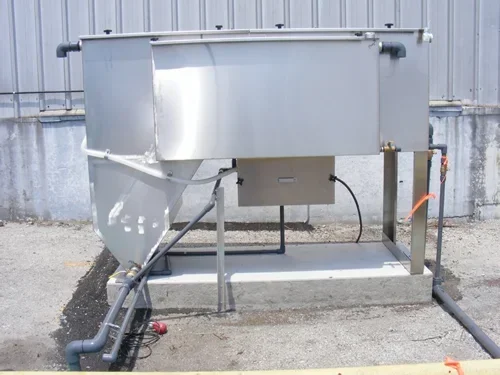
The science behind oil separation is straightforward. Oil is lighter than water, so it floats to the top. A separator tank holds the wastewater long enough for this natural process to happen. The oil rises and collects in a catch area while clean water sinks and exits through the bottom.
This gravity-based method works well for most car wash applications. Some systems add filters or baffles to improve the separation. The result is water that is much cleaner before it leaves the facility.
### Types of Oil Separators for Car Washes
Not all separators are the same. Different businesses need different solutions based on their setup and volume.
Gravity Separators
Gravity separators are the most common type. They use the natural difference in density between oil and water. These units are simple, reliable, and affordable. They work great for small to medium car wash operations.
Coalescing Plate Separators
Coalescing separators use special plates to speed up the oil separation process. Oil droplets cling to the plates and merge into larger globs. These larger globs float up faster than they would naturally. This type is more efficient and takes up less space.
Hydrocyclone Separators
Hydrocyclone systems use centrifugal force to separate oil from water. The wastewater spins rapidly inside a chamber. The heavier water moves outward while the lighter oil collects at the center. These units offer excellent separation efficiency for high-volume operations.
### What Happens to the Collected Oil?
Once the oil is separated, it needs to be disposed of properly. Most separators have a drain valve or pump system for removing collected oil. This oil can often be recycled or sent to a licensed waste handler.
Some businesses even recover the oil and sell it back to recycling companies. This turns a waste product into a small revenue stream. It also reduces your overall waste disposal costs.
## Benefits of Using a Car Wash Oil Separator
### Cost Savings Over Time
Installing a separator pays for itself. You save money on waste disposal fees because treated water is cheaper to dispose of. Some car washes even reuse their treated water, cutting water bills significantly.
Avoiding fines is another major cost saver. One violation can cost thousands of dollars. A separator protects you from those expenses year after year.
### Improved Business Efficiency
A well-designed car wash oil separator keeps your water recycling system running smoothly. When oil builds up in your recycling tanks, it reduces the quality of wash water. Dirty water means spots on cars and unhappy customers.
By removing oil upfront, you improve the overall quality of your wash. Customers notice cleaner, shinier cars. That leads to repeat business and better reviews.
### Reducing Maintenance Headaches
Oil buildup causes problems throughout your car wash system. It clogs pipes, coats pumps, and reduces the life of your equipment. A separator catches oil before it can cause these issues.
Less oil in your system means fewer maintenance calls. Your pumps and filters last longer. You spend less on repairs and replacements over time.
### Building a Positive Brand Image
Customers care about the environment. They want to support businesses that share their values. Having an oil separator shows that your car wash takes environmental responsibility seriously.
You can promote this in your marketing. Signs at your facility, social media posts, and website mentions all highlight your commitment. It is a great way to stand out from competitors.
## Choosing the Right Oil Separator for Your Car Wash
### Factors to Consider
Selecting the right separator depends on several factors. Think about your daily water volume, the types of vehicles you wash, and your available space.
Flow Rate and Capacity
Match the separator to your water flow rate. A unit that is too small will not handle your volume. One that is too large wastes money and space. Check your peak flow rate and choose accordingly.
Space and Installation
Some separators fit underground while others sit above ground. Underground units save space but cost more to install. Above-ground units are easier to access for maintenance but take up floor area.
Maintenance Requirements
Look for a unit that is easy to clean and service. Some separators need frequent skimming of collected oil. Others have automated systems that reduce manual work. Choose what fits your staff and budget.
### Quick Tips for Selection
- Check local regulations before purchasing. Some areas specify which separator types are approved.
- Get quotes from multiple suppliers to compare pricing and features.
- Consider future growth. Choose a unit that can handle increased volume if your business expands.
- Ask about warranty and after-sales support from the manufacturer.
- Look for units with simple maintenance access points.
## Maintaining Your Oil Separator for Peak Performance
### Regular Inspection Schedule
A separator works best when you check it regularly. Inspect the unit at least once a month. Look for signs of oil buildup, leaks, or blockages. Catching problems early prevents bigger issues down the road.
Check the discharge water quality too. If you notice oil or grease in the outflow, the separator needs attention. This could mean the unit is full or the internal components need cleaning.
### Cleaning and Skimming Best Practices
Remove collected oil and sludge on a regular basis. The frequency depends on your volume and separator type. Most units need cleaning every one to three months.
Use proper containment when removing waste. The collected oil is still a hazardous material. Store it in approved containers and hand it over to a licensed disposal service.
### Common Mistakes to Avoid
Ignoring Maintenance
Skipping regular maintenance is the fastest way to ruin a separator. Built-up oil reduces separation efficiency. Eventually, the unit fails completely and contaminated water flows through.
Overloading the System
Running more water than the separator can handle defeats the purpose. If your wash volume increases, upgrade your equipment. Do not try to push a small unit past its limits.
Using the Wrong Chemicals
Some car wash chemicals can interfere with the separation process. Avoid detergents that break oil into tiny droplets that are hard to separate. Stick with products that are compatible with your separator system.
## The Connection Between Oil Separation and Water Recycling
### How They Work Together
Many car washes recycle their wash water to save money and conserve resources. An oil separator is a critical first step in this process. It removes contaminants before the water enters the recycling tank.
Without a separator, oil and grease accumulate in the recycling system. This fouls filters, reduces water quality, and increases maintenance costs. The separator protects the entire recycling setup.
### When What Makes a Car Mix Water With Oil Matters for Your Business
Understanding how oil and water mix in the first place helps you choose the right separator. When cars enter your wash bay, engine heat and agitation cause oil to emulsify with water. This makes separation more challenging.
Good separators are designed to handle emulsified oil. They break the mixture apart and recover the oil efficiently. This knowledge helps you select a unit that matches your specific conditions.
### Preventing Long-Term Car Water Body Damage And Oil Water Mixing Issues
Oil and water mixing is not just a car wash problem. It is an environmental concern that affects entire ecosystems. By installing a separator, you prevent your business from contributing to this problem.
Long-term exposure to oily wastewater damages waterways and wildlife habitats. Your separator is the first line of defense against these impacts. It is an investment in environmental protection and community health.
## Conclusion
A car wash oil separator is more than just equipment. It is a smart business decision and an environmental responsibility. It protects you from fines, saves money on operating costs, and keeps your wash water clean.
Whether you run a small hand wash or a high-volume automatic tunnel, there is a separator that fits your needs. The key is to choose the right type, install it properly, and maintain it regularly.
Take the time to evaluate your current setup. If you do not have a separator in place, now is the time to add one. Your business, your customers, and the environment will all benefit. Start protecting your operations today with the right oil separation system.
Key Takeaways
- Protects Your Business: A car wash oil separator prevents costly fines and keeps your operations legal by treating oily wastewater before discharge.
- Saves Money Long-Term: Recovering oil and reducing waste disposal costs pays for the equipment over time.
- Multiple Types Available: From gravity separators to coalescing units, there is a solution for every car wash setup.
- Low Maintenance: With a simple upkeep routine, separators run efficiently for years without major issues.
- Environmental Impact: Using a separator shows your commitment to protecting local waterways and ecosystems.
- Easy Installation: Most systems integrate directly into existing car wash water recycling setups.
- Regulatory Compliance: Meeting local and federal wastewater standards is much simpler with the right separator in place.
Frequently Asked Questions
What is a car wash oil separator and why do I need one?
A car wash oil separator removes oil, grease, and hydrocarbons from your wash water before it enters the sewer system. You need one to comply with environmental regulations and avoid costly fines for illegal discharge.
How often should I clean my oil separator?
Most separators need cleaning every one to three months depending on your wash volume. Check the unit monthly and clean it when you notice oil or sludge buildup in the collection area.
Can a car wash oil separator handle emulsified oil?
Yes, many modern separators are designed to handle emulsified oil. Coalescing plate and hydrocyclone separators are especially effective at breaking emulsions and recovering oil from water.
Is an oil separator expensive to install?
The cost varies based on type and capacity. Gravity separators are the most affordable option. While the upfront cost may seem high, the savings on waste disposal and avoided fines pay for the system over time.
Can I reuse the water after it passes through the separator?
Yes, in many cases the treated water can be recycled for your wash operations. This reduces water consumption and lowers utility bills. Additional filtration may be needed depending on your water quality requirements.
What happens if my oil separator fails?
A failed separator allows contaminated water to discharge untreated. This can result in environmental violations, fines, and damage to local waterways. Regular maintenance greatly reduces the risk of failure and extends the life of the unit.