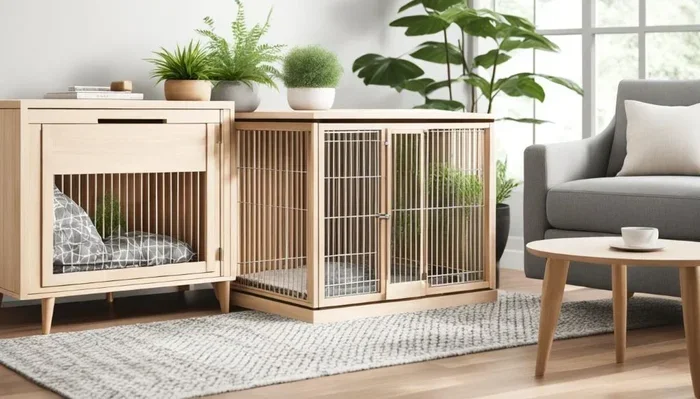
Living In a Crate Tips Benefits and Things to Know About
Living in a crate is a unique lifestyle choice that combines minimalism, portability, and simplicity. This guide covers the top benefits, practical setup tips, and important things to know before you commit to crate living. Whether you are exploring small space living or a minimalist lifestyle, this article has everything you need.
Living in a crate might sound unusual at first. But more and more people are discovering the real advantages of this lifestyle. Whether you are a minimalist at heart, an adventurer, or someone looking to downsize, crate living offers a unique path. This guide walks you through everything you need to know about living in a crate. From setup tips to the surprising benefits, we cover it all.
The idea of crate living is not as strange as it sounds. People around the world choose this lifestyle for many reasons. Some want to reduce their environmental footprint. Others seek financial freedom. And some simply love the simplicity of it all. Whatever your reason, understanding the basics of crate living is the first step.
So what does it actually mean to live in a crate? It means using a crate or a similarly sized enclosed space as your primary living area. This could be a wooden crate, a plastic storage container, or a specially built crate unit. The key is that the space is small, defined, and purposeful. Living in a crate forces you to prioritize what truly matters. You keep only what you need, and you let go of the rest.
Many people who try crate living find that it changes their relationship with possessions. You stop buying things you do not need. You start valuing experiences over stuff. This shift in mindset is one of the biggest rewards of the lifestyle.
Key Takeaways
- Simplicity and Freedom: Living in a crate reduces clutter and simplifies your daily routine.
- Cost-Effective: Crate living can save you significant money on housing and supplies.
- Portability: Many crate setups are portable, making it easy to move whenever needed.
- Safety and Comfort: Proper crate design ensures a safe and cozy environment year-round.
- Space-Saving: Crate living embraces compact living and smart organization solutions.
📑 Table of Contents
Benefits of Living In a Crate
Living in a crate comes with a surprising number of advantages. Let us explore the key benefits that make this lifestyle appealing to so many people.
Simplicity and Mental Clarity
One of the biggest benefits of crate living is the simplicity it brings. When your space is small, there is less to clean, less to organize, and less to worry about. This creates a sense of mental clarity that many people crave in their busy lives. You wake up each day in a neat, manageable space. There are no distractions from clutter or excess belongings.
Minimalist lifestyle enthusiasts often gravitate toward crate living because it naturally limits what you can own. This limitation becomes a freeing force. You spend less time maintaining things and more time enjoying life.
Significant Cost Savings
Let us talk about money. Living in a crate can dramatically reduce your housing costs. Traditional rent or mortgage payments take a huge chunk out of most people’s budgets. With crate living, your expenses drop significantly. You spend less on utilities because the space is so small. You buy fewer furnishings and household items. Over time, these savings add up to real financial freedom.
Here are some ways crate living saves you money:
- Lower rent or no rent at all if you build your own crate
- Reduced utility bills for electricity, water, and heating
- Fewer purchases of furniture and household goods
- Less spending on entertainment and subscriptions
Portability and Flexibility
Many crate setups are lightweight and portable. This means you can take your home with you wherever you go. If you love travel or need to relocate for work, crate living offers unmatched flexibility. Some people use crates as temporary shelters during outdoor adventures. Others set them up on family properties or in backyard studios.
The portability factor also means you are not tied to a long-term lease or mortgage. You can move your crate to a new location relatively easily. This is a huge advantage for people who value freedom and flexibility.
Environmental Benefits
Choosing a minimalist lifestyle like crate living has real environmental benefits. A smaller living space means less energy consumption. You use less electricity for lighting and climate control. You generate less waste because you buy fewer things. Many crate dwellers also adopt sustainable habits like composting and rainwater collection.
Living small is one of the most effective ways to reduce your personal footprint. Compact living in a crate aligns well with eco-conscious values.
How to Set Up Your Crate for Comfortable Living
Setting up a livable crate takes some planning. But with the right approach, you can create a cozy and functional space. Here are the essential steps to get started.
Choose the Right Crate
The first step is selecting the right crate for your needs. Not all crates are created equal. You want something sturdy, well-ventilated, and the right size for your lifestyle. Wooden crates offer a classic look and good insulation. Plastic crates are lightweight and easy to move. Some people even repurpose large shipping containers as their crate living space.
Consider these factors when choosing your crate:
- Size: Make sure it is big enough to stand or sit comfortably
- Material: Wood, plastic, or metal — each has pros and cons
- Ventilation: Proper airflow is essential for comfort and safety
- Portability: If you plan to move it often, choose a lighter option
Essential Furnishings for Crate Living
You do not need much to make a crate livable. The beauty of crate living is that less really is more. Here are the essentials:
- A comfortable sleeping pad or small mattress
- A small folding table for eating and working
- Storage bins or shelves for your belongings
- A good light source like a LED lamp
- A portable heater or fan depending on your climate
Keep in mind that space-saving solutions are your best friends. Wall-mounted shelves, collapsible furniture, and multi-purpose items work wonders in a small crate. Every inch of space matters when you are living in a crate.
Insulation and Climate Control
Depending on where you live, temperature control can be a big deal. In cold climates, you want to insulate your crate well. Foam panels, blankets, or even bubble wrap can help retain heat. In hot climates, ventilation becomes the priority. Make sure air can flow through the crate to prevent it from becoming too warm.
Proper insulation not only keeps you comfortable but also reduces energy costs. A well-insulated crate stays warmer in winter and cooler in summer.
Storage and Organization Tips
Organization is the backbone of successful crate living. Since space is limited, every item needs a designated spot. Use vertical space by adding hooks and wall-mounted organizers. Roll your clothes instead of folding them to save room. Keep a small bin for essentials and store everything else elsewhere if possible.
Good crate organization makes daily life so much easier. When everything has a place, you spend less time searching and more time enjoying your simple lifestyle.
Common Mistakes to Avoid When Living In a Crate
Even with the best intentions, people make mistakes when they start living in a crate. Here are the most common pitfalls and how to avoid them.
Underestimating Space Needs
One of the biggest mistakes is choosing a crate that is too small. It is tempting to go as tiny as possible, but you need room to move comfortably. Make sure you can stand up, stretch out, and store your essentials. Measure your needs carefully before you commit to a specific crate size.
Also, think about what activities you will do inside. If you plan to work from your crate, you need space for a desk. If you cook nearby, you need room for meal prep. Planning ahead prevents frustration later.
Neglecting Ventilation
Poor airflow is a common problem in small living spaces. Without proper ventilation, your crate can become stuffy and humid. This leads to mold, mildew, and unpleasant odors. Make sure your crate has enough openings for air to circulate. If you are using a solid container, consider adding vents or windows.
Good ventilation also improves your health and comfort. Fresh air circulation is essential no matter how small your living space is.
Overpacking Your Crate
It is easy to start accumulating things, even in a small space. But overpacking defeats the purpose of crate living. Before you bring something into your crate, ask yourself if you truly need it. The goal is to live with less, not just to fit more into a smaller area.
Practice the one-in-one-out rule. For every new item you bring in, remove one item you no longer need. This keeps your crate clutter-free and enjoyable.
Ignoring Safety Considerations
Safety should always come first when living in a crate. Make sure your crate is structurally sound and will not collapse. If you are using it outdoors, secure it against wind and weather. Keep flammable materials away from any heat sources. And always let someone know where you are living, especially if you are in a remote area.
Safety in a crate also means being aware of local regulations. Some areas have rules about temporary or unconventional housing. Check with local authorities before you set up your crate in a new location.
Who Should Consider Living In a Crate
Crate living is not for everyone, but it is a great fit for certain people. Let us look at who might benefit most from this lifestyle.
Minimalists and Frugal Living Enthusiasts
If you have ever dreamed about minimal living, crate living is a natural fit. People who value experiences over possessions will thrive in this setup. The low cost and simple design appeal to those who want to focus on what truly matters in life.
Adventurers and Outdoor Enthusiasts
For people who love the outdoors, a portable crate can be a game-changer. Campers, hikers, and road trippers can use crate setups as a base camp or temporary shelter. The portability of crate living makes it perfect for those who are always on the move.
People in Transition or Emergency Situations
Sometimes life throws unexpected challenges. Crate living can serve as a practical temporary solution during transitions. If you are between homes, recovering from a disaster, or saving up for permanent housing, a crate provides a safe and affordable shelter option.
Creative Professionals Seeking Focus
Artists, writers, and other creative professionals sometimes seek distraction-free environments. A small crate setup eliminates noise and clutter, creating a focused space for work and inspiration. Many people find that tiny space solutions like crate living boost their productivity and creativity.
Final Thoughts on Living In a Crate
Living in a crate is more than just a trend. It is a deliberate choice to embrace simplicity, freedom, and intentionality. The benefits are real — from cost savings to mental clarity to environmental impact. Of course, it is not without challenges. But with the right planning and mindset, crate living can be incredibly rewarding.
If you are curious about crate living, start small. Try a weekend experiment in your backyard or on a camping trip. See how it feels to live with less and focus on what matters most. You might just discover that crate living is the lifestyle change you never knew you needed.
The beauty of this lifestyle is that it is flexible and personal. Your crate can be as simple or as comfortable as you want it to be. The most important thing is that it serves your needs and aligns with your values.
Frequently Asked Questions
Is living in a crate legal?
Laws vary by location and situation. In many areas, living in a crate temporarily or on private property is perfectly fine. However, permanent crate living in residential zones may require permits or violate local housing codes. Always check with your local authorities before setting up a crate as a long-term living space.
How do you stay warm in a crate during winter?
Insulation is key to staying warm in a crate during cold months. Use foam panels, blankets, or sleeping bags to line the interior walls. A portable heater rated for small spaces can also help. Make sure your crate has proper ventilation to prevent moisture buildup, which can make the space feel colder.
Can you live in a crate full-time?
Yes, some people live in a crate full-time, especially those embracing a minimalist or nomadic lifestyle. However, full-time crate living requires careful planning for ventilation, insulation, and safety. It is also important to understand local regulations about unconventional housing in your area.
What size crate do you need for one person?
A comfortable crate for one person should be at least 4 feet by 4 feet by 4 feet. This gives you enough room to sit up, lie down, and store basic essentials. If you plan to work or cook inside, you may want a larger crate or an attached workspace. Crate dimensions matter a lot for daily comfort.
How much does it cost to set up a crate for living?
The cost of setting up a livable crate can range from under $100 for a basic setup to several hundred dollars for a more comfortable arrangement. The main expenses include the crate itself, insulation, a sleeping pad, lighting, and basic furnishings. Crate living is one of the most affordable housing options available.
What are the best materials for a living crate?
Wooden crates offer good insulation and a natural look, making them popular for long-term use. Plastic crates are lightweight and weather-resistant, ideal for portable setups. Metal crates are durable but may require extra insulation. Choose a material based on your climate, portability needs, and budget for your crate setup.
=== CONCLUSION ===
Living in a crate offers a refreshing alternative to conventional housing. It is affordable, portable, and deeply rewarding for those who embrace the minimalist lifestyle. From cost savings to mental clarity, the benefits of crate living go far beyond just saving space. Whether you are looking for a temporary shelter or a permanent compact living solution, crate living deserves serious consideration. Start small, plan carefully, and enjoy the freedom that comes with living simply.