Abs Brake Slip Light On Nissan Titan Causes And Fixes
The ABS brake slip light on Nissan Titan warns of a problem in the anti-lock braking system. This guide covers the most common causes, from a dirty wheel speed sensor to low brake fluid, and gives you clear steps to fix it yourself. Learn how to reset the light, avoid expensive repairs, and keep your Titan stopping safely.
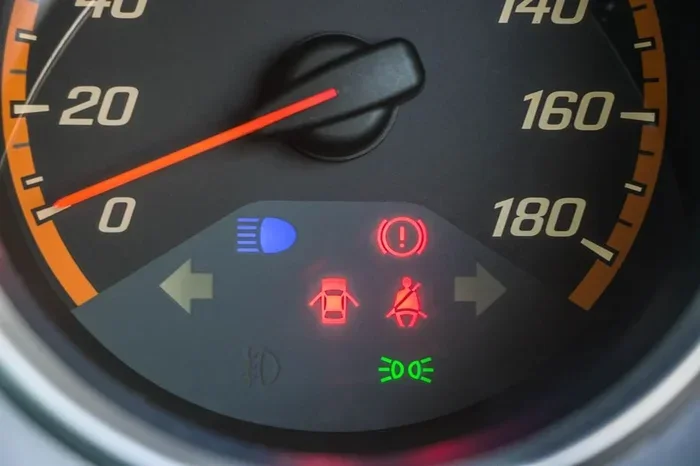
You are driving your Nissan Titan down the highway when a yellow warning light suddenly glows on the dash. The light looks like a circle with the letters ABS and a slip symbol. For many Titan owners, this ABS brake slip light on Nissan Titan can feel scary, but it does not always mean your brakes have completely failed. It is a signal from your truck’s anti-lock braking system that something needs a closer look. Understanding what this light means and how to respond can save you money and keep you safe on the road.
The ABS system prevents your wheels from locking up during hard braking, especially on wet or icy roads. When the slip light comes on, the system has detected a fault and may not work at its full potential. This guide walks you through the most common reasons the ABS brake slip light on Nissan Titan appears, how to diagnose the problem, and the steps you can take to fix it. I will also share quick tips, common mistakes to avoid, and when it is smart to call a professional.
Whether you are a DIYer who likes to work on your own truck or just want to understand what your mechanic is talking about, this article has you covered. I will break everything down into simple language, use real-world examples, and give you actionable advice you can use right away. Let us dive in and get that ABS brake slip light on Nissan Titan turned off for good.
Key Takeaways
- The ABS brake slip light on Nissan Titan signals a fault in the anti-lock brake system that needs attention.
- A faulty wheel speed sensor is the number one cause of this warning.
- Low brake fluid, a blown ABS fuse, or a bad ABS module can also trigger the light.
- You can often reset the light after repairing the root cause with simple tools.
- Ignoring the light can lead to complete ABS failure and unsafe driving conditions.
- Repair costs range from around $100 for a sensor to over $500 for an ABS pump.
- Regular brake fluid checks and clean sensors prevent most ABS slip light issues.
📑 Table of Contents
- What Does the ABS Brake Slip Light on Nissan Titan Mean?
- Top Causes of ABS Brake Slip Light on Nissan Titan
- How to Diagnose the ABS Brake Slip Light on Nissan Titan
- Step-by-Step Fixes for the ABS Brake Slip Light on Nissan Titan
- Prevention Tips to Avoid Future ABS Slip Light Issues
- Common Mistakes That Make ABS Problems Worse
- When to Call a Professional Mechanic
What Does the ABS Brake Slip Light on Nissan Titan Mean?
The ABS warning light on your Titan dashboard is part of the anti-lock braking system. When the light stays on, it means the system has found an error and has likely shut itself down to protect you. The slip symbol specifically points to a problem with wheel traction or speed monitoring. Your truck will still have normal brakes, but the anti-lock feature that keeps wheels from skidding will not work.
Understanding the ABS System in the Nissan Titan
The ABS uses sensors at each wheel to monitor how fast they are spinning. If one wheel starts to lock up during a hard stop, the system pulses the brake pressure to keep the tire gripping. A small computer, called the ABS module, controls this process. When any part of this system fails, the ABS brake slip light on Nissan Titan turns on to alert you.
When the Light Means Business
A steady ABS light usually means a non-emergency fault, but a flashing light or a light that comes with other warnings like a red brake light can signal a serious issue. If your Titan pulls to one side during braking or you feel a grinding noise, stop driving and get help. The ABS brake slip light on Nissan Titan is your truck’s way of saying, “Check me now.”
Top Causes of ABS Brake Slip Light on Nissan Titan
Several things can trigger the ABS slip light. Some are simple and cheap to fix, while others need more work. Here are the most common reasons the ABS brake slip light on Nissan Titan shows up.
Faulty Wheel Speed Sensor
The wheel speed sensor is the most common culprit. Each wheel has a sensor that sends speed data to the ABS module. Dirt, metal shavings, or damage can cause the sensor to give wrong readings. When the module does not get a clear signal, it turns on the slip light. A bad sensor often triggers the light after driving through deep water or mud.
Low Brake Fluid or a Brake Leak
The ABS system relies on brake fluid to transmit pressure. If the fluid level drops low, the warning light comes on. A leak in a brake line, caliper seal, or the ABS pump can cause the level to drop. Check the brake fluid reservoir under the hood. If the fluid is dark or below the minimum line, you have found a likely cause.
ABS Module Failure
The ABS control module is the brain of the system. Over time, internal electronics can fail, especially in older Titans. Water intrusion, corrosion, or a wiring short can damage the module. A failing ABS module often causes the light to stay on and may lead to erratic braking behavior.
Blown ABS Fuse or Wiring Issues
Every system needs power, and the ABS is no different. A blown fuse in the underhood fuse box can kill the ABS circuit. Corroded connectors or damaged wires between the sensors and the module can also break the circuit. These electrical issues are common after off-road adventures or in trucks that have seen salt and road grime.
Worn Brake Pads or Warped Rotors
While not as common, severely worn brake pads or damaged rotors can sometimes cause the ABS light to come on. If a pad wears down to the metal and damages the rotor, the uneven surface can confuse the speed sensor. This is more likely to happen if the light appears along with a grinding noise.
Common Causes and Repair Costs at a Glance
| Cause | Common Symptoms | Typical Repair Cost | DIY Difficulty |
|---|---|---|---|
| Wheel Speed Sensor | Light on after driving in mud or water; occasional ABS disable | $100–$250 | Easy |
| Low Brake Fluid | Light on; soft brake pedal; fluid below MIN mark | $20–$100 (fluid and seal) | Easy |
| ABS Module Failure | Light stays on; ABS does not engage; erratic braking | $400–$1,200 | Hard |
| Blown Fuse or Wiring | Light on; no ABS; other electrical glitches | $20–$150 | Medium |
| Worn Pads or Rotors | Light on; grinding noise; vibration during braking | $150–$400 | Medium |
How to Diagnose the ABS Brake Slip Light on Nissan Titan
Before you start replacing parts, you need to know what is actually wrong. Diagnosing the ABS brake slip light on Nissan Titan is easier than you think. You will need a basic OBD-II scanner and a few simple tools.
Using an OBD-II Scanner
Plug the scanner into the diagnostic port under your Titan’s dash. Turn the key to the ON position but do not start the engine. The scanner will read trouble codes stored in the ABS module. A code like C0034 or C0040 points to a specific wheel speed sensor problem. Write down all codes and look them up in a repair manual or online. This step saves you from guessing and replacing good parts.
Visual Inspection Tips
Open the hood and check the brake fluid reservoir. If the fluid is low, top it off with the correct DOT fluid listed in your owner’s manual. Look under the truck for any wet spots or drips that suggest a leak. Inspect the wiring harnesses leading to each wheel sensor. Pay attention to any corroded connectors or frayed wires. A simple cleaning of the sensor tip with a wire brush can sometimes clear the light.
Quick Tips: What to Check First
- Check the brake fluid level first. It is the easiest fix.
- Look for a loose or dirty wheel speed sensor connector.
- Check the ABS fuse in the underhood box.
- Use the OBD-II scanner to get the exact code.
- Reset the light after the repair and see if it stays off.
Step-by-Step Fixes for the ABS Brake Slip Light on Nissan Titan
Once you know the cause, you can take action. Here are the most common fixes for the ABS brake slip light on Nissan Titan.
Resetting the Light After Repair
After you fix the problem, you need to clear the code to turn off the light. You can use the OBD-II scanner to erase the fault codes. Alternatively, disconnect the negative battery terminal for 15 minutes and then reconnect it. This resets the truck’s computer. Start the engine and see if the ABS slip light stays off. If it comes back on, the problem is not fully solved yet.
Replacing a Wheel Speed Sensor
Replacing a wheel speed sensor is one of the easiest repairs you can do. The sensor is usually located near the rear of the brake rotor or at the front axle. Unplug the electrical connector, remove the single bolt or nut, and pull the sensor out. Clean the mounting area, install the new sensor, and plug the connector back in. Top off the brake fluid if needed and reset the light. Most Titan owners can do this in under an hour with basic tools.
Fixing Brake Fluid Leaks
If the brake fluid is low, find the leak first. Common leak points are the caliper seals, brake line fittings, and the ABS pump itself. Tighten a loose fitting or replace a damaged seal. After repairing the leak, refill the reservoir with the correct DOT fluid. Bleed the brakes if air entered the lines. A soft brake pedal after a fluid top-off often means air is in the system, which needs to be bled out.
When You Need a New ABS Module
A failed ABS module requires more work. The module is usually located in the engine bay near the brake master cylinder. You will need to disconnect the battery, remove the old module, and install a new one. After installation, the ABS system must be reprogrammed with a scan tool that can perform a relearn procedure. Because this involves advanced electrical work, many Titan owners choose to have a professional handle the ABS module replacement.
Prevention Tips to Avoid Future ABS Slip Light Issues
Keeping your Titan’s ABS system healthy is simple with a few regular habits. Prevention saves you from unexpected trips to the shop and keeps your brakes working perfectly.
Regular Brake Fluid Maintenance
Brake fluid absorbs moisture over time, which can cause corrosion inside the ABS module and valves. Check your brake fluid level every month and change it every two years or as recommended in the owner’s manual. Fresh, clean fluid keeps the entire system working smoothly.
Keep Sensors Clean
The wheel speed sensors can collect dirt, mud, and metal debris. After driving through mud or snow, give the sensor areas a quick rinse. A clean sensor reads accurately and reduces the chance of false ABS slip light triggers. A small wire brush works great for cleaning the sensor tip.
Drive Habits That Protect Your ABS
Avoid riding the brakes on long downhill drives, which can overheat the system. Give your truck time to stop gently rather than slamming on the brakes. These habits reduce wear on the ABS components and help the system last longer.
Common Mistakes That Make ABS Problems Worse
Some actions can turn a small ABS issue into a big, expensive problem. Avoid these common mistakes when dealing with the ABS brake slip light on Nissan Titan.
Ignoring the Warning Light
Many drivers see the ABS light and keep driving because the normal brakes still work. This is a dangerous mistake. Without the ABS system, your wheels can lock up on wet roads, causing a skid. The longer you ignore the light, the more likely you are to damage other parts like the ABS pump or module.
Using the Wrong Brake Fluid
Not all brake fluids are the same. Using the wrong DOT rating can damage seals in the ABS system. Always check your owner’s manual and use the exact fluid type specified. Mixing DOT 3 and DOT 4 fluids can also cause problems, so stick to one type.
Trying to Reset Without Fixing the Cause
Some people disconnect the battery just to turn the light off temporarily. This does not fix the actual problem. The light will almost always come back, and the underlying issue can get worse. Always diagnose and repair the root cause before clearing the code.
When to Call a Professional Mechanic
Not every ABS repair is a DIY job. Knowing when to call a pro saves time, money, and frustration. If you have checked the fluid, inspected the sensors, and the light still stays on, it is time for expert help. A mechanic with a professional-grade scan tool can read deeper codes and test the ABS pump pressure. They can also check the wiring harness all the way to the module, which is hard to do from a home garage.
Signs You Need Expert Help
- The ABS light comes on with a red brake warning light.
- You hear a grinding or buzzing noise when you press the brake pedal.
- The truck pulls to one side when you brake hard.
- You have already replaced the wheel speed sensor but the light returns.
Cost vs. DIY: Is It Worth It?
Simple fixes like a sensor or a fluid top-up are great DIY projects. More complex work like an ABS module replacement or a full brake system overhaul is often better left to a trained technician. A professional can also warranty the repair, giving you peace of mind. If you are not sure, start with the diagnosis and let the mechanic quote the repair.
The ABS brake slip light on Nissan Titan is a warning you should never ignore. By understanding the causes, following the diagnostic steps, and applying the right fix, you can keep your Titan’s anti-lock braking system in top shape. A little attention now prevents bigger problems later and keeps you and your family safe on every trip.
Frequently Asked Questions
Can I drive my Nissan Titan with the ABS slip light on?
You can drive short distances carefully, but the ABS anti-lock feature will not work. This means your wheels can lock up during hard braking on wet roads. It is best to get the problem diagnosed and fixed as soon as possible for safe driving.
How much does it cost to fix the ABS brake slip light on a Nissan Titan?
Costs vary widely depending on the cause. A wheel speed sensor repair usually costs between $100 and $250. A bad ABS module can run $400 to $1,200 including parts and labor. Low brake fluid or a simple leak fix may cost under $100.
What is the most common reason for the ABS slip light on a Nissan Titan?
The most common cause is a faulty wheel speed sensor. Dirt, debris, or damage to the sensor can send incorrect signals to the ABS module, triggering the warning light. Cleaning or replacing the sensor often solves the problem.
Can a low brake fluid level cause the ABS slip light to come on?
Yes, absolutely. The ABS system needs the right amount of brake fluid to operate. If the level drops below the minimum mark, the warning light will turn on. Check the reservoir and top it off with the correct DOT fluid.
How do I reset the ABS slip light after fixing the problem?
You can use an OBD-II scanner to clear the fault codes, or disconnect the negative battery terminal for 15 minutes and then reconnect it. Start the engine and check if the light stays off. If it returns, the repair was not successful.
Will a bad ABS module cause the slip light to flash?
A failing ABS module can cause the light to stay on solid or flash. Flashing often indicates a more serious electrical or internal failure. If the light flashes, avoid hard braking and have the truck inspected right away.