Basic Car Detailing How to Detail Your Car Like a Pro
Basic car detailing is the art of cleaning and protecting your vehicle inside and out. This guide walks you through every step, from washing and claying to waxing and interior cleaning. You’ll learn how to detail your car like a pro using affordable tools and simple techniques.
Want to make your car look like it just rolled off the lot? Basic car detailing is the secret. It’s not just a car wash. It’s a full cleaning and protection process that transforms your vehicle. You don’t need a professional budget. With the right steps, you can achieve a pro-level finish at home. This guide covers everything you need to know. We’ll walk you through each stage of basic car detailing. You’ll learn how to clean both the exterior and interior. By the end, you’ll have the confidence to tackle any detail job. Let’s get started.
Car detailing might sound fancy, but it’s really just thorough cleaning and protection. Many people confuse it with a quick rinse at the drive-through. True auto detailing involves removing dirt, restoring shine, and adding a layer of defense. Whether you drive a daily commuter or a classic weekend ride, basic car detailing keeps it looking great. It also protects the paint and interior materials from wear. The best part? You can do it in your driveway with a few simple supplies.
Key Takeaways
- Start with the right tools: A basic detailing kit includes buckets, microfiber towels, car soap, a clay bar, and wax.
- Follow the two-bucket method: This prevents scratches and keeps your wash mitt clean.
- Always decontaminate before waxing: A clay bar removes embedded grime that soap alone cannot lift.
- Interior detailing matters just as much: Vacuum, brush, and condition seats and carpets for a showroom feel.
- Avoid common mistakes: Don’t use dish soap, skip the tire shine, or dry with a regular towel.
- Work in the shade: This prevents products from drying too quickly and leaving streaks.
- Consistency beats intensity: A quick detail every few weeks beats a deep clean once a year.
📑 Table of Contents
What Is Basic Car Detailing?
Basic car detailing breaks down into two main areas: exterior detailing and interior detailing. Exterior detailing focuses on the paint, wheels, and glass. Interior detailing covers seats, carpets, and the dashboard. Together, they make your car look and feel brand new. The goal is not just to clean, but to protect surfaces long-term. A proper detail removes contaminants that regular washing misses. It also adds a layer of wax or sealant to shield against UV rays and rain. Think of it as a spa day for your car.
The process follows a specific order. You always start with the cleanest areas and move to the dirtiest. This prevents you from dragging grime across already-cleaned surfaces. Most people spend about two to four hours on a full detail. It depends on the size of the vehicle and how dirty it is. With practice, you’ll get faster and better. The satisfaction of seeing your own car shine is worth every minute.
The Essential Tools and Products You’ll Need
Before you start, gather your supplies. Having the right detailing kit makes the job faster and safer. You don’t need to buy everything at once. Start with the basics and expand as you go. Here is what you’ll need for a complete basic car detailing session.
Must-Have Exterior Supplies
- Two buckets with grit guards – one for soapy water and one for rinsing your mitt.
- Car soap – a pH-balanced wash solution that lifts dirt without stripping wax.
- Wash mitt – a soft microfiber or lambswool mitt that glides over paint.
- Microfiber towels – at least three for drying and wiping. They are gentle and lint-free.
- Clay bar – this removes bonded contaminants like rail dust and tree sap.
- Detailing spray – a quick spray for refreshing the shine between washes.
- Wax or sealant – paste wax, liquid wax, or a spray sealant for protection.
- Tire and trim dressing – gives tires a deep shine and restores plastic trim.
- Glass cleaner – a streak-free formula for windows and mirrors.
- Wheel cleaner – a safe spray for brake dust and road grime.
Interior Cleaning Essentials
- Vacuum with a crevice tool and brush attachment.
- Interior brushes – soft-bristled brushes for vents and tight spaces.
- Leather cleaner and conditioner – for leather seats, keeps them supple.
- Fabric cleaner – a spray or foam for cloth upholstery and carpets.
- Dusting brush – a soft brush for the dashboard and vents.
- Air freshener – a light scent that doesn’t overpower.
Expert Insight: A detailing kit doesn’t have to break the bank. Many affordable sets include everything listed above. Look for kits that use microfiber towels instead of cheap chamois. A good car soap is the most important purchase. Avoid dish soap—it strips wax and dries out plastic.
Wash Methods Compared
| Method | How It Works | Pros | Cons |
|---|---|---|---|
| Two-Bucket Method | One bucket for soapy water, one for rinsing the mitt. Grit traps dirt at the bottom. | Prevents swirl marks. Safe for all paint types. Very affordable. | Requires two buckets and a few extra minutes. |
| Touchless Wash | High-pressure water and chemicals lift dirt without touching the car. | No contact means zero scratch risk. Fast and convenient. | May not remove heavy grime. Chemicals can be harsh on wax. |
| Pressure Washer Rinse | Use a pressure washer to blast loose dirt before hand-washing. | Speeds up the pre-rinse. Great for muddy or sandy vehicles. | Can force water into seams if used too close. Not a full wash method. |
The two-bucket method is the gold standard for basic car detailing. It takes a little more effort but keeps your paint safe. Always wash from the top down. Gravity pulls dirt downward, so the lower panels are the dirtiest. Start with the roof and work your way to the bumpers.
Step-by-Step Exterior Detailing Process
Now that you have your supplies, it’s time to clean the outside. Follow these steps in order for the best results. Each step builds on the last. Skipping a step can leave your work less effective.
Washing and Decontamination
Begin by rinsing the car with water. This removes loose dirt and prevents scratches. Next, mix your car soap in one bucket and fill the other with clean rinse water. Dip your wash mitt into the soap bucket and wash one panel at a time. After each panel, rinse the mitt in the clean water bucket. The grit guard catches dirt at the bottom. Work in sections: roof, hood, trunk, then lower panels. Rinse the whole car thoroughly when done.
For heavy contamination, use a decontamination spray or iron remover. Spray it on the paint and watch it turn purple as it lifts metal particles. Rinse it off completely. This step is especially important if you live near train tracks or coastal areas.
Clay Bar and Polishing
After washing, run your hand over the paint. If it feels rough, a clay bar will smooth it out. Spray detailing spray or quick detailer onto a small section. Gently glide the clay bar across the surface. It picks up embedded grime without scratching the paint. Wipe off the residue with a clean microfiber towel. You’ll feel the paint become glass-like smooth.
Polishing comes next if you want extra depth. A polishing compound removes light swirl marks and restores clarity. Use a foam applicator pad and work in small circles. Wipe off the haze with a fresh towel. Polishing is optional for a basic detail, but it makes a huge difference on older cars.
Waxing for Protection
Waxing is the final step in exterior detailing. It adds a protective layer that shields the paint from UV rays, bird droppings, and rain. Apply a thin, even layer with an applicator pad. Use circular motions and cover one panel at a time. Wait for the wax to haze, then buff it off with a clean microfiber towel. A good wax lasts two to three months. For longer protection, consider a synthetic sealant. Both options work great for basic car detailing.
Don’t forget the tires and glass. Apply tire shine to each tire for a deep, wet look. Use a separate applicator to avoid getting dressing on the paint. Clean all windows inside and out with a glass cleaner. Streak-free glass makes the whole car look cleaner.
Quick Tips for a Flawless Exterior
- Always work in the shade. Direct sun causes products to dry too fast and leave marks.
- Use separate towels for paint, wheels, and glass. Cross-contamination causes scratches.
- Replace your wash mitt every few years. Worn fibers can trap dirt and scratch paint.
- Apply wax in thin layers. Thick layers are harder to buff off and may peel.
- Dry the car completely with a microfiber towel. Water spots can etch into the paint over time.
Interior Detailing: Making Your Cabin Shine
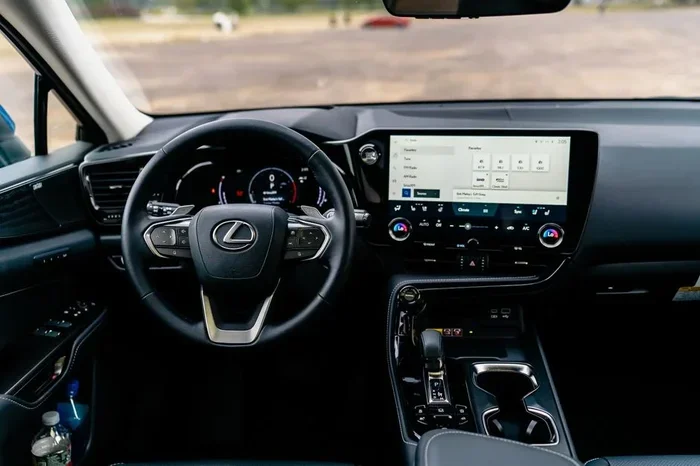
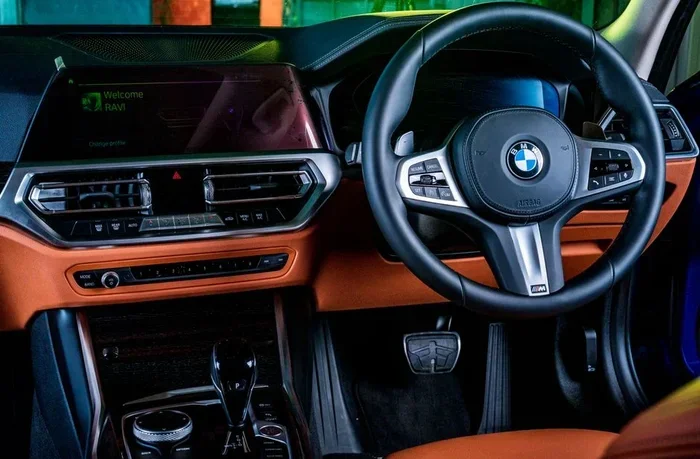
The interior is just as important as the exterior. A clean cabin makes every drive more enjoyable. Interior detailing involves removing loose dirt, scrubbing stains, and protecting surfaces. It usually takes about an hour for a full detail. Start by removing all floor mats and shaking them out.
Vacuuming and Brushing
Use your vacuum with the brush attachment on the seats and carpet. Move slowly to pull out embedded dirt. Vacuum under the seats and in the footwells. For tight spaces, use the crevice tool. Next, use a soft-bristled brush on the dashboard and center console. This loosens dust and crumbs. Wipe everything down with a damp microfiber towel. For vents, wrap a thin towel around a flat tool and slide between the slats.
Leather and Upholstery Care
If your car has leather seats, apply a leather cleaner with a soft brush. Wipe it off with a clean, damp towel. Follow up with a leather conditioner to keep the leather soft and prevent cracking. For cloth seats, spray fabric cleaner on stains and blot with a towel. Use a steam cleaner for tough stains if you have one. Let everything dry completely before putting the mats back in.
Don’t neglect the trunk. Vacuum it out and wipe down the spare tire well. A detailing brush works great for the trunk carpet. If your car has a sunroof, clean the tracks with a brush and a bit of soapy water. Sticky tracks can cause leaks over time.
Common Mistakes to Avoid
Even with the best intentions, mistakes happen. Knowing what to avoid saves time and protects your car. Here are the most common errors in basic car detailing.
Skipping the Clay Bar
Many people wash and wax without ever using a clay bar. This leaves bonded contaminants on the paint. Wax over contaminants doesn’t adhere properly. The wax peels off quickly and leaves a rough surface. Always clay your paint after washing if it feels rough.
Using Too Much Product
More product does not mean better results. Excess soap leaves a filmy residue. Too much wax creates a sticky mess that attracts dust. Use the recommended amount and apply in thin layers. A little goes a long way.
Ignoring the Interior
Focusing only on the exterior is a common mistake. Dirty carpets and stained seats make the whole car feel unclean. Interior detailing should always be part of your routine. A clean interior also reduces allergens and odors.
Wrong Drying Method
Never dry your car with a regular bath towel. Terry cloth can trap dirt and cause micro-scratches. Always use a dedicated microfiber drying towel. Pat the surface dry or use a soft squeegee for large panels.
Conclusion
Basic car detailing is a rewarding skill that keeps your car looking its best. You’ve learned the essential tools, the step-by-step process, and how to avoid common pitfalls. Regular washing, claying, waxing, and interior cleaning protect your investment. A well-detailed car turns heads and holds its value longer. Start with the basics and build your routine over time. Each session makes you faster and more confident. Soon, detailing your car will feel like second nature. Grab your detailing kit, pull into the shade, and enjoy the process. Your car will thank you every time you drive.
Key Takeaways
- Basic car detailing is a two-part process: exterior detailing and interior detailing.
- Invest in a quality detailing kit with microfiber towels, a clay bar, and car soap.
- Always use the two-bucket method to prevent scratches during washing.
- Decontaminate with a clay bar before applying wax for a smooth, protected finish.
- Interior detailing includes vacuuming, brushing, and conditioning leather or fabric.
- Avoid using dish soap, drying with regular towels, and skipping the clay bar.
- Consistent, light maintenance is better than one big deep clean per year.
Frequently Asked Questions
How often should I do basic car detailing?
A full detail every three to four months keeps your car in top shape. Between details, a quick wash and interior vacuum once a week helps. The frequency depends on your driving conditions and weather. If you park outdoors or drive on dirty roads, you’ll need to detail more often.
Can I use dish soap to wash my car?
It’s best to avoid dish soap. It cuts through grease but also strips away wax and dries out plastic. Use a dedicated car soap that is pH-balanced. These formulas clean effectively while protecting your paint and trim. A good car soap costs only a few dollars more than dish soap.
What is a clay bar and do I need one?
A clay bar is a malleable block that removes bonded contaminants from paint. It pulls out tiny particles like rail dust, tree sap, and industrial fallout. You need it if your paint feels rough after washing. Using a clay bar makes the surface smooth and helps wax adhere evenly. It’s an essential step in basic car detailing.
Is spray wax or paste wax better?
Spray wax is easier to apply and great for quick maintenance between full details. Paste wax offers deeper protection and lasts longer. For a basic routine, use spray wax every few weeks. Apply paste wax every three months for a stronger shield. Both have their place in a complete detailing kit.
How do I clean leather seats without damaging them?
Start with a dedicated leather cleaner and a soft brush. Wipe away dirt with a damp towel. Follow up with a leather conditioner to keep the material supple. Avoid using household cleaners or alcohol-based products. They can dry out the leather and cause cracks. Condition your seats every few months to maintain their look.
What is the best way to dry my car after washing?
Use a clean, soft microfiber drying towel. Pat the surface gently or use a soft squeegee to remove water from large panels. Never rub the car with a regular towel. Work in the shade to prevent water spots. Drying thoroughly protects the paint and keeps your exterior detailing results looking sharp.