15 Tint Everything You Need to Know About Window Films
15 tint window film is a popular choice for car and home owners who want UV protection, heat rejection, and added privacy without going too dark. This guide covers everything you need to know, from visible light transmission ratings to legal tint shade rules and installation tips. Whether you are upgrading your automotive tint or adding residential window film, this article has you covered.
Key Takeaways
- 15 tint blocks up to 85% of light: This makes it a great balance between style, comfort, and privacy for cars and homes.
- UV protection is a major benefit: 15 tint film can block up to 99% of harmful UV rays, protecting your skin and interior.
- Legal rules vary by state and region: Always check your local window tint laws before installing tinted windows on your vehicle.
- Professional installation gives the best results: But DIY kits are available if you have patience and the right tools.
- Heat rejection saves energy: A heat rejection film like 15 tint keeps your car and home cooler, reducing AC costs.
- Multiple film types exist: Dyed, metallic, ceramic, and carbon films all offer different levels of glare reduction and durability.
📑 Table of Contents
What Is 15 Tint Window Film?
When people talk about 15 tint, they mean a window film that allows only 15% of visible light to pass through. In other words, it blocks 85% of the light. This is measured using a term called visible light transmission, or VLT. The lower the VLT number, the darker the tint shade feels.
15 tint is one of the most popular choices for both car window tinting and residential window film projects. It sits in a sweet spot. It is dark enough to give you real privacy tint benefits, but not so dark that it makes your windows hard to see through at night. If you want a dark tint look without going to extremes, this shade is hard to beat.
The film itself is a thin layer of polyester or similar material. It gets applied directly to the inside of your glass. Different film type options exist, including dyed, metallic, ceramic, and carbon. Each one offers a slightly different mix of window film benefits, from heat rejection to scratch resistance.
How VLT Works
Visible light transmission is the percentage of light that passes through your glass. Factory car windows usually have a VLT of around 70% to 80%. When you add 15 tint film, the VLT drops to just 15%. That means only a small amount of light gets through. This is what gives you that sleek, dark look that so many people love.
Here is a simple way to think about it. If you hold a piece of 15 tint film up to a light source, you will barely see light coming through. It feels almost like looking through a pair of sunglasses. That is exactly the effect you get on your windows.
Benefits of 15 Tint Window Film
There are many reasons why 15 tint has become a go-to option for car and home owners alike. Let us look at the biggest window film benefits you can expect.
UV Protection for Your Health
One of the top reasons people choose 15 tint is UV protection. Quality films can block up to 99% of harmful ultraviolet rays. These rays cause skin damage and premature aging. They also fade your furniture, carpets, and car seats over time. With interior protection from UV rays, your belongings last longer and your skin stays safer.
Heat Rejection and Energy Savings
Heat rejection is another huge advantage. A good heat rejection film can reduce the temperature inside your car or home by up to 60%. This means your air conditioning does not have to work as hard. Over time, you save money on energy bills. In the summer, this is a game changer. Your car stays cooler, and your home feels more comfortable.
Glare Reduction
Driving in direct sunlight can be dangerous. Glare blinds you for a split second and that is enough to cause an accident. 15 tint film cuts down on glare reduction significantly. You can drive more safely and sit near windows in your home without squinting all day. It makes a real difference in daily comfort.
Privacy and Security
Privacy tint is one of the main draws of 15 tint. With only 15% of light coming through, people outside cannot easily see into your car or home. This adds a layer of security. If someone cannot see your belongings, they are less likely to target your vehicle or windows. It is a simple but effective deterrent.
15 Tint for Cars vs. Homes
15 tint works well in both vehicles and buildings, but the way you use it differs. Let us compare the two.
15 Tint for Cars
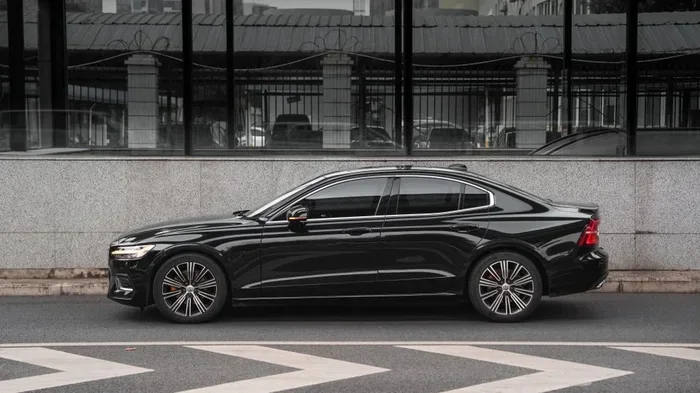
Automotive tint with a 15% VLT gives your car a sleek, modern look. It is dark enough to look great but still legal in many states. However, you need to be careful. Some regions have strict window tint laws that do not allow a VLT this low on front side windows. Always check your local rules before you commit.
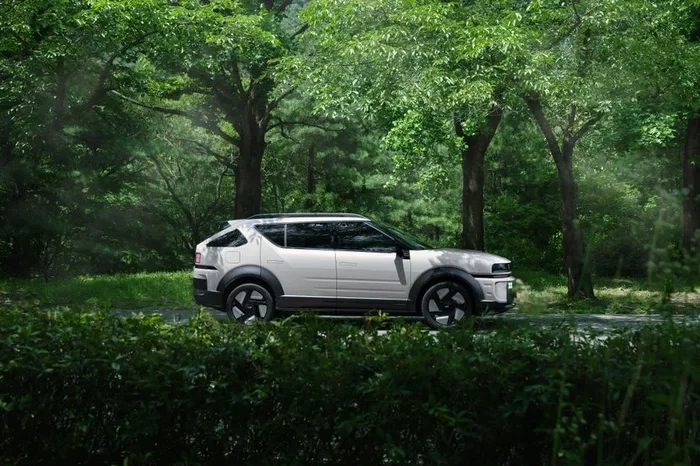
For car window tinting, 15 tint is a favorite among car enthusiasts. It looks aggressive and stylish. It also keeps your dashboard and seats from fading. Many people choose this shade for sedans, SUVs, and trucks alike.
15 Tint for Homes and Offices
Residential window film with a 15% tint shade works well for home windows that face west or south. These windows get the most direct sunlight. Adding 15 tint film reduces solar heat gain and protects your interiors. It also gives you more privacy during the day when lights are off inside.
For offices, 15 tint can reduce eye strain for employees who sit near windows. It also cuts down on cooling costs. The window film benefits stack up quickly when you apply them to a whole building.
Quick Comparison Table
| Feature | 15 Tint for Cars | 15 Tint for Homes |
|---|---|---|
| UV Protection | Up to 99% | Up to 99% |
| Heat Rejection | Reduces interior temp by up to 60°F | Reduces solar heat gain significantly |
| Privacy Level | High | High during daytime |
| Glare Reduction | Excellent for driving | Great for workspaces |
| Legal Considerations | Varies by state | Usually no restrictions |
| Installation | Professional or DIY | Professional recommended |
How Is 15 Tint Film Installed?
Window film installation is a process that requires patience and the right tools. Whether you hire a pro or go the DIY route, understanding the steps helps you set realistic expectations.
Professional Installation
Most people choose professional window film installation for the best results. A trained technician cleans your glass thoroughly, cuts the film to size, and applies it using a soapy solution. They then use a squeegee to push out all the bubbles and excess liquid. The process usually takes one to two hours for a standard car and a bit longer for larger home windows.
Professional installation ensures a smooth, bubble-free finish. It also comes with a warranty in most cases. If something goes wrong, you have support.
DIY Installation
If you are handy and want to save money, a DIY kit is an option. You will need a spray bottle, a squeegee, a utility knife, and a hair dryer. The key is to work in a dust-free environment. Clean your glass extremely well. Even a tiny speck of dust can create a bump under the film that is hard to remove.
Take your time. Rushing the job leads to wrinkles and bubbles. If this is your first time, practice on a less visible window before tackling your front windshield or main living room window.
Quick Tips for a Smooth Installation
- Work on a cloudy day or in a shaded garage. Direct sunlight dries the film too fast.
- Use a heat gun or hair dryer to mold the film around curved glass edges.
- Wait at least 48 hours before rolling down your tinted car windows.
- Do not use harsh cleaners on your tinted windows for at least 30 days.
- Use a microfiber cloth and ammonia-free cleaner for routine cleaning.
Is 15 Tint Legal? Understanding the Rules
Window tint laws vary widely from state to state and country to country. Before you install 15 tint, you need to know what is allowed on your vehicle.
Common Legal Limits
In the United States, most states allow a VLT of 15% or lower on rear windows. However, front side windows and the windshield often have stricter limits. Some states require front side windows to have a VLT of 35% or higher. A few states ban any aftermarket tint on the windshield except for a narrow strip at the top.
Here are some general rules to keep in mind:
- Front side windows: Often require a VLT of 35% or higher in many states.
- Rear side windows: Usually allow 15% VLT or lower in most states.
- Windshield: Non-reflective tint is often allowed on the top few inches only.
- Reflective tint: Many states restrict or ban reflective or mirrored finishes.
What Happens If You Break the Rules?
Driving with illegal tinted windows can result in a fine. In some states, you may be told to remove the film. The penalties vary. Some places issue a warning first, while others hand out fines right away. To avoid trouble, always check your state or local window tint laws before you get your windows tinted.
Expert Insight: When in Doubt, Ask a Professional
A reputable window film installation company will know the laws in your area. They can recommend a tint shade that looks great and keeps you on the right side of the law. Do not rely on guesswork. The rules change and vary more than most people realize.
How to Choose the Right 15 Tint Film
Not all 15 tint films are the same. Different film type options offer different levels of performance and style. Here is what you need to know to make the best choice.
Dyed Film
Dyed 15 tint film is the most affordable option. It uses layers of dye to absorb heat and light. It provides good privacy tint and a rich dark look. However, dyed film tends to fade over time. It may also bubble or peel after a few years. It is a decent starting point if you are on a tight budget.
Metallic Film
Metallic tinted windows contain tiny metallic particles that reflect heat. They offer better heat rejection than dyed film and are more durable. The downside is that metallic film can interfere with cell phone signals and GPS. If you rely heavily on your phone for navigation, this is worth considering.
Carbon Film
Carbon 15 tint film does not interfere with electronics. It offers excellent heat rejection and a matte black finish that does not fade. Carbon film is a popular middle-ground choice. It costs more than dyed film but less than ceramic. The durability and performance make it a strong pick for most car and home owners.
Ceramic Film
Ceramic window tint film is the premium option. It blocks the most heat, provides the best UV protection, and does not affect electronics at all. Ceramic 15 tint also offers superior glare reduction. The trade-off is the price. Ceramic film costs more upfront, but it lasts longer and performs better. If you want the best of everything, this is your film type.
Quick Tips for Choosing
- Set a budget before you shop. Prices range from $20 to $200+ per window depending on the film type.
- Think about your main goal. Is it UV protection, heat rejection, privacy, or all of the above?
- Ask about warranties. Quality films come with 5- to 10-year warranties.
- Read reviews. Other buyers share honest feedback on durability and performance.
- Do not skip the heat rejection rating. A higher rating means a cooler interior.
Common Mistakes to Avoid with 15 Tint
Even experienced car window tinting enthusiasts make mistakes. Here are the most common ones and how to avoid them.
- Ignoring local laws: This is the number one mistake. Installing dark tint without checking the rules can lead to fines and removal orders.
- Choosing the cheapest film: Budget dyed films fade and bubble. You will need to replace them sooner. Spending a little more upfront saves money in the long run.
- Skipping professional installation: DIY works if you are careful, but bubbles and peeling are common for beginners. If you value a perfect finish, hire a pro.
- Rolling windows down too soon: Wait at least 48 to 72 hours after window film installation. The film needs time to cure and adhere properly.
- Using the wrong cleaner: Ammonia-based cleaners break down tinted windows film over time. Stick to ammonia-free products and soft microfiber cloths.
- Forgetting about interior protection: 15 tint does more than look good. It protects your dashboard, seats, and furniture from sun damage. Make sure your film has strong UV protection ratings.
Conclusion
15 tint window film is a fantastic choice for anyone who wants a darker, sleeker look with real practical benefits. From UV protection and heat rejection to glare reduction and privacy tint advantages, the window film benefits are hard to ignore. Whether you are tinting your car, your home, or your office, this shade hits a sweet spot that works for most people.
Choose the right film type for your needs, follow your local window tint laws, and invest in quality window film installation. With the right approach, your tinted windows will look great and perform well for years to come. Start your 15 tint journey today and enjoy a cooler, darker, and more comfortable space.
Frequently Asked Questions
What does 15 tint mean for window film?
15 tint means the film has a visible light transmission (VLT) of 15%. This allows only 15% of light to pass through the glass, making it a dark tint option. It is popular for both car window tinting and residential window film applications.
Is 15 tint legal for front car windows?
This depends on your state or region. Many places require front side windows to have a VLT of at least 35%. Always check your local window tint laws before installing 15 tint on front windows. Some states allow it with a medical exemption.
How much does 15 tint window film cost?
Costs vary by film type and window size. For cars, expect to pay between $100 and $400 for a full set of windows. For homes, prices range from $5 to $15 per square foot. Ceramic and premium films cost more but offer better heat rejection and durability.
Can I install 15 tint film myself?
Yes, DIY window film installation is possible with a kit and the right tools. However, professional installation gives a smoother, bubble-free finish. If you are new to tinting, consider practicing on a less visible window first.
How long does 15 tint film last?
Quality 15 tint films last between 5 and 10 years depending on the film type and exposure to sunlight. Dyed films tend to fade faster, while ceramic and carbon films hold up much longer. A good warranty is a sign of a durable product.
Does 15 tint block UV rays?
Yes, most quality 15 tint films block up to 99% of harmful UV rays. This provides excellent interior protection for your car seats, dashboard, and home furniture. It also helps protect your skin from sun damage during daily driving or sitting near windows.