How to Reset Oil Change Indicator Without Going to a Shop
You can easily reset your oil change indicator at home without visiting a mechanic. This guide provides simple, step-by-step instructions for your specific vehicle, saving you valuable time and money. Take control of your car maintenance today and keep your engine running perfectly!
Key Takeaways
- You can reset your oil change indicator at home without visiting a mechanic or paying extra fees.
- Each vehicle has a unique reset procedure, so always check your owner’s manual first.
- Reset the oil life system right after every oil change to keep maintenance tracking accurate.
- Most cars use a simple pedal or button sequence to clear the dashboard indicator quickly.
- Ignoring the maintenance light can harm engine performance and lead to costly repairs over time.
- Your driving habits affect oil life readings, so reset more often if you drive in harsh conditions.
- Always verify the reset worked by confirming the dashboard light turns off completely.
📑 Table of Contents
Why You Should Reset Your Oil Change Indicator Yourself
There is something satisfying about handling car maintenance on your own. Whether you just finished an oil change or you are simply trying to stay on top of your vehicle maintenance schedule, knowing how to reset the oil change indicator saves you time and money. Many drivers don’t realize that this simple task takes just a few minutes and requires no special tools.
When you reset oil change indicator lights yourself, you take control of your car’s service interval tracking. You no longer need to wait at a shop or pay extra fees just to clear a dashboard light. Most vehicles built after 2000 have straightforward reset procedures that anyone can follow. Think of it as a small win for your car maintenance routine.
The oil change reminder on your dashboard exists to keep your engine healthy. But once you have completed the service, that light should go off. Leaving it on can cause confusion and make it harder to track your next oil maintenance appointment. A quick reset keeps everything organized and your oil change schedule on track.
What Happens When You Skip the Reset
Skipping the reset might seem harmless, but it can create real problems over time. Your oil life monitoring system tracks driving habits and engine conditions to estimate when the next oil change frequency should occur. If you do not reset it after an oil change, the system continues counting down from the old reading. This throws off your entire maintenance schedule.
Here are common issues that arise when you forget to reset:
- The dashboard indicator stays on, which can distract you from real warnings.
- Your service interval becomes inaccurate, leading to early or late oil changes.
- You may miss important engine oil level alerts mixed in with the old reminder.
- It creates confusion about when the last oil filter replacement actually happened.
Some modern vehicles use an oil monitoring system that adjusts the reset based on driving conditions. These systems are smart, but they still need a manual reset after each service. Taking two minutes to clear the light keeps your oil change counter accurate and your engine running smoothly.
How to Reset Oil Change Indicator: Step-by-Step Guide
Every car brand has a slightly different process. However, most reset oil light procedures follow a similar pattern. Below you will find a general guide that works for many popular models, along with brand-specific tips.
General Reset Method for Most Vehicles
Start by turning the ignition to the “on” position without starting the engine. Press and release the gas pedal three times within five seconds. Then check the dashboard display. The oil change reminder should flash, indicating it is ready to reset. Turn the ignition off and then back on to confirm the light has cleared.
Brand-Specific Reset Procedures
Different manufacturers use unique button combinations. For example, some models require you to hold the trip meter reset button while turning the key. Others use a combination of steering wheel controls. If your vehicle has a digital display, you can often navigate to the service indicator menu and select “reset” from the options.
For those driving a Dodge Journey, the process involves pressing the reset oil change reminder buttons on the steering wheel in a specific sequence. This specific reset method works for many Dodge models and is worth bookmarking for future reference.
If you prefer a more hands-on approach, you can also handle your oil change at home and then follow the reset steps for your particular model. Doing the entire process yourself builds confidence and keeps your DIY oil change workflow efficient.
Quick Reference: Common Reset Methods by Brand
| Brand | Reset Method | Time Required |
|---|---|---|
| Ford | Gas pedal press 3 times, then cycle ignition | 1-2 minutes |
| Chevrolet | Trip button hold + ignition cycle | 1-2 minutes |
| Toyota | Trip meter reset + odometer button | 2-3 minutes |
| Honda | Select/reset button on dashboard | 1 minute |
| Dodge | Steering wheel reset buttons sequence | 1-2 minutes |
| Nissan | Odometer button + ignition cycle | 2 minutes |
Always double-check your owner’s manual for the exact procedure. The oil life system in your vehicle may vary slightly from the general method above. When in doubt, a quick search for your specific model year will give you the precise steps.
Common Mistakes When Resetting the Oil Change Indicator
Even simple tasks come with pitfalls. Here are mistakes that many drivers make when trying to reset oil change indicator lights:
- Turning the key too quickly. You need to hold the ignition in the “on” position long enough for the system to register your input.
- Not pressing the pedal firmly enough. A quick tap does not count. You need a deliberate press and release for each cycle.
- Resetting before the oil change is complete. Always finish the full service first, including the oil filter replacement, before attempting the reset.
- Ignoring the owner’s manual. Every vehicle is different. The manual contains the exact procedure for your specific indicator reset button location.
- Assuming one reset clears everything. Some vehicles require you to reset multiple maintenance lights separately, including the inspection and service reminders.
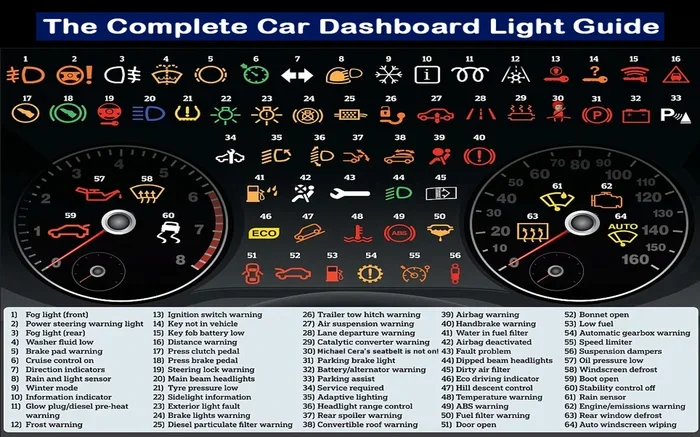
One of the biggest errors is confusing the oil change reminder with other dashboard warnings. A flashing check engine light is not the same as an oil service indicator. Make sure you are resetting the correct light before you start the procedure. If you are unsure, consult your vehicle’s maintenance manual or look up the specific model online.
When to Seek Professional Help
Most oil change indicator resets go smoothly at home. But sometimes the light will not turn off no matter what you try. This is when it makes sense to visit a professional. Persistent lights may signal deeper issues with your oil monitoring system or electrical components.
Consider seeking help if you experience any of these situations:
- The light flashes continuously even after a full reset attempt.
- Your engine oil level readings appear inaccurate on the digital display.
- The reset procedure causes other dashboard lights to activate.
- You notice a strong oil smell or visible leaks alongside the warning light.
- Your vehicle’s service interval tracker behaves erratically after multiple reset attempts.
A trusted mechanic can run diagnostics and check whether the oil life system needs recalibration. In rare cases, a faulty sensor may be triggering the light even when your oil is in perfect condition. This is not something you want to ignore, because low oil levels can cause serious engine damage over time.
Also, if you recently purchased a used vehicle and the previous owner did not maintain the oil change schedule, the indicator may need a professional reset after an oil service. Mechanics have specialized tools that can clear maintenance records and recalibrate the system to match your current service history.
Quick Tips for Maintaining Your Oil Schedule
Staying on top of your oil change frequency does not have to be complicated. A few simple habits can keep your engine healthy and your dashboard lights where they belong. Here are practical tips that make a real difference.
- Set a calendar reminder for your next oil change based on mileage or time intervals, whichever comes first.
- Keep a maintenance log in your glove box or phone. Record every oil change date, mileage, and oil filter replacement details.
- Check your oil level monthly using the dipstick. This quick habit catches low oil before it triggers the dashboard indicator.
- Use the right oil grade for your vehicle. Check the owner’s manual or the oil cap for the recommended specification.
- Reset immediately after service. Do not wait days or weeks. The sooner you reset oil change indicator lights, the more accurate your tracking becomes.
- Watch for warning signs between oil changes, such as engine noise, reduced fuel efficiency, or dark oil on the dipstick.
Building these small routines into your car ownership experience pays off in the long run. Your engine runs better, your service interval stays accurate, and you avoid unexpected trips to the mechanic. Think of the oil change reminder as a helpful nudge, not an annoyance. When you handle it proactively, the entire process becomes second nature.
For those who prefer handling everything themselves, learning how to do an oil change at home is a valuable skill. Pairing a DIY oil change with the correct reset procedure gives you complete control over your vehicle’s maintenance schedule and keeps your engine oil level where it should be.
Final Thoughts
Knowing how to reset oil change indicator lights is one of the simplest yet most valuable skills for any car owner. It keeps your oil change schedule accurate, your dashboard clean, and your vehicle maintenance on track. The process takes only a few minutes, costs nothing, and works for most vehicle models with a simple procedure.
Do not let a stubborn dashboard light throw off your service interval or make you doubt your oil maintenance routine. Follow the steps in this guide, refer to your owner’s manual, and tackle the reset with confidence. If the light refuses to cooperate, a professional mechanic can help you sort it out quickly.
Your car works hard for you every day. Taking a few minutes to reset the oil change reminder is a small gesture that goes a long way. Keep your engine happy, your maintenance log current, and your oil life monitoring system running accurately. That is how you take care of your vehicle without ever stepping foot in a shop for something so simple.
Frequently Asked Questions
How to reset oil change indicator after an oil change?
You can reset it by following your vehicle’s specific reset procedure, which usually involves pressing and holding a button on the dashboard or using the steering wheel controls. Most cars require you to turn the ignition to the “on” position, then hold the reset switch until the light turns off.
Why does my oil change indicator keep coming back after resetting?
This usually happens if the reset procedure wasn’t completed correctly or if the oil life monitoring system needs a full recalibration. It can also occur if there is a fault in the sensor or if the vehicle’s computer didn’t register the reset command properly.
Can I reset the oil change indicator without a mechanic?
Yes, most vehicles allow you to reset the oil change indicator yourself using simple steps like button combinations on the dashboard. You just need your owner’s manual to find the exact method for your car model.
How to reset oil change indicator on a Honda or Toyota?
For Honda models, press and hold the trip reset button while turning the ignition to the “on” position until the light resets. For Toyota vehicles, use the steering wheel controls to navigate to the oil life setting, then hold the reset button to clear it.
What does the oil change indicator light actually mean?
The light reminds you that your vehicle’s oil has reached the end of its effective service life based on driving conditions and mileage. It does not always mean you are low on oil, but rather that an oil change is overdue for optimal engine health.
Is it safe to drive with the oil change indicator on?
You can drive for a short distance, but it is best to get an oil change soon to avoid engine wear. Ignoring the light for too long can lead to poor lubrication and potential engine damage over time.