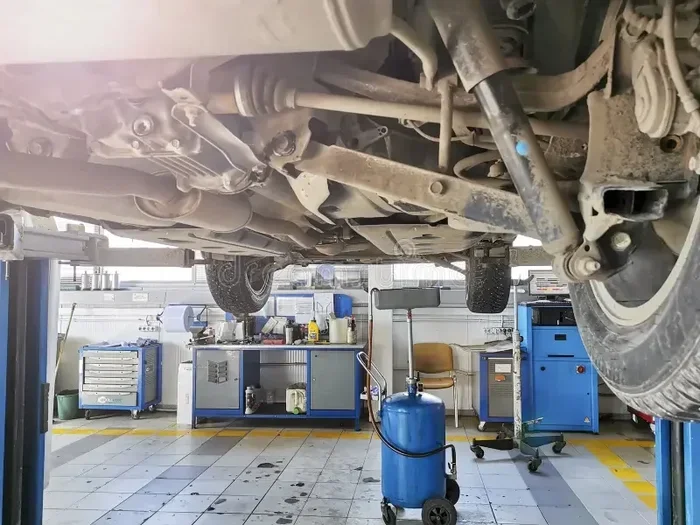
Long Neck Oil Change for a Car Lift Everything You Need
A long neck oil change for a car lift makes draining engine oil faster, cleaner, and safer. Using the right long neck drain tool lets you reach the drain plug from above the vehicle. This method saves time, reduces mess, and keeps your car lift maintenance routine simple and efficient.
This is a comprehensive guide about long neck oil change for a car lift.
Key Takeaways
- Long neck oil drain tools let you reach the drain plug without going under the car.
- Car lift oil change is faster and cleaner when you use the right equipment.
- Two-post lifts and four-post lifts both work great for long neck oil changes.
- Warming your car before draining helps the oil flow more smoothly.
- Common mistakes include using the wrong tool size and forgetting to replace the drain plug gasket.
- Regular oil changes keep your engine healthy and extend your vehicle’s life.
[FEATURED_IMAGE_PLACEHOLDER]
What Is a Long Neck Oil Change for a Car Lift
A long neck oil change for a car lift is a method of draining engine oil using an extended reach tool. The long neck drain tool slides down through the lift gap and reaches the drain plug underneath the vehicle. You do not need to crawl under the car at all.
This approach works best when your vehicle sits on a car lift. The lift raises the car high enough for the tool to reach the drain plug from above. It is a favorite method among professional mechanics and DIY enthusiasts alike.
The long neck design features a narrow, angled tube that fits into tight spaces. You attach a drain hose to the other end, and the old oil flows directly into a collection pan. The whole process stays clean and controlled.
Many people prefer this method because it saves time. You do not have to position yourself under the vehicle or worry about slipping on a wet floor. The oil change procedure becomes simpler and much more comfortable.
Whether you work in a shop or a home garage, a long neck oil drain tool is a smart addition to your toolkit. It fits most standard car lifts and works with a wide range of vehicle types.
Why You Need a Long Neck Oil Drain Tool
Draining oil the traditional way requires going under the car. This can be uncomfortable, especially with low-clearance vehicles. A long neck oil drain tool eliminates that problem entirely.
Here are the main reasons you should use one:
- Better reach: The long neck reaches deep drain plugs that standard tools cannot access.
- Cleaner workspace: Oil stays inside the hose and goes directly into your drain pan.
- Faster process: No need to position yourself under the vehicle. You save several minutes per oil change.
- Safer: You stay on top of the lift. There is no risk of slipping or falling.
- Versatile: Works with many lift types and vehicle models.
Using the right oil change equipment also protects your car lift. Traditional methods can drip oil onto lift components. A long neck tool keeps everything contained and tidy.
The tool itself is affordable and built to last. Most long neck drain tools are made from heavy-duty steel. They handle hot oil and repeated use without bending or breaking.
How a Long Neck Drain Tool Works
The tool has a long, flexible shaft with a funnel-shaped tip at the end. You place the tip over the drain plug. The shaft extends up to the lift surface, where you connect a hose. When you open the drain plug, oil travels down the shaft and out through the hose.
Some models come with a built-in valve. You open the valve when you are ready to drain. This gives you full control over the flow rate. It is a small feature that makes a big difference in keeping things neat.
Types of Car Lifts for Oil Changes
Not all car lifts are the same. Different lift types offer different benefits for car lift oil change jobs. Understanding your lift helps you choose the right method and tools.
Two-Post Lifts
Two-post lifts are the most common in professional shops. They have two vertical posts with arms that support the vehicle. The open design underneath gives plenty of room for a long neck drain tool.
These lifts work great for oil changes because the vehicle sits high and centered. You can easily position the long neck tool over the drain plug from any angle. Most two-post lifts offer enough height clearance for comfortable working.
Four-Post Lifts
Four-post lifts use four vertical posts and a ramp to drive the vehicle onto the platform. They are often used for longer vehicles like trucks and SUVs. The lift platform is higher off the ground than a two-post lift.
A long neck oil change for a car lift works well on four-post lifts too. The extra height gives you even more clearance for the drain tool. These lifts are also great for storage and alignment work.
Scissor Lifts
Scissor lifts use a folding platform that rises straight up. They are compact and affordable. However, the ground clearance underneath can be limited. You may need to check that your long neck tool is long enough to reach the drain plug on a scissor lift.
Step-by-Step Long Neck Oil Change Process
Follow these steps for a smooth and effective oil change using a long neck drain tool on your car lift.
Step 1: Prepare Your Vehicle
Park the car on the lift and position it securely. Make sure the wheels are chocked and the lift locks are engaged. Warm your car for about 5 to 10 minutes before starting. Warm oil flows much better than cold oil.
Check your owner’s manual for the correct oil capacity and drain plug location. Having this information ready saves you time and guesswork.
Step 2: Gather Your Tools
You will need the following items:
- Long neck oil drain tool
- Drain hose
- Oil drain pan
- New engine oil
- New oil filter
- Oil filter wrench
- Socket wrench for the drain plug
- Rags or paper towels
- Replacement drain plug gasket
Step 3: Position the Long Neck Tool
Raise the vehicle to a comfortable working height on the lift. Slide the long neck tool down through the lift gap. Guide the funnel tip over the drain plug. Make sure it sits snugly over the plug opening.
Attach the drain hose to the top of the long neck tool. Route the other end into your oil drain pan. This keeps all the old oil contained and prevents spills.
Step 4: Drain the Old Oil
Use your socket wrench to loosen the drain plug. Let the old oil flow through the long neck tool and into the drain pan. Wait until the oil stops dripping. This usually takes about 10 to 15 minutes.
While you wait, you can remove the old oil filter. Use an oil filter wrench to loosen it. Be careful because it may still contain oil. Tip it into the drain pan.
Step 5: Replace the Drain Plug and Filter
Once the oil has fully drained, reinstall the drain plug. Use a fresh gasket to prevent leaks. Tighten the plug to the manufacturer’s recommended torque.
Install the new oil filter by hand. Tighten it snugly but do not overtighten. Overtightening can damage the filter housing and cause leaks.
Step 6: Add New Oil
Lower the vehicle slightly if needed. Open the oil fill cap on the engine. Pour in the new oil using a funnel. Check the dipstick to verify the correct level.
Start the engine and let it run for a few minutes. Check underneath for any leaks around the drain plug and filter. Turn off the engine and wait a few minutes for the oil to settle. Check the dipstick one more time.
Common Mistakes and How to Avoid Them
Even experienced mechanics make mistakes during oil changes. Here are the most common ones and how to avoid them.
Using the Wrong Tool Size
Not all long neck drain tools fit every drain plug. Measure your drain plug before purchasing a tool. Using the wrong size can damage the plug or fail to create a proper seal.
Forgetting the Gasket
Always replace the drain plug gasket. Reusing an old gasket is the leading cause of drain plug leaks. A new gasket costs very little and prevents expensive repairs.
Overfilling the Engine
Adding too much oil can cause serious engine problems. Use a measuring container and add oil slowly. Check the dipstick frequently as you add oil.
Not Warming the Oil First
Cold oil is thick and drains slowly. Warming the engine for a few minutes before draining helps the oil flow freely. This makes the entire process faster and more complete.
Skipping the Oil Filter
Some people focus only on the drain plug and forget the oil filter. Old filters reduce oil quality and can clog over time. Always replace the filter with every oil change.
Expert Tips for a Perfect Oil Change
Here are some professional tips that make a real difference in your oil change results.
Use a drain plug magnet. Small metal particles can collect in the drain plug area. A magnet catches these particles and keeps them out of your engine. This simple addition protects your engine health.
Check the oil filter orientation. The filter should spin on easily in the correct direction. If it feels tight or misaligned, remove it and try again. Forcing a filter on incorrectly can damage the threading.
Keep a maintenance log. Write down the date, mileage, and oil type used for every change. This helps you track your vehicle maintenance schedule and reminds you when the next change is due.
Dispose of old oil properly. Take your used oil to a recycling center. Never pour it down the drain or onto the ground. Many auto parts stores accept used oil for free recycling.
Inspect the drain plug threads. Before reinstalling, check the threads for damage. Cross-threaded plugs can strip the oil pan and cause expensive leaks. A quick inspection takes seconds but saves headaches.
Keep rags nearby. Oil spills happen even with the best tools. Having rags ready means you can clean up quickly and keep your workspace safe.
Match your oil to the season. If you live in an area with extreme temperatures, choose an oil viscosity that suits your climate. Oil viscosity affects how well the oil protects your engine in hot and cold conditions.
Conclusion
A long neck oil change for a car lift is one of the best upgrades you can make to your maintenance routine. It is faster, cleaner, and safer than traditional methods. With the right tools and a little practice, anyone can master this technique.
Remember to use the correct long neck drain tool for your vehicle. Follow each step carefully. Replace your gasket and filter every time. These small habits add up to a healthier engine and fewer repair bills over the years.
Start by adding a long neck oil drain tool to your garage. Once you try it, you will wonder how you ever changed oil without one. Happy wrenching!
Frequently Asked Questions
What is a long neck oil change tool?
A long neck oil change tool is an extended drain tool that reaches the drain plug from above the vehicle. It slides through the gap in a car lift and connects to a drain hose. This allows you to drain oil without going under the car.
Can I use a long neck drain tool on any car lift?
Most long neck drain tools work with two-post lifts, four-post lifts, and scissor lifts. However, you should check the lift height and tool length before purchasing. The tool needs to reach the drain plug comfortably from the lift surface.
How long does a long neck oil change take?
A long neck oil change typically takes 20 to 30 minutes. This includes draining the old oil, replacing the filter, adding new oil, and checking for leaks. The process is faster than traditional methods because you stay on top of the lift.
Do I need to warm up my car before draining oil?
Yes, warming up your car for 5 to 10 minutes helps the oil flow more freely. Warm oil is thinner and drains faster and more completely. This simple step improves the quality of your oil change.
How often should I change my oil?
Most manufacturers recommend changing oil every 5,000 to 7,500 miles for modern vehicles. Check your owner’s manual for the specific interval. Driving conditions, such as towing or extreme temperatures, may require more frequent changes.
Can I reuse the old drain plug gasket?
No, you should always use a new drain plug gasket. Reusing an old gasket increases the risk of leaks. A new gasket is inexpensive and ensures a tight, reliable seal on the drain plug.