Tire Deflating Over Time No Screws And How To Fix It
Your tire deflating over time no screws is a frustrating but common problem that usually stems from a slow leak, a faulty valve stem, or a tiny puncture you can’t easily see. Pinpointing the exact cause is the first step toward a permanent fix, and the good news is that most solutions are quick, affordable, and doable at home without specialized tools. In this guide, we walk you through the most common reasons your tire loses air and give you simple, step-by-step fixes to get you back on the road safely and confidently.
Tire Deflating Over Time No Screws And How To Fix It
Finding out that your tire deflating over time no screws is a frustrating experience. You did not puncture anything. Nothing is loose. Yet your tire keeps losing air day after day. This slow leak can leave you stranded or worse, cause uneven tire wear and reduce fuel efficiency. Understanding why this happens is the first step toward a proper fix.
When your tire deflating over time no screws becomes a recurring issue, it is tempting to ignore it. But ignoring a slow leak only makes things worse. In this guide, we walk you through every possible cause and every practical solution. You will learn how to spot the problem, fix it yourself, and prevent it from coming back. Whether you are dealing with a slow tire leak or a mystery air loss, this article has you covered.
The good news is that most causes of tire deflating over time no screws are easy and inexpensive to address. You do not need a mechanic for every situation. With the right tools and a little patience, you can save hundreds of dollars. Let us dive into the details and get your tires holding air the way they should.
Key Takeaways
- Check valve stems regularly: worn seals cause most hidden slow leaks.
- Temperature drops naturally reduce pressure: expect 1 PSI loss per 10 degrees.
- Use a soapy water spray test: it reveals invisible punctures fast.
- Corroded rims create hidden gaps: they let air escape slowly over time.
- Apply tire sealant temporarily: it helps seal small, hard-to-find leaks.
- Schedule a professional inspection: experts find elusive leaks you cannot see.
📑 Table of Contents
- Why Your Tire Deflates Over Time Without Any Screws
- How to Identify the Root Cause of Air Loss
- Step-by-Step Fix for Tire Deflating Over Time No Screws
- Preventing Future Tire Air Loss
- When to Replace the Tire Instead of Repairing It
- Quick Reference: Common Tire Leak Causes and Fixes
- Expert Tips for Long-Term Tire Health
Why Your Tire Deflates Over Time Without Any Screws
A tire deflating over time no screws situation usually points to one of several hidden issues. The problem is almost never random. Air escapes through a weak point, and that weak point is almost always repairable. Let us look at the most common reasons your tire might be losing air.
Valve Stem Damage
The valve stem is the small tube that sticks out of your wheel. It lets you add air and keeps pressure inside. Over time, the rubber can crack or the core can loosen. This is one of the top reasons for tire deflating over time no screws. Even a tiny gap in the valve stem lets air seep out slowly. You may not notice it for days or even weeks.
Porous or Aging Rubber
Tires are not meant to last forever. As rubber ages, it becomes more porous. Tiny air molecules slip through the sidewall or tread. This is especially common in older tires or tires that have been sitting for a long time. If you own a classic car or a vehicle that sits in the driveway often, this could be your culprit. The process is slow and invisible, which makes it hard to detect without regular tire maintenance.
Rim and Bead Seal Problems
The bead is the edge of the tire that sits against the rim. It creates an airtight seal. If the rim is bent, corroded, or dirty, the seal weakens. Air escapes through the gap between the tire and the wheel. This type of tire deflating over time no screws leak is common after hitting potholes or curbs. The damage might be small, but the air loss adds up fast.
Faulty Tire Pressure Monitoring System
Sometimes the problem is not a leak at all. A faulty TPMS sensor can give false readings. Your tire pressure indicator might light up even when the tire is fine. However, if you have confirmed real air loss, the sensor might also be damaged. A corroded sensor battery or a broken seal inside the sensor can cause inaccurate readings. This ties into intermittent tire sensor after tire replacement issues many drivers face.
How to Identify the Root Cause of Air Loss
Before you fix anything, you need to find the leak. Guessing will waste your time and money. Here is how to properly identify where the air is escaping.
Visual Inspection
Start with a close look at the tire. Check the tread for any nails, screws, or sharp objects. Look at the sidewalls for cracks or bulges. Inspect the valve stem for cracks or signs of wear. Also look at the rim for dents or rust spots. A thorough visual check catches about half of all leaks.
The Soapy Water Test
This is the most reliable method for finding slow leaks. Mix dish soap with water in a spray bottle. Spray the solution over the entire tire, including the tread, sidewalls, valve stem, and rim edges. Watch for bubbles. Bubbles mean air is escaping from that spot. This simple trick works every time and costs almost nothing.
Submerging the Tire
If you have access to a shop or a large tub, you can submerge the tire in water. Look for air bubbles rising from the surface. This method is more thorough than the soapy water test and works well for finding leaks in the bead area or deep tread punctures.
Step-by-Step Fix for Tire Deflating Over Time No Screws
Once you have found the cause, fixing it is straightforward. Follow these steps in order for the best results.
Step 1: Check and Replace the Valve Stem
Start with the valve stem. It is the easiest and cheapest fix. You can buy a valve stem tool kit for under ten dollars. Remove the old valve core with the tool. Inspect the stem for cracks or wear. If it looks damaged, replace the entire valve stem. A new stem costs around five to fifteen dollars. This alone fixes tire deflating over time no screws problems more often than you might think.
Step 2: Clean the Rim and Tire Bead
Use a wire brush to clean the rim surface where the tire sits. Remove any rust, dirt, or old sealant. A clean surface creates a better airtight seal. After cleaning, apply a thin layer of tire sealant or bead sealer around the rim edge. This helps the tire grip the rim properly and prevents slow leaks.
Step 3: Repair or Replace the Tire
If you found a puncture in the tread, a plug or patch kit can do the job. Clean the hole with the reaming tool from the kit. Insert the plug or apply the patch from the inside. For sidewall damage or large punctures, replacement is the safer choice. Driving on a damaged sidewall is dangerous and should never be a long-term fix.
Step 4: Inflate to the Correct Pressure
After the repair, inflate the tire to the recommended pressure. You can find this number on the driver side door jamb or in your owner manual. Use a reliable tire pressure gauge to check. Overinflating or underinflating both cause problems. Proper inflation extends tire life and improves fuel economy.
Preventing Future Tire Air Loss
Fixing the problem is only half the battle. Prevention keeps your tires healthy for longer. Here are simple habits that make a big difference.
- Check tire pressure monthly. Air naturally escapes over time, even in good tires. A quick check every month catches small losses before they become big problems.
- Inspect valve stems regularly. Look for cracks, dry rot, or looseness. Replacing a worn valve stem is cheap and takes two minutes.
- Keep tires clean. Dirt and road salt eat away at rubber and rim surfaces. A simple wash protects your tires and rims.
- Avoid potholes and curbs. Impacts bend rims and damage bead seals. Driving carefully around rough roads saves your tires.
- Store tires properly. If you have spare tires or seasonal sets, store them in a cool, dry place away from direct sunlight. UV rays break down rubber faster.
Regular tire maintenance also ties into broader vehicle health. For example, did you know that can low tire pressure cause check engine light issues in some vehicles? Low tire pressure affects how your car handles and can trigger warning lights. Staying on top of air pressure keeps your whole vehicle running better.
When to Replace the Tire Instead of Repairing It
Not every tire can be saved. Knowing when to replace is just as important as knowing how to fix. Here are clear signs that replacement is the better choice.
- The tire is more than six years old, even if the tread looks fine. Rubber degrades with age regardless of use.
- You find multiple punctures in the same tire. Too many repairs weaken the structure.
- The sidewall has a bulge or deep crack. This is a structural failure and a safety hazard.
- The tread depth is below two thirty-seconds of an inch. Use the penny test to check. Insert a penny into the tread with Lincoln head down. If you see the top of his head, the tire is worn out.
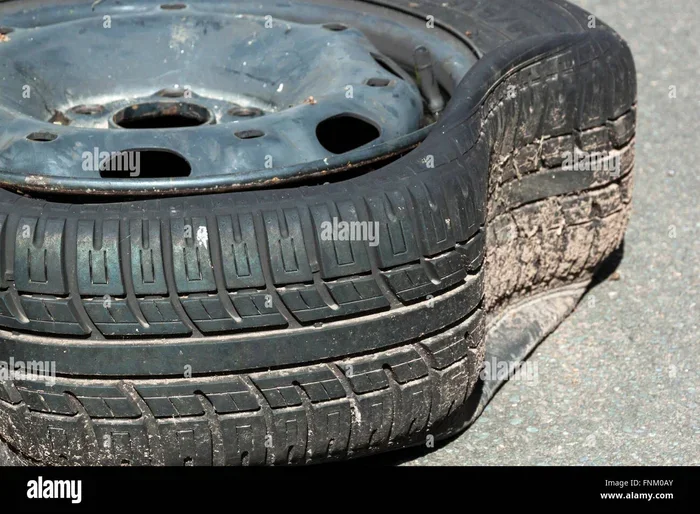
- The tire has been driven flat for more than a few hundred feet. Internal damage from driving on a flat tire is usually irreversible.
Replacing a tire might feel expensive, but it is cheaper than an accident caused by a failed tire. Always prioritize safety over savings when it comes to tire health.
Quick Reference: Common Tire Leak Causes and Fixes
| Cause of Leak | Severity | Fix Difficulty | Cost Estimate |
|---|---|---|---|
| Valve Stem Leak | Low | Easy | $5 – $15 |
| Porous Rubber (Aging) | Medium | Moderate | $20 – $50 (sealant) |
| Bead Seal Failure | Medium | Moderate | $15 – $40 |
| Puncture in Tread | Low to Medium | Easy | $5 – $30 (plug/patch) |
| Rim Damage or Corrosion | High | Hard | $50 – $200 (rim repair or replacement) |
| TPMS Sensor Failure | Low | Easy | $20 – $80 (sensor replacement) |
This table gives you a quick snapshot of what you might be dealing with. Use it alongside the soapy water test to narrow down the problem fast.
Expert Tips for Long-Term Tire Health
Experienced mechanics share a few insights that go beyond basic repairs. These tips help you get the most out of every tire.
First, always check tire pressure when the tires are cold. Driving heats up the air inside, which raises the reading and gives you a false sense of security. Check pressure before you drive in the morning for the most accurate results.
Second, rotate your tires every five thousand to seven thousand miles. Even wear means your tires last longer and perform better. Uneven wear from a tire deflating over time no screws leak can throw off your alignment too, so catching leaks early protects more than just your air.
Third, invest in a good digital tire pressure gauge. The cheap pencil-style gauges at gas stations are often inaccurate. A digital gauge gives you precise readings and helps you catch small pressure drops before they become big problems.
Fourth, consider using a tire sealant inside the tire for added protection. Sealants can fill micro-leaks that are too small to see. They are especially helpful for older tires or vehicles that sit for long periods. Just make sure the sealant is compatible with your TPMS sensors if your vehicle has them.
Finally, keep a record of your tire pressure readings and any repairs you make. This log helps you spot patterns. If the same tire keeps losing air, you know there is a deeper issue that needs professional attention. This habit also comes in handy when you visit a mechanic or tire shop.
Dealing with tire deflating over time no screws does not have to be confusing or expensive. Most causes are simple to identify and fix at home. The key is to act quickly when you notice pressure loss. A small leak today can become a dangerous situation tomorrow. Stay proactive with your tire maintenance, and your tires will serve you well for miles to come.
Remember to check your tire pressure regularly, inspect your valve stems, and keep your rims clean. These small habits add up to big savings and safer driving. If you ever feel unsure about a repair, a quick trip to a tire shop can confirm whether the fix is right for you. Stay informed, stay safe, and keep your tires in top shape.
Frequently Asked Questions
Why Is My Tire Deflating Over Time No Screws or Nails Visible?
Your tire can lose air through a tiny valve stem leak, a hairline crack in the rim, or a worn-out bead seal. Even a slightly damaged tire sidewall can cause a slow leak without any visible puncture. Checking the valve stem and rim area often reveals the hidden culprit.
Can a Tire Lose Air Without Any Screws or Foreign Objects Stuck in It?
Yes, tires deflate over time even with no screws because of natural air permeability through the rubber itself. Temperature changes, aging rubber, and faulty valve stems also contribute to slow air loss. This is a common issue many drivers face without realizing the cause.
How Do I Find a Slow Leak When Tire Deflating Over Time No Screws Are Present?
Mix dish soap with water and spray it generously over the tire surface, valve stem, and rim edges. Watch closely for bubbles forming, which indicate exactly where the air is escaping. You can also submerge the tire in water for a more precise detection method.
What Are the Most Common Causes of a Tire Slowly Losing Air With No Visible Damage?
The most common causes include a corroded or cracked valve stem, a damaged rim bead, or a pinhole leak in the tire sidewall. Extreme temperature swings can also cause air molecules to escape through the rubber over time. Age-related tire degradation is another frequent reason for unexplained air loss.
How to Fix a Tire That Keeps Deflating Over Time With No Screws or Punctures?
Start by replacing the valve stem, as it is the most affordable and common fix for slow leaks. If that does not work, have a professional inspect the rim for cracks or damage and check the tire bead seal. In some cases, a tire sealant or plug kit can temporarily seal micro-leaks until you get a proper repair.
Is It Safe to Keep Driving on a Tire That Is Deflating Over Time With No Screws?
Driving on a slowly leaking tire is risky because low pressure causes overheating, poor handling, and increased blowout chances. You should check your tire pressure at least once a week and inflate it to the recommended level immediately. If the leak persists, get the tire inspected or replaced as soon as possible to stay safe on the road.